
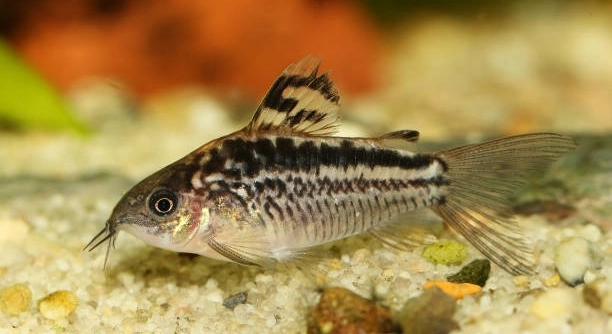
Corydoras catfish are a popular choice for many aquarium owners. With their playful nature and gentle personality, these fish can make a delightful addition to your tank. However, caring for them involves understanding their water preferences.
Corydoras catfish can tolerate hard water, but it is not their ideal environment. They prefer softer water, as it supports their health and well-being. Constant exposure to hard water may cause stress and impact their long-term survival.
Understanding how hard water affects your Corydoras catfish can help you create a more suitable habitat for them. Proper water conditions are key to keeping them healthy and happy in your tank.
What Is Hard Water?
Hard water contains a high level of dissolved minerals, particularly calcium and magnesium. This type of water is common in many areas, especially those with limestone or chalky soil. The minerals make the water “hard” and can have various effects on aquatic life.
In aquariums, the hardness of the water can significantly impact the health of your fish. While some fish, like certain species of cichlids, thrive in hard water, others may struggle to adapt. Corydoras catfish are one such species that can experience stress if the water is too hard for too long.
Hard water also affects the overall chemistry of the tank, including pH levels. This is crucial because if the pH levels fluctuate or become too high, it could harm the catfish. Keeping the water balanced helps reduce stress, ensuring that your Corydoras catfish stay healthy and active. Monitoring water hardness regularly is essential to maintain their well-being.
Effects of Hard Water on Corydoras Catfish
Hard water can directly impact the health of your Corydoras catfish in several ways. The minerals in the water can cause stress, weaken their immune system, and even lead to diseases.
When Corydoras are exposed to water that is too hard, they may exhibit signs of distress. Their gills may become irritated, leading to breathing difficulties. Additionally, the fish may show signs of reduced activity, lack of appetite, or even abnormal swimming behavior.
For the long-term health of your Corydoras, it is recommended to keep the water soft or slightly hard, ideally within a range of 3-10 dGH (degrees of general hardness). If you live in an area with naturally hard water, consider using a water softener or filtering system to maintain an optimal environment for these sensitive fish. Regular water changes can also help keep the mineral levels under control.
How to Lower Hard Water in Your Aquarium
If you find that your aquarium water is too hard for your Corydoras catfish, there are a few simple steps to reduce the hardness.
One effective method is to use reverse osmosis (RO) water or a combination of RO water with tap water. This helps to dilute the mineral content in your tank. You can also try adding peat moss to the filter, as it can help soften the water naturally.
Another approach is to use commercial water softening products. These can help bring the hardness down to a more suitable level for your fish. Be sure to monitor the water quality regularly, as rapid changes in water hardness can also stress your catfish. It’s crucial to adjust the water parameters slowly and steadily to prevent any sudden shifts in their environment.
Incorporating live plants in your tank can also aid in softening the water by absorbing excess minerals. With careful monitoring and adjustments, you can create an environment where your Corydoras catfish will thrive.
How to Maintain a Healthy Water Balance
Maintaining the right water conditions for your Corydoras catfish is essential for their well-being. Monitoring the hardness, along with other water parameters, can help you create a stable and healthy environment.
The water should be tested regularly to ensure that the hardness, pH, and other factors like ammonia and nitrate levels are within the acceptable ranges for Corydoras. To do this, invest in a reliable aquarium testing kit that measures hardness, pH, and other important parameters.
Along with adjusting the water hardness, it’s important to ensure your tank has proper filtration. A good filtration system will help remove impurities and excess minerals from the water. Additionally, regular water changes are necessary to maintain a healthy habitat for your fish.
Adding live plants, such as Java moss or Amazon swords, can help maintain water quality. These plants naturally absorb excess nutrients and minerals, helping to keep the water in check. By following these steps, you can ensure your Corydoras catfish stay healthy and comfortable in their environment.
Signs of Stress in Corydoras Catfish
Corydoras catfish may show various signs of stress when exposed to hard water. They may become lethargic or stop eating, which is often a result of poor water quality. Increased gill movement or gasping for air at the surface are also signs that the water conditions are affecting them.
Other symptoms of stress include rubbing against tank surfaces or decorations. This is often a sign of irritation or skin issues caused by high mineral content in the water. Corydoras may also exhibit abnormal swimming patterns, such as erratic or slow movements. If you notice these signs, it’s essential to check the water hardness and adjust accordingly. Stress can weaken their immune system, leaving them vulnerable to diseases.
If the water remains unsuitable, prolonged stress can lead to serious health issues, including death. The best way to prevent stress is to regularly monitor the water quality, ensuring it remains soft or slightly hard. You should also avoid sudden changes in water conditions, as these can further upset the fish.
How to Ensure Proper Tank Maintenance
Maintaining proper tank conditions for your Corydoras catfish requires regular checks and adjustments to the water quality. It’s important to clean the tank, change the water frequently, and monitor the hardness regularly.
Keeping the tank clean ensures that the fish remain in an environment free from excess minerals and harmful substances. Changing 20-30% of the water every two weeks can help maintain stable hardness levels. Be sure to use a water conditioner that helps balance the minerals, especially if your water is naturally hard. A consistent water temperature between 72°F and 78°F (22°C to 26°C) will also help your Corydoras stay comfortable.
Investing in a high-quality filter will help maintain clean water by removing debris and excess minerals. Be sure to choose one suited for your tank size. Also, make sure to check the filter regularly and clean it to prevent clogging. An optimal filtration system prevents pollutants from building up in the water, creating a safer environment for your fish. Regular maintenance of the tank ensures that the water quality stays suitable for your Corydoras.
Adjusting Water Conditions for Corydoras Catfish
To create a healthy environment for your Corydoras catfish, adjusting the water conditions is essential. If you have hard water, start by measuring the mineral content using a water hardness test kit. Once you know the hardness, you can take steps to adjust the water quality accordingly.
One way to soften the water is by using reverse osmosis (RO) water, which has little to no minerals. Mixing RO water with your tap water can create the perfect balance. Alternatively, you can add peat moss to your filter to naturally lower the hardness over time. Peat moss releases tannins that can soften the water and reduce pH levels, which is beneficial for Corydoras catfish.
Another method to adjust water hardness is through chemical water softeners. These products can help reduce minerals but should be used cautiously, as sudden changes in water chemistry can stress the fish. Always make gradual adjustments and monitor the water regularly to ensure a stable environment for your Corydoras.
The Role of pH in Hard Water
Hard water often comes with a higher pH level, which may not be ideal for Corydoras catfish. These fish generally prefer a neutral to slightly acidic environment. If the pH rises too high, it can cause stress and discomfort for the fish.
The pH level in hard water tends to be more alkaline, which can make it difficult for Corydoras to thrive. They are better suited to water with a pH between 6.0 and 7.5. If the pH is consistently high, it’s important to adjust it by using methods like adding driftwood or peat moss to lower the pH naturally.
Since changes in pH affect the catfish’s ability to absorb oxygen and other nutrients, you’ll want to monitor it closely. Regular testing kits can help you maintain stable conditions, ensuring the water remains within the ideal pH range for your fish. Stable water conditions are crucial for their overall health.
How to Safely Adjust pH
Adjusting the pH of your aquarium water should be done gradually to avoid stressing your Corydoras catfish. Sudden changes can shock the fish and lead to health problems. The best approach is to use natural methods, such as adding peat moss or driftwood, which can slowly lower the pH.
When trying to reduce pH levels, avoid chemical products that promise rapid results. These can drastically alter the tank’s environment, potentially harming the fish. Instead, aim for small, steady changes that will allow your Corydoras to adapt more comfortably. Keep an eye on both pH and water hardness together, as they work in tandem to create the ideal conditions for your fish.
It’s also important to do regular water changes to help maintain the desired pH levels. If you are using RO water, check the pH before adding it to your tank. Even though RO water is softer, it can sometimes have a lower pH, which may help balance the overall water conditions.
Benefits of Softening Water for Corydoras
Softening the water in your tank has several benefits for Corydoras catfish. It helps reduce the stress caused by high mineral content, allowing them to thrive in a more comfortable environment. Soft water is closer to their natural habitat, which supports better growth and overall health.
For Corydoras, soft water encourages better breathing and feeding. It improves their immune system and allows them to better absorb essential nutrients. Soft water is also easier on their gills, reducing irritation and potential infections. Ensuring the water remains soft also helps maintain stable pH and hardness levels, contributing to a balanced tank environment.
FAQ
Can Corydoras live in very hard water?
Corydoras catfish can survive in hard water, but it’s not ideal for them. While they can tolerate water with a higher mineral content, consistent exposure to hard water may cause stress. This stress can lead to weakened immune systems and increased susceptibility to diseases. It’s best to keep their water within a moderate hardness range (3-10 dGH) to ensure their health. If your water is too hard, it’s better to use water-softening methods, such as reverse osmosis (RO) water, to maintain a more suitable environment for your Corydoras.
How can I tell if my Corydoras are stressed?
Stressed Corydoras often display specific behaviors that signal something is wrong. They might stop eating or appear lethargic. If you notice them constantly gasping at the surface or swimming erratically, that’s a clear sign of distress. They might also rub against decorations or tank surfaces, which is often due to irritation from poor water quality. Another sign of stress is if your Corydoras stop schooling or exhibit strange swimming patterns. In such cases, it’s important to check your water’s hardness and overall quality.
What is the ideal water hardness for Corydoras?
Corydoras catfish thrive in soft to moderately hard water, ideally with a hardness range of 3-10 dGH (degrees of general hardness). If the water is too hard, it can cause stress and affect their overall health. It’s important to test the water regularly to ensure the hardness stays within this range. If your water is naturally hard, you may need to take steps to soften it, such as using RO water, adding peat moss, or employing a water softener.
Can I use water softeners for Corydoras?
Yes, water softeners can be used to lower water hardness, but they should be used carefully. Some water softeners can alter the water chemistry too drastically, which could stress your Corydoras. If you do decide to use a water softener, make sure to monitor your tank’s water quality and hardness frequently. A more gradual approach, like mixing RO water with tap water or adding peat moss to the filter, can also help soften the water without shocking the system.
How do I lower the hardness of my tank water?
To lower the hardness of your aquarium water, there are several methods you can try. Reverse osmosis (RO) water is one of the most effective ways to reduce hardness. Mixing RO water with tap water can bring the hardness to the ideal level. Alternatively, you can add peat moss to the filter, which naturally softens the water by releasing tannins. This method also lowers the pH slightly, which can be beneficial for Corydoras. It’s important to make gradual changes to prevent sudden shifts in the water conditions that could harm your fish.
How often should I test my aquarium water?
Testing your aquarium water regularly is key to maintaining a healthy environment for your Corydoras. Aim to test the water every 1-2 weeks to check parameters like hardness, pH, ammonia, nitrate, and nitrite levels. This will help you keep track of any changes in the water and make adjustments as needed. If you’re experiencing problems with your fish, you may want to test the water more frequently to pinpoint any issues and make adjustments quickly.
Can I keep Corydoras with other fish in hard water?
While Corydoras can tolerate hard water, it’s important to consider the needs of any other fish in the tank. Some species, like certain types of tetras or cichlids, may also tolerate hard water, while others may require softer conditions. Always research the water preferences of any other fish before adding them to the same tank as Corydoras. If the water hardness is not suitable for all the fish in your tank, you may need to adjust the water conditions or select fish that prefer similar water parameters.
Do Corydoras need special care in hard water?
Yes, Corydoras do need some extra care in hard water. While they can survive in these conditions, they may suffer from stress and health problems over time. The key is to regularly monitor the water’s hardness and make adjustments to keep it within the ideal range. Providing a well-maintained, stable tank environment with soft to moderately hard water will help reduce stress on the fish. Additionally, offering a varied and balanced diet will help boost their immune system and make them more resilient to any water-related stress.
How can I maintain the right water conditions for Corydoras?
To maintain the right water conditions for Corydoras, it’s essential to monitor several factors. Regularly test the water for hardness, pH, ammonia, nitrate, and nitrite levels. Perform regular water changes (20-30% every two weeks) to keep the water clean and stable. Use a high-quality filtration system to remove impurities and excess minerals. If you’re dealing with hard water, consider using RO water or adding natural softening agents like peat moss to the tank. Additionally, keep the tank clean and make sure to remove debris and excess food that could affect the water quality.
Can Corydoras adapt to hard water over time?
Corydoras can adapt to hard water over time, but it’s important to keep their health in mind. Prolonged exposure to hard water can cause stress and may lead to health issues, such as weakened immune systems or difficulty breathing. While they may adjust to the conditions, it’s not the most ideal environment for them. Regular adjustments to the water, such as softening it slightly, will help ensure that they remain healthy in the long run. A stable, suitable environment is always better than forcing them to adapt to less-than-ideal water conditions.
Final Thoughts
Corydoras catfish are hardy little creatures, but they do have specific water preferences that can affect their health. While they can live in hard water, it’s not the most suitable environment for them. Prolonged exposure to hard water can lead to stress, which weakens their immune system and makes them more vulnerable to illness. That’s why maintaining water quality, especially the hardness level, is crucial for their well-being. It’s best to aim for water that is soft to moderately hard, within the ideal range of 3-10 dGH.
If you live in an area with naturally hard water, there are ways to adjust the conditions for your Corydoras catfish. Using reverse osmosis (RO) water, adding peat moss to the filter, or using water softening products can help reduce the hardness and create a more comfortable environment for your fish. It’s important to make these changes gradually, as sudden shifts in water parameters can stress your fish even further. Regularly testing the water for hardness, pH, and other important factors will help ensure you’re maintaining the right conditions.
Ultimately, taking the time to care for your Corydoras in terms of water quality can lead to a healthier and happier fish. They are sensitive to changes in their environment, and consistent, stable water conditions help them thrive. With proper maintenance, monitoring, and a few adjustments, you can create a tank environment where your Corydoras can live comfortably, regardless of whether the water is naturally soft or hard. Just remember that their health and comfort depend on maintaining a suitable, stress-free habitat.

Hello,
If you enjoy the content that we create, please consider saying a "Thank You!" by leaving a tip.
Every little bit helps us continue crafting quality advice that supports the health, happiness, and well-being of pets around the world, for pets of all shapes, sizes, and species.
We really appreciate the kindness and support that you show us!