
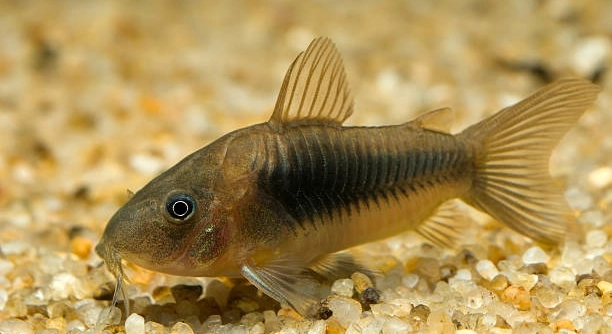
Corydoras catfish are popular aquarium pets, known for their peaceful nature and attractive appearance. They are commonly kept in a variety of tank setups, but many people wonder if they can thrive in a nano tank.
Corydoras catfish can live in a nano tank, but specific conditions such as water quality, space, and tank mates need to be carefully managed. A properly maintained nano tank with appropriate filtration can support these catfish comfortably.
Maintaining the health and happiness of Corydoras catfish in a nano tank requires attention to detail. This article will walk you through the key factors involved in keeping them in a smaller setup.
Can Corydoras Catfish Thrive in Small Tanks?
Corydoras catfish are small, bottom-dwelling fish that can adapt to a variety of tank sizes. However, the question remains whether they can thrive in a nano tank. Nano tanks typically range from 5 to 20 gallons, and they require extra care to ensure the fish’s well-being. These tanks are smaller, so maintaining stable water parameters, including temperature and pH, becomes more challenging. Corydoras are sensitive to water quality changes, so the filtration system must be adequate to prevent buildup of waste. Also, while the catfish enjoy having space to swim, they are known to spend most of their time near the bottom.
Keeping them in a smaller tank is possible if their basic needs are met. The small size of the tank demands close attention to water changes and tank mates. If these factors are carefully considered, Corydoras can live comfortably in a nano tank.
It’s crucial to make sure there are no sharp objects on the substrate and that the fish have plenty of hiding spaces. Corydoras are peaceful and enjoy being part of a school, so it’s also important to keep multiple catfish in the same tank for their well-being. Keep in mind, though, that a smaller tank may limit the number of fish that can be added. You’ll need to be mindful of overstocking, which can harm water quality and stress the fish.
What Are the Benefits of Keeping Corydoras in a Nano Tank?
There are several advantages to housing Corydoras catfish in a nano tank. First, these fish are small and don’t require much space to feel comfortable. Nano tanks are easier to manage in terms of water changes and maintenance since they are smaller and less expensive to set up. A smaller tank also means using less water, making it more environmentally friendly.
Additionally, nano tanks are a great option for those who may not have the space or time for larger setups. With the right equipment, such as a high-quality filter and heater, a nano tank can provide a stable environment for your catfish. Small tanks can also be an attractive addition to your home or office, offering a unique way to display the fish in a compact setup.
While nano tanks have benefits, it’s essential to understand that they still need proper care. If you choose to keep Corydoras in one, you will need to be vigilant about water quality, tank size, and appropriate tank mates. This ensures that your catfish stay happy and healthy in their small environment.
Challenges of Keeping Corydoras in Nano Tanks
While Corydoras can live in smaller tanks, there are challenges that must be addressed. Smaller tanks have less room for error when it comes to maintaining stable water conditions. A fluctuation in water parameters can quickly harm your fish.
In a nano tank, water temperature and pH levels can change rapidly, especially with the limited volume of water. This makes it crucial to monitor water conditions closely. Frequent water changes are necessary, but they also need to be done with caution. If you change too much water at once, it can stress your fish. Additionally, overfeeding or poor filtration can quickly lead to water quality issues, which affect the catfish’s health.
Another challenge is the small size of the tank. Overcrowding can easily occur, which stresses the catfish. Corydoras are peaceful, but they need room to swim and explore. Too many fish in a small space can lead to aggression, poor health, and lower oxygen levels in the water. Proper stocking is key.
How to Maintain a Healthy Nano Tank for Corydoras
Maintaining water quality is essential for Corydoras in a nano tank. A good filter, appropriate for the tank size, is critical to ensure the water stays clean. Regular water testing helps to monitor ammonia, nitrite, and nitrate levels.
Even in a small tank, you must provide hiding places and gentle filtration. Corydoras are sensitive to strong currents, so avoid using powerful filters. You’ll want a filter that provides gentle water movement, which mimics the catfish’s natural environment. Substrate choice is also important; use smooth gravel or sand to prevent injuries to their delicate barbels. A well-maintained nano tank with proper filtration can easily support a small school of Corydoras, keeping them happy and healthy.
Lighting is another aspect to consider. Corydoras are nocturnal and prefer low light conditions, so avoid bright lighting that can stress them out. Adjust the tank lighting to create a calm environment, mimicking their natural habitat.
Choosing the Right Tank Mates for Corydoras in Nano Tanks
Corydoras are peaceful fish and do best with other calm species. In a nano tank, it’s important to pick tank mates that won’t compete for space or harm the catfish. Avoid aggressive or territorial fish.
Good tank mates for Corydoras include small, peaceful species like guppies, neon tetras, or small rasboras. These fish coexist well with Corydoras without creating too much disturbance. Make sure the other fish don’t outcompete the catfish for food, as Corydoras are bottom feeders and need their share of food that falls to the tank floor.
Substrate Choices for Corydoras in a Nano Tank
Corydoras are sensitive to rough substrates, as they use their barbels to search for food. Sharp gravel or large stones can injure their barbels, causing infections or discomfort.
The best substrate for Corydoras is smooth, fine sand. Sand allows the catfish to root around without risking injury. It also makes it easier to maintain clean water, as uneaten food tends to settle on the surface without getting stuck in crevices. This ensures the tank remains clean and your fish stay healthy.
Filtration Needs for Nano Tanks
Proper filtration is vital for keeping the water quality stable in a nano tank. Since smaller tanks have less water volume, toxins can build up quickly.
Choose a filter designed for smaller tanks but still powerful enough to handle waste buildup. A sponge filter is often a good choice, as it provides gentle filtration and avoids strong currents, which could stress the Corydoras. Regular filter maintenance ensures it works efficiently without overwhelming the catfish with strong water flow.
FAQ
Can Corydoras live with other fish in a nano tank?
Yes, Corydoras can live with other fish, but they need peaceful tank mates. In a nano tank, choose small, non-aggressive species like guppies, neon tetras, or small rasboras. Avoid any fish that could outcompete them for food or chase them around. The smaller the tank, the more important it is to ensure that all fish have enough space to thrive.
How many Corydoras can you keep in a nano tank?
In a nano tank, it’s recommended to keep only a small school of Corydoras. A tank as small as 5 gallons can support 2-3 Corydoras, while a 10-gallon tank could house up to 4-5. The more fish you add, the more challenging it becomes to maintain water quality, so it’s essential not to overcrowd the tank.
What size tank is best for Corydoras?
Corydoras can live in tanks as small as 5 gallons, but a 10-gallon tank is ideal for a small school. A larger tank offers more stability in water conditions, which is important for the health of your fish. While they can survive in smaller setups, a slightly bigger tank gives you more flexibility in water management.
Do Corydoras need a filter in a nano tank?
Yes, Corydoras need a filter even in a nano tank. A filter helps maintain water quality by removing waste and toxins. For a smaller tank, choose a gentle filter, such as a sponge filter, which won’t create strong currents. Keep the filter clean to avoid any clogs or inefficiency.
What temperature do Corydoras need in a nano tank?
Corydoras prefer a water temperature between 72°F and 78°F (22°C to 25°C). In a nano tank, keeping the temperature stable is especially important due to the smaller volume of water. A reliable heater is essential for maintaining the right temperature and ensuring the catfish remain comfortable.
How often should I change the water in a nano tank with Corydoras?
In a nano tank, regular water changes are crucial. Aim for a 25-30% water change every week. This helps maintain good water quality and removes toxins that can build up quickly in smaller tanks. Be sure to use a water conditioner to remove chlorine or chloramine from tap water.
Do Corydoras need a lot of hiding places in a nano tank?
Yes, Corydoras feel safer and more secure with plenty of hiding places. In a nano tank, you can use small caves, plants, or decorations to create hiding spots. These provide them with a sense of security, especially if they’re feeling stressed or threatened. The more natural hiding places, the better.
Can Corydoras eat regular fish food in a nano tank?
Corydoras are bottom feeders, so they need food that sinks. High-quality sinking pellets or wafers specifically designed for bottom dwellers are the best option. They will also nibble on any leftover food that sinks to the bottom. Make sure to avoid overfeeding, as leftover food can quickly degrade water quality in a small tank.
Are Corydoras prone to diseases in nano tanks?
Corydoras are generally hardy, but like all fish, they can be susceptible to diseases if water quality isn’t maintained. Poor water conditions, stress from overcrowding, or unsuitable tank mates can make them more vulnerable. Regular water changes, good filtration, and a stable environment can help prevent most common fish diseases.
Do Corydoras need a specific substrate in a nano tank?
Corydoras prefer soft, fine sand or smooth gravel. They use their barbels to search for food, and rough or sharp substrates can cause injury. Avoid large stones or sharp-edged gravel, as they could harm their barbels. Sand is the best choice because it’s gentle and easy to clean.
Can Corydoras live with shrimp in a nano tank?
Corydoras and shrimp can coexist in a nano tank, provided both species are peaceful. Shrimp like cherry shrimp or Amano shrimp are typically safe tank mates for Corydoras. However, be cautious with very small shrimp, as larger Corydoras might accidentally injure or consume them during feeding.
Do Corydoras need a light in a nano tank?
Corydoras are nocturnal and prefer dim lighting. While some lighting is necessary for plant growth, too much light can stress them out. It’s best to use low-intensity light or a timer to simulate a natural day-night cycle. This will help your Corydoras feel more comfortable and reduce stress.
How long do Corydoras live in a nano tank?
Corydoras catfish typically live between 5 to 10 years, depending on water conditions and care. In a well-maintained nano tank, they can live a long, healthy life. The key is to keep the water clean, maintain stable temperature and pH levels, and provide a stress-free environment. Regular monitoring of water quality helps extend their lifespan.
Can Corydoras survive without a heater in a nano tank?
While Corydoras can survive in unheated tanks, they thrive in a temperature range of 72°F to 78°F. In cooler environments, a heater is recommended to ensure they remain comfortable. This is especially important in a nano tank, where temperature fluctuations are more likely due to the smaller water volume.
Are Corydoras active during the day in a nano tank?
Corydoras are generally more active at night, as they are nocturnal fish. During the day, they may be less active, often hiding or resting in the substrate. If you observe them closely at night, you will see them actively foraging for food on the tank’s bottom.
How do I prevent my Corydoras from getting stressed in a nano tank?
Stress in Corydoras can be caused by overcrowding, poor water quality, or aggressive tank mates. To reduce stress, maintain a clean tank, provide hiding spots, and avoid aggressive fish. A calm, stable environment with a proper balance of tank mates is essential for their well-being.
Final Thoughts
Corydoras catfish can live in a nano tank, but it’s important to carefully consider the tank’s size, water quality, and tank mates. These fish are small and peaceful, making them suitable for smaller tanks, but their well-being depends on maintaining stable conditions. Water temperature, pH levels, and a clean environment are crucial for their health. You’ll need to be diligent about regular water changes and monitor water parameters closely. Overcrowding or poor filtration can lead to poor water quality, which can stress out the fish and lead to health issues.
While nano tanks are manageable, they do require more attention. Corydoras do best when they have adequate space to swim and explore, even though they are bottom dwellers. Choosing the right substrate is important, as sharp gravel or rocks can hurt their delicate barbels. Smooth sand is the best option to prevent injury. It’s also helpful to provide hiding spots in the tank, as Corydoras can feel safer when they have places to retreat to. These little fish do enjoy the company of others, so keeping them in small schools is beneficial for their mental well-being.
If you’re new to fishkeeping, a nano tank can be a great way to start with Corydoras. The smaller size and easier setup make them less intimidating. However, it’s still essential to educate yourself on their specific needs. With the right care, Corydoras can thrive in a nano tank for many years. Keeping them happy and healthy requires consistency, attention to detail, and a bit of patience. If you can provide the right environment, Corydoras can be a peaceful and attractive addition to your aquarium setup.

Hello,
If you enjoy the content that we create, please consider saying a "Thank You!" by leaving a tip.
Every little bit helps us continue crafting quality advice that supports the health, happiness, and well-being of pets around the world, for pets of all shapes, sizes, and species.
We really appreciate the kindness and support that you show us!