
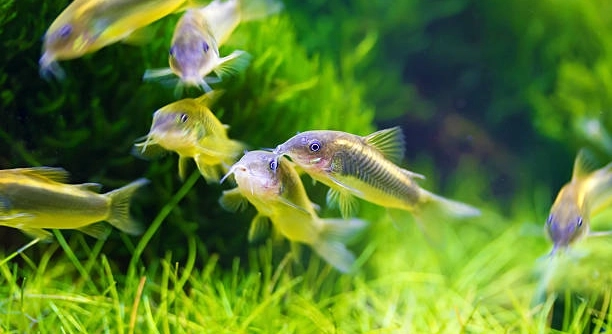
Corydoras catfish are popular aquarium fish, known for their peaceful nature and helpful cleaning habits. However, ensuring they receive adequate oxygen is crucial for their well-being. Identifying signs of oxygen deficiency can help maintain a healthy environment for them.
Corydoras catfish need oxygen-rich water to thrive, and inadequate oxygen can cause stress and health issues. Signs of low oxygen include sluggish behavior, surface gasping, or rapid gill movement. Ensure good water circulation and filtration to prevent oxygen deficiency.
Maintaining optimal oxygen levels is essential for the health of your Corydoras catfish. This article will cover key signs to watch for and provide solutions to ensure your fish are getting enough oxygen in their tank.
Recognizing Signs of Oxygen Deficiency
A Corydoras catfish can show several signs when the water lacks enough oxygen. One of the most obvious symptoms is rapid gill movement. If your catfish is constantly darting to the surface or staying near the water’s top, it could be struggling to get enough air. In some cases, they may even appear sluggish and less active than usual.
Low oxygen levels can occur due to poor water circulation, high temperatures, or overcrowded tanks. All these factors reduce the water’s ability to absorb oxygen, which can stress the catfish and lead to health issues. Monitoring your fish for unusual behavior will help identify when something is wrong.
To prevent this, consider adding a quality air pump or increasing the water movement in your aquarium. These changes will help ensure your catfish stay healthy. Regularly checking your aquarium’s filtration system and water temperature will also help prevent oxygen shortage. This can improve the quality of life for your fish.
Ensuring Proper Oxygen Levels
The oxygen levels in your aquarium are directly related to the water’s movement and filtration.
One of the best ways to maintain proper oxygenation is by keeping your filtration system running efficiently. A good filter will help water flow evenly, increasing oxygen exchange at the surface. If your filter is clogged or outdated, it could be causing water stagnation and reducing oxygen levels.
Installing an air stone or air pump can also be helpful in ensuring proper oxygen levels. These devices can increase surface agitation, allowing for better gas exchange. Keep in mind that these should be used along with regular water changes to avoid a buildup of toxins. You can also improve oxygenation by lowering the water temperature slightly, as cooler water holds more oxygen. However, make sure not to make drastic changes to the water temperature, as this can also stress your fish.
Maintaining an optimal oxygen level in your tank is not just about using the right equipment; it’s about understanding how these systems work together to create a healthy environment for your Corydoras catfish.
Tank Size and Oxygen Levels
The size of your tank plays a big role in oxygen distribution. Smaller tanks often suffer from poor oxygen exchange because the water has less space for movement. The more water in the tank, the easier it is for oxygen to circulate.
In smaller tanks, oxygen depletion can happen quickly, especially with more fish. A 20-gallon tank may have a higher chance of oxygen shortage compared to a 50-gallon tank, even if both tanks have similar setups. More water gives the fish a larger volume of oxygen-rich water.
If you have a small tank, consider upgrading to a larger one if possible. Larger tanks allow for better filtration and water movement, both of which improve oxygen levels. With more space, the fish can spread out and reduce stress, improving their overall health and well-being.
Water Temperature and Oxygen
Temperature has a direct impact on how much oxygen your water can hold.
Warmer water holds less oxygen than cooler water, which is why temperature control is important. In hot conditions, oxygen levels will naturally drop, and your catfish may suffer from low oxygen. Maintaining a stable, cool temperature between 72-78°F is ideal for Corydoras catfish.
When water temperatures rise above 80°F, you’ll likely notice your fish spending more time at the surface, struggling for air. This happens because, as the temperature rises, oxygen levels decrease, and the fish struggle to breathe efficiently. Make sure your tank has proper cooling mechanisms, like a fan or cooling system, especially during summer months.
Maintaining a consistent water temperature helps regulate oxygen levels and provides your Corydoras with a more stable and healthy environment.
Overcrowding and Oxygen Depletion
Overcrowding is a common cause of oxygen depletion in aquariums. When too many fish share a small space, the oxygen supply quickly becomes insufficient. Corydoras catfish need adequate space to thrive and receive proper oxygenation.
Fish excrete waste, which uses up available oxygen in the tank. If too many fish are present, they consume oxygen faster than the system can replenish it. To avoid this, make sure your tank isn’t overstocked. Keep an eye on the fish’s behavior—if they’re constantly at the surface gasping for air, it could be a sign of overcrowding.
Filtration and Oxygenation
Good filtration helps maintain healthy oxygen levels by promoting water movement. Filtration systems keep water clean, but they also increase surface agitation, which improves oxygen exchange. Without a proper filter, the water can become stagnant and low in oxygen.
When selecting a filter, consider one that provides enough flow for your tank size. A weak filter won’t circulate the water properly, and your fish may suffer from low oxygen. Make sure to clean the filter regularly to ensure it’s functioning at full capacity.
For smaller tanks, adding a sponge filter can improve circulation. For larger tanks, consider a strong canister filter or a powerhead to boost water flow.
Tank Decor and Oxygen Flow
Tank decor, such as rocks and plants, can impact oxygen flow by creating areas of stagnant water. If the decor is too dense, it might block water movement and reduce oxygen exchange.
When designing your tank, ensure that there are plenty of open spaces for water to circulate. This will help keep the oxygen levels balanced, even with decorations. Use plants that don’t overtake the space and place rocks strategically to avoid obstructing water flow.
FAQ
How can I tell if my Corydoras catfish is not getting enough oxygen?
Signs of low oxygen in Corydoras catfish include them spending more time at the water’s surface, gasping for air, or moving sluggishly. If they’re constantly darting upwards to breathe, this is a clear indication that the oxygen levels may be low. Additionally, rapid gill movement and lethargic behavior are common signs.
What is the ideal water temperature for Corydoras catfish to ensure proper oxygen levels?
Corydoras catfish thrive in water temperatures between 72°F and 78°F (22°C to 26°C). This range ensures that oxygen levels remain optimal for them. Water that’s too warm holds less oxygen, so it’s important to maintain a stable, cool temperature in the tank to avoid oxygen depletion.
Can I use an air pump to help oxygenate my Corydoras catfish tank?
Yes, an air pump can help improve oxygen levels by increasing surface agitation. The more surface area the water has exposed to the air, the better the oxygen exchange. If your tank has poor water circulation, an air pump can be an effective solution. Just make sure it’s not too strong, as it may cause unnecessary turbulence for the catfish.
Is it necessary to have a filter in my tank to provide oxygen for my Corydoras?
A filter is essential for both water filtration and oxygenation. A good filter promotes water movement, which increases surface agitation and improves oxygen exchange. Without a filter, the water will become stagnant, and oxygen levels will decrease. Make sure to clean your filter regularly so that it continues to perform efficiently.
How can I prevent overcrowding in my Corydoras catfish tank?
To avoid overcrowding, follow the general rule of one inch of fish per gallon of water. This ensures that your Corydoras have enough space to swim and get the oxygen they need. Overcrowding can lead to oxygen depletion and cause stress for your fish. Regularly check the population in your tank and remove any extra fish if necessary.
Can plants help with oxygen levels in the tank?
Live plants can help oxygenate the tank by producing oxygen through photosynthesis. However, they can’t replace proper filtration and water movement. While plants can enhance water quality, they should be part of an overall strategy that includes good filtration and oxygenation equipment. Avoid overplanting, as this can block water flow and reduce oxygen exchange.
What should I do if my Corydoras catfish are showing signs of oxygen deficiency?
If your Corydoras are showing signs of oxygen deficiency, first check the water temperature and ensure it’s within the optimal range. If the temperature is too high, cool the water down. Next, inspect your filtration system to ensure it’s functioning properly. Adding an air stone or increasing water circulation can also help. If overcrowding is an issue, consider removing some fish to provide more space. Regular water changes are also crucial to maintaining good oxygen levels.
How often should I change the water in my Corydoras catfish tank to maintain oxygen levels?
Regular water changes are essential to maintaining oxygen levels and overall water quality. Aim for a 25-30% water change every 1-2 weeks, depending on the size of your tank and the number of fish. This helps remove waste products and toxins that could lower oxygen levels and create an unhealthy environment for your fish.
Is it okay to keep Corydoras catfish with other species of fish?
Yes, Corydoras catfish are peaceful and typically get along well with other non-aggressive fish. However, be cautious of species that may crowd the tank or disrupt water flow, as this can affect oxygen levels. It’s essential to keep the tank’s population within a manageable limit to prevent oxygen depletion and stress on the fish.
Can I use a fan to help cool the water in my Corydoras tank?
Yes, using a fan can help cool the water, especially during warmer months when the temperature tends to rise. Lowering the temperature can improve oxygen levels, as cooler water holds more oxygen. However, avoid rapid temperature fluctuations, as this can stress your fish. A fan can be particularly helpful for smaller tanks where heat buildup is more common.
Final Thoughts
Ensuring your Corydoras catfish have enough oxygen is crucial for their health and well-being. These fish are sensitive to changes in their environment, and low oxygen levels can lead to stress, reduced activity, and even health problems. It is essential to monitor various factors such as tank size, water temperature, and filtration. A well-maintained tank will ensure that your Corydoras are living in optimal conditions, where they can thrive and exhibit their natural behavior.
If you notice your Corydoras struggling to breathe at the surface, it may indicate that the oxygen levels in the tank are insufficient. This can be caused by overcrowding, improper filtration, or high water temperatures. To address this, consider adding an air pump, improving water circulation, and ensuring your tank is not overstocked. Maintaining proper tank size and ensuring that your fish have enough space to swim freely can help with oxygenation and overall health. Regular water changes are also a key part of maintaining clean, oxygen-rich water.
By paying attention to these factors, you can create a stable environment where your Corydoras can thrive. Keeping your aquarium properly aerated and well-filtered not only benefits the fish but also enhances the overall aesthetic of the tank. These fish are a great addition to any aquarium, but they require proper care to ensure they remain healthy and active. With the right setup, you can enjoy watching your Corydoras swim freely, knowing they have everything they need to stay happy and healthy.

Hello,
If you enjoy the content that we create, please consider saying a "Thank You!" by leaving a tip.
Every little bit helps us continue crafting quality advice that supports the health, happiness, and well-being of pets around the world, for pets of all shapes, sizes, and species.
We really appreciate the kindness and support that you show us!