
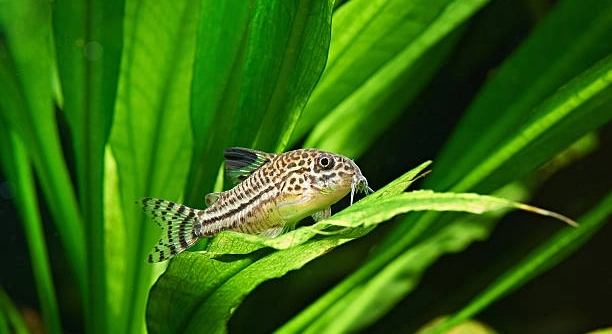
Corydoras catfish are fascinating creatures, known for their peaceful nature and playful behaviors. If your Corydoras catfish is blowing bubbles constantly, it may be indicating a number of potential issues or conditions.
The most common reasons for Corydoras catfish blowing bubbles include stress, water quality issues, and natural respiratory behavior. Overcrowding, poor filtration, or low oxygen levels can also cause your fish to blow bubbles more frequently, affecting their comfort.
Understanding the root causes of this behavior will help you create a healthier environment for your Corydoras catfish. By addressing these factors, you can improve their well-being and keep them happy in their aquatic home.
Stress and Its Impact on Your Corydoras Catfish
Stress is one of the primary reasons why Corydoras catfish blow bubbles. Stress can arise from several factors, such as changes in water temperature, poor tank conditions, or the presence of aggressive tank mates. Corydoras are peaceful fish, and when their environment becomes unstable, they may exhibit signs of stress, including blowing bubbles. This behavior is often a result of them trying to release excess air from their gills as they struggle to breathe. When your fish is stressed, it may spend more time near the surface or breathe rapidly, both of which can lead to bubble-blowing behavior.
Sometimes, even minor changes in their environment, like sudden shifts in lighting or tank rearrangement, can cause them to feel threatened. It’s important to observe any changes in their behavior and ensure that their surroundings remain as stable as possible. A calm environment can make a significant difference in the behavior and well-being of your Corydoras catfish.
A consistent routine can help your Corydoras feel more secure. Regular water changes, a well-maintained filtration system, and careful monitoring of water parameters can all reduce the chances of stress. These simple steps go a long way in helping your catfish thrive.
Oxygen Levels in Your Tank
Low oxygen levels can also contribute to bubble-blowing behavior in Corydoras catfish. They may blow bubbles as an attempt to get more oxygen.
If your tank’s oxygen levels are insufficient, Corydoras will often look for areas where the oxygen content is higher. This behavior typically includes swimming near the surface. Installing an air pump or adjusting the water flow to improve oxygenation can resolve this issue. Adding live plants can also help in oxygenating the water, benefiting all the inhabitants of the tank.
Poor Water Quality and Filtration
When the water quality in your tank deteriorates, it can cause your Corydoras catfish to blow bubbles. High levels of ammonia or nitrites, along with dirty or inadequate filtration, contribute to poor water conditions.
Corydoras are sensitive to toxins in the water, and poor filtration can make these problems worse. Without proper filtration, harmful chemicals can build up, making it harder for your fish to breathe. This can lead them to blow bubbles as a sign of distress, trying to adjust to the poor water conditions. Regular water changes and a good filtration system are crucial to keeping water clean and safe.
It’s important to test your tank’s water regularly. Make sure that ammonia and nitrite levels are always at zero, while nitrate levels stay below 40 ppm. Keeping a consistent routine of water changes and tank maintenance will prevent poor water quality from negatively impacting your catfish’s health.
Overcrowding and Limited Space
Overcrowding in your tank can make it difficult for Corydoras to feel comfortable and get the oxygen they need. When too many fish are placed in a small tank, oxygen levels drop, leading to respiratory problems.
In overcrowded tanks, your Corydoras may struggle to find enough space to swim and may blow bubbles to compensate for limited oxygen. This is particularly common if there are more fish than the tank can handle. Proper stocking levels are essential for maintaining a healthy tank environment. If your tank is overcrowded, it’s time to re-evaluate the number of fish or upgrade to a larger tank.
You should always research the appropriate tank size for the number of fish in your aquarium. A good rule of thumb is to provide at least 1-2 gallons of water per inch of fish. This ensures each fish has enough space to swim freely and reduces the stress caused by overcrowding.
Tank Temperature Fluctuations
Sudden changes in tank temperature can trigger your Corydoras catfish to blow bubbles. They are sensitive to shifts in temperature, especially when it fluctuates rapidly.
Corydoras thrive in stable, warm water temperatures ranging from 72°F to 78°F. Rapid changes, whether from a heater malfunction or environmental factors, cause stress. This stress can lead to breathing difficulties, prompting bubble-blowing behavior as they attempt to manage oxygen levels.
Maintaining a consistent temperature is vital for their health. Using a reliable aquarium heater and thermometer will help stabilize the water, preventing temperature-related stress and bubble-blowing behavior.
Inadequate Oxygenation in Heavily Planted Tanks
In heavily planted tanks, oxygen levels can fluctuate throughout the day. During the night, plants consume oxygen, which may result in low oxygen levels for your Corydoras.
In tanks with many plants, oxygen depletion occurs naturally at night when plants stop producing oxygen and begin consuming it. During the day, plants photosynthesize and release oxygen, but if the oxygen levels dip too low at night, your catfish may blow bubbles to compensate. Adding an air pump or adjusting plant density can help maintain consistent oxygen levels.
Proper aeration and plant management are essential in heavily planted tanks. Make sure to monitor oxygen levels closely, especially at night, and consider adding additional filtration or air stones to ensure your Corydoras have enough oxygen.
Stress from Aggressive Tank Mates
Aggressive fish can cause your Corydoras to become stressed, which may result in bubble-blowing behavior. If your Corydoras feels threatened, it can lead to difficulties in breathing and other stress signs.
Corydoras are peaceful fish, and when housed with aggressive species, they often feel insecure and stressed. This heightened stress can cause them to swim erratically or blow bubbles, signaling a desire to escape danger. Choosing tank mates carefully is key to maintaining harmony in your aquarium and keeping your Corydoras healthy.
Adding non-aggressive fish or separating aggressive tank mates will reduce stress and help prevent bubble-blowing behavior in your Corydoras catfish.
FAQ
Why is my Corydoras catfish blowing bubbles at the surface?
Blowing bubbles at the surface is often a sign that your Corydoras is struggling to get enough oxygen. This can occur due to poor water quality, low oxygen levels, or stress. When Corydoras have difficulty breathing in low-oxygen conditions, they often blow bubbles to help them breathe more easily. To fix this, ensure your tank has proper aeration and filtration, and check that water parameters are in a healthy range. Regular water changes and maintaining consistent oxygen levels will help alleviate this issue.
Can poor water quality cause Corydoras to blow bubbles?
Yes, poor water quality is one of the leading causes of bubble-blowing in Corydoras catfish. When ammonia, nitrites, or nitrates build up in the tank, it can make it difficult for your fish to breathe properly. As a result, your Corydoras may start blowing bubbles as a way to cope with the compromised water conditions. Regularly monitor water quality, conduct frequent water changes, and maintain a proper filtration system to keep the water clean and clear.
How can I tell if my Corydoras is stressed?
Stress in Corydoras catfish can be identified by several signs, including rapid gill movement, unusual swimming behavior, and excessive bubble-blowing. Your Corydoras may also spend more time near the surface or hide frequently. Stress can be caused by a variety of factors, such as poor water quality, temperature fluctuations, overcrowding, or aggressive tank mates. It’s important to observe your fish and address any potential stressors promptly to prevent further health issues.
Are Corydoras catfish sensitive to temperature changes?
Yes, Corydoras catfish are sensitive to changes in temperature. They thrive in stable water temperatures between 72°F and 78°F. Rapid changes in temperature, either from heater malfunctions or sudden shifts in their environment, can cause stress and discomfort. This stress can lead to breathing difficulties and bubble-blowing behavior. To prevent this, make sure the water temperature remains consistent and monitor it regularly using an aquarium thermometer.
Do Corydoras blow bubbles when they are sick?
While it’s not always a sign of illness, Corydoras blowing bubbles could indicate health issues if paired with other symptoms like lethargy or loss of appetite. In some cases, bubble-blowing could result from stress, which can weaken their immune system and make them more susceptible to diseases. It’s important to observe the fish’s overall behavior and seek medical attention if you notice other concerning symptoms.
How can I improve oxygen levels in my Corydoras tank?
Improving oxygen levels in your Corydoras tank can be done in several ways. Adding an air pump, installing a sponge filter, or ensuring proper surface agitation will help increase oxygen exchange in the water. In tanks with a lot of plants, make sure to monitor oxygen levels during both day and night, as plants consume oxygen at night. Maintaining good water flow and keeping the tank well-oxygenated will reduce the likelihood of your Corydoras blowing bubbles due to lack of oxygen.
What should I do if my Corydoras is blowing bubbles due to overcrowding?
If overcrowding is the cause of your Corydoras blowing bubbles, you should consider reducing the number of fish in the tank. Too many fish in a small space can reduce oxygen levels, leading to breathing problems and stress. It’s essential to follow the recommended stocking guidelines for your tank size, ensuring that each fish has adequate space to swim and breathe comfortably. You may need to set up a separate tank or consider a larger aquarium for your fish.
Are Corydoras catfish more likely to blow bubbles in a planted tank?
Yes, Corydoras catfish can blow bubbles in a heavily planted tank, especially at night. Plants absorb oxygen and release carbon dioxide during the night, which can lead to lower oxygen levels for your fish. To counteract this, consider adding an air pump or adjusting your tank’s aeration to maintain stable oxygen levels throughout the day and night. Regular water changes and proper filtration will also ensure a balanced environment for both plants and fish.
Can aggressive tank mates cause Corydoras to blow bubbles?
Aggressive tank mates can cause Corydoras to feel stressed, leading them to blow bubbles. Corydoras are peaceful fish, and when placed with more aggressive species, they can become anxious and have trouble breathing. This stress may manifest in excessive bubble-blowing. It’s best to house Corydoras with calm, non-aggressive species to avoid this issue and help your fish feel secure in their environment.
Is it normal for Corydoras to blow bubbles during breeding?
Yes, it’s normal for Corydoras to blow bubbles during breeding. In some cases, male Corydoras will blow bubbles as part of their courtship behavior, often building bubble nests. This is a natural behavior and can be observed during breeding seasons. However, if the bubble-blowing is constant and paired with other signs of stress or illness, it’s important to assess the tank conditions to ensure there are no underlying problems.
Final Thoughts
Understanding why your Corydoras catfish may be blowing bubbles can help you address the issue and keep your fish healthy. Several factors can contribute to this behavior, from poor water quality to temperature fluctuations and even stress caused by aggressive tank mates. The most important thing is to carefully observe your fish and the environment in which they live. If you notice any changes in behavior, like excessive bubble-blowing, it’s crucial to act quickly to determine the cause and make the necessary adjustments. Ensuring your Corydoras have stable water conditions, a properly set-up tank, and compatible tank mates will help reduce stress and prevent bubble-blowing.
Proper water quality is essential for the overall health of your fish. Regular water changes, proper filtration, and monitoring ammonia, nitrite, and nitrate levels are vital steps in maintaining a clean and safe environment. You should also monitor water temperature, keeping it stable within the recommended range for Corydoras catfish. In addition to these factors, ensuring that your aquarium has adequate aeration and oxygen levels will help your fish thrive. In heavily planted tanks, make sure to check oxygen levels, especially at night, to prevent the oxygen levels from dropping too low.
Finally, addressing potential stressors is key to improving the well-being of your Corydoras catfish. Stress can result from overcrowding, aggressive tank mates, or even changes in their environment. By choosing peaceful companions and providing ample space in the tank, you can create a more comfortable environment for your Corydoras. If you notice persistent bubble-blowing, it’s essential to examine the overall conditions in the tank, from the water quality to the health of your other fish. By being proactive and maintaining the proper tank conditions, you can help your Corydoras live a long, healthy, and stress-free life.

Hello,
If you enjoy the content that we create, please consider saying a "Thank You!" by leaving a tip.
Every little bit helps us continue crafting quality advice that supports the health, happiness, and well-being of pets around the world, for pets of all shapes, sizes, and species.
We really appreciate the kindness and support that you show us!