
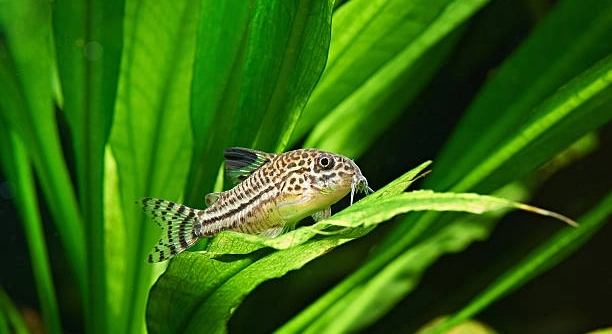
Corydoras catfish are popular freshwater aquarium fish that are known for their social behavior. They tend to form groups, but have you ever wondered why they prefer to school together? This behavior is fascinating.
Corydoras catfish school together primarily for safety, communication, and social interaction. In groups, they are less vulnerable to predators and can better find food. Schooling also allows them to engage in synchronized behaviors, enhancing their overall well-being and survival.
Learning about how and why corydoras school will deepen your understanding of these fascinating fish. Let’s explore the benefits of their grouping behavior and how it affects their health and environment.
Safety in Numbers
Corydoras catfish school together primarily to protect themselves from predators. When they swim in groups, they become harder for predators to single out, reducing the chances of any one fish being attacked. Their schooling behavior creates a sense of security, as being in a group provides more eyes to spot potential threats. It also allows them to dart in multiple directions, confusing predators and increasing their chances of escape. This instinct is vital for their survival in the wild, where they face various dangers, from larger fish to birds and mammals.
Group living also encourages corydoras catfish to stay close to each other, offering reassurance and lowering stress levels. They feel safer and more secure when surrounded by others, contributing to a healthier, happier aquarium environment. Being part of a group supports their natural instincts and ensures they remain safe from any threats that might otherwise cause harm.
This behavior can be observed in many other species as well. Schooling fish, like corydoras, rely on this instinct to thrive and maintain their well-being.
Social Interaction
When corydoras school, they also engage in social interactions. The group provides opportunities for them to communicate through physical contact and subtle gestures. In the wild, this helps them identify other members of their species, which is crucial for breeding and maintaining a healthy social structure. Socializing within the group allows them to establish roles and relationships, creating a stable environment for growth and reproduction.
In the aquarium, keeping multiple corydoras together can reduce stress and encourage natural behaviors, such as foraging and exploring. With the presence of other fish, corydoras are more likely to exhibit their natural behaviors, leading to a more active and vibrant tank environment. This dynamic helps them to adapt better to life in captivity while maintaining their health.
Additionally, having other corydoras around promotes active interactions that help keep their minds sharp and prevent boredom.
Better Foraging
When corydoras school together, they are more efficient at foraging. They use each other to help find food, often foraging in the same areas. By sticking together, they increase their chances of finding food sources. This behavior is instinctive and beneficial for survival, especially in the wild. In captivity, having multiple corydoras in the same tank allows them to locate food faster and more easily.
Corydoras are bottom-dwelling fish, and they often search for food along the tank floor. Schooling helps them cover more ground and find food more efficiently. In a group, they communicate through subtle movements and vibrations, signaling the location of food. This leads to faster and more successful foraging.
In a well-maintained aquarium, these interactions are vital for corydoras to stay healthy. Ensuring that they have company while foraging allows them to remain active and engaged, preventing them from becoming sluggish or stressed. Their group behavior encourages constant movement, contributing to their overall well-being.
Reduced Stress
Being in a group significantly reduces stress for corydoras catfish. They rely on the presence of other fish for emotional stability, and schooling provides a sense of calm. In isolation, they can become stressed, which affects their immune system and health. Group living allows them to feel protected and reduces anxiety levels.
Stress is a major cause of illness in aquarium fish, and corydoras are no exception. Having other corydoras around creates a more relaxed environment. Their group behavior keeps them engaged and less prone to stress-related conditions. The presence of fellow fish also lowers the chances of aggression, which can cause harm.
By maintaining a group of corydoras, you are helping them live more comfortably. A reduced stress level allows them to better enjoy their habitat, thrive, and stay healthy. In fact, schooling is one of the easiest ways to improve their quality of life in your tank.
Improved Breeding Opportunities
Schooling improves breeding opportunities for corydoras. In groups, males can better detect females in spawning condition, leading to more successful reproduction. The presence of multiple fish allows them to engage in courtship behaviors, which are important for spawning. This enhances the chances of successful breeding events.
When corydoras school, the environment is more conducive to mating rituals. The male can follow the female around and engage in the display behaviors necessary to attract her attention. These behaviors are often triggered by the presence of multiple fish, making it easier for males to identify and approach females.
Additionally, in a school, the fish tend to feel more secure, which encourages them to reproduce. By keeping corydoras in groups, you increase the chances of having a healthy breeding population in your aquarium.
Efficient Communication
Corydoras use their schooling behavior to communicate with one another. They rely on visual and tactile signals to coordinate their movements. By staying in a group, they can quickly adjust to changes in their environment, such as the presence of a predator or the discovery of food.
Communication within a school is vital for their survival. For example, if one fish detects danger, it can quickly signal the others through a series of rapid movements. The entire school reacts in unison, ensuring they all remain safe. This efficient communication system is essential for their ability to thrive in a shared environment.
Enhanced Social Structure
In a school, corydoras develop a strong social structure. The group provides a sense of hierarchy, where fish know their roles. This structure helps them coexist peacefully, reducing stress and aggression. It promotes a more harmonious aquarium environment, benefiting both the fish and their owners.
FAQ
Why do corydoras catfish school together?
Corydoras catfish school together mainly for protection, socializing, and food finding. In the wild, they are more vulnerable to predators, and being in a group increases their chances of survival. Their schooling behavior helps them confuse predators, making it harder for the predator to target just one fish. Additionally, schooling allows them to communicate more efficiently, ensuring that they stay together and act as one. This also helps them find food, as they forage together in a synchronized manner, covering more ground and increasing their chances of locating food.
Can corydoras live alone?
While corydoras can technically survive alone, it is not ideal. They are social fish and tend to thrive in groups. Being alone can lead to stress, which can negatively affect their health. Corydoras prefer the company of their own kind, and a group provides them with security, helps reduce stress, and encourages natural behaviors. Keeping them in groups of at least 3-5 individuals ensures they feel more comfortable, resulting in a happier, healthier aquarium.
How many corydoras should I keep together?
Ideally, you should keep at least 3-5 corydoras together in a tank. Corydoras are social creatures, and a small group provides the necessary social interaction for them to feel secure and behave naturally. A group of this size will allow them to engage in their natural schooling behavior and avoid stress. Larger groups of 6 or more are even better, as they allow the fish to interact more freely and feel safe in their environment.
What is the best tank size for corydoras?
Corydoras do well in tanks that are at least 20 gallons in size. A 20-gallon tank provides enough space for a small group of corydoras to swim and explore comfortably. If you plan to keep a larger group or include other fish species, you may want to consider a bigger tank, such as a 30 or 40-gallon tank. The tank should have plenty of hiding spaces, such as plants, caves, or decorations, to make the fish feel secure and minimize stress.
Do corydoras need a filter?
Yes, corydoras catfish do best in tanks with a filter. These fish are sensitive to poor water quality, and a filter helps maintain clean water by removing excess waste and debris. A good filtration system also keeps the water oxygenated, which is essential for their health. Be sure to use a filter with a gentle flow, as corydoras prefer calm waters. Strong currents can cause stress, so a filter that offers adequate filtration without disrupting the water flow is ideal.
What do corydoras eat?
Corydoras are omnivores and enjoy a varied diet. In their natural habitat, they feed on small invertebrates, algae, and detritus. In the aquarium, they will readily eat sinking pellets, frozen or live food like brine shrimp, bloodworms, and earthworms. They are bottom dwellers, so ensure their food sinks to the substrate, allowing them to find it easily. It’s also important to provide some plant-based foods, such as blanched vegetables, to ensure they get all the nutrients they need.
Can corydoras live with other fish?
Yes, corydoras are peaceful and generally get along well with other non-aggressive fish species. They are often kept with other community fish like tetras, guppies, and mollies. However, it’s important to avoid keeping them with aggressive fish, as this can cause stress and harm. Corydoras do well in peaceful, calm tanks where they have enough space to move around and interact with other fish. Be sure to consider the temperament and size of the other fish in the tank before adding corydoras.
Are corydoras catfish active at night?
Corydoras catfish are mostly active during the day, especially during feeding times. However, they are also slightly nocturnal and may be active at night. They are bottom-dwellers and will often search the substrate for food, even in low light conditions. While they tend to rest during the night, they are not entirely inactive and may move around when they feel comfortable or hungry. Providing plenty of hiding spots can help them feel secure, as they tend to rest in caves or under plants when they want to sleep.
How long do corydoras live?
Corydoras catfish typically live between 5 to 10 years when kept in a well-maintained aquarium. Their lifespan depends on factors such as water quality, tank size, diet, and overall care. With proper attention and a stable environment, some corydoras can even live longer. Regular water changes, proper filtration, and a balanced diet contribute to their longevity and health.
What temperature do corydoras prefer?
Corydoras catfish thrive in a water temperature between 72°F and 78°F (22°C to 26°C). They are sensitive to sudden changes in temperature, so it’s important to maintain a stable environment. A heater can help regulate the water temperature, especially if the surrounding room temperature fluctuates. Be sure to monitor the tank regularly to ensure the temperature stays within the ideal range for these fish.
Do corydoras catfish need to be quarantined?
It’s always a good idea to quarantine new corydoras catfish before introducing them to your main tank. Quarantining helps ensure they are healthy and free from any potential diseases that could affect your existing fish. A separate tank with similar water conditions is ideal for this purpose. After about two weeks, if the new fish appear healthy, you can safely introduce them to the main tank.
Can corydoras live with snails?
Yes, corydoras can live with snails in the same aquarium. In fact, they can complement each other by helping to keep the substrate clean. Snails can graze on algae and leftover food, while corydoras help keep the bottom of the tank free from debris. However, be mindful of larger snails, which might compete for food. Also, some snails may be more aggressive, so it’s best to choose peaceful species that won’t harm your corydoras.
Why are my corydoras swimming at the surface?
Corydoras are bottom-dwelling fish, so if you notice them swimming at the surface, it could indicate a problem. Poor water quality, low oxygen levels, or a high temperature can cause corydoras to seek out surface water. It’s essential to check your water parameters, including ammonia, nitrite, nitrate, and oxygen levels, to ensure they are within acceptable ranges. If the water quality is not the issue, it could be stress or illness. Make sure the tank has proper filtration, and ensure the fish are not being disturbed by aggressive tankmates.
Are corydoras good for beginner fish keepers?
Yes, corydoras catfish are great for beginner fish keepers. They are hardy, easy to care for, and non-aggressive. Their peaceful nature and low-maintenance needs make them suitable for new aquarists. However, it’s still important to provide them with proper care, including a clean tank, a balanced diet, and stable water conditions. Keeping them in groups and ensuring the tank is set up correctly will help ensure they thrive.
Final Thoughts
Corydoras catfish are fascinating and peaceful creatures that can be a great addition to any aquarium. Their social nature makes them particularly appealing to aquarium enthusiasts who want a peaceful community setup. These catfish are not just attractive because of their appearance, but they also offer an opportunity to observe natural schooling behaviors. Their gentle disposition and interesting bottom-dwelling habits make them enjoyable to watch, especially in groups. By understanding their needs and behavior, you can provide a healthy environment for them to thrive.
Proper care for corydoras involves ensuring they are kept in groups, as they are highly social fish. A well-maintained tank with clean water and gentle filtration is essential for their health. Since corydoras are bottom-dwellers, providing them with enough hiding spaces and soft substrate will allow them to feel secure and comfortable. In terms of diet, offering a variety of foods, including sinking pellets, live or frozen food, and occasional plant-based treats, will help keep them healthy. Keeping an eye on water quality is equally important, as these fish are sensitive to changes in their environment. By addressing these basic needs, you will create a thriving home for your corydoras.
Overall, keeping corydoras catfish is a rewarding experience, particularly if you enjoy observing social fish behaviors. With proper care, they can live for many years, adding both charm and a sense of activity to your aquarium. They tend to get along well with most peaceful tankmates, making them ideal for community setups. Their presence can help maintain a balanced ecosystem within the aquarium, especially when kept with other calm fish species. Whether you are new to fishkeeping or experienced, corydoras are a wonderful choice for a peaceful and engaging tank.

Hello,
If you enjoy the content that we create, please consider saying a "Thank You!" by leaving a tip.
Every little bit helps us continue crafting quality advice that supports the health, happiness, and well-being of pets around the world, for pets of all shapes, sizes, and species.
We really appreciate the kindness and support that you show us!