
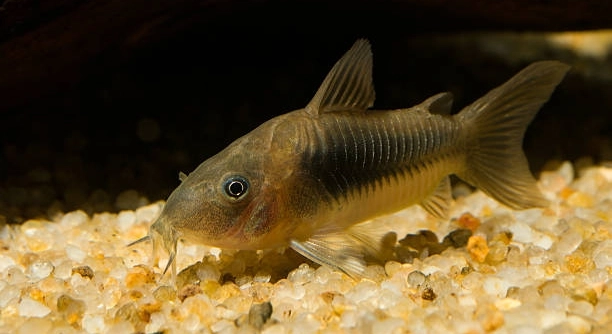
Corydoras catfish are popular aquarium pets loved for their peaceful nature and fun personalities. However, small mistakes can affect their health and lifespan. It’s important to understand how to care for them properly to ensure they thrive.
Several common mistakes can shorten the lifespan of your Corydoras catfish. Improper water conditions, inadequate diet, overcrowding, and neglecting regular tank maintenance can all contribute to their decline. Paying attention to these factors can significantly improve their health and longevity.
Understanding these mistakes can help you avoid harmful habits and create a better environment for your Corydoras catfish. By making a few simple adjustments, you can ensure they live a long and healthy life.
Mistake #1: Poor Water Quality
Water quality is a key factor in the health of your Corydoras catfish. These fish are sensitive to changes in their environment, especially in water temperature, pH levels, and ammonia levels. If the water quality is poor, it can lead to stress, illness, and a reduced lifespan. Make sure to test the water regularly and perform water changes as needed. Even a small fluctuation in water quality can harm your fish, so it’s crucial to stay on top of it.
Keeping the water clean doesn’t have to be hard. A good filtration system will help, but you must still perform partial water changes to remove waste and toxins. Regular testing helps you monitor any changes in the water that may not be visible. In addition, avoid overfeeding your fish, as uneaten food will decay and pollute the water.
Proper filtration and regular water changes are essential to maintaining the health of your Corydoras. If the water isn’t kept clean and stable, they may suffer from skin lesions, weakened immune systems, and even early death. Always prioritize water quality for their well-being.
Mistake #2: Overcrowding the Tank
Adding too many fish to the tank can cause stress and health issues. Corydoras need space to move around and explore their environment. When a tank is overcrowded, there isn’t enough room for them to swim comfortably. This can lead to aggression, poor water quality, and an increased risk of disease.
Overcrowding also puts a strain on the filter, making it harder to maintain good water quality. A cramped tank will increase the waste and toxins in the water, which can directly affect the health of your fish. Keeping the tank at an appropriate stocking level ensures that each fish has enough space to thrive.
A good rule of thumb is to provide at least 10 gallons of water for every 5-6 Corydoras catfish. A spacious tank will help prevent stress and allow your fish to live longer, healthier lives. Always be mindful of how many fish are in your tank.
Mistake #3: Incorrect Diet
Feeding your Corydoras the wrong food can lead to health issues. These fish are bottom feeders, which means they prefer sinking pellets and other foods designed for them. If you feed them food meant for surface feeders, they might not get the proper nutrition they need to stay healthy.
Overfeeding is another common mistake. Corydoras are small fish and don’t require large amounts of food. If you overfeed, the leftover food will rot in the tank, causing water quality issues and stressing your fish. Sticking to the right amount of food is important for their overall health.
A varied diet will keep your Corydoras healthy and active. You can feed them sinking pellets, frozen foods like bloodworms or brine shrimp, and occasional vegetables like blanched spinach. Always ensure the food is appropriate for bottom feeders and monitor how much your fish eat to avoid waste buildup.
Mistake #4: Lack of Proper Tank Maintenance
Regular tank maintenance is essential for your Corydoras catfish’s health. Without proper upkeep, algae can grow, the water can become dirty, and harmful bacteria can thrive. Performing regular cleaning and water changes ensures that your fish stay in a healthy, stable environment.
Cleaning the tank doesn’t mean just scrubbing the walls or changing the filter. You should also clean the substrate where waste can accumulate. Vacuuming the bottom of the tank regularly will help keep the environment clean. If left unchecked, waste buildup can lead to poor water quality, which is harmful to your Corydoras.
Another key aspect of tank maintenance is ensuring the filter is running properly. It’s not just about removing visible debris; a good filter keeps toxins and harmful bacteria at bay. Make sure to clean the filter regularly to avoid clogging and reduced water flow.
Mistake #5: Incompatible Tankmates
Corydoras catfish are peaceful, but they don’t always do well with aggressive or overly active tankmates. Choosing the wrong companions can cause stress, leading to poor health and a shorter lifespan. It’s best to keep them with calm, peaceful species.
Avoid keeping Corydoras with large, fast-moving fish that might outcompete them for food or chase them around. Even if the larger fish aren’t aggressive, their speed and size could stress your Corydoras, causing health issues. Select tankmates that have similar temperaments and won’t bully or crowd your catfish.
Community fish like tetras, rasboras, and guppies are often a good match for Corydoras, as they tend to be peaceful and not overly active. However, it’s important to keep an eye on interactions to ensure there’s no bullying or competition.
Mistake #6: Sudden Environmental Changes
Corydoras catfish are sensitive to sudden changes in their environment. Abrupt shifts in water temperature, pH, or even lighting can stress them out and weaken their immune systems. Avoid making quick changes to the tank that could upset their balance.
It’s important to introduce any changes gradually, whether it’s adjusting the water temperature or switching the filter media. If you must make changes, give your Corydoras time to adjust. Making drastic changes too quickly can lead to shock, disease, or even death.
Mistake #7: Ignoring Stress Signals
Corydoras are quite good at hiding stress, but they do show signs when something’s wrong. If they’re swimming erratically, staying at the surface, or becoming lethargic, it’s a sign they’re stressed or unwell. Ignoring these signals can shorten their lifespan.
If you notice any unusual behavior, take immediate action to identify and resolve the cause. Check water quality, ensure tankmates are not being aggressive, and make sure the environment is stable. Healthy Corydoras will be active and social, so look out for any signs of distress.
FAQ
How often should I change the water in my Corydoras tank?
You should change 20-30% of the water in your Corydoras tank every 1-2 weeks. This helps maintain good water quality by removing waste, excess nutrients, and harmful chemicals that build up over time. However, if you have a heavily stocked tank or notice poor water conditions, more frequent changes may be necessary. Always use a water conditioner to treat tap water and check that the temperature of the new water matches the tank’s to avoid shocking your fish.
Can Corydoras live in a tank without a filter?
While Corydoras can survive in a tank without a filter, it is not recommended for their long-term health. A filter helps remove debris, waste, and harmful substances from the water, keeping the environment clean. Without a filter, water quality can deteriorate quickly, leading to stress and illness. If you choose not to use a filter, you will need to perform more frequent water changes and monitor water conditions carefully.
What is the best temperature for Corydoras catfish?
Corydoras catfish thrive in water temperatures between 72-78°F (22-26°C). Keeping the temperature within this range ensures that they remain active and healthy. Temperatures that are too low can slow their metabolism, making them more vulnerable to diseases, while temperatures that are too high can cause stress and oxygen depletion. Always use a reliable aquarium heater to maintain stable water temperatures.
Can Corydoras eat vegetables?
Yes, Corydoras can eat vegetables, but they should be offered in moderation. Some suitable vegetables for Corydoras include blanched spinach, zucchini, cucumber, and peas. These foods provide additional nutrients, especially fiber, which aids in digestion. However, vegetables should be softened (by blanching) to make them easier for Corydoras to eat. Always remove uneaten vegetable pieces from the tank to avoid water pollution.
How many Corydoras should be kept together?
Corydoras are social fish and should be kept in groups of at least 4-6 individuals. Keeping them in small groups helps reduce stress and encourages natural behaviors like foraging and schooling. Larger groups are even better, as it provides a more secure and active environment. Avoid keeping a single Corydoras, as they may feel isolated and stressed.
Are Corydoras catfish good for beginners?
Yes, Corydoras catfish are a great choice for beginner aquarium keepers. They are hardy, easy to care for, and adaptable to various water conditions. Corydoras are also peaceful and don’t require complex tank setups, making them suitable for small and medium-sized aquariums. However, it’s still important to ensure you maintain proper water quality and provide them with the right food and tankmates.
Why is my Corydoras staying at the surface of the tank?
If your Corydoras is staying at the surface, it could be due to low oxygen levels in the water, poor water quality, or high temperatures. Corydoras may come to the surface to gulp air if there’s not enough dissolved oxygen. Check the water parameters, ensure your tank is adequately aerated, and perform a water change to improve conditions. If the issue persists, consider adding an air pump or improving tank circulation.
Can Corydoras live with other species of catfish?
Yes, Corydoras can generally live with other species of catfish, as long as they are peaceful and have similar care requirements. Avoid keeping them with large or aggressive catfish species that may outcompete them for food or bully them. Some other peaceful catfish species, like Otocinclus or Bristlenose Plecos, can make good tankmates for Corydoras.
How long do Corydoras catfish live?
Corydoras catfish typically live 5-10 years, though some individuals can live longer if they are kept in optimal conditions. Their lifespan is largely influenced by factors such as water quality, diet, tankmates, and overall care. Regular water changes, a proper diet, and maintaining a stress-free environment can help your Corydoras live a long and healthy life.
What should I do if my Corydoras seems sick?
If your Corydoras shows signs of illness, such as faded colors, loss of appetite, abnormal swimming behavior, or lesions, first check the water quality. Poor water conditions are often the cause of health issues. Perform a water change, test the water parameters, and address any imbalances. If the fish’s condition doesn’t improve, consult with an aquarium veterinarian to diagnose and treat the illness.
Can Corydoras live with shrimp?
Yes, Corydoras can live with shrimp, such as cherry shrimp or ghost shrimp, as long as the shrimp are not too small. Corydoras will typically leave shrimp alone, as they focus on scavenging food from the substrate. However, very small shrimp could become potential food for the Corydoras, so it’s best to choose medium-sized shrimp species to keep in the same tank.
What are the signs of a happy Corydoras?
A happy Corydoras is usually active and social, swimming around the bottom of the tank in groups. They will display natural foraging behavior, digging in the substrate for food, and may occasionally interact with tankmates. Healthy Corydoras should have bright, vibrant colors and appear alert. If your fish is constantly hiding, lethargic, or not eating, it could be a sign of stress or illness.
How do I know if my Corydoras is stressed?
Stressed Corydoras may show signs like rapid or erratic swimming, staying at the surface more than usual, or hiding for extended periods. Other stress indicators include faded colors, loss of appetite, or rubbing against objects in the tank. If you notice these behaviors, check water quality, temperature, and tankmates, as these factors could be contributing to their stress.
Final Thoughts
Caring for Corydoras catfish can be a rewarding experience, but it’s important to remember that their health and well-being depend on the environment you create for them. Ensuring they have clean, stable water, proper tankmates, and the right diet can make a significant difference in how long they live and how healthy they remain. Small mistakes, such as improper water conditions or overcrowding, can lead to serious health problems and shorten their lifespan. By taking the time to monitor their tank and respond to any signs of distress, you can help your Corydoras thrive.
One of the easiest ways to ensure your Corydoras live a long life is by maintaining good water quality. Regular water changes, using a reliable filter, and keeping an eye on the temperature are all essential to their health. Remember that Corydoras are bottom dwellers and benefit from a well-maintained substrate where they can naturally forage for food. Overfeeding or feeding the wrong type of food can also lead to water pollution, which can stress your fish. Providing them with a balanced diet of sinking pellets and occasional treats like vegetables can support their overall health and prevent common problems.
Lastly, always remember that Corydoras are social creatures. Keeping them in small groups or with compatible tankmates helps reduce stress and allows them to feel secure. Stress is one of the biggest factors that can negatively impact their health. Avoiding sudden changes to their environment and making sure their tank is not overcrowded are key points to keeping them happy. With the right care and attention, Corydoras catfish can be a joyful addition to your aquarium for many years. By preventing common mistakes and being mindful of their needs, you ensure that your fish will not only survive but thrive in their aquatic home.

Hello,
If you enjoy the content that we create, please consider saying a "Thank You!" by leaving a tip.
Every little bit helps us continue crafting quality advice that supports the health, happiness, and well-being of pets around the world, for pets of all shapes, sizes, and species.
We really appreciate the kindness and support that you show us!