
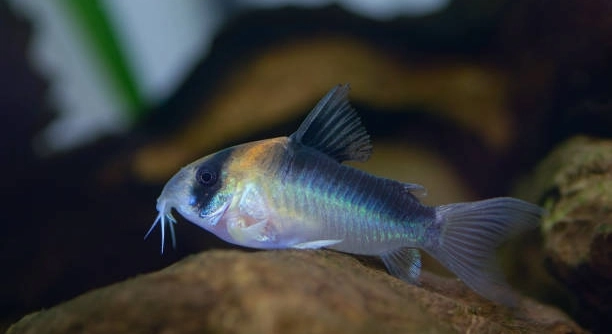
Is your Corydoras catfish constantly hiding in the filter, making you wonder if something might be wrong in their tank setup?
The most common reason your Corydoras catfish hides in the filter is due to stress, often caused by poor water conditions, aggressive tank mates, or insufficient hiding spots. Addressing these factors can improve their behavior.
Understanding the causes behind this behavior can help you make the right changes to support a healthier, safer environment for your fish.
1. Poor Water Quality
Corydoras are sensitive to water conditions, and even small changes can cause stress. Ammonia or nitrite spikes, low oxygen levels, or unbalanced pH levels often push them to seek shelter in areas like the filter, where they feel safer. These fish thrive in clean, well-aerated tanks with stable parameters. A sudden shift in temperature or a lack of regular water changes can be enough to make them uncomfortable. When this happens, they might hide for long periods. Regular testing and maintenance help create a safe environment where your Corydoras can feel comfortable enough to explore the tank freely. Keep in mind that what seems minor to us—like skipping a water change—can feel much more intense for a small fish. They are especially vulnerable to poor upkeep and will quickly retreat if something feels off to them. Addressing water quality early can make a big difference in their behavior.
A simple fix is to test your water regularly, stick to a cleaning routine, and make sure your filter is working properly.
If your Corydoras are hiding in the filter, start by checking the ammonia, nitrite, nitrate, and pH levels. Even mild changes can impact their comfort. Aim to maintain soft, slightly acidic to neutral water, and avoid temperature swings. Clean gravel regularly, as waste builds up quickly in the substrate. A good habit is to do 25–30% water changes each week, especially if your tank is small or heavily stocked. Make sure there is enough water movement for oxygen exchange, but not too much current. Keep an eye on the tank thermometer, and consider using a heater to stabilize the temperature. If you notice improvement after correcting the water, it’s likely that poor quality was causing the issue.
2. Aggressive Tank Mates
Corydoras are peaceful and shy by nature, so they don’t do well with pushy or aggressive fish.
When kept with species that chase, nip, or constantly compete for food, Corydoras often retreat to the filter area. It’s their way of getting away from stress. Over time, constant harassment can lead to a drop in their health. Even fast-swimming fish that aren’t intentionally aggressive can cause problems if they overwhelm your Corydoras during feeding. These bottom dwellers need calm and gentle companions. If your Corydoras are spending most of their time out of sight, it’s worth taking a closer look at their tank mates. Some species may not seem harmful at first but can become territorial over time or at feeding time. It’s important to know the behavior of each fish you introduce. Stick with other peaceful bottom dwellers or mid-level swimmers that won’t bother them. Creating more hiding places can also help, but choosing the right tank mates is the best long-term solution.
3. Not Enough Hiding Spots
When a tank lacks proper hiding places, Corydoras often turn to the filter as a last resort. They prefer staying close to the bottom and feel safe when they can tuck into small, shaded areas.
Driftwood, plants, and small caves can make a huge difference in helping your Corydoras feel secure. They naturally seek cover when they feel exposed or threatened, even in peaceful tanks. If the layout doesn’t provide enough shaded areas or crevices, they’ll pick whatever space they can find—even if that means squeezing behind the filter. Spread decorations across the tank to create zones they can claim. Using live plants like Java fern or Anubias can help break up the open space and offer better protection. Even small changes to your layout can lead to noticeable behavior shifts. When Corydoras feel safe, they come out more often and explore instead of hiding all day.
Make sure hiding spots are placed in areas with low current and soft substrate nearby. Avoid sharp decorations or rough rocks that could damage their barbels or soft fins. Stack smooth stones or use dedicated aquarium decor designed for bottom dwellers. Keep a variety of shelters so each fish can have its own space if needed. This lowers the chance of stress and keeps them from competing over the same hiding spot. If you notice them spending all their time near the filter, try rearranging your tank to offer new, more suitable options. Over time, they’ll begin choosing those over the filter space, especially if the environment feels balanced and safe.
4. Strong Water Flow
Corydoras are not built to handle strong water flow for long periods. If the current in your tank is too powerful, they’ll retreat to low-flow areas, which often include behind or inside the filter.
Powerful filters or improperly placed circulation pumps can create strong currents that push your Corydoras around. While they enjoy a gentle flow, too much water movement stresses them out. The filter might seem like a safer spot simply because it provides a break from the current. Adjust your outflow to point toward a wall or use a sponge filter, which gives better control over the flow. Adding decor to block or slow down water movement also helps create calmer spots near the bottom where Corydoras prefer to rest. Observe their behavior during feeding or while resting—if they constantly swim against the current or look uneasy, the flow is likely too strong.
To fix this, start by adjusting your filter’s flow setting, if available. Many hang-on-back or canister filters have adjustable nozzles or flow controls. Try angling the outflow toward a tank wall or using a pre-filter sponge to diffuse the current. Adding live plants or decorations in front of the outflow can help slow things down as well. If you use powerheads, make sure they’re placed higher up and aimed away from the bottom. Keep an eye on your Corydoras after making changes—they should begin acting more relaxed and spending more time exploring the tank floor. Too much flow can wear them out, so creating a calmer space is key for their comfort.
5. Tank Is Too Bright
Corydoras prefer dim lighting and often avoid areas that feel too exposed. If your tank light is too strong or left on for too long, they’ll seek out shaded areas like the filter to escape it.
Adding floating plants or adjusting your light schedule can help reduce brightness. Corydoras feel more comfortable in softer, indirect lighting. Creating darker zones in the tank gives them safe areas to rest and encourages more natural behavior.
6. Illness or Stress
Sometimes Corydoras hide because they’re not feeling well. Illness, injury, or general stress can cause them to retreat into small spaces, like behind the filter. Look for signs such as clamped fins, lack of appetite, or sluggish movement. These are signals something may be wrong internally.
Quarantine new fish before adding them to the tank to avoid spreading disease. Check the water quality, and observe your Corydoras closely. If one is acting differently from the rest, consider isolating it to monitor its health. Hiding is sometimes the first noticeable sign that something is off. Acting early can help prevent larger problems later.
7. New Environment
Corydoras often hide more when they’re new to a tank. This is a normal response as they adjust to unfamiliar surroundings, sounds, and tank mates. With time and proper care, they usually become more active and visible.
FAQ
Why do Corydoras catfish hide more during the day?
Corydoras are naturally more active during low light hours. They tend to rest or hide during the brightest part of the day, especially if the lighting in the tank is too intense or if the tank lacks shaded spots. Adding floating plants or adjusting your light schedule can help. If your tank has a consistent lighting cycle and they’re still hiding, it might be a sign they don’t feel secure in their surroundings. Creating more hiding spots and reducing stressors like aggressive tank mates can help them feel safe enough to come out more often.
Is it okay if my Corydoras spends all day in the filter?
No, it’s not ideal. While they may go there occasionally to rest or avoid something, staying in the filter constantly can be a sign of stress or discomfort. It usually means something is off with the tank setup—strong water flow, poor water quality, or tank mates that make them feel unsafe. You’ll want to address these issues as soon as possible. A healthy, comfortable Corydoras should spend time actively foraging along the substrate and interacting with other tank mates if kept in a group.
Do Corydoras need to be in groups to feel safe?
Yes, Corydoras are social fish and feel more secure when kept in groups of at least 5–6. In smaller numbers, they may feel vulnerable and hide more often. When kept in a proper-sized group, they tend to be more active and display natural behaviors like schooling and foraging together. Being alone or in a pair can cause them to be more skittish and stressed. If you’ve noticed a lone Corydoras hiding constantly, consider adding more of the same species to help them feel at ease.
Can loud noises outside the tank stress my Corydoras?
Yes, loud or sudden noises can definitely stress them out. Vibrations from speakers, slamming doors, or nearby construction can travel through the water and make them feel uneasy. They might respond by darting away quickly or hiding behind the filter for long periods. Try placing your aquarium in a quieter part of your home and avoid placing it near loud electronics or constant foot traffic. Giving them a peaceful space helps them settle and reduces their need to hide.
How long should I wait before worrying about a new Corydoras that hides a lot?
It’s normal for new Corydoras to hide for the first few days or even a week while adjusting to a new tank. If water parameters are good and they’re eating, this behavior should pass as they settle in. However, if the hiding continues for more than a week, and you notice signs of stress or illness, it’s worth checking the tank conditions and setup. Make sure they’re not being harassed and that they have a group for comfort. Minor changes can go a long way.
Will a sponge filter help stop my Corydoras from hiding?
Yes, sponge filters are a good option for Corydoras tanks. They provide gentle filtration with less current, which suits their calm nature. They also double as a surface for beneficial bacteria and won’t create areas of strong flow that might push your Corydoras into hiding. If your current filter is too strong or lacks soft spots, switching to a sponge filter or adding one can improve their comfort. It’s also a good idea to angle other filter outputs away from the bottom or place decorations to soften the flow.
Can a change in decor cause Corydoras to start hiding again?
Absolutely. Corydoras are sensitive to their surroundings, and any major change can unsettle them. Rearranging the tank, changing substrate, or removing familiar hiding spots might lead to them retreating more than usual. Give them time to adjust, and try to keep some familiar elements in the tank when making changes. Also, ensure you still have enough shaded or sheltered areas for them to feel secure. Once they get used to the new layout, they usually return to normal activity levels.
Final Thoughts
Corydoras catfish are peaceful and gentle bottom dwellers that thrive in calm, well-maintained environments. When they start hiding in the filter, it’s usually their way of saying something isn’t quite right. It might be the water quality, tank setup, bright lighting, or stressful tank mates. While it can seem like strange behavior, it often has a clear cause. Taking time to observe their actions and check all the basics—like water parameters, lighting, and tank layout—can help you spot and fix the problem. These small fish can be sensitive, but they respond well to the right care and attention.
If your Corydoras is hiding, it doesn’t always mean something serious is wrong, but it’s still important not to ignore it. Their behavior gives clues about how they feel in their environment. Hiding can also be linked to illness or stress, especially if it happens suddenly or is paired with other signs like poor appetite or clamped fins. When kept in groups, with proper shelter and soft lighting, Corydoras tend to become more active, social, and curious. Making a few small changes in the tank can lead to big improvements in how comfortable they feel. It’s all about creating a balanced space that suits their nature.
Watching your Corydoras come out of hiding, sift through the sand, and swim in little groups is one of the best parts of having them. It shows they feel safe and healthy in their home. With regular maintenance, careful stocking, and a peaceful setup, these fish will reward you with calm and steady behavior. If you notice changes, it’s worth taking a closer look at your tank setup. Most of the time, the reasons behind hiding are easy to fix once you know what to look for. A stress-free Corydoras is a happy one—and that’s the goal.

Hello,
If you enjoy the content that we create, please consider saying a "Thank You!" by leaving a tip.
Every little bit helps us continue crafting quality advice that supports the health, happiness, and well-being of pets around the world, for pets of all shapes, sizes, and species.
We really appreciate the kindness and support that you show us!