
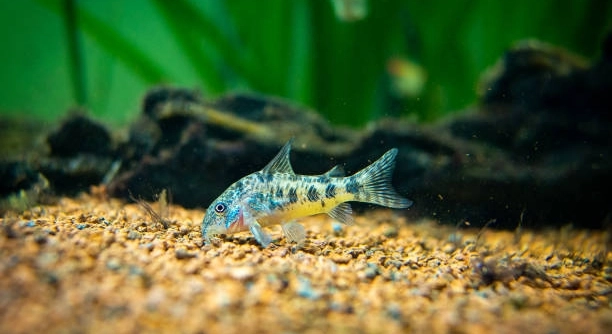
Corydoras catfish are known for their peaceful nature, but if you’re noticing a lack of activity, it’s time to take action. Many factors can contribute to their inactivity, but there are ways to help them become more active.
To increase the activity of your Corydoras catfish, ensure they have a well-maintained tank with clean water, proper temperature, and ample hiding spots. Additionally, offering varied, nutritious food can stimulate their natural behavior, making them more energetic and engaging.
Improving your catfish’s environment can make a noticeable difference in their energy levels and overall behavior.
Proper Tank Environment
Creating the right tank environment is key to improving the activity level of your Corydoras catfish. The water quality should be pristine, with stable parameters such as pH, temperature, and hardness. Corydoras thrive in water temperatures between 72°F and 78°F. A sudden change in temperature or poor water quality can cause them to become lethargic. It’s essential to perform regular water changes to maintain a healthy environment. Additionally, avoid high water flow, as these fish prefer calm, slow-moving waters. The right setup will encourage your catfish to feel secure, prompting them to move around more.
Use a filtration system that is gentle enough not to disturb the tank’s calmness but efficient enough to keep the water clean. Placing hiding spots, such as rocks or plants, will also make your Corydoras feel more comfortable. These features can help create an environment that mimics their natural habitat, motivating them to be more active.
When you maintain the right conditions, your catfish will have the confidence to explore their surroundings more frequently.
Proper Nutrition
The right diet plays a major role in your Corydoras’ activity levels. Offer a variety of food options to keep them engaged.
Corydoras are bottom-dwellers, so provide sinking pellets that are specifically formulated for catfish. These pellets are designed to provide essential nutrients, helping to increase their energy levels. You can also supplement their diet with occasional frozen or live foods such as brine shrimp or bloodworms. These additions not only improve their diet but also stimulate natural hunting behavior. In addition to these, offering fresh vegetables like zucchini or spinach provides a healthy alternative and further engages your catfish. Just make sure to remove uneaten food promptly to maintain water quality. A varied and nutritious diet will help your Corydoras feel more energetic and active, encouraging them to explore more often.
Tank Mates
Choosing the right tank mates is important for encouraging your Corydoras to remain active. They do best with peaceful, non-aggressive fish that won’t compete for food or territory. If kept with overly aggressive species, Corydoras can become stressed and less active.
Corydoras enjoy being in groups, so keeping a small school of them can help encourage their natural behavior. When they are surrounded by others of their kind, they are more likely to explore and interact with their environment. Adding tank mates like tetras, guppies, or peaceful barbs ensures a harmonious atmosphere that reduces stress. This peace can help increase their activity levels.
Avoid placing Corydoras with large, aggressive fish or those that may eat them. Keeping a peaceful community tank will lead to more active Corydoras, as they feel safe to move around.
Regular Water Changes
Regular water changes are one of the most important steps in maintaining an active Corydoras catfish. These fish thrive in clean, well-oxygenated water, and poor water quality can make them sluggish and less willing to explore.
Performing a 25-30% water change every week helps remove excess nutrients and waste, keeping the water fresh and oxygen-rich. Use a gravel vacuum to ensure that debris is removed from the substrate, where Corydoras like to forage. Clean water helps regulate their behavior and makes them more likely to move around and interact with their environment.
In addition to improving their physical health, clean water reduces the risk of stress, keeping your Corydoras feeling comfortable and more active. A clean tank encourages them to stay engaged and maintain healthy routines.
Hiding Spots
Corydoras catfish need hiding spots to feel secure. They are naturally shy and enjoy exploring areas where they can retreat when feeling stressed. Providing these hiding places encourages activity.
Add driftwood, caves, or dense plants to create areas where your Corydoras can hide and feel safe. These elements should be placed in a way that allows for easy movement around the tank. A variety of hiding spots will help them feel comfortable enough to swim more, increasing their activity levels. A well-decorated tank offers them more chances to explore and behave naturally.
Substrate Type
The substrate you choose for your tank impacts how active your Corydoras are. They are bottom dwellers and enjoy foraging through the substrate in search of food.
Opt for soft, fine gravel or sand as substrate. This allows Corydoras to dig and search without injuring themselves, which is vital for their natural behavior. Rough or sharp substrates can cause damage to their sensitive barbels, leading to inactivity or stress. A soft substrate mimics their natural environment and helps them stay active, searching for food. Additionally, it encourages natural digging and scavenging habits, keeping them engaged and energetic.
Tank Size
Tank size directly affects the activity levels of your Corydoras. A cramped space can lead to stress and reduced movement.
Ensure your tank is large enough to accommodate at least six Corydoras comfortably, with ample space for swimming and foraging. A 20-gallon tank is a good starting point for a small group, providing enough room for them to explore. When the fish have space to move around, they are more likely to stay active and healthy. A larger tank also allows you to add more hiding spots and tank mates, both of which can boost their activity levels. A spacious tank promotes better swimming and foraging, encouraging natural behaviors.
FAQ
What should I do if my Corydoras is not eating?
If your Corydoras is not eating, first check the water quality. Poor water conditions can cause them to lose interest in food. Ensure the temperature is within their preferred range and that the pH and hardness are stable. If the water is fine, observe whether other fish are bullying them or eating their food. Corydoras are bottom dwellers, so they might need sinking pellets to access food. Try offering a variety of foods, such as live or frozen brine shrimp, bloodworms, or finely chopped vegetables. If they still refuse to eat, it may be worth consulting an aquarium vet to rule out illness.
How often should I feed my Corydoras catfish?
Corydoras should be fed once or twice a day, offering only as much food as they can consume in a few minutes. Overfeeding can lead to water quality issues and affect their health. It’s important to remove any uneaten food after feeding to avoid it decomposing in the tank. You can vary their diet to include sinking pellets, live or frozen food, and vegetables. Providing different types of food keeps them engaged and encourages more active foraging behavior.
Can Corydoras live with other fish?
Yes, Corydoras are peaceful and can live with many other fish species. They do best with non-aggressive tank mates such as tetras, guppies, or peaceful barbs. Avoid keeping them with larger or more aggressive species that might stress them out. Corydoras are bottom feeders and tend to stay near the substrate, so make sure they have enough space to forage. A peaceful community tank will help reduce stress, leading to a more active Corydoras.
Why is my Corydoras hiding so much?
Corydoras tend to hide when they feel stressed or unsafe. If your Corydoras is hiding excessively, check the water quality and temperature, as poor conditions can cause stress. Ensure the tank is well-decorated with hiding spots but also plenty of open areas for swimming. If you have other fish that are bullying or competing for food, this could also cause stress. Corydoras are more active when they feel secure, so creating a peaceful environment can help reduce hiding behaviors. If they continue to hide despite good conditions, monitor them for signs of illness.
How do I know if my Corydoras catfish is healthy?
A healthy Corydoras catfish will have smooth, unblemished skin and active swimming behavior. They should be swimming around the bottom of the tank, foraging for food, and occasionally interacting with tank mates. Their barbels (whisker-like appendages) should be intact, as damaged barbels can affect their feeding ability. Healthy Corydoras are usually active at night, as they are nocturnal. If your fish shows signs of lethargy, abnormal swimming, or loss of appetite, it may indicate illness. In such cases, it’s best to check water parameters and, if necessary, seek advice from an aquarium vet.
Can Corydoras live in a tank without a filter?
While it is possible for Corydoras to live in a tank without a filter, it’s not ideal. Filters help maintain water quality by removing debris and harmful toxins. Corydoras are sensitive to poor water quality, and without proper filtration, the water may quickly become toxic, causing stress and health issues. If you choose not to use a filter, you will need to perform more frequent water changes to ensure the water stays clean. However, a gentle filter will provide better water movement and oxygenation, contributing to a healthier environment for your Corydoras.
What size tank is best for Corydoras catfish?
A minimum of 20 gallons is recommended for a small group of Corydoras catfish. The tank should provide enough space for the fish to swim freely and forage for food. Corydoras prefer being in groups, so consider keeping at least six together. A larger tank not only gives them more space to move around but also allows for better water quality management. More room also lets you add additional hiding spots, plants, and tank mates without overcrowding, which can help keep your Corydoras more active.
Do Corydoras need a heater?
Yes, Corydoras catfish thrive in temperatures between 72°F and 78°F. If your home’s temperature fluctuates or drops below this range, using a heater is important to maintain the right conditions for them. A stable water temperature is essential for their health and activity levels. Avoid temperature fluctuations, as sudden changes can stress Corydoras, causing them to become lethargic. Always monitor the temperature with a reliable thermometer to ensure it remains within the optimal range.
Why do Corydoras swim at the surface sometimes?
While Corydoras are typically bottom-dwellers, they may swim to the surface for a few reasons. If they’re at the surface too often, it may indicate low oxygen levels in the tank. This can happen if the water is too warm or if there is insufficient water movement. If this behavior persists, ensure that the tank is properly aerated, either with a filter or air pump. Additionally, Corydoras may swim to the surface if they are looking for food. However, excessive surface swimming may be a sign of stress or poor water quality, so it’s worth checking the tank conditions.
Can Corydoras breed in a home aquarium?
Yes, Corydoras can breed in a home aquarium under the right conditions. To encourage breeding, replicate the rainy season by lowering the water temperature slightly and performing a large water change with cooler water. This can trigger spawning. Female Corydoras will lay their eggs on smooth surfaces like plants, decorations, or tank walls. Males will fertilize the eggs, which hatch in a few days. The baby catfish, called fry, will need to be fed fine foods like infusoria or powdered baby fish food until they grow large enough to eat normal fish food.
How do I know if my Corydoras catfish is stressed?
Stressed Corydoras will often exhibit signs like excessive hiding, loss of appetite, and erratic swimming patterns. They may also stop interacting with other fish or the environment. Stress can be caused by poor water quality, high tank temperature, bullying from other fish, or an inadequate environment. If your Corydoras is showing signs of stress, check the water parameters and ensure the tank is not overcrowded. Providing hiding spots and peaceful tank mates can help reduce stress. If the stress persists, it may be necessary to seek professional advice.
Final Thoughts
Corydoras catfish are peaceful and active fish that thrive in a well-maintained tank. Ensuring they are kept in proper conditions can significantly improve their health and activity levels. A spacious tank with appropriate water quality, temperature, and substrate is essential for their well-being. Corydoras are bottom dwellers and benefit from hiding spots, which give them a sense of security. A tank setup that allows for natural behaviors like foraging and swimming will encourage more activity, making them more engaging to watch.
Feeding your Corydoras a varied diet is another key factor in their overall health. While they can eat standard fish pellets, they will also enjoy live or frozen foods, such as bloodworms, brine shrimp, or daphnia. Adding occasional vegetables like blanched zucchini or peas can diversify their diet and keep them interested. Feeding them in moderation is also important to avoid overfeeding, which can harm both your fish and the water quality. Offering sinking pellets or foods that allow them to forage will encourage their natural behavior and increase their activity level.
Finally, creating a peaceful tank environment with compatible fish is crucial. Corydoras are social creatures and prefer being in groups of at least six, as this helps reduce stress and promotes natural behavior. Tank mates should be peaceful, as overly aggressive fish can cause distress and decrease activity. Regular water changes, proper filtration, and monitoring of tank conditions will help ensure a healthy and active environment for your Corydoras. With the right care, these catfish will be an active and charming addition to your aquarium.

Hello,
If you enjoy the content that we create, please consider saying a "Thank You!" by leaving a tip.
Every little bit helps us continue crafting quality advice that supports the health, happiness, and well-being of pets around the world, for pets of all shapes, sizes, and species.
We really appreciate the kindness and support that you show us!