
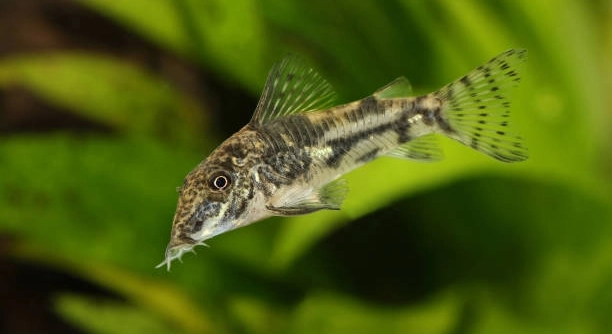
Are your Corydoras catfish looking less active or showing signs of stress after feeding them something new from your kitchen?
Feeding Corydoras catfish the wrong foods can lead to serious health issues, including digestive problems, poor water quality, and even shortened lifespan. It is important to understand which foods are unsafe to keep your fish healthy.
Some items may seem harmless, but they can harm your fish more than you think. Here’s what you need to avoid.
Bloodworms in Excess
Corydoras catfish enjoy bloodworms, but too much can cause problems. While they are high in protein, feeding them too often leads to imbalanced nutrition. Corydoras need a more varied diet, including sinking pellets and vegetables. Bloodworms should be considered an occasional treat rather than a staple. Too many can also cause digestive stress, especially if they are freeze-dried or not properly hydrated. Uneaten worms may pollute the tank and affect water quality. Feeding a small amount once or twice a week is enough. Always monitor your fish’s activity and appetite after introducing protein-rich snacks.
Feeding too many bloodworms may cause constipation, bloating, or water contamination. A proper schedule helps avoid these problems.
Bloodworms can be helpful, but moderation is key. If your Corydoras eat too much protein, they may become sluggish or prone to health issues. Try pairing bloodworms with other options like blanched zucchini or sinking algae wafers. A healthy diet supports their immune system and keeps them active. Watch your tank closely after feeding to ensure no leftovers are left behind. This can help keep ammonia levels low and reduce stress on the fish. A balanced diet makes a noticeable difference in their energy and behavior, even after just a few days of adjustment.
Raw Vegetables
Raw vegetables are difficult for Corydoras to digest. Hard textures can stress their digestive system and cause uneaten pieces to decay, which affects the water quality quickly.
Vegetables should always be blanched or softened before adding them to the tank. Raw pieces are often too tough, especially for smaller Corydoras species. Blanching not only makes the texture easier to eat, but also helps release the nutrients. Raw vegetables left in the tank can rot fast, creating bacterial growth and ammonia spikes. Zucchini, peas, and spinach are common choices but always peel and prepare them properly. Test small portions at first and observe how your fish respond. Remove any uneaten pieces within a few hours. By softening vegetables, you reduce the chance of bloating or constipation in your fish. Preparing food the right way keeps your tank cleaner and helps your Corydoras stay healthy and active with minimal stress.
Processed Meats
Processed meats are not suitable for Corydoras catfish. These items are often high in salt, fat, and preservatives, which can irritate their digestive system and pollute the tank quickly.
Feeding your Corydoras bits of sausage, ham, or deli slices can lead to bloating, poor digestion, and reduced activity. These meats often contain additives that do not break down well in water. Uneaten bits can spoil fast, creating foul smells and harmful bacteria. Even if the fish eat it, the ingredients may trigger internal issues or make them reject future meals. Corydoras do better with clean, soft, and simple foods. Stick to options made for aquarium use or gently prepared vegetables and proteins. Processed meat may appeal to them at first, but it’s not worth the risk in the long term. Clean food keeps the tank safer and the fish more comfortable.
If you’ve given them processed meat in the past, keep an eye on any signs of changes in behavior, floating, or swelling. Make sure to do a partial water change if any greasy residue or foul odor lingers after feeding. Corydoras are hardy but sensitive to poor water conditions caused by fatty or salty foods. Staying consistent with proper feedings helps their overall health.
Bread and Baked Goods
Bread may seem soft and easy to eat, but it quickly expands in water and causes digestive issues for Corydoras. It also breaks apart easily, making the tank cloudy and unstable within a short time.
Corydoras do not process yeast or high-carb foods well. When bread enters the tank, it swells up, becomes sticky, and clogs filters. It also creates an ideal space for bacteria to grow, especially when uneaten crumbs sink and hide under the substrate. These particles can cause long-term water issues. In addition, most bread contains sugar, oil, or dairy ingredients that are unsafe for fish. Even small bites can lead to bloating or refusal to eat their normal food. Avoid all types of baked goods, including crackers or biscuits, as they share the same risks. Offer simple options like sinking pellets, bloodworms in moderation, or blanched vegetables for a safer alternative that supports your fish’s health.
Cheese and Dairy Products
Corydoras catfish cannot properly digest cheese or other dairy items. These foods are high in fat and protein that break down poorly in water, creating cloudy conditions and contributing to harmful bacteria.
Even a small amount of dairy can upset their digestive system. It may cause bloating, sluggish behavior, or a loss of appetite.
Seasoned Human Food
Spices, salt, garlic, and oils used in human meals are too harsh for Corydoras catfish. These ingredients can irritate their digestive tract and skin. Even soft items like cooked vegetables become unsafe once they’ve been seasoned. Salt especially can throw off the water’s chemical balance, causing long-term harm.
Citrus Fruits
Citrus fruits like oranges or lemons are far too acidic for Corydoras catfish. Acidity can damage their digestive lining and affect tank pH quickly.
FAQ
Can Corydoras eat fruits?
Corydoras can eat small amounts of soft, non-acidic fruits, but it’s not necessary for their diet. Fruits like peeled cucumber or soft melon can be offered rarely and in tiny pieces. Always remove any leftovers quickly to prevent water pollution. Avoid acidic or citrus fruits, as these can upset the tank’s pH balance and irritate their digestive system. If you choose to offer fruit, blanch it lightly, make sure it’s seedless, and monitor how your fish react. In general, fruits should never replace their regular, balanced food.
Are boiled eggs safe for Corydoras catfish?
Boiled eggs are not recommended for Corydoras. While they are high in protein, they break apart easily in water and create a mess. Egg yolk especially can cloud the tank and rot quickly, harming water quality. In addition, the texture and fat content may be too rich for their system. If you’re looking for a soft protein treat, stick to cooked and peeled peas or tiny amounts of blanched fish-safe vegetables instead. Fish food designed for bottom feeders provides much better nutrition without the mess or health risks that come with offering eggs.
How often should I feed my Corydoras catfish?
Feed your Corydoras once or twice a day in small portions. They are bottom feeders, so choose food that sinks. Avoid overfeeding, as leftover food settles in the substrate and can rot. Feed only what they can finish in 2–3 minutes. Overfeeding leads to cloudy water, ammonia spikes, and stress. Skip a day once a week to help with digestion and keep the tank clean. Keeping a regular schedule and watching their behavior during meals helps you gauge how much is enough. If food is left untouched, reduce the portion next time.
Can Corydoras eat meat from the fridge like chicken or beef?
It’s best not to give Corydoras any meat meant for humans. Chicken, beef, or pork—even if cooked—often contain fats, oils, or seasonings that are harmful. Even plain meat can be hard for fish to digest. Stick to aquatic-safe protein sources like frozen bloodworms, brine shrimp, or daphnia. These are easier on their system and specifically intended for aquarium fish. Human food, even if unseasoned, may cause bloating or water issues. Meats also spoil fast in the tank and attract harmful bacteria. Avoid them completely to keep your fish healthy and your tank stable.
What should I do if my Corydoras ate something bad?
If your Corydoras ate something they shouldn’t have, monitor their behavior closely. Signs of distress include gasping, sluggish swimming, bloating, or not eating. Do a partial water change right away to reduce any harmful buildup in the tank. Remove any leftover food immediately. If symptoms continue, consider isolating the fish in a clean tank with good filtration. Reduce feeding and avoid offering treats until their behavior returns to normal. Keeping water parameters stable during this time is essential. If things worsen, consult with an experienced aquarist or aquatic vet if available in your area.
Are frozen foods better than live foods for Corydoras?
Frozen foods are safer than live foods in most cases. Live foods can carry bacteria or parasites that infect fish or foul the water. Frozen foods like bloodworms, brine shrimp, and daphnia are cleaner and easier to store. Always thaw frozen food in a small cup of tank water before feeding. This helps prevent temperature shock and keeps the food from clumping. Feed in moderation, and never add frozen food directly to the tank. Frozen foods offer variety and are closer to what Corydoras would naturally eat, but they should be rotated with pellets and vegetables.
Can Corydoras eat shrimp pellets?
Yes, shrimp pellets are a good choice for Corydoras. They sink quickly and offer a mix of protein and nutrients. Make sure to choose a pellet size that’s small enough for them to nibble on easily. Some shrimp pellets may be formulated for larger fish, so always read the label. Feed only a small amount at a time. Uneaten pellets can break down and raise ammonia levels if left too long. Shrimp pellets can be rotated with algae wafers and frozen foods for a more complete diet. This helps maintain energy and healthy immune function.
Final Thoughts
Feeding your Corydoras catfish the right foods is important for their long-term health and comfort. These peaceful bottom dwellers rely on a balanced diet that supports their digestion, energy, and immune system. While it can be tempting to offer various treats or human food leftovers, not all items are safe or helpful. Foods high in fat, salt, or sugar can create problems in the tank and affect how well your Corydoras feel. Even small amounts of the wrong food can upset the tank’s balance and cause stress for your fish.
Sticking to a regular feeding routine with trusted foods like sinking pellets, frozen bloodworms, and occasional blanched vegetables is the safest approach. These options provide the nutrients your fish need without causing digestive trouble or water issues. Avoid giving them dairy, seasoned items, citrus fruits, or high-protein leftovers like meat and eggs. These foods can be hard to digest and may cause waste to build up in the tank. Clean feeding habits also help reduce the chance of illness and maintain stable water conditions.
Pay attention to how your Corydoras act after each feeding. If they stop eating, seem bloated, or move less than usual, it may be time to review their diet. Remove uneaten food, check water quality, and make changes slowly. Keeping your tank clean and your fish fed with safe, suitable food will go a long way in supporting their well-being. With a little care and the right choices, your Corydoras can live healthy lives and remain active and comfortable at the bottom of your tank.

Hello,
If you enjoy the content that we create, please consider saying a "Thank You!" by leaving a tip.
Every little bit helps us continue crafting quality advice that supports the health, happiness, and well-being of pets around the world, for pets of all shapes, sizes, and species.
We really appreciate the kindness and support that you show us!