
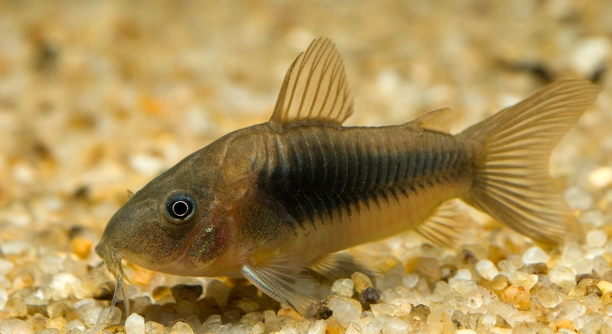
Corydoras catfish are popular aquarium pets, known for their peaceful nature and distinctive appearance. If you’re a proud owner, you may be curious about the signs of pregnancy in these small fish.
Pregnancy in Corydoras catfish is typically identified through physical changes, behavioral shifts, and subtle cues like increased size and changes in their activity. Monitoring these signs can help determine whether your fish is carrying eggs.
Recognizing the signs of pregnancy in Corydoras catfish will help you understand what to expect. Knowing these signs ensures you’re prepared to provide the best care for your pregnant fish.
Changes in Size and Shape
As your Corydoras catfish becomes pregnant, you’ll notice it gradually gaining size, especially around the abdomen. This increase is due to the developing eggs inside her. The swollen belly is often a clear indication, though it can be subtle depending on the fish’s size and condition. The shape of the body may also become rounder or more elongated as she carries the eggs.
A noticeably larger belly is one of the first signs of pregnancy. Keep an eye on your catfish’s body shape to spot changes early.
In some cases, the swelling may be quite obvious, while in others, it can be more difficult to detect. If your Corydoras is carrying eggs, it may appear slightly heavier or less active than usual. Additionally, the pelvic fins of the female may also become wider, giving a more noticeable appearance of fullness. Don’t panic if you notice only slight changes, as different fish will show varying degrees of pregnancy. Watching for other signs along with size changes will help you determine if your catfish is expecting.
Behavioral Changes
Pregnant Corydoras catfish might act differently than usual. They may spend more time hiding or swimming slowly compared to their normal energetic selves. This change in behavior is often tied to the stress of carrying eggs.
Pregnant catfish may become more secretive, preferring quiet areas in the tank.
This altered behavior can also be seen in their increased tendency to stay near the bottom of the tank. Sometimes, pregnant Corydoras will seek shelter under plants, rocks, or other decorations to find a quiet spot. This behavior helps them feel safe while they prepare for the eggs to be laid. In addition to hiding more, they may be less active when it comes to foraging for food or interacting with other fish. These signs typically appear closer to the end of the pregnancy, when the eggs are nearing release.
Changes in Coloration
Pregnant Corydoras catfish may show slight changes in color. Their body color can become darker, especially around the belly area, due to the presence of developing eggs. This darkening can sometimes be a subtle but noticeable difference. Pay attention to this shift if you’re closely monitoring your fish.
The darkening typically happens around the abdomen, where the eggs are most concentrated. It can be difficult to detect in certain lighting, but a careful inspection may reveal these changes. In some cases, the fish may appear slightly more stressed, which can also cause a slight change in coloration.
Additionally, the dark color can be more pronounced in some Corydoras species than others. For example, albino Corydoras may show a lighter, more subdued color change, while darker species may become visibly more vibrant. The degree of change can vary, but it’s generally a helpful sign that pregnancy is underway. As she nears the time to release the eggs, the color change will become more noticeable.
Increased Appetite
Pregnant Corydoras tend to have an increased appetite as they prepare to release their eggs. You may see your fish more actively searching for food or appearing hungrier than usual. This is a normal response to the energy demands of carrying eggs.
Pregnancy often leads to an uptick in food intake as the fish needs extra energy to develop the eggs. Make sure you’re offering nutritious food to meet her increased needs, but be careful not to overfeed. Too much food can harm water quality and affect both the fish and the tank environment.
While it’s normal for pregnant Corydoras to eat more, keep in mind that sudden changes in appetite can also signal stress or illness. If the increased appetite comes with other concerning symptoms, it might be worth investigating the cause further. However, if the behavior is accompanied by size changes and other pregnancy signs, you can be confident that she’s just preparing for the upcoming release. Just ensure you’re offering high-quality food and maintaining a stable environment.
Swelling Around the Vent
A noticeable swelling near the vent area of your Corydoras catfish is another key sign of pregnancy. This area may become rounder or more pronounced as the eggs develop inside. The swelling can sometimes be subtle, but it often grows more visible as the fish gets closer to releasing the eggs.
This swelling typically occurs because the eggs inside the fish are getting larger and putting pressure on the body. You’ll see the area around the vent look fuller and more rounded, which is a clear indication that the catfish is pregnant. If the swelling appears sudden or very large, it’s best to monitor her closely.
Increased Hiding Behavior
Pregnant Corydoras may begin hiding more often, especially as they near the time to lay their eggs. This behavior is instinctive and helps them avoid stress or potential danger. You might notice her seeking secluded spots or resting behind tank decorations.
This increased hiding behavior signals the fish’s instinct to protect herself and the eggs she’s carrying. It’s a good idea to ensure your tank has plenty of hiding spots like plants, caves, or decorations to make her feel secure. A peaceful environment helps her avoid stress, which can harm the pregnancy.
FAQ
How long is the pregnancy of a Corydoras catfish?
The pregnancy of a Corydoras catfish typically lasts between 2 to 4 weeks, depending on various factors like water temperature, tank conditions, and the individual fish. Warmer water can speed up the process, while cooler temperatures may slow it down. During this time, you’ll notice the signs of pregnancy gradually becoming more noticeable.
How can I tell if my Corydoras catfish is about to lay eggs?
When a Corydoras catfish is about to lay eggs, you may see her become more active in seeking out safe, quiet spots in the tank. She may swim around looking for a suitable place to lay the eggs, like plants, rocks, or decorations. The swelling around the belly and vent will be quite noticeable. Also, you might observe her moving in a specific way, rubbing against surfaces as she prepares to deposit the eggs.
Do Corydoras catfish lay eggs all at once?
No, Corydoras catfish don’t lay all their eggs at once. Instead, they release them in small batches. The fish will usually lay a few eggs at a time, which are sticky and will attach to surfaces like plants or tank decorations. It may take several hours for her to release all the eggs, depending on how many she is carrying.
Can I move my pregnant Corydoras to a separate tank?
Yes, moving your pregnant Corydoras catfish to a separate tank can be a good idea, especially if you want to protect the eggs and prevent them from being eaten by other fish. A breeding or quarantine tank provides a more controlled environment, minimizing the stress on your pregnant fish. Be sure the new tank has suitable hiding spots and calm water conditions for her comfort.
What should I feed my pregnant Corydoras catfish?
Feeding your pregnant Corydoras catfish a nutritious diet is essential during pregnancy. Offer a variety of foods, such as high-quality sinking pellets, live or frozen foods like bloodworms, and occasional plant matter. These foods provide the necessary nutrients for the fish and help her maintain her health while carrying eggs. Avoid overfeeding, as it can lead to water quality issues.
Will Corydoras catfish eat their own eggs?
It’s common for Corydoras catfish to eat their own eggs if they feel stressed or if the tank conditions are not ideal. This behavior can also happen if the eggs are left exposed for too long. To protect the eggs, you can move them to a separate tank or use a breeding box. Maintaining calm, stable tank conditions and ensuring plenty of hiding spots can also help prevent egg-eating.
How can I tell if my Corydoras catfish is carrying fertilized eggs?
The best way to tell if your Corydoras catfish is carrying fertilized eggs is by observing her behavior and appearance. If the eggs are fertilized, they will be developing inside her, and you’ll notice a significant increase in her belly size and a darker coloration. Fertilized eggs may also be visible through her translucent body, giving you a hint of what’s inside.
How do Corydoras catfish fertilize their eggs?
Corydoras catfish engage in a unique spawning behavior to fertilize their eggs. The male will chase the female and attempt to position himself next to her. He will then release sperm as the female lays her eggs. The eggs are fertilized as they are released, and the female will deposit them onto surfaces where they will remain until they hatch.
What should I do with the eggs after my Corydoras lays them?
Once your Corydoras catfish has laid her eggs, you can leave them where they are if you want the fry to hatch in the main tank. However, to protect the eggs from being eaten by adult fish, it’s better to move them to a separate breeding tank or use a breeding box. Be sure to maintain good water quality and avoid disturbances in the tank to ensure successful hatching.
How can I care for Corydoras fry after they hatch?
After the eggs hatch, you can feed the Corydoras fry specialized food like infusoria or liquid fry food. As they grow, you can gradually introduce crushed flakes or small pellets. It’s important to keep the water clean and maintain stable water conditions to ensure their survival. Protect them from larger fish, which may see the fry as food.
Can Corydoras catfish breed with other species?
Corydoras catfish can only successfully breed with other members of the same species. While there are many different species of Corydoras, they do not crossbreed with other fish types. To breed Corydoras, you need a compatible male and female of the same species in the right conditions. Different species have distinct reproductive behaviors, so it’s crucial to ensure they are paired correctly.
Final Thoughts
Understanding when your Corydoras catfish is pregnant can be an exciting experience for any aquarium owner. While the signs can be subtle, paying attention to changes in size, behavior, and physical appearance can help you determine if your fish is expecting. Watching for signs like a swollen belly, increased appetite, and hiding behavior can give you a better idea of what’s happening in the tank. Recognizing these signs early allows you to provide the best care for your pregnant fish and prepare for the arrival of baby Corydoras.
It’s important to create a calm and stable environment for your pregnant Corydoras. Stress can affect their health and the success of the eggs, so making sure the water quality remains high and offering a well-balanced diet is key. If you want to protect the eggs from being eaten by other fish, consider moving the pregnant catfish to a separate breeding tank or using a breeding box. This can help ensure a higher survival rate for the eggs and the fry once they hatch. The right environment and care will encourage a smoother breeding process.
Finally, if you’re new to breeding Corydoras or pregnant fish care in general, don’t be discouraged if things don’t go perfectly the first time. Fish breeding can sometimes be unpredictable, and not every pregnancy will result in successful egg hatching. With experience, you’ll learn how to better support your fish through the process, and you’ll have a better understanding of how to handle any challenges that come up. By staying observant and patient, you’ll help ensure your Corydoras catfish stay healthy and happy throughout their pregnancy and beyond.

Hello,
If you enjoy the content that we create, please consider saying a "Thank You!" by leaving a tip.
Every little bit helps us continue crafting quality advice that supports the health, happiness, and well-being of pets around the world, for pets of all shapes, sizes, and species.
We really appreciate the kindness and support that you show us!