
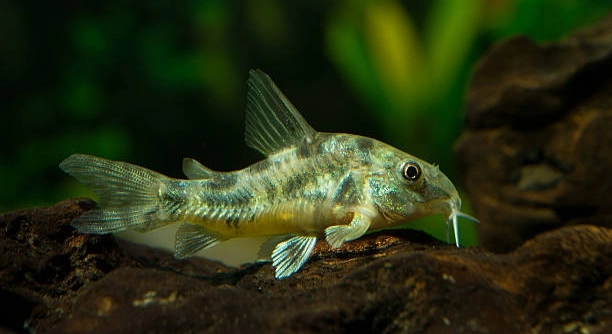
Corydoras catfish are a popular aquarium choice for many fish keepers. They are friendly and easy to care for, but maintaining the right environment is key to their well-being. One important aspect to consider is the water temperature.
Corydoras catfish do not necessarily need a heater, but they thrive in water temperatures between 72°F and 78°F. A consistent temperature range is essential for their health, as sudden fluctuations can cause stress or illness.
Keeping your Corydoras catfish in the right temperature zone is essential for their comfort. Understanding how to maintain this stability will ensure they stay healthy and happy in your aquarium.
Why Temperature Matters for Corydoras Catfish
Corydoras catfish are native to the warm waters of South America. They are adapted to stable temperatures, usually found in rivers and streams where the temperature stays relatively constant. In your aquarium, it is important to mimic these natural conditions as much as possible. If the water temperature fluctuates too much or is too cold, Corydoras can become stressed, weakening their immune system and making them more susceptible to disease. They might also stop eating or hide more often, which is not typical of their normal, active behavior. Having the right temperature helps them maintain proper digestion and energy levels. This also improves their chances of breeding if you are looking to care for them long-term.
Maintaining stable temperatures ensures your fish stay active and healthy.
Aquarium heaters are often necessary to keep the water warm enough for Corydoras, especially in cooler environments or if you live in a place with significant seasonal temperature changes. The most common heaters for freshwater aquariums are adjustable models. These can be set to the ideal range of 72°F to 78°F, which is considered perfect for Corydoras catfish. Make sure the heater you choose is the right size for your tank, as an oversized heater can overheat the water, while an undersized one may struggle to maintain a steady temperature.
How to Maintain a Consistent Temperature
A consistent temperature is just as important as the ideal range. Fluctuations, even slight ones, can cause stress.
To maintain a steady temperature, it’s essential to have reliable equipment. A good aquarium thermometer is a must-have. This helps you keep track of the water temperature daily. Place the thermometer away from the heater, so the reading isn’t affected by direct heat. You should also regularly check the heater’s performance and ensure it’s working properly. If your tank is in an area with extreme temperature changes, like near windows or air conditioners, you may want to use a temperature controller. This will prevent overheating or chilling during weather changes. Additionally, insulated tank covers can help maintain consistent warmth, especially in tanks with larger water volumes.
What Happens If the Temperature Is Too Low?
If the water temperature is too low, Corydoras catfish can become sluggish and less active. They might not eat as much, and their overall health can decline over time. The lower the temperature, the harder it is for them to digest food, and this can lead to malnutrition. Corydoras thrive in the warmth of the aquarium, and without it, they’re more vulnerable to stress and disease.
If you notice your catfish hiding more than usual or appearing lethargic, it might be a sign that the water is too cold for them. Their natural behavior is to be active, foraging around the substrate and interacting with other tank mates. A drop in temperature can alter these habits.
Another issue with cold water is that it reduces their immune system response. Cold stress weakens the body’s defense mechanisms, making the fish more susceptible to infections. Corydoras are sensitive to sudden temperature drops, so even if the water occasionally becomes too cold, it’s important to fix it quickly.
What Happens If the Temperature Is Too High?
Water that’s too warm can be just as harmful. If the temperature exceeds 80°F, Corydoras may struggle to breathe and become stressed. Higher temperatures lead to lower oxygen levels in the water, which means your fish will have to work harder to get the oxygen they need. In extreme cases, they might start to gasp at the surface.
The warmer water also accelerates the metabolism of your catfish, which can lead to increased food consumption. If your tank is too hot, Corydoras may eat more but not get the nutrition they need, causing them to grow weaker. Additionally, higher temperatures promote the growth of harmful bacteria and parasites, which can infect your fish. If you notice unusual behavior or rapid breathing, it’s essential to check the water temperature immediately.
To prevent overheating, always check that the heater is not malfunctioning and that there’s adequate water circulation. If your tank is exposed to direct sunlight or placed near a heat source, move it to a cooler location to avoid sudden temperature spikes.
How to Adjust the Heater Properly
To adjust the heater, start by setting it within the recommended range of 72°F to 78°F. If you have an adjustable heater, make small changes and wait a few hours to see how the water responds. Use a thermometer to check the temperature before adjusting further.
Don’t make drastic changes. Sudden temperature shifts can shock your catfish and cause stress. If you need to raise the temperature, do it gradually, allowing the water to warm up slowly. Keeping the heater set consistently will also help avoid fluctuations that can harm the fish.
Using a Temperature Controller
A temperature controller is an excellent way to keep the water temperature stable. It can automatically adjust the heater when the water becomes too warm or cold. With this device, you won’t need to worry about manually adjusting the heater regularly.
These controllers are easy to set up and provide peace of mind, especially if you have a large tank or live in an area with extreme temperature variations. By maintaining a steady environment, you’ll help your Corydoras stay healthy and stress-free. It also reduces the chances of accidents caused by faulty equipment.
FAQ
What is the ideal temperature for Corydoras catfish?
The ideal water temperature for Corydoras catfish is between 72°F and 78°F. Keeping the temperature within this range helps them remain active, healthy, and stress-free. Too cold or too hot can cause problems like lethargy or poor digestion. Corydoras are sensitive to fluctuations, so maintaining a stable temperature is key. A thermometer can help you keep track of the water temperature accurately, ensuring it stays within the recommended range.
Can Corydoras live without a heater?
Corydoras can survive without a heater, but it’s not ideal, especially in cooler climates or tanks where the temperature fluctuates a lot. If the room temperature stays warm and stable, a heater might not be necessary. However, a heater ensures the water stays at the right temperature, especially during colder months. It’s especially helpful if the aquarium is in a basement or an area that tends to cool down at night.
How do I know if the water is too cold for my Corydoras?
If the water is too cold, your Corydoras catfish may become less active. They might hide more often or not eat as much. You might also notice that they’re slower to move around the tank. Cold water can slow down their metabolism and affect their digestion, which can lead to malnutrition or other health issues over time. Regularly checking the water temperature with a thermometer can prevent this.
How do I know if the water is too warm for my Corydoras?
If the water is too warm, Corydoras may start breathing more rapidly, staying near the surface of the tank to get more oxygen. They might seem stressed or lethargic and could stop eating properly. In extreme cases, higher temperatures can lead to higher levels of bacteria or parasites in the tank, making your fish more prone to infections. To avoid this, regularly check the water temperature and ensure the heater is set to the correct level.
Can Corydoras breed at higher temperatures?
Corydoras can breed in warmer temperatures, typically between 75°F and 80°F. Warmer water can stimulate breeding behavior, but it’s essential not to raise the temperature too quickly or too high. A sudden change can stress the fish and make breeding less likely. Keeping the water within the range of 75°F to 78°F for breeding is ideal. However, keep in mind that Corydoras do not need excessively high temperatures to breed, and maintaining a stable temperature is more important than aiming for a specific one.
How do I prevent temperature fluctuations in my aquarium?
To prevent temperature fluctuations, place the aquarium away from direct sunlight, air conditioners, or heating vents. These can cause rapid changes in the water temperature. It’s also a good idea to use a heater with a temperature controller to automatically regulate the heat. Insulating the tank can help keep the temperature stable, especially if you live in a climate with wide temperature swings. Using an aquarium cover at night can also help maintain warmth.
Can I use a thermometer to check the water temperature?
Yes, using a thermometer is highly recommended for checking water temperature. Stick-on thermometers, floating thermometers, or digital thermometers are all reliable options. Make sure to place the thermometer away from the heater to get an accurate reading of the tank’s overall temperature, rather than just the area near the heater. It’s also a good idea to check the temperature at different points in the tank, as it can vary in different areas.
What happens if Corydoras are exposed to temperature fluctuations?
Exposing Corydoras to temperature fluctuations can lead to stress, which can weaken their immune system. Stress from sudden changes in temperature makes them more susceptible to infections and diseases. They may also become less active, hide more, or stop eating. Long-term temperature instability can shorten their lifespan and make them more prone to health problems.
Do I need a heater for a small tank with Corydoras?
Even in smaller tanks, a heater can be beneficial to maintain a stable temperature. Small tanks can lose heat quickly, especially if they’re in a cool room. In such cases, a small, adjustable heater can ensure that the water stays within the ideal range for Corydoras. Just be sure to monitor the temperature closely, as small tanks can warm up faster than larger ones, especially if the heater is too powerful.
Can Corydoras adapt to different temperatures?
While Corydoras are adaptable to a range of temperatures, they do best in stable conditions. Sudden changes in temperature, whether warm or cold, can cause stress and health issues. They can handle short periods of temperature fluctuation, but prolonged exposure to extremes can lead to problems. Keeping the water temperature within their preferred range of 72°F to 78°F is the best way to ensure their well-being.
Final Thoughts
Corydoras catfish are hardy fish that can thrive in the right environment, but maintaining the correct water temperature is crucial for their health. These fish are sensitive to temperature fluctuations, and even small changes can lead to stress or illness. While they do not require a heater in all cases, using one can help ensure the water stays within the ideal range of 72°F to 78°F, which is the temperature range that keeps them most comfortable. Having the right temperature helps your catfish stay active, healthy, and less likely to develop health issues.
It’s essential to remember that temperature isn’t the only factor that affects your Corydoras’ well-being. The stability of the temperature is just as important. Even small changes in temperature over time can stress your fish. Regularly checking the water with a thermometer and making small adjustments to the heater will help you avoid extreme shifts in temperature. Be cautious when using heaters—setting them too high can also create problems. An aquarium temperature controller can help maintain consistency and ensure that your Corydoras’ environment stays comfortable.
By understanding the needs of your Corydoras and keeping their water temperature stable, you create a peaceful, healthy environment for them to thrive in. A consistent temperature will not only keep them active and happy but also reduce the chances of them getting sick. As with any pet, maintaining the right environment is key to ensuring that your Corydoras live a long and healthy life in your aquarium. Simple steps like using a thermometer, checking the heater, and being mindful of the tank’s location can go a long way in keeping them comfortable. With proper care, Corydoras catfish can bring joy to your aquarium for years to come.

Hello,
If you enjoy the content that we create, please consider saying a "Thank You!" by leaving a tip.
Every little bit helps us continue crafting quality advice that supports the health, happiness, and well-being of pets around the world, for pets of all shapes, sizes, and species.
We really appreciate the kindness and support that you show us!