
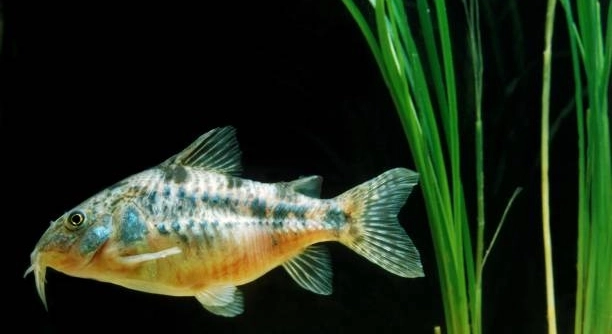
Corydoras catfish are popular aquarium fish known for their playful personalities and interesting behaviors. Many fish keepers wonder how they like to interact with their owners. Do they enjoy physical contact or prefer to be left alone?
Corydoras catfish generally do not enjoy being petted. They are bottom dwellers and prefer to explore their environment independently. While they may tolerate gentle interactions, it’s essential to respect their space to avoid causing stress or discomfort.
Learning how to interact with your Corydoras can make for a better relationship. Understanding their needs and behavior is key to ensuring they feel comfortable and happy in your tank.
Understanding Corydoras Catfish Behavior
Corydoras catfish are peaceful and social creatures, often seen in schools in the wild. These fish are curious but shy, especially when it comes to human interaction. They are more likely to swim around their tank, exploring the substrate, rather than seek out contact. While they can recognize their owners over time, they don’t seek physical attention. They also have sensitive barbels, which they use to detect food and navigate their environment. Too much interaction can cause stress, so it’s important to be mindful of their needs. Keeping the tank environment clean and providing hiding spots will help them feel more secure.
In a tank, Corydoras catfish can be seen swimming in a calm and fluid manner. They tend to stay near the bottom, using their barbels to search for food. Their behavior shows they prefer stability over interaction with people.
Respecting their natural instincts can help create a stress-free environment for these fish. When Corydoras feel safe and secure, they are more likely to exhibit healthy behavior, such as schooling and actively foraging for food.
How to Interact with Corydoras
Interacting with your Corydoras should be done gently. Avoid making sudden movements in front of them or tapping on the glass.
While Corydoras do not enjoy being petted, they can recognize their owner’s presence. They might swim toward the glass when they see you, but it’s important not to touch them. Over time, they may become accustomed to you, and feeding them can be an opportunity for connection. If you have live plants or soft substrate, your Corydoras will appreciate an environment that mirrors their natural habitat. Providing a calm and stable space will allow them to thrive and enjoy their surroundings.
Signs Your Corydoras Is Stressed
Corydoras catfish can be sensitive to changes in their environment, and stress can affect their health. Common signs include rapid swimming, hiding more than usual, and excessive rubbing against objects in the tank. If they are not eating or showing visible injuries, they may be stressed. Stress can also lead to weakened immune systems, making them more vulnerable to diseases.
It’s essential to monitor your Corydoras’ behavior. If they start swimming erratically or spending too much time hiding, check the water quality, temperature, and tank conditions. Stress can also result from overcrowding, poor water quality, or aggressive tank mates. Providing a stress-free environment with proper care will help them remain healthy.
Maintaining a stable tank environment is crucial. Keep the water clean and ensure that the temperature stays within the recommended range for Corydoras. Avoid sudden changes in water conditions, and provide plenty of hiding spots to give them a sense of security. Regularly check on their behavior and adjust the environment as needed.
Best Tank Setup for Corydoras
Corydoras are bottom-dwellers and need a tank that caters to their natural behavior. A soft, sandy substrate is ideal for them to forage and use their barbels comfortably. Sharp or rough gravel can injure their delicate barbels and fins. Corydoras also appreciate having plants, driftwood, and hiding places where they can retreat when feeling stressed.
The tank should also have clean, well-filtered water. Corydoras do best in tanks with stable water conditions, so using a reliable filter to maintain the water quality is essential. They prefer slightly acidic to neutral water with a temperature range between 72°F and 79°F. Avoid strong currents in the water, as they prefer calm areas to swim.
When setting up your tank, aim for a well-balanced environment with adequate space for Corydoras to move and explore. Provide hiding spots where they can seek shelter and feel secure. A peaceful tank with appropriate water parameters will promote a healthy environment for your Corydoras to thrive and be active.
Feeding Your Corydoras
Corydoras are bottom feeders, so they prefer sinking pellets or tablets that they can easily find on the substrate. They also enjoy eating live or frozen foods such as bloodworms and brine shrimp. Offer them food two to three times a day, but avoid overfeeding.
Ensure that the food you provide is suitable for their small mouths and barbel sensitivity. Be sure to remove any uneaten food after a few minutes to keep the tank clean. Consistently providing a variety of food will ensure they receive all the necessary nutrients for their health.
Tank Mates for Corydoras
Corydoras do well with peaceful fish that don’t compete for space at the bottom of the tank. Avoid housing them with aggressive or larger species that may bully or stress them.
Choosing tank mates with similar temperaments ensures a peaceful community. Compatible species include other small, calm fish like tetras, guppies, and rasboras. These fish tend to keep to the upper levels of the tank, leaving Corydoras undisturbed at the bottom.
Water Quality and Maintenance
Water quality plays a significant role in the health of Corydoras. Regular water changes are essential to keep harmful toxins like ammonia and nitrates in check.
Perform 20-30% water changes weekly and monitor the water parameters. Use a water testing kit to ensure the pH, hardness, and temperature stay within the right ranges. Proper maintenance and water care can prevent many health issues in your Corydoras.
FAQ
Do Corydoras catfish like to be handled?
Corydoras catfish do not enjoy being handled. They are bottom dwellers and prefer to swim freely without much interference. Petting or picking them up can cause stress and harm their delicate barbels. It’s best to admire them from a distance or while they are foraging in their tank.
How can I tell if my Corydoras is happy?
A happy Corydoras will be active, swimming around the tank, and foraging for food. They will often school together with other Corydoras or peacefully explore their environment. When they feel comfortable, they’ll regularly swim across the bottom and occasionally come to the surface for air. If they’re hiding or staying inactive for long periods, it could indicate stress or illness.
How often should I feed my Corydoras?
Feed your Corydoras two to three times a day, offering small portions they can consume within a few minutes. It’s important not to overfeed them, as uneaten food can cause water quality issues. A varied diet of sinking pellets, frozen or live food, and occasional treats will keep them healthy and satisfied.
Can Corydoras live with other fish?
Yes, Corydoras can live with other peaceful fish. They do best with species that swim in the middle or top of the tank, leaving the bottom for Corydoras to explore. Avoid housing them with aggressive or larger fish that might bully them. Tank mates like tetras, guppies, and rasboras are good options.
Do Corydoras need a filter?
Yes, a filter is essential for maintaining water quality in your Corydoras’ tank. Corydoras require clean water to thrive, and a filter helps remove waste, toxins, and excess food. However, be mindful of the filter’s flow rate. Too strong of a current can stress Corydoras since they prefer calm waters.
What is the ideal tank size for Corydoras?
A minimum tank size of 20 gallons is recommended for Corydoras, especially if you plan to keep multiple fish. They prefer being in groups, so ensure there’s enough space for them to swim and forage. A larger tank allows for better water quality management and a more comfortable environment for your fish.
How can I keep my Corydoras tank clean?
Regular water changes are crucial for maintaining a clean tank. Perform 20-30% water changes weekly to remove waste and toxins. Additionally, use a soft substrate like sand, which is easier for Corydoras to forage through without damaging their barbels. Avoid overfeeding and clean any uneaten food promptly to reduce waste build-up.
Can Corydoras live with shrimp?
Yes, Corydoras can live with shrimp, especially smaller species like cherry shrimp or Amano shrimp. They won’t typically harm shrimp, as Corydoras are more focused on foraging the substrate. However, ensure the shrimp have plenty of hiding spaces to avoid stress from larger fish or overly curious Corydoras.
Do Corydoras need a heater?
Corydoras catfish are tropical fish and prefer a stable water temperature between 72°F and 79°F. A heater is often necessary to maintain the appropriate temperature, especially in cooler environments. Monitor the water temperature regularly to ensure it stays within their preferred range for optimal health.
What should I do if my Corydoras stops eating?
If your Corydoras stops eating, first check the water quality. Poor water conditions can affect their appetite. If the water quality is fine, check for signs of illness, like swimming abnormalities, lethargy, or visible spots. If the problem persists, consult an aquarium specialist or veterinarian to diagnose potential health issues.
How long do Corydoras catfish live?
Corydoras catfish typically live for 5 to 10 years, depending on the care they receive. Providing them with a clean tank, proper diet, and stable water conditions can help them live longer. Regularly monitoring their health and environment is key to ensuring a long, happy life for your fish.
What is the best substrate for Corydoras?
A soft, sandy substrate is the best choice for Corydoras catfish. They use their barbels to explore the substrate and search for food, and rough gravel can damage these delicate sensory organs. Sand provides a comfortable environment for them to forage and move around without risk of injury.
Can Corydoras catfish live in cold water?
Corydoras catfish are tropical fish and prefer warmer water temperatures. While they can tolerate short-term fluctuations, prolonged exposure to cold water can lead to stress and health issues. It’s best to keep the water temperature between 72°F and 79°F to ensure they stay healthy and active.
How do I prevent diseases in my Corydoras?
To prevent diseases, maintain good water quality by performing regular water changes and testing the water parameters. Avoid overcrowding and ensure the tank is not too stressful with aggressive tank mates. A well-balanced diet that includes a variety of foods also strengthens your Corydoras’ immune system, helping them resist illness.
Why is my Corydoras swimming at the surface?
Corydoras may swim at the surface if they’re lacking oxygen in the tank. Ensure your tank is well-oxygenated, and consider adding an air pump or adjusting the filter to improve water flow. If they continue swimming at the surface despite good water quality, check for signs of illness.
Can Corydoras breed in a home aquarium?
Yes, Corydoras can breed in a home aquarium. They typically breed when water conditions are optimal, including cooler temperatures and slightly acidic to neutral pH. The female will lay eggs, which the male will fertilize. Providing them with proper care during breeding, such as a separate breeding tank, can increase the chances of success.
Final Thoughts
Corydoras catfish are fascinating creatures that can make a great addition to any aquarium. They are peaceful, active, and relatively easy to care for, making them ideal for beginners and experienced fish keepers alike. These fish have unique personalities, often seen foraging the tank bottom or swimming in small schools. While they may not enjoy physical interaction, they still form a bond with their owners over time, recognizing their presence and often swimming toward the tank glass when they see you. Ensuring their tank environment is clean and stable is key to keeping them happy and healthy.
Proper care and attention to their needs will ensure that your Corydoras thrive in your aquarium. This means providing them with a suitable tank setup, such as soft, sandy substrate for their delicate barbels and peaceful tank mates to avoid stress. Water quality is crucial, so maintaining proper filtration and performing regular water changes is important for their overall health. As bottom dwellers, Corydoras appreciate a calm, clean environment where they can forage for food without interference. Offering a varied diet that includes sinking pellets, live, or frozen foods will keep them well-fed and active.
While Corydoras may not be the type of fish to enjoy being petted, they still require attention in the form of regular care and observation. Understanding their natural behaviors and creating a peaceful environment will lead to a more rewarding experience for both you and your fish. By respecting their space and needs, you can build a positive relationship with your Corydoras, helping them live a long, healthy life in your aquarium. With the right care, these little fish can become a joy to watch and a peaceful addition to any tank.

Hello,
If you enjoy the content that we create, please consider saying a "Thank You!" by leaving a tip.
Every little bit helps us continue crafting quality advice that supports the health, happiness, and well-being of pets around the world, for pets of all shapes, sizes, and species.
We really appreciate the kindness and support that you show us!