
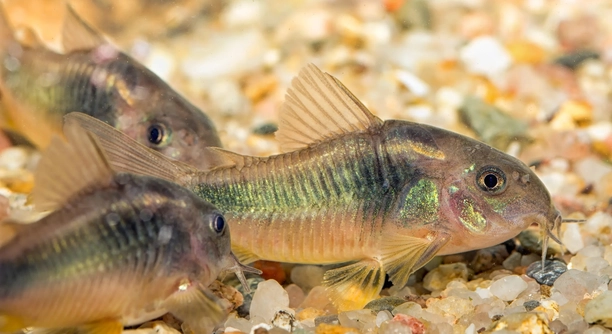
If your Corydoras catfish is lying on its side, it can be concerning. This behavior might indicate various underlying issues that could affect its health and well-being in the aquarium environment.
The most common reasons for a Corydoras catfish lying on its side include stress, illness, or poor water quality. Physical injury or old age can also contribute. Identifying the root cause is crucial to providing the appropriate care for recovery.
Understanding these factors will help you address your catfish’s condition and ensure a healthier aquarium environment for all its inhabitants.
Common Causes for a Corydoras Catfish Lying on Its Side
When a Corydoras catfish lies on its side, it often indicates something is wrong in its environment. This could range from stress to more serious issues like illness or injury. Water quality plays a significant role in maintaining the health of your fish. Poor water parameters can weaken the fish’s immune system, making it more susceptible to disease. Changes in the tank, such as temperature fluctuations or high levels of toxins like ammonia, can stress the fish out. Corydoras are sensitive to their surroundings, and even minor changes can affect their behavior. If the catfish is old, its physical condition may also contribute to the behavior. In such cases, age-related decline could make it harder for the fish to swim normally, leading it to lie on its side.
Sometimes, physical injury might cause a Corydoras to behave this way. If there is no visible injury, stress or illness are more likely the cause.
If the behavior continues, it’s essential to check the water quality and ensure the fish has proper space. Stress can result from overcrowding, poor diet, or aggressive tankmates. These factors might make your catfish feel vulnerable or insecure. Keeping your aquarium clean, with proper filtration, will prevent many water-related issues that contribute to stress.
How to Check the Water Quality
Water quality testing is essential when a Corydoras is showing signs of distress. Make sure you regularly check the levels of ammonia, nitrites, and nitrates. A reliable test kit can give you accurate readings to identify any potential problems. Ensure that the temperature remains stable, as Corydoras prefer a specific range. Water changes are vital in maintaining healthy conditions, and this helps keep any toxins in check.
Test the water immediately and address any imbalances. If the levels are off, do a partial water change to restore balance. Keep in mind that stable water conditions are key to avoiding further health issues for your fish.
Stress Factors in Corydoras Catfish
Stress can significantly affect the behavior of your Corydoras catfish. Common stressors include sudden water changes, loud noises, or changes in tank mates. Corydoras are peaceful and can become anxious when exposed to frequent disturbances. When stressed, they may swim erratically or even lie on their sides to cope with the discomfort.
It’s important to minimize disturbances around the tank. Avoid tapping on the glass or making sudden movements near the aquarium. Also, check for any aggressive tank mates that may be causing stress. Corydoras are bottom dwellers and can be easily intimidated by more active or territorial fish. Overcrowding in the tank can also be a stress factor, as it limits their space to move freely. Ensuring that your catfish has enough room to thrive is critical to reducing stress levels.
Try to provide your Corydoras with a calm and stable environment. Creating hiding spots with plants or rocks can help them feel secure. Regular water changes and maintaining a steady temperature are also key to ensuring the fish remain comfortable and healthy.
Illness and Disease in Corydoras Catfish
Illness can also be a major reason your Corydoras is lying on its side. Several diseases, like bacterial or parasitic infections, can make your fish lethargic and unresponsive. If you notice unusual behavior along with visible signs like lesions, bloating, or discolored skin, it’s crucial to address the health issue immediately.
Common diseases that affect Corydoras include fin rot, columnaris, and parasites. These conditions can cause inflammation, loss of appetite, and abnormal swimming patterns. Infected Corydoras may struggle to stay upright and could be seen lying on their sides more frequently. If you suspect your fish is sick, it’s important to isolate it in a quarantine tank to prevent the spread of illness to other fish.
Administering appropriate medication is crucial for treatment. You can find treatments for common fish diseases at your local pet store or online. Always follow the directions carefully to ensure proper dosage and avoid further stress. If the disease persists or worsens, consulting with an experienced vet specializing in aquatic animals is advisable.
Poor Water Quality and Water Conditions
Dirty water can quickly harm your Corydoras. High levels of ammonia, nitrites, and nitrates can stress your fish and make them lie on their side. Frequent water changes are essential to maintaining good water quality. Using a proper filtration system can help keep harmful substances at bay.
Make sure to regularly test your tank’s water. A stable pH and temperature are just as important as keeping ammonia and nitrite levels low. If your Corydoras is lying on its side, poor water conditions might be the cause. Fixing these issues will help your fish recover.
Swim Bladder Problems
Swim bladder disease can make your Corydoras unable to swim properly, causing it to float sideways or even sink to the bottom. This issue may be caused by overfeeding, constipation, or internal infections. Decreasing food intake for a few days can sometimes help your fish recover.
A change in diet or water conditions can sometimes help alleviate swim bladder problems. If the symptoms persist, you may need to consult a specialist to treat the underlying cause of the disease.
Injury and Physical Damage
If your Corydoras has been injured, it may lie on its side to rest. Physical trauma from aggressive tank mates or accidents in the aquarium can result in injury. This can be especially true if your fish is a bottom dweller and has limited space to move around.
Injuries can be difficult to spot if they are internal. Watch for signs of swelling or abnormal body posture. If you suspect injury, consider isolating the affected fish in a hospital tank to reduce stress and allow for healing.
FAQ
Why is my Corydoras catfish lying on its side?
Your Corydoras might be lying on its side due to stress, illness, poor water quality, or physical injury. It’s important to check the water conditions, look for signs of disease, and observe its behavior. If the fish appears to be injured, isolate it in a separate tank to monitor its recovery.
How do I know if my Corydoras is stressed?
Stressed Corydoras may show signs like erratic swimming, hiding more often, or swimming near the surface. If the fish is constantly swimming against the tank’s walls or staying at the bottom, it’s likely experiencing stress. Reducing stressors, such as lowering tank noise, adjusting water conditions, or removing aggressive tank mates, may help.
Can swim bladder disease affect Corydoras?
Yes, swim bladder disease can affect Corydoras and cause them to float sideways or have difficulty swimming. It may be caused by overfeeding, constipation, or infection. Reduce feeding, and consider feeding them peas to help with constipation. If symptoms persist, you may need to treat the fish with medication.
How can I improve the water quality in my tank?
Regular water changes, proper filtration, and testing water parameters (pH, ammonia, nitrites, and nitrates) will help maintain good water quality. It’s essential to change about 25-30% of the water every week, especially if your fish are showing signs of distress. Adding live plants and a strong filter can further improve water quality.
What should I do if my Corydoras is injured?
If your Corydoras is injured, isolate it in a hospital tank to avoid further stress from other fish. Ensure the water is clean, and use aquarium salt or anti-bacterial treatments if needed. Keep the fish in a quiet and calm environment to aid recovery. Monitor for signs of infection.
Can I treat my Corydoras with medication?
You can treat your Corydoras with medication for diseases like bacterial infections or parasites. Always check for the specific issue before administering medicine. Follow the instructions carefully and remove any active carbon filters from the tank, as they may filter out the medication.
How can I tell if my Corydoras has a bacterial infection?
Signs of bacterial infections include redness or swelling on the body, lesions, abnormal swimming behavior, and loss of appetite. If you notice these symptoms, isolate the affected fish in a hospital tank and begin treating with appropriate medications. Early treatment is key to preventing further spread.
What temperature should my Corydoras’ tank be?
Corydoras prefer water temperatures between 72°F and 78°F (22°C to 25°C). Keeping the water within this range helps reduce stress and supports their overall health. Sudden temperature changes can cause them to become disoriented or stressed. Make sure to use a reliable aquarium heater to maintain a consistent temperature.
Can overfeeding cause health problems for Corydoras?
Yes, overfeeding can lead to swim bladder problems, constipation, and poor water quality. It’s important to feed Corydoras only what they can consume in a few minutes. Uneaten food left in the tank can degrade water quality, which may affect the fish’s health. Feeding them a varied diet in moderation is key.
What should I do if my Corydoras isn’t eating?
If your Corydoras isn’t eating, it could be a sign of illness, stress, or poor water quality. Check the water parameters and make sure there are no aggressive tank mates. Offering different types of food, like sinking pellets or live food, can help entice your fish to eat. If the problem persists, consult a vet.
How can I prevent my Corydoras from getting sick?
Maintaining good water quality, providing a balanced diet, and reducing stress can help prevent illness. Regular water changes and testing the water parameters are essential for a healthy aquarium environment. Avoid overcrowding the tank and ensure that your Corydoras has plenty of space to swim and hide.
Can Corydoras live with other fish?
Corydoras are peaceful and generally do well with other non-aggressive fish. Avoid keeping them with large, territorial fish or fish that may nip at their fins. Tank mates should be calm and similarly sized. Corydoras do best in a community tank with other peaceful species, as they prefer to be in groups.
How can I help my Corydoras recover from illness?
To help your Corydoras recover, start by isolating it in a hospital tank. Treat with appropriate medications, ensure the water is clean and at the correct temperature, and provide a balanced diet. Be patient, as recovery can take time, but keeping the environment stress-free will aid in the healing process.
Are Corydoras sensitive to water changes?
Yes, Corydoras can be sensitive to sudden water changes. Drastic shifts in temperature, pH, or hardness can cause stress or even illness. When performing water changes, do it gradually and match the new water’s parameters to the current tank water to prevent shocking the fish.
What should I do if my Corydoras is swimming sideways?
If your Corydoras is swimming sideways, it could be a sign of illness or injury. First, check the water quality and make sure it’s within the ideal range. If everything looks fine, consider possible swim bladder issues or stress factors. Isolate the fish and monitor it closely for other symptoms.
How often should I feed my Corydoras?
Corydoras should be fed small amounts once or twice a day. Only provide what they can eat in a few minutes to avoid overfeeding and water pollution. A balanced diet consisting of sinking pellets, frozen foods, and occasional live foods will keep your fish healthy and happy.
Can I use aquarium salt to treat my Corydoras?
Aquarium salt can be helpful in treating minor injuries or bacterial infections in Corydoras. However, use it cautiously and follow the instructions carefully. Overuse of salt can harm your fish, especially if they are sensitive. Always check with a professional before using salt for treatment.
Final Thoughts
Corydoras catfish are generally hardy and peaceful fish, but like all aquarium pets, they can face health challenges. If your Corydoras is lying on its side, it is important to address the potential causes promptly. This behavior can indicate poor water quality, injury, or illness, so understanding the symptoms and the environment of your fish is crucial. By keeping an eye on the water parameters, diet, and overall tank setup, you can help your fish stay healthy and prevent these issues from happening in the future.
In most cases, problems like swim bladder disease or poor water quality can be resolved with proper care. Regular water changes, maintaining a stable temperature, and using a good filtration system will reduce the risk of health problems. It is also essential to avoid overfeeding and make sure the fish have enough space to swim comfortably. A stressed fish is more likely to experience health issues, so maintaining a calm and clean environment is essential for their well-being.
Lastly, while it can be worrying to see your Corydoras not swimming as usual, there are steps you can take to address the issue. If your fish’s condition doesn’t improve with water changes or dietary adjustments, it might be time to consult with a professional. Ensuring that your fish are in a suitable environment and receiving proper care will go a long way in keeping them healthy. Whether it’s adjusting the water quality, addressing potential injuries, or managing illnesses, early intervention is key to a positive outcome for your Corydoras.

Hello,
If you enjoy the content that we create, please consider saying a "Thank You!" by leaving a tip.
Every little bit helps us continue crafting quality advice that supports the health, happiness, and well-being of pets around the world, for pets of all shapes, sizes, and species.
We really appreciate the kindness and support that you show us!