
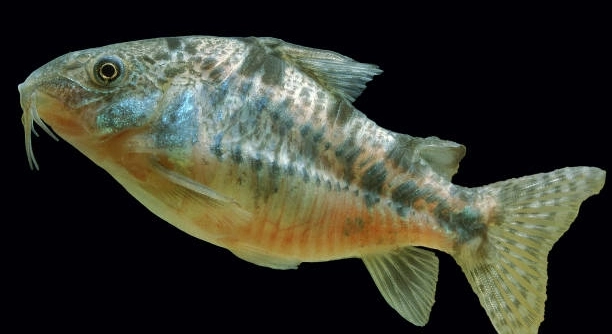
Corydoras catfish are popular aquarium pets, known for their peaceful nature and bottom-dwelling habits. However, understanding how long they live and what factors impact their lifespan is important for proper care and maintenance.
Corydoras catfish typically live between 5 to 10 years in a well-maintained aquarium. Their lifespan is influenced by factors such as water quality, diet, and tank conditions, all of which play significant roles in ensuring a long and healthy life.
By making simple adjustments to their environment and diet, you can help your Corydoras thrive and live a longer, healthier life.
Lifespan of Corydoras Catfish: What Affects It?
Corydoras catfish have a typical lifespan ranging from 5 to 10 years in captivity. While they are relatively hardy, their life expectancy is largely influenced by the conditions of their environment. A well-maintained aquarium with stable water quality, proper filtration, and the right water temperature can greatly enhance their lifespan. Stress from poor water conditions or aggressive tank mates can shorten their life. Regular tank maintenance, including water changes and monitoring of pH and temperature levels, is crucial for the health of these fish. Additionally, a balanced diet tailored to their nutritional needs supports their longevity.
Their active behavior and bottom-feeding habits make Corydoras popular in many aquariums, but it’s essential to ensure their tank is properly maintained. Fish owners should avoid overcrowding the tank to prevent stress. When these conditions are met, Corydoras can live out their full potential and contribute to the tranquility of any aquarium setup.
Keeping water parameters stable and feeding them correctly will help extend their lifespan. Regular checks will make a big difference in their overall health.
Key Factors to Consider for a Longer Life
The quality of water plays a significant role in determining the lifespan of Corydoras. Poor water quality can cause stress and disease, shortening their life. Water temperature should be kept between 72-78°F (22-26°C), with a slightly acidic to neutral pH of 6.5 to 7.5.
Corydoras are sensitive to changes in water chemistry, so it’s important to use a reliable filtration system that maintains clean water and a consistent environment. Ammonia, nitrate, and nitrite levels should always be checked regularly. If these levels rise, it can cause serious harm to the fish, potentially leading to early death. Consistent water changes are essential for maintaining a healthy tank.
Investing in high-quality filtration equipment and staying on top of regular tank maintenance is crucial. A stable environment is key to ensuring the long-term health of your Corydoras.
Diet and Nutrition
A proper diet is essential for Corydoras catfish to thrive. They are omnivores, requiring a balance of protein and plant-based foods. Feed them high-quality pellets or flakes designed for bottom feeders, along with occasional live or frozen foods like bloodworms or brine shrimp.
Offering a variety of food sources helps meet their nutritional needs. Overfeeding can lead to water quality issues, while underfeeding may cause malnutrition and stunted growth. It’s essential to feed them in small amounts that they can consume within a few minutes. This keeps the tank clean and ensures they get enough nutrients.
Corydoras also enjoy scavenging, so providing a tank with plants, hiding spots, and gravel encourages natural foraging behavior. This promotes both mental and physical health. A varied diet and proper feeding routine will keep your Corydoras in top condition and increase their chances of living a long life.
Tank Size and Setup
The size of the tank impacts how well Corydoras catfish can thrive. A minimum of a 20-gallon tank is recommended, providing enough space for them to swim and explore. Overcrowding can lead to stress and lower water quality.
When setting up their tank, ensure there are plenty of hiding spots and soft substrate for them to burrow. Corydoras catfish prefer tanks with plants, rocks, and driftwood to mimic their natural habitat. A well-maintained aquarium with the right decorations can reduce stress and make the environment more comfortable for them.
The right tank setup supports Corydoras’ natural behaviors, such as foraging and resting. Avoid sharp decorations or rough substrates, as they can injure their delicate barbels. The more natural the tank feels, the happier and healthier your Corydoras will be.
Water Quality
Good water quality is crucial for the health of Corydoras catfish. Regular water changes and monitoring water parameters like pH, ammonia, and nitrate levels will help keep the tank stable. This reduces stress and prevents diseases.
Corydoras are sensitive to poor water quality, which can quickly lead to health problems. Keeping the water clean and free of harmful substances ensures their long-term health and can extend their lifespan.
Temperature Stability
Maintaining a stable water temperature is essential for Corydoras. A sudden change in temperature can cause stress, making them more susceptible to illness. Keeping the water temperature between 72-78°F (22-26°C) is ideal for their comfort.
Investing in a good heater and thermometer will help regulate the tank’s temperature, ensuring it remains within the ideal range. Stable temperature conditions promote healthy activity and reduce stress, contributing to the longevity of your Corydoras.
FAQ
How can I tell if my Corydoras catfish is healthy?
Healthy Corydoras have clear, bright eyes and smooth, undamaged fins. They should be active, swimming around the tank, and foraging for food. Their barbels, located near their mouth, should be intact and free of damage or lesions. If your Corydoras is lethargic, has a faded color, or has visible damage to its fins or barbels, it might be a sign of illness or stress. Keeping water quality high and providing a proper diet will help maintain their health.
What do Corydoras catfish eat?
Corydoras are omnivores, which means they eat both plant and animal matter. Their diet should include high-quality pellets or flakes formulated for bottom-dwelling fish. You can also feed them live or frozen foods like bloodworms, brine shrimp, or daphnia. Additionally, they enjoy occasional vegetable matter, such as blanched spinach or zucchini. It’s important to offer a varied diet to ensure they get the right nutrients for growth and health.
Do Corydoras catfish need a filter?
Yes, Corydoras catfish need a filter to maintain water quality. These fish produce waste, and a filter helps keep the water clean by removing harmful toxins like ammonia and nitrates. A good filter also helps oxygenate the water, ensuring the environment remains healthy for your fish. Make sure the filter is not too strong, as Corydoras prefer calm waters. It’s also important to clean the filter regularly to keep it working effectively.
Can Corydoras live with other fish?
Corydoras are peaceful fish that get along well with most species. They prefer to be kept in small groups of at least three to five, as they are social creatures. However, they do best with other peaceful tank mates. Avoid aggressive fish that might bully them. Corydoras can be kept with other community fish like tetras, guppies, or small livebearers. It’s important to ensure the other fish are compatible and the water conditions suit everyone in the tank.
What is the best substrate for Corydoras catfish?
Corydoras prefer soft substrates, such as fine gravel or sand. They like to sift through the substrate, searching for food, so rough or sharp edges can injure their barbels. Sand is particularly ideal because it is soft, allows the fish to dig without harm, and helps prevent debris buildup. Make sure the substrate is not too deep, as this could lead to poor water circulation. Regular cleaning is necessary to avoid waste accumulation under the substrate.
How often should I feed Corydoras catfish?
Corydoras should be fed once or twice a day, offering only as much food as they can consume within 3-5 minutes. Overfeeding can lead to poor water quality and health problems. Feeding them in small amounts encourages natural foraging behaviors and keeps the tank clean. It’s also a good idea to remove any uneaten food after each feeding to prevent it from decaying and impacting the water quality.
Can Corydoras catfish live alone?
While Corydoras can technically live alone, they are social creatures that thrive in groups. Keeping them in groups of at least three will help reduce stress and promote natural behavior. A single Corydoras may become lonely or stressed without tank mates, which can affect its health. Ideally, a small school of Corydoras will create a more natural and supportive environment for them to live in.
How do I maintain water quality for my Corydoras?
To maintain good water quality, perform regular water changes—at least 25-30% of the water every 1-2 weeks, depending on the size of the tank and the number of fish. Regularly check the water parameters, including pH, ammonia, nitrites, and nitrates. Using a reliable filter and adding live plants can also help keep the water clean. Make sure to clean the tank and remove any debris regularly to avoid water quality issues that could harm your Corydoras.
What temperature do Corydoras catfish prefer?
Corydoras catfish prefer water temperatures between 72-78°F (22-26°C). It is important to maintain a stable temperature, as sudden changes can stress the fish and make them more prone to disease. A reliable aquarium heater will help keep the temperature consistent, which is vital for the health of your Corydoras. Avoid temperatures that are too cold or too warm, as extreme fluctuations can cause harm to the fish.
Do Corydoras catfish need a lid on their tank?
Corydoras catfish do not typically jump out of the water, but it’s still a good idea to cover the tank with a lid. This helps maintain humidity levels and prevents water evaporation. It also keeps any other fish that may be more inclined to jump safely inside the tank. A lid also prevents debris from falling into the tank, ensuring the water remains clean and the tank environment stable.
Why is my Corydoras hiding?
If your Corydoras is hiding more than usual, it could be due to stress, poor water quality, or illness. Check the water parameters to ensure everything is within the appropriate range. Stress can also be caused by aggressive tank mates, overcrowding, or sudden changes in the tank environment. If the behavior persists, observe the fish for any signs of illness, such as faded colors or damage to its fins or barbels. Making the tank environment as calm and stable as possible can help reduce hiding.
How long does it take for Corydoras to grow?
Corydoras catfish generally grow slowly. They reach their full adult size in about 1 to 2 years, depending on water quality and diet. Typically, they grow to around 2 to 3 inches (5-7.5 cm), though some species may grow larger. Proper nutrition, clean water, and enough space will help them grow to their full potential.
Final Thoughts
Corydoras catfish are a wonderful addition to any aquarium, providing both beauty and personality. Their peaceful nature and ability to help keep the tank clean make them an excellent choice for beginner and experienced fishkeepers alike. By understanding their needs, such as water quality, temperature, and diet, you can help ensure they live a long and healthy life. Their social behavior also highlights the importance of keeping them in groups, as they thrive in the company of others.
Maintaining the right environment for Corydoras is crucial. Regular water changes, monitoring water parameters, and maintaining a stable temperature are essential steps in providing them with a comfortable home. Their unique feeding habits and preference for soft, sandy substrates are important factors to consider when setting up your tank. These small adjustments can make a significant difference in the overall well-being of your fish, allowing them to live a full and healthy life.
Lastly, it’s essential to monitor your Corydoras regularly to catch any signs of stress or illness early on. Keeping them in a tank with suitable tank mates and avoiding overfeeding will reduce stress and prevent health issues. By offering a varied diet and ensuring they have plenty of space to swim and explore, you’ll help your Corydoras live their best life. Taking the time to meet their basic needs and address any concerns will reward you with healthy, active fish for years to come.

Hello,
If you enjoy the content that we create, please consider saying a "Thank You!" by leaving a tip.
Every little bit helps us continue crafting quality advice that supports the health, happiness, and well-being of pets around the world, for pets of all shapes, sizes, and species.
We really appreciate the kindness and support that you show us!