
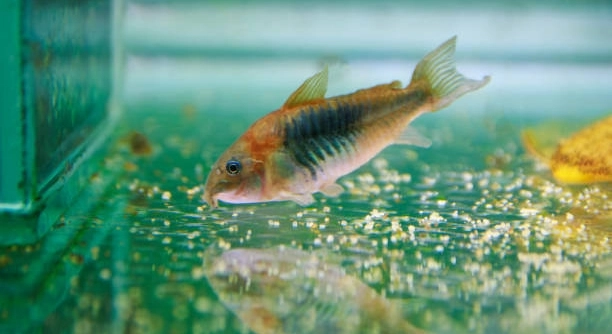
Corydoras catfish are popular aquarium fish known for their calm nature and peaceful behavior. Ensuring they feel safe in their environment is crucial to their well-being. Understanding how to provide a stress-free habitat can improve their quality of life.
To make your Corydoras catfish feel safe, focus on providing stable water conditions, proper tank mates, hiding spots, and a calm environment. Avoid sudden changes in water parameters and ensure they have adequate space to swim comfortably.
By following these tips, you can create a secure and peaceful environment for your Corydoras, promoting their health and happiness in the tank. Read on to learn more about how to improve their living conditions.
1. Providing Stable Water Conditions
Maintaining stable water conditions is one of the most important factors in keeping your Corydoras catfish safe. Fluctuations in water temperature, pH, and hardness can cause stress, leading to health issues. It’s best to keep the water temperature between 72°F and 78°F (22°C-26°C). Test the water regularly to ensure it remains within the ideal range for Corydoras. These fish thrive in soft to slightly hard water with a pH between 6.5 and 7.5.
Frequent water changes also help in maintaining water quality. Performing partial water changes of about 20-30% every week will keep the tank clean and healthy. Avoid overfeeding, as uneaten food can break down and deteriorate water quality, increasing ammonia levels.
To ensure your Corydoras feel comfortable, use a reliable water testing kit and invest in a good filtration system. A consistent, clean environment will help them stay safe and happy, reducing the risk of stress-related diseases.
2. Choosing the Right Tank Mates
Corydoras are peaceful fish and do best with calm, non-aggressive tank mates. Avoid aggressive species that may intimidate or harm your Corydoras. Instead, opt for community fish that share similar water needs and will not disturb your catfish.
Some good tank mates include other peaceful species like small tetras, guppies, or rasboras. By selecting appropriate tank mates, you can create a harmonious environment where your Corydoras can feel secure. When tank mates are too large or overly active, your catfish may feel stressed, leading to anxiety or illness.
A peaceful tank atmosphere allows Corydoras to thrive. Consider your other fish before adding them, as this will keep the overall tank stress-free for all inhabitants. The right mix of tank mates contributes to a balanced ecosystem that benefits everyone.
3. Providing Hiding Spots
Corydoras catfish feel most secure when they have access to hiding spots. In the wild, they often seek refuge under rocks or plants. A tank without places to hide may cause your Corydoras to feel exposed and stressed. Adding caves, driftwood, or dense plants will help your catfish feel safe.
You can create hiding spaces using simple aquarium decorations. Make sure they’re small enough for your Corydoras to easily swim in and out of, but not too large to make the fish feel trapped. Natural materials like rocks or ceramic caves are perfect for this purpose. Be sure to place decorations throughout the tank to allow multiple hiding options.
A well-planned tank with hiding spots can help your Corydoras feel less vulnerable. It encourages natural behavior, reduces stress, and improves overall well-being. As they swim in and out of these hiding spots, they’ll feel more secure in their environment.
4. Reducing Stress from Tank Movements
Stress can be triggered by sudden movements or loud noises near the aquarium. Corydoras are sensitive to disturbances, and excessive activity around the tank may make them feel anxious. Try to keep the area around the aquarium calm and avoid tapping on the glass.
Also, avoid placing the tank in areas with heavy foot traffic or near noisy appliances like air conditioners or washing machines. These factors can create vibrations that disrupt the peaceful environment Corydoras need. Keeping the tank in a quieter area will help the fish maintain a more relaxed state.
Remember, consistency in their environment will make your Corydoras feel much safer. A quiet and undisturbed space allows them to thrive without the constant stress of their surroundings.
5. Keeping Water Flow Low
Corydoras catfish prefer calm waters with little current. Strong water flow can stress them out, as they are not strong swimmers. A gentle filtration system is key to providing them with a comfortable environment.
To keep water flow low, consider using a sponge filter or adjusting the filter’s flow rate if possible. You want to avoid creating strong currents that could push your catfish around the tank.
A slow-moving water flow mimics their natural environment, where water currents are not as intense. This helps reduce stress and gives them a more comfortable space to explore and feed.
6. Maintaining Tank Temperature
Corydoras thrive in temperatures between 72°F and 78°F (22°C-26°C). Temperature swings can cause stress and even harm their health. A reliable heater and thermometer are essential in keeping the water at the right temperature.
Fluctuations in temperature can weaken their immune systems, making them more prone to disease. Regularly check the water temperature to ensure it remains stable and within the ideal range. Consistent temperature levels promote a healthy and secure environment for your Corydoras.
7. Avoiding Overcrowding
Overcrowding a tank can lead to stress and unhealthy competition for space and food. Corydoras need enough room to swim freely without being constantly bumped by other fish.
By maintaining an appropriate stocking level, you’ll reduce stress and ensure that your Corydoras have enough space to feel safe.
FAQ
What are the signs that my Corydoras catfish is stressed?
When a Corydoras is stressed, it may display unusual behavior. It could swim erratically or hide more than usual. You might also notice a loss of appetite or a change in its color, with dull or faded scales. Another sign is if your Corydoras appears to be swimming at the top of the tank rather than staying near the bottom. If these behaviors persist, it may be a sign that something in the environment is causing stress.
How can I make my Corydoras feel more comfortable?
To make your Corydoras feel comfortable, focus on providing stable water conditions, offering hiding spots, and ensuring a calm, quiet environment. Avoid sudden changes in water parameters and keep the tank free from aggressive tank mates. Corydoras enjoy soft, slightly acidic water, and they feel safest when they can retreat to hiding spots or plants when needed. Creating a peaceful, low-stress tank will help them feel secure.
Can I keep Corydoras with other types of fish?
Yes, Corydoras can live with many other peaceful fish, such as tetras, rasboras, or guppies. However, they should be housed with non-aggressive species. Avoid larger, more aggressive fish that may harass them. Corydoras are bottom dwellers and tend to stay near the substrate, so they should be kept with fish that respect their space. Always consider the temperament and size of potential tank mates before adding them to the tank.
How often should I clean my Corydoras tank?
Cleaning your Corydoras tank should be done regularly to maintain water quality. Perform partial water changes of 20-30% weekly to keep the environment fresh. Additionally, vacuum the substrate to remove any uneaten food or debris that might affect water conditions. It’s important not to disturb the tank too much, as Corydoras prefer stable environments. Clean the filter monthly, but avoid over-cleaning to prevent disrupting the tank’s beneficial bacteria.
Is it necessary to add plants in a Corydoras tank?
While not essential, adding plants to your Corydoras tank can provide several benefits. Plants offer hiding spots, create natural cover, and improve water quality by absorbing nitrates. Corydoras enjoy having plants to swim through and rest near. Additionally, live plants can help maintain a more natural environment, mimicking their habitat in the wild. Just ensure the plants are safe for aquarium use and won’t outgrow the tank.
Can Corydoras eat a variety of foods?
Yes, Corydoras are opportunistic feeders and will eat a variety of foods. In the wild, they consume small invertebrates, worms, and algae. In the tank, they can be fed sinking pellets, freeze-dried or frozen foods like bloodworms, brine shrimp, and vegetables like zucchini. Offering a varied diet helps keep them healthy and provides the necessary nutrients. Be sure to avoid overfeeding, as leftover food can degrade water quality and lead to stress.
Do Corydoras require a heater?
Yes, Corydoras require a heater to maintain a stable water temperature. Since they are tropical fish, they thrive in temperatures between 72°F and 78°F (22°C-26°C). A reliable aquarium heater will help you keep the water within the ideal range. Fluctuations in temperature can cause stress, so it’s important to maintain consistency. Always monitor the water temperature with a thermometer to ensure it stays within the proper range.
Why does my Corydoras stay at the surface of the water?
If your Corydoras is staying at the surface of the water, it could be a sign of stress or poor water quality. Corydoras are bottom-dwelling fish, and staying near the surface may indicate a lack of oxygen in the tank. Check your filtration system and ensure it’s properly oxygenating the water. If the issue persists, consider increasing water changes or adding an air stone to improve oxygen levels. It could also be a sign of illness, so observe the fish closely for other symptoms.
How do I prevent my Corydoras from becoming ill?
Preventing illness in Corydoras involves maintaining clean water, stable water conditions, and a healthy diet. Regular water changes, proper filtration, and monitoring water parameters will reduce the chances of disease. Avoid overcrowding the tank, as this can lead to stress and weaker immune systems. Also, ensure any new fish are quarantined before introducing them to the main tank to prevent the spread of diseases. Keeping the environment clean and peaceful will go a long way in preventing illness.
Can Corydoras live in cold water?
Corydoras are tropical fish and require warmer water temperatures to thrive. They are not suited for cold-water tanks, as they need temperatures between 72°F and 78°F (22°C-26°C). Cold water can cause them to become stressed, and prolonged exposure to temperatures outside their preferred range can lead to illness. If you keep Corydoras in a cold-water tank, it’s important to monitor the water temperature closely and use a heater if necessary.
Final Thoughts
Creating a safe and comfortable environment for your Corydoras catfish is essential for their well-being. These fish thrive in calm, stable conditions, with gentle water flow, appropriate hiding spots, and suitable tank mates. By paying attention to their needs, you can ensure that they feel secure and happy in their environment. Regular maintenance, such as water changes and monitoring water temperature, will go a long way in preventing stress and illness. Corydoras are peaceful creatures that can bring beauty and calm to your tank, but they depend on you to maintain the conditions that support their health.
A key factor in keeping your Corydoras healthy is understanding their specific requirements. They need soft, slightly acidic water with stable temperatures to stay comfortable. Providing plants, caves, and rocks for hiding will help them feel secure. Additionally, keeping your aquarium quiet and free of sudden disturbances will reduce stress. It’s important to be mindful of their sensitivity to changes in their environment. Overcrowding and aggressive tank mates can lead to unnecessary stress, which can harm their health in the long term. A balanced approach to tank management is crucial for keeping Corydoras thriving.
Lastly, Corydoras catfish are social creatures that enjoy the company of their own kind. Keeping them in small groups of at least three or more will encourage natural behavior and help them feel safer. These fish are bottom dwellers and like to explore the substrate for food, so providing a variety of foods will help keep them healthy and satisfied. Remember that consistency is key. By offering a stable, well-maintained tank and paying attention to their needs, you can create an ideal environment for your Corydoras to live a long and healthy life.

Hello,
If you enjoy the content that we create, please consider saying a "Thank You!" by leaving a tip.
Every little bit helps us continue crafting quality advice that supports the health, happiness, and well-being of pets around the world, for pets of all shapes, sizes, and species.
We really appreciate the kindness and support that you show us!