
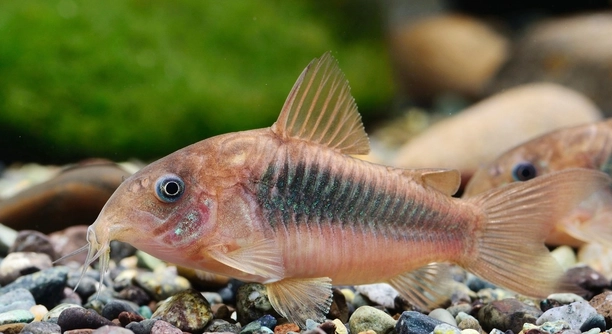
Corydoras catfish are popular aquarium fish known for their peaceful nature. However, you may notice them turning pale at times. This can be alarming, especially if you’re unsure what’s causing the color change.
The pale appearance of your Corydoras catfish can result from various factors. Common causes include poor water quality, inadequate diet, stress, disease, or even environmental changes. Addressing these issues promptly can help restore their color and overall health.
Understanding these causes will help you identify the specific issue and take action to improve your fish’s well-being.
Poor Water Quality
Water quality is one of the most common reasons why your Corydoras catfish might turn pale. Fish are sensitive to changes in their environment, and poor water conditions can quickly affect their health. Things like high ammonia levels, improper pH, or fluctuating temperatures can cause stress and impact their coloration. If the water isn’t clean, it can lead to a weakened immune system, making your catfish more prone to illness.
Regular water changes and proper filtration are essential to maintaining the health of your aquarium. Testing the water parameters at least once a week ensures that ammonia, nitrites, and nitrates are within safe limits. The ideal temperature for Corydoras is between 72°F and 78°F. If your water conditions aren’t right, it’s best to adjust them as soon as possible.
Keeping the tank clean and ensuring stable water parameters will help your fish regain their natural color. In addition, adding live plants can help maintain water quality and provide a more stable environment for your Corydoras.
Inadequate Diet
A lack of proper nutrition can lead to a pale Corydoras catfish. These fish require a balanced diet that includes high-quality sinking pellets and occasional treats like bloodworms or brine shrimp. Without these essential nutrients, your fish may not be able to maintain their vibrant colors.
An unbalanced diet can cause deficiencies, affecting both the fish’s health and appearance. Make sure to provide a variety of foods to meet their nutritional needs.
Stress
Stress is another common cause of pale Corydoras catfish. When fish feel threatened, it can affect their overall health, including their color. Things like tank mates that are too aggressive, overcrowding, or sudden changes in the environment can all lead to stress.
To reduce stress, ensure that your catfish have plenty of space and a peaceful environment. Make sure they have hiding spots like plants or caves where they can retreat. Corydoras catfish thrive in calm tanks with gentle water flow, so it’s essential to monitor the tank conditions and make adjustments as needed.
If your fish is stressed due to other aggressive tank mates, consider rearranging the tank to break up territorial behaviors. Adding more hiding places will also give your catfish a sense of security. If possible, isolate the stressed fish until its condition improves. This helps lower stress levels and restores its natural color.
Disease or Infection
Illnesses and infections can cause Corydoras catfish to appear pale. Diseases like ich, fin rot, or parasites can stress the fish and weaken their immune system, leading to discoloration. It’s essential to check for other signs like abnormal swimming, lesions, or clamped fins.
If you notice these symptoms, isolating the affected fish is crucial to prevent spreading any disease. Treatment depends on the specific illness. For example, medicated baths or aquarium salt can help treat external parasites like ich. If the infection is bacterial, adding antibiotics may be necessary.
Regularly checking your fish for signs of illness can help catch problems early. If unsure of the diagnosis, a visit to an aquarium specialist is advised. Ensuring proper care and treatment will help your Corydoras recover and regain its normal color.
Environmental Changes
Corydoras catfish are sensitive to environmental changes. Any sudden shift in temperature, lighting, or water chemistry can cause stress, which might make them appear pale. These changes can disrupt their natural balance and affect their color.
To minimize stress, avoid making abrupt changes to the aquarium environment. Make gradual adjustments to water temperature or pH levels if necessary. Consistent conditions help your fish feel more secure, keeping their colors vibrant. If you need to modify the tank setup, try to do so slowly to prevent causing shock to your fish.
Adding plants and hiding spots also helps provide a stable environment, which can reduce stress. The more consistent the environment, the less likely your catfish will show signs of pale coloring.
Tank Size
The size of your aquarium can affect your Corydoras catfish’s health and appearance. If the tank is too small, it can lead to overcrowding, which increases stress. This stress can make them turn pale.
For optimal health, Corydoras catfish should have at least 20 gallons of water, especially if you have multiple fish. A larger tank allows them to swim freely and reduces the chances of territorial behavior among other fish. This helps keep your Corydoras calm and their colors intact. Regular water changes and filtration are crucial in larger tanks as well.
Overfeeding
Overfeeding can cause water quality issues and stress your Corydoras catfish. Uneaten food rots in the tank, leading to poor water conditions, which can make your fish pale.
It’s important to feed your catfish only what they can consume within a few minutes. This helps prevent excess waste and maintains water quality. Overfeeding also leads to obesity in fish, which can affect their overall health. Feeding smaller, more frequent meals is a better approach to keep your fish healthy and vibrant.
FAQ
Why is my Corydoras catfish turning pale?
The pale coloration in Corydoras catfish often points to water quality issues, inadequate diet, stress, or disease. If the water is polluted or too warm, it can weaken the fish, causing them to lose their usual vibrancy. An unbalanced diet can also lead to poor health and color fading. Stress from aggressive tank mates or sudden environmental changes can trigger this, as well as illnesses like parasites or bacterial infections.
How can I improve the water quality for my Corydoras catfish?
Regular water changes are crucial for maintaining good water quality. Test for ammonia, nitrites, and nitrates weekly to ensure they stay within safe ranges. The water temperature should remain stable, ideally between 72°F and 78°F. Use a reliable filtration system and avoid overcrowding the tank, as this can worsen water conditions. Adding live plants can help absorb excess nutrients and improve water quality naturally.
What should I feed my Corydoras catfish to prevent paleness?
To keep your Corydoras healthy, feed them a balanced diet. High-quality sinking pellets are a staple, but they also enjoy occasional treats like bloodworms, brine shrimp, and finely chopped vegetables. A varied diet ensures they get the nutrients they need, promoting better color and overall health. Avoid overfeeding, as it can lead to water quality issues.
Can stress cause Corydoras catfish to turn pale?
Yes, stress can cause Corydoras catfish to turn pale. Stress factors include aggressive tank mates, overcrowding, sudden changes in water parameters, or lack of hiding spots. Corydoras are peaceful fish and thrive in calm environments. To reduce stress, provide enough space, stable water conditions, and places where your catfish can retreat when needed.
How do I treat diseases or infections that might be causing pale coloration?
If your Corydoras is pale due to a disease or infection, you should isolate it from other fish immediately to prevent spreading. Use aquarium salt or medicated treatments based on the type of infection. For external parasites like ich, a copper-based treatment can help. Consult with an aquarium specialist if you’re unsure of the disease type, as early treatment is key to recovery.
Could poor tank size affect my Corydoras catfish’s color?
Yes, a tank that’s too small can stress your Corydoras catfish. Overcrowding limits space for swimming and increases territorial disputes, which can make your fish pale. Corydoras need at least a 20-gallon tank, especially if you keep more than one. A larger tank provides more space, leading to less stress and better health.
What is the ideal tank temperature for Corydoras catfish?
Corydoras catfish prefer a water temperature between 72°F and 78°F. Extreme temperatures, either too hot or too cold, can cause stress and contribute to fading colors. It’s essential to maintain a stable temperature range using a reliable heater. Avoid sudden temperature fluctuations, as these can shock your fish and lead to illness.
Can overfeeding cause my Corydoras catfish to turn pale?
Overfeeding can contribute to water quality issues, which may lead to your Corydoras turning pale. Uneaten food decomposes in the water, raising ammonia and nitrate levels, which stress your fish. It’s best to feed your Corydoras only what they can consume in 2-3 minutes, ensuring a balanced diet without polluting the tank.
How often should I change the water in my Corydoras catfish tank?
You should change about 25-30% of the water in your Corydoras tank once a week. Regular water changes help maintain healthy water parameters, keeping harmful toxins like ammonia and nitrites in check. It also helps reduce stress, which could contribute to your fish’s pale coloration.
Are there specific diseases that cause Corydoras catfish to turn pale?
Several diseases can cause Corydoras catfish to lose their color. For example, ich, a parasitic infection, causes white spots on the body and can lead to pale skin. Fin rot, caused by bacterial infections, can cause tissue damage and pallor. Early detection and treatment are essential to ensure your Corydoras recovers.
What other factors could be causing my Corydoras catfish to turn pale?
In addition to water quality, diet, and stress, other factors like lighting can also play a role in your Corydoras’ coloration. Excessive or too little light can stress your fish, causing them to pale. Environmental changes, such as moving the tank or adding new equipment, can also result in color changes. It’s important to monitor the overall health and environment of your fish to keep them vibrant.
Can Corydoras catfish recover their color after turning pale?
Yes, Corydoras catfish can regain their color with the right care. By improving water quality, adjusting their diet, and reducing stress, your fish should slowly recover. If the pale coloration is due to a disease, proper treatment and a stable environment will help your fish heal. Be patient, as it may take some time for them to fully regain their vibrant hues.
What are the best tank mates for Corydoras catfish to prevent stress?
Corydoras catfish are peaceful and social fish that do well with other calm species. Ideal tank mates include small tetras, guppies, and other non-aggressive fish. Avoid keeping them with aggressive or overly active fish, as this can stress them out and affect their health and color. It’s important to create a harmonious tank environment to keep your Corydoras thriving.
Final Thoughts
Corydoras catfish are generally hardy and low-maintenance fish, but they can face issues that cause them to turn pale. The causes behind this color change are often linked to stress, poor water quality, or dietary deficiencies. Understanding the factors that impact their health is essential to ensuring they remain vibrant and happy in their tank. If your Corydoras starts to turn pale, it’s important to identify the underlying cause quickly so you can address it.
Taking a proactive approach to water quality is one of the best ways to keep your Corydoras catfish healthy. Regular water changes, monitoring water parameters, and maintaining a stable environment will help prevent many of the common issues that cause pale coloring. Ensure the temperature is within the ideal range for these fish and make gradual adjustments if necessary. By keeping the tank clean and providing appropriate filtration, you can reduce the risk of stress and illness that could affect your fish.
Diet also plays a major role in maintaining the health of your Corydoras. A balanced, varied diet with high-quality sinking pellets and occasional treats will ensure your fish get the proper nutrients they need. Avoid overfeeding, as this can lead to poor water quality and cause stress. In addition, providing a suitable tank size, enough hiding spots, and peaceful tank mates will further reduce the chances of your fish turning pale. With the right care and attention, your Corydoras should thrive and maintain their beautiful colors.

Hello,
If you enjoy the content that we create, please consider saying a "Thank You!" by leaving a tip.
Every little bit helps us continue crafting quality advice that supports the health, happiness, and well-being of pets around the world, for pets of all shapes, sizes, and species.
We really appreciate the kindness and support that you show us!