
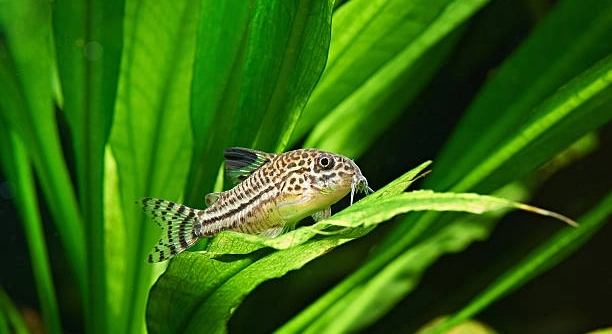
Corydoras catfish are small, peaceful creatures that are often kept in home aquariums. Understanding their behavior is key to ensuring they thrive. One aspect of their behavior is how they rest and sleep.
Corydoras catfish do sleep, though they don’t follow a typical sleep cycle like humans. They tend to rest by lying on their sides, often hiding in plants or among the substrate. These fish are more active during dawn and dusk.
Knowing when your Corydoras catfish are resting can help maintain a healthy aquarium environment for them. Understanding their rest habits also contributes to a better overall aquarium experience.
Why Corydoras Catfish Rest in Unusual Positions
Corydoras catfish have a unique resting style that may confuse new aquarium owners. They often lie on their sides or even upside down, which is completely normal. These fish don’t sleep in the same way humans do. Instead, they enter a restful state to conserve energy and recharge. Corydoras tend to do this when they feel secure and comfortable in their environment. They often choose spots where they can hide or blend in, such as under rocks or inside plants.
Sometimes, they may look motionless for long periods, especially at night. This behavior is part of their resting cycle and not a sign of illness. It’s essential to understand that Corydoras don’t need sleep in the way humans do, but they still require periods of stillness to stay healthy.
Being familiar with these behavior patterns ensures that the tank environment supports their well-being. Keep in mind that if your Corydoras is active during the day, it’s a sign they are healthy and well-rested at night.
Signs That Your Corydoras Catfish Are Resting
It’s not always easy to spot when your Corydoras is resting. Their behavior often blends in with regular activity. Knowing these signs can help you understand their rest cycles better.
One of the key indicators is their lack of movement. When your catfish are still, they are likely resting. Their fins may remain stationary, and they won’t respond to nearby activity immediately. They also may hide among substrate or decorations to rest undisturbed.
Corydoras catfish may rest in different ways, but each sign is usually easy to identify once you’re familiar with their natural behaviors. When they are in a restful state, they’re usually not swimming actively or hunting for food.
How to Spot a Corydoras That’s Resting
Corydoras catfish are typically easy to observe while they rest. The most noticeable sign is their stillness. They may appear to be completely immobile or may be lying on their side. Resting Corydoras often find shelter under plants or rocks, avoiding open areas where they might feel vulnerable.
If a Corydoras is resting, you’ll notice they aren’t swimming around actively. Their fins stay close to their body, and their breathing becomes slower. It’s essential to keep track of when they enter these rest periods, as it helps you understand their needs better. Don’t be alarmed if they appear motionless, as this is a normal and healthy behavior. Sometimes, they may even rest in a curled position, which can appear odd but is perfectly natural.
Resting Corydoras may also exhibit fewer reactions to tank disturbances. Unlike when they’re active and curious, they’ll remain undisturbed if you move objects or change water conditions. Knowing this can help you gauge whether they’re truly resting or just adjusting to their environment.
How to Maintain a Healthy Environment for Your Corydoras
A healthy environment is crucial for Corydoras catfish, especially when it comes to their resting habits. Proper water conditions, such as consistent temperature and clean water, are essential for their overall health. These factors influence how often and how deeply they rest. Make sure the water temperature is within the right range for Corydoras, generally between 72-78°F (22-26°C).
Corydoras catfish are sensitive to poor water quality. Regular water changes and a good filtration system will help keep toxins at bay. When the water quality is high, your catfish will feel more comfortable and secure, leading to more restful behaviors. It’s important to also avoid sudden changes in the tank, such as drastic water changes or introducing new fish that could cause stress.
Providing hiding spots is equally important. Corydoras are naturally shy and need secure places to rest undisturbed. Aquascaping with plants, rocks, or caves can create these necessary hiding spots. This will allow them to retreat and feel safe when resting. Keep the environment calm and stable for your Corydoras to help them thrive.
How Long Do Corydoras Catfish Rest?
Corydoras catfish don’t rest for long periods like some other fish. They tend to rest in short bursts throughout the day and night. You may notice them resting for 30 minutes to an hour at a time, often during quieter times of the day.
While resting, their activity levels drop, and they typically remain still for a while. It’s important to recognize these short rest periods and not confuse them with other health issues. After a rest, they’re likely to resume their usual behaviors, swimming and foraging. A typical rest cycle can last anywhere from 15 to 60 minutes.
Resting is part of their natural behavior, so don’t worry if you notice them resting frequently. They often rest more at night, especially if they feel secure in their environment.
How to Tell If Your Corydoras Is Sleeping
Sleeping Corydoras often look similar to resting ones, but there are a few distinctions. When sleeping, their bodies appear more relaxed. Unlike resting, where they may still move slightly, sleeping Corydoras appear completely still.
The key difference is in their body language. A sleeping Corydoras has slower, more controlled breathing and will not react to stimuli like food or movement in the tank. The position they rest in can also indicate whether they’re in a sleep state. They tend to curl up or stay flat, motionless for longer stretches.
If your Corydoras is sleeping, they may seem harder to notice due to their lack of movement. However, they are still taking in oxygen and maintaining their usual breathing patterns.
Why Corydoras Rest in Groups
Corydoras catfish are social creatures, and they often rest together in groups. This behavior is linked to their instinctual need for safety. In the wild, they tend to gather in schools, which provides them with protection from predators.
Even in the aquarium, they feel more secure when surrounded by others. Corydoras catfish find comfort in the presence of their tank mates, so they often rest in close proximity to each other. This group resting behavior isn’t necessarily a sign of distress but rather a natural tendency to stay together. By resting together, they’re also able to conserve energy more efficiently.
FAQ
Do Corydoras catfish need a lot of sleep?
Corydoras catfish don’t sleep in the traditional sense, but they do need rest. They sleep in short bursts, especially during the night, though their sleep cycles are not as long as mammals. Their rest periods last around 30 to 60 minutes, depending on their comfort and environment. These fish are more active during dawn and dusk, and they rest when they feel secure.
Can Corydoras catfish sleep during the day?
Yes, Corydoras catfish can sleep during the day, especially if they feel safe and undisturbed. They may rest more frequently in quieter periods or when they are not actively foraging. However, they also tend to be active during the early morning or late evening hours, so their rest may be broken up into shorter cycles.
How do I know if my Corydoras is resting or sick?
A resting Corydoras is typically motionless for short periods, but there are signs that can help you differentiate between rest and illness. A healthy, resting catfish may appear calm and still, but their gills will continue to move slightly, showing they’re breathing. If your fish is unresponsive to food, exhibits rapid or shallow breathing, or stays in a corner without moving, it could be sick. Check for unusual body discoloration or white spots as additional signs of illness.
Is it normal for Corydoras to rest upside down?
It’s not uncommon for Corydoras catfish to rest on their sides or even upside down for short periods. While this behavior might look odd, it’s part of their natural resting routine. They may lie on the substrate or hover in caves or plant cover when resting. However, if your Corydoras is consistently upside down and struggling to right itself, this could indicate an underlying issue such as swim bladder disease, which should be addressed.
How do I care for Corydoras catfish that are resting too much?
If you notice your Corydoras catfish are resting excessively, check their environment. Poor water quality, improper temperature, or aggressive tank mates can stress them out and cause them to rest more often. Ensure the water parameters are stable and within their ideal range—72-78°F (22-26°C)—and that the tank is free of toxins. Sometimes, providing more hiding spots or reducing the light levels can help them feel more secure.
Do Corydoras catfish sleep in groups?
Corydoras catfish are social creatures, so they tend to rest in groups. In the wild, they stay in schools for protection, and this behavior carries over in aquariums. They often rest together, finding comfort in their presence. If your Corydoras seem to gather in the same spot or rest near each other, it’s normal behavior. Group resting offers security and helps them feel safe from potential threats.
How long do Corydoras catfish sleep at night?
Corydoras don’t have long, continuous sleep periods like humans. At night, they tend to rest for a few hours, but they may wake up briefly if disturbed. Their sleep cycle isn’t strictly defined, so they may rest for anywhere from 1 to 3 hours during the night. They remain active during dusk and dawn, as that’s when they naturally forage and swim.
Do Corydoras catfish need darkness to sleep?
Corydoras catfish can sleep in both light and dark environments. However, they do prefer dimmer conditions or a stable light-dark cycle. Bright, constant light can cause them to be more active and less likely to rest. Providing a natural light schedule, with the aquarium lights turned off at night, can help mimic their natural habitat and encourage healthy rest periods.
Can Corydoras catfish sleep in a tank with other fish?
Corydoras catfish can sleep in a tank with other fish, provided the other fish are peaceful. Corydoras are generally calm and non-aggressive, so they typically get along with most community fish. However, if you have aggressive tank mates, they may disturb the catfish while resting, causing them to feel stressed and less likely to rest properly. Choose tank mates carefully to avoid disrupting their rest.
What should I do if my Corydoras catfish isn’t resting at all?
If your Corydoras catfish isn’t resting or seems constantly active, check the water quality and environment. Stressors like high noise levels, aggressive fish, or poor water conditions could keep your Corydoras on high alert, making it difficult for them to relax. Ensure they have places to hide and feel secure. Adjust the tank setup if needed, and monitor their behavior closely to see if they begin resting more often.
Can I wake up Corydoras catfish if they’re resting?
It’s best to avoid disturbing Corydoras when they’re resting, as they need these periods of stillness to stay healthy. While you can wake them up if necessary, such as when doing maintenance in the tank, it’s important to minimize disruptions. A consistent environment with minimal disturbances helps them maintain a healthy rest cycle.
Why is my Corydoras catfish resting at the top of the tank?
If your Corydoras catfish is resting at the top of the tank, it could indicate an issue with water quality or oxygen levels. Corydoras typically prefer resting closer to the bottom, where they can hide or forage. Top resting may suggest low oxygen or improper water conditions. Check the tank’s aeration and ensure the water is well-oxygenated. If the problem persists, test the water parameters for ammonia, nitrites, and pH balance.
Can Corydoras catfish sleep with their eyes open?
Yes, Corydoras catfish can appear to sleep with their eyes open. Unlike humans, fish do not have eyelids, so their eyes are always open. However, they do enter a relaxed state when resting, and their activity slows down. Even though their eyes are open, their rest cycles are just as important for their overall health.
How can I tell if my Corydoras catfish is stressed instead of resting?
If your Corydoras catfish seems restless, it could be a sign of stress rather than simple rest. Signs of stress include rapid breathing, staying at the surface, or hiding constantly. A stressed Corydoras may also refuse food or swim erratically. If you notice these signs, check for possible stressors, such as poor water quality, overcrowding, or aggressive tank mates.
Can Corydoras catfish sleep in caves or other hiding spots?
Yes, Corydoras catfish love to rest in caves or hiding spots. They naturally seek shelter in their environment to avoid predators and feel secure. In an aquarium, providing caves, plants, or rocks gives them a safe space to rest undisturbed. These hiding spots mimic their natural habitat and contribute to their overall well-being.
Final Thoughts
Corydoras catfish are fascinating creatures that exhibit unique resting behaviors. Unlike humans, they do not have a typical sleep cycle, but they still need periods of rest to stay healthy. Their rest patterns might be short, but they are essential for their overall well-being. Understanding their sleep behavior is key to ensuring their happiness in the aquarium. Observing their resting habits can help aquarium owners detect potential issues before they become serious problems. Regular monitoring of their rest and activity levels helps maintain a balanced, healthy environment.
When keeping Corydoras catfish, it’s important to provide a calm and stable environment that supports their natural behaviors. These fish do best in well-maintained tanks with stable water parameters, appropriate tank mates, and plenty of hiding spots. Avoid any sudden changes in the tank or water conditions, as these can cause stress and disrupt their rest cycles. Stress, in turn, can lead to health problems. Offering hiding places, such as caves or plants, can give them a sense of security and help promote healthy rest.
In conclusion, while Corydoras catfish do not follow the same sleep patterns as mammals, they still require adequate rest to thrive. Providing them with a stress-free environment, maintaining proper water quality, and ensuring that they have safe places to rest will help them live a long and healthy life. These small adjustments can make a big difference in the well-being of your Corydoras catfish. Whether they’re resting at the bottom, floating in a hiding spot, or quietly sleeping during the night, keeping an eye on their behavior ensures they get the rest they need.

Hello,
If you enjoy the content that we create, please consider saying a "Thank You!" by leaving a tip.
Every little bit helps us continue crafting quality advice that supports the health, happiness, and well-being of pets around the world, for pets of all shapes, sizes, and species.
We really appreciate the kindness and support that you show us!