
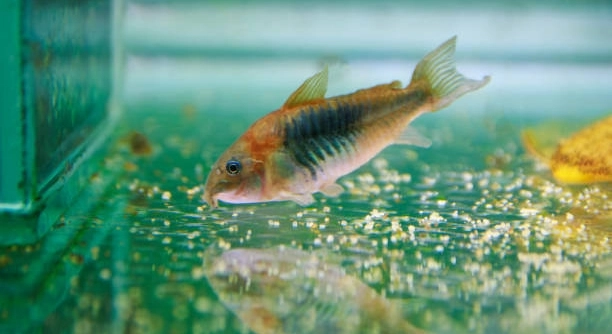
Corydoras catfish are popular in aquariums due to their friendly nature and ease of care. They are often kept in community tanks and provide a calming presence. Understanding their needs helps ensure they thrive in your tank environment.
Corydoras catfish prefer calm, slow-moving water. They are bottom dwellers and thrive in conditions where the water flow is gentle, mimicking the natural habitat of slow-moving streams and rivers. Fast-flowing water may cause stress.
By adjusting the water flow and considering other environmental factors, you can create a comfortable habitat for your corydoras. This will help keep them healthy and happy in your tank.
Why Water Flow Matters for Corydoras Catfish
Corydoras catfish are naturally found in slow-moving waters, like rivers or streams. Their bodies are designed for navigating calm environments, making them more comfortable in peaceful aquariums. Fast-moving water can be overwhelming for them. In the wild, they tend to hide in crevices or near the bottom, where the water flow is gentler. This makes it important to mimic these conditions in an aquarium. When water flow is too strong, they might become stressed, and their health could be affected.
While corydoras are generally hardy, they do better in tanks with moderate to low water movement. Aquariums with strong currents can prevent them from foraging properly and may cause them to swim erratically. They are bottom dwellers, so ensuring the water is calm at the tank’s floor is vital for their comfort.
Adjusting the flow rate is easy with the right equipment. You can use a filter with adjustable settings or add a sponge filter to provide a gentle flow. This small change can significantly improve your corydoras’ quality of life.
Best Water Conditions for Corydoras Catfish
For corydoras to thrive, you need to maintain stable water conditions. The temperature should be between 72°F to 78°F, mimicking their natural habitat. pH levels should be slightly acidic to neutral, ideally between 6.5 and 7.5.
Keeping the tank clean is also crucial, as corydoras like to stay near the bottom, where debris can gather. Regular water changes help maintain a healthy environment. Good filtration ensures that the water stays clean without creating too much current. Adding live plants can also help create hiding spots for corydoras. These plants absorb some of the current and offer a more natural environment. With the right water conditions, your corydoras will feel safe, stress-free, and happy.
Water Temperature and Corydoras Health
Water temperature plays a critical role in the overall health of your corydoras. They are accustomed to warmer waters, so maintaining the right temperature is essential for their comfort and wellbeing. If the temperature fluctuates too much, it can cause stress.
Corydoras catfish do best in water temperatures ranging from 72°F to 78°F. Keeping the temperature stable is key, as rapid changes can lead to illness or even death. A reliable aquarium heater helps maintain the proper warmth. Be sure to check the temperature regularly with an aquarium thermometer to avoid any surprises.
A water temperature that is too cold or too hot can affect the fish’s immune system, making them more susceptible to diseases. Inconsistent temperature changes can also cause them to become more sedentary, preventing them from foraging or interacting naturally with the environment. Stability is everything for these fish.
Water pH Levels for Corydoras
Corydoras catfish prefer water that is slightly acidic to neutral. The ideal pH range is between 6.5 and 7.5. Keeping the water within this range is vital to their health, as extreme pH levels can harm their gills and overall function.
When the water is too acidic or alkaline, it can stress your corydoras and lead to problems with their respiration and skin. Regular testing with a pH test kit will help you maintain the proper levels. Adjusting the pH can be done with safe products, but it should be done slowly to avoid shocking the fish. Rapid changes in pH can harm them.
Stable water pH is just as important as water temperature. Keeping it in the proper range will prevent potential issues such as fungal infections or improper digestion. Corydoras are hardy, but they need the right balance to thrive. Regular monitoring of pH levels helps ensure a healthy tank environment.
Aquarium Size and Space for Corydoras
Corydoras catfish require enough space to move around comfortably. They are bottom dwellers and need a spacious tank to explore and forage. A cramped environment can lead to stress and even health problems.
The minimum recommended tank size for corydoras is 20 gallons. While they can live in smaller tanks, a larger space provides better water quality and more room for them to swim. It also reduces the chances of territorial behavior and ensures they can establish their own space. Keeping the tank clean and ensuring it is adequately filtered will make it easier to maintain.
Tank Mates for Corydoras
Corydoras catfish are peaceful creatures, making them ideal for community tanks. They get along well with other non-aggressive fish that are similar in size. However, they should be kept with species that won’t disrupt their bottom-dwelling habits.
Avoid keeping corydoras with fin-nipping or overly active fish, as they can cause stress. Smaller, calm fish like tetras, guppies, or rasboras make good companions. By choosing the right tank mates, you can help keep your corydoras happy and stress-free. A peaceful environment encourages natural behavior and promotes better health.
Aquarium Substrate for Corydoras
The substrate in your tank can greatly affect the well-being of your corydoras. These catfish spend much of their time digging and scavenging on the bottom, so a soft, smooth substrate is essential.
Sharp gravel or rough materials can damage their sensitive barbels, leading to infection or injury. Opt for fine sand or smooth pebbles instead, as these materials won’t harm their delicate whiskers. A soft substrate also allows them to forage more effectively, mimicking their natural habitat.
FAQ
Do Corydoras catfish like fast-flowing water?
Corydoras catfish prefer calm, slow-moving water. They are bottom dwellers and naturally live in areas with little current, such as shallow streams or slow-moving rivers. Fast-moving water can stress them out, making it harder for them to forage or feel comfortable. A gentle flow mimics their natural environment, so it’s best to keep the water current low to moderate in your tank.
What is the best tank size for Corydoras catfish?
The minimum recommended tank size for Corydoras catfish is 20 gallons. While they can live in smaller tanks, they thrive in larger spaces with more room to move around. A larger tank allows for better water quality and more stable conditions, which reduces stress and promotes healthier fish. If you plan on keeping more than one corydoras or adding tank mates, consider a 30-gallon tank or larger.
How many Corydoras catfish can live in a 20-gallon tank?
In a 20-gallon tank, you can comfortably keep around 6 to 8 Corydoras catfish. This allows them enough space to move around, forage, and socialize. Corydoras are social fish and prefer to be in groups, so it’s best to keep at least three or more. Keeping them in a group reduces stress and promotes natural behavior.
What is the best substrate for Corydoras catfish?
Corydoras catfish do best with a soft, smooth substrate. Fine sand is the most ideal, as it won’t damage their delicate barbels. Avoid sharp gravel or rough stones, as these can cause injury. A soft substrate also allows them to dig and forage naturally, which is an important part of their behavior. You can also use smooth pebbles or river rock, as long as they are rounded and not sharp.
How often should I change the water for Corydoras catfish?
Water changes are crucial to keeping your corydoras healthy. A 25% to 30% water change every one to two weeks is typically recommended. However, if your tank is heavily stocked, or you have filtration issues, you may need to change the water more often. Consistent water changes help keep toxins like ammonia and nitrites at safe levels, preventing disease and ensuring a clean environment.
Can Corydoras catfish live with other fish?
Yes, Corydoras catfish are peaceful and do well in community tanks with other non-aggressive fish. They are bottom dwellers, so they tend to keep to themselves. Good tank mates include small tetras, rasboras, and guppies. Avoid aggressive species or those that may nip at their barbels, such as fin-nipping fish. Keeping peaceful fish together helps reduce stress and maintains a calm tank environment.
How do I know if my Corydoras catfish is stressed?
Corydoras catfish can show signs of stress in a few ways. Common indicators include hiding more than usual, swimming erratically, or appearing sluggish. Changes in behavior, such as excessive rubbing against objects or reduced appetite, are also signs of stress. Stress can be caused by various factors, including poor water quality, aggressive tank mates, or improper water conditions, such as high current or temperature fluctuations. If you notice signs of stress, it’s important to check the water parameters and make any necessary adjustments.
How long do Corydoras catfish live?
Corydoras catfish have a lifespan of around 5 to 10 years when kept in the right conditions. With proper care, including maintaining clean water, stable temperatures, and appropriate tank mates, they can live a long and healthy life. Keep an eye on their behavior and health, and make sure the tank environment remains stable to help them live to their full potential.
Are Corydoras catfish nocturnal?
Yes, Corydoras catfish are mainly nocturnal. They tend to be more active during the evening and night, foraging for food at the tank’s bottom. During the day, they usually rest or hide. It’s important to provide them with hiding spots, such as plants, caves, or decorations, where they can feel safe during their rest period.
What should I feed my Corydoras catfish?
Corydoras catfish are omnivores, and they will eat a variety of foods. You can feed them sinking pellets, frozen or live foods like bloodworms and brine shrimp, and occasional vegetable matter like blanched zucchini or spinach. Make sure to provide food that sinks to the bottom, as corydoras are bottom feeders. Avoid overfeeding, as leftover food can degrade water quality.
Can Corydoras catfish breed in an aquarium?
Yes, Corydoras catfish can breed in an aquarium, but they need the right conditions. To encourage breeding, maintain stable water temperature (around 74°F to 78°F) and clean, slightly acidic water. They may spawn in groups and deposit eggs on surfaces like plants, rocks, or decorations. After spawning, the eggs will hatch in a few days, and the baby fish (fry) will require small foods like infusoria or baby brine shrimp. It can take some time for them to breed naturally in a tank, but with the right setup, it is possible.
Final Thoughts
Corydoras catfish are wonderful additions to any aquarium due to their calm nature and ease of care. They thrive in peaceful environments with stable water conditions and enjoy being in groups. Ensuring they have a well-maintained tank with proper water flow, temperature, and pH levels is crucial for their health. By replicating their natural habitat with slow-moving water, a gentle substrate, and plenty of space, you will provide a comfortable environment for these bottom-dwelling fish.
As long as you keep an eye on their water quality, temperature, and tank mates, Corydoras catfish can live for many years, offering joy with their playful and social behavior. They prefer tanks with moderate to low current and are sensitive to changes in their environment. By following simple care guidelines, such as feeding them properly, performing regular water changes, and maintaining a stable tank, your Corydoras will flourish. These fish are hardy, but they do require consistent attention to keep them healthy and stress-free.
Overall, Corydoras catfish are a great choice for both beginner and experienced aquarium owners. They are easy to care for, get along well with other fish, and provide entertainment with their active foraging. With the right environment, these fish will thrive and add beauty to your aquarium for years to come. So, whether you’re just starting out with an aquarium or have been keeping fish for a while, Corydoras catfish make a great addition to your tank. Their gentle, social nature makes them a popular choice for community tanks, and their bottom-feeding habits help keep the tank clean. Just remember, maintaining the right water conditions and keeping their environment calm will ensure they live a long, healthy life.

Hello,
If you enjoy the content that we create, please consider saying a "Thank You!" by leaving a tip.
Every little bit helps us continue crafting quality advice that supports the health, happiness, and well-being of pets around the world, for pets of all shapes, sizes, and species.
We really appreciate the kindness and support that you show us!