
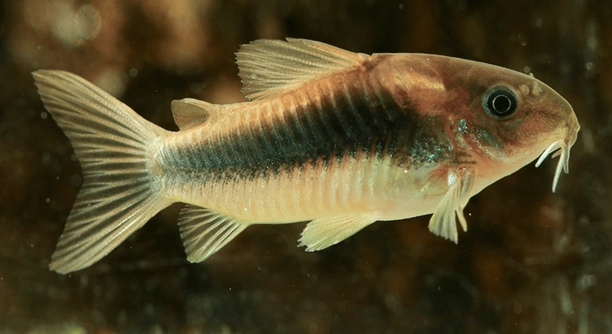
Corydoras catfish are popular freshwater fish known for their peaceful nature. When setting up their tank, tank dimensions and layout are important considerations for their well-being. Knowing whether they prefer long or tall tanks can enhance their habitat.
Corydoras catfish generally prefer longer tanks over taller ones. This is because they enjoy swimming horizontally and require more space to explore. A long tank mimics their natural environment more closely and provides ample swimming room.
Choosing the right tank setup is essential for your Corydoras catfish to thrive. Proper tank dimensions and structure can improve their comfort and health.
Why Tank Dimensions Matter for Corydoras Catfish
Corydoras catfish are bottom-dwelling fish that enjoy swimming in areas with plenty of space. The tank’s dimensions play a significant role in their health and behavior. A long tank, with more horizontal space, better mimics their natural habitat in the wild. They often explore and swim along the bottom, foraging for food. In contrast, tall tanks restrict their movement, which can stress them out. It is essential to prioritize the right shape for their tank setup, especially if you want your fish to be active and comfortable.
A well-planned tank setup also allows the catfish to exhibit their natural behaviors, such as school formation and interaction with other fish. With the right environment, your Corydoras catfish will thrive, providing you with a peaceful aquarium.
When choosing a tank for your Corydoras, focus on length over height. A longer tank gives them room to swim back and forth, promoting their well-being. Additionally, a larger surface area ensures better oxygenation, which is crucial for their health.
Best Tank Setup for Corydoras Catfish
A good tank setup for Corydoras involves creating a comfortable, safe space that encourages natural behavior. A fine-gravel substrate is ideal for these catfish, as it allows them to burrow and forage without causing injury to their sensitive barbels. The water should be soft to medium, with a slightly acidic to neutral pH. Avoid strong currents, as Corydoras prefer calmer waters that allow them to explore at their own pace. Plants, such as Java fern or moss, can provide hiding spots and shade, mimicking their natural habitat.
Lighting should be moderate, as Corydoras catfish are not fans of bright light. Ensure that the tank has appropriate filtration to maintain clean water without creating strong currents. A well-balanced environment with stable water conditions will help the catfish adjust and thrive in their new home. This setup will give them the right conditions to feel safe and active. Proper tank management can prevent stress and health issues in your fish.
Tank Size and Water Quality for Corydoras
Corydoras catfish thrive in tanks that provide stable water conditions. A tank of at least 20 gallons is ideal for a small group of these fish. Water quality is essential, as Corydoras are sensitive to toxins like ammonia and nitrites. Regular water changes help maintain clean water.
Filtration is a key component of a healthy tank setup for Corydoras catfish. A gentle filter with adjustable flow ensures the water stays clean without stressing the fish. Over-filtering can cause strong currents that the fish may avoid. A properly maintained filtration system will also help oxygenate the water, promoting good health for your catfish.
Temperature also plays a role in maintaining water quality. Corydoras catfish prefer temperatures between 72°F and 78°F. Keeping the water within this range helps reduce stress and keeps the fish active. It’s essential to regularly test the water parameters and make adjustments when necessary to ensure a balanced environment.
Tank Mates for Corydoras Catfish
Corydoras are peaceful fish and do well with other calm species. When selecting tank mates, avoid aggressive or fin-nipping fish that could stress them out. Other small, non-aggressive fish, like tetras or rasboras, make ideal companions. Corydoras often swim along the bottom, so consider choosing fish that primarily occupy the middle or upper parts of the tank.
It’s important to choose tank mates that won’t outcompete the Corydoras for food. These catfish are slow feeders, so smaller or calmer fish are ideal to ensure they get their share. Avoid aggressive species that might chase or harass the catfish. A peaceful, mixed-species tank can create a balanced ecosystem that supports the well-being of all the fish.
While Corydoras are social, they are also shy and may prefer tanks with plenty of hiding spots and plants. This gives them the opportunity to retreat if they feel threatened. Ensure that the environment remains calm and stable, providing the perfect space for these bottom-dwelling catfish.
Substrate Choices for Corydoras Catfish
Corydoras catfish prefer soft substrates that don’t harm their sensitive barbels. Fine gravel or sand works best, allowing them to sift through it while foraging. Avoid sharp or large gravel, which could injure them. A soft substrate helps maintain a clean tank and provides a comfortable environment for the fish.
Adding plants and decorations on top of the substrate creates hiding spots and additional structure. Corydoras enjoy exploring and foraging through the substrate, which also gives them opportunities to dig and uncover food. This setup mimics their natural habitat, enhancing their overall well-being in the tank.
Filtration for Corydoras Catfish Tanks
A gentle filtration system is essential for Corydoras catfish tanks. They prefer slow-moving water and do not do well in strong currents. A filter that is too powerful can cause stress and force the fish to avoid certain areas of the tank. A sponge filter is an excellent option for creating a calm environment.
The filter should be adjusted to provide efficient filtration without creating too much water movement. This ensures the water stays clean and oxygenated, promoting the health of your Corydoras. Be sure to clean the filter regularly to maintain its effectiveness.
Ideal pH and Hardness for Corydoras
Corydoras catfish prefer slightly acidic to neutral water, with a pH between 6.0 and 7.5. They do not thrive in hard water, so it’s important to monitor the hardness level. Soft water, with a hardness of 2 to 12 dGH, is ideal for these fish.
FAQ
Do Corydoras catfish prefer groups or are they fine alone?
Corydoras catfish are social creatures and should be kept in groups of at least 3-5 individuals. They are naturally schooling fish, and being alone can cause stress. Keeping them in groups helps reduce anxiety and allows them to exhibit natural behaviors. A group also gives them more confidence and promotes a healthier environment.
What is the ideal tank size for Corydoras catfish?
The minimum tank size for Corydoras catfish is 20 gallons. However, larger tanks are always better, especially if you plan to keep multiple fish or other species. A 20-gallon tank provides enough space for a small group of Corydoras to swim and explore, while larger tanks allow for better filtration and a more stable environment.
Can Corydoras catfish live in a tank with other fish?
Yes, Corydoras catfish can live with most peaceful community fish. They are non-aggressive and typically stay near the bottom of the tank. They do best with other calm species such as tetras, rasboras, or guppies. Avoid keeping them with aggressive or large fish that could harm or outcompete them for food.
How often should I feed my Corydoras catfish?
Corydoras catfish are opportunistic feeders and should be fed once or twice a day. A varied diet of sinking pellets, live or frozen foods like bloodworms, and occasional vegetables will keep them healthy. Avoid overfeeding, as they tend to scavenge for food in the substrate. Remove uneaten food to prevent water quality issues.
What type of water do Corydoras catfish need?
Corydoras catfish thrive in soft to medium-hard water with a slightly acidic to neutral pH. The ideal pH range is between 6.0 and 7.5. Regularly test your tank’s water to ensure it is within these parameters. They are sensitive to fluctuations in water quality, so maintaining stable conditions is crucial for their health.
Do Corydoras catfish need a filter?
Yes, Corydoras catfish need a filter to maintain clean water. However, it’s important to use a filter that does not create strong currents. A sponge filter or a gentle power filter works best for Corydoras. This provides the necessary water movement for oxygenation while maintaining a calm environment for the fish.
How do I prevent my Corydoras catfish from becoming stressed?
To reduce stress in Corydoras catfish, keep them in a well-maintained tank with stable water conditions. Avoid strong currents, and provide plenty of hiding spots using plants or decorations. Keeping them in groups and avoiding aggressive tankmates will also reduce stress. Regular water changes are important to maintain a healthy environment.
What is the lifespan of Corydoras catfish?
Corydoras catfish can live for 5-7 years when kept in a well-maintained tank. Their lifespan depends on water quality, diet, and overall tank conditions. Proper care can help them live a long, healthy life. Regular water testing and proper feeding habits are essential for maintaining their health.
Can Corydoras catfish breed in captivity?
Yes, Corydoras catfish can breed in captivity if the conditions are right. They typically breed when water quality is optimal, and the tank is well-maintained. The breeding process involves the female laying eggs on a clean surface, which are then fertilized by the male. These eggs hatch in about 4-6 days. Proper care of the fry includes providing them with small foods and maintaining water quality.
Are Corydoras catfish good for beginners?
Corydoras catfish are generally considered good for beginners. They are hardy fish that do well in a variety of water conditions and are easy to care for. Their peaceful nature makes them a great addition to community tanks. However, beginners should still ensure that the tank is properly set up and maintained to avoid issues with water quality and tankmates.
Do Corydoras catfish require a lot of maintenance?
Corydoras catfish are relatively low-maintenance, but regular water changes, substrate cleaning, and filter maintenance are necessary to keep the tank in good condition. They are sensitive to poor water quality, so regular testing and monitoring are important. As long as the tank is properly cared for, the catfish will thrive with minimal effort.
Can Corydoras catfish live with shrimp?
Yes, Corydoras catfish can live with shrimp. They are generally peaceful and won’t harm the shrimp. However, larger shrimp or those with soft shells may be at risk of being eaten by the catfish. It’s best to house smaller shrimp species with Corydoras, as they are more likely to coexist peacefully.
What is the best substrate for Corydoras catfish?
The best substrate for Corydoras catfish is fine sand or smooth, small-gravel. They like to dig through the substrate and search for food, so sharp gravel could damage their delicate barbels. A soft substrate also makes it easier for them to sift through the sand and enjoy their natural foraging behavior.
Can Corydoras catfish live with other bottom-dwelling fish?
Corydoras catfish can live with other bottom-dwelling fish as long as the other species are peaceful. It’s best to avoid keeping them with aggressive or larger bottom-dwellers that may compete for food or space. Smaller, peaceful species like other Corydoras, small loaches, or peaceful catfish are suitable tankmates.
How do I know if my Corydoras catfish is healthy?
Healthy Corydoras catfish have bright eyes, clear skin, and active behavior. They should be swimming calmly and foraging along the bottom of the tank. A healthy catfish will eat eagerly and interact with its tankmates. If your Corydoras is lethargic, not eating, or showing signs of disease, it may be a sign of health issues.
Why are my Corydoras catfish not eating?
There are several reasons why Corydoras catfish may not eat, including stress, poor water quality, or incompatible tankmates. Check your water parameters to ensure they are within the optimal range. Ensure that the fish have enough space and are not being outcompeted for food by other species in the tank.
Do Corydoras catfish need special lighting?
Corydoras catfish do not require special lighting. They prefer dim or moderate lighting, as they are not active during the brightest times of the day. Provide a low to moderate lighting setup that allows them to feel comfortable and reduce stress. Too much light can cause them to hide and become anxious.
Final Thoughts
Corydoras catfish are an excellent choice for aquarium enthusiasts seeking a peaceful and easy-to-care-for fish. These catfish are hardy, adaptable to various water conditions, and get along well with many other species. Their social nature and playful behavior make them enjoyable to watch, especially when kept in groups. A well-set-up tank with the right substrate, plants, and gentle filtration will provide a comfortable environment for Corydoras to thrive. By choosing appropriate tankmates and keeping water quality stable, you can create a peaceful, thriving habitat for these fish.
Proper care, such as maintaining the correct pH, water hardness, and temperature, is essential for ensuring the health of Corydoras catfish. A varied diet, including sinking pellets and occasional live or frozen food, helps keep them healthy and active. Regular water changes and routine filter maintenance are important to prevent any water quality issues. Since Corydoras catfish are bottom dwellers, they benefit from a soft substrate that mimics their natural environment. Avoiding sharp or rough surfaces is key to preventing injury, as their delicate barbels are highly sensitive.
Finally, the peaceful and adaptable nature of Corydoras catfish makes them a great addition to most community tanks. They are ideal for beginners and experienced fish keepers alike. When kept in proper conditions, Corydoras catfish can live for several years, providing enjoyment and interest in your aquarium. With a little care and attention to their needs, these fish will thrive and contribute to the overall health of your tank.

Hello,
If you enjoy the content that we create, please consider saying a "Thank You!" by leaving a tip.
Every little bit helps us continue crafting quality advice that supports the health, happiness, and well-being of pets around the world, for pets of all shapes, sizes, and species.
We really appreciate the kindness and support that you show us!