
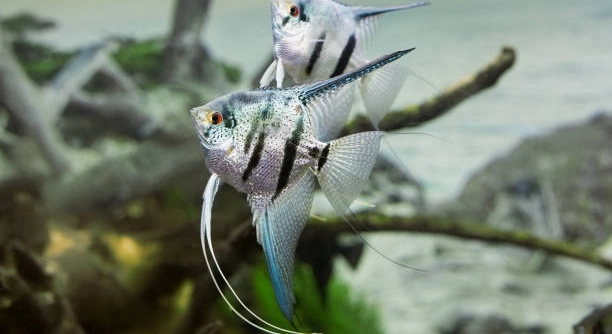
Angelfish are a popular choice for aquarium enthusiasts, but taking care of them can sometimes be tricky. Many people get confused about their care requirements due to common myths and misconceptions.
Several myths about angelfish care can lead to misunderstandings that may affect their health. For example, many believe angelfish thrive in harsh conditions, or that they can be kept in any size tank. These myths are inaccurate and can lead to poor care.
Getting the facts right about angelfish care is crucial for maintaining their well-being. Understanding the truth behind these myths will help you create a thriving environment for your fish.
Myth #1: Angelfish Can Survive in Any Tank Size
A common myth about angelfish care is that they can live in any tank size. Many people believe that because angelfish are small when young, they won’t need much space as they grow. However, angelfish require a tank of at least 30 gallons, even when they’re young. A smaller tank restricts their movement and can lead to stress. Stress in fish can lead to weakened immune systems and make them more vulnerable to diseases.
Angelfish are active swimmers, and they need space to move around comfortably. A cramped tank can cause them to become aggressive or territorial, especially as they grow older.
A larger tank also provides a stable environment with more room for filtration, keeping the water quality optimal. Poor water quality can cause various health issues for your angelfish, including skin irritation and infections. Make sure your tank size is appropriate for your fish’s needs. This will help keep them healthy and content.
Myth #2: Angelfish Need Constantly Warm Water
Many aquarium owners believe that angelfish need water that is always warm, but this is not entirely true. While angelfish prefer temperatures between 76-82°F (24-28°C), they don’t require a constant, high temperature to survive.
Angelfish are adaptable and can tolerate slight temperature fluctuations. However, extreme shifts in temperature or consistently high temperatures can stress them out and even shorten their lifespan. It’s important to avoid sudden changes in temperature, as they can cause health problems like temperature shock.
To maintain the ideal temperature for angelfish, use a reliable aquarium heater with a thermostat to keep the water within the appropriate range. Make sure the heater is sized correctly for your tank, as an underpowered heater can struggle to maintain the temperature. Additionally, try not to place your tank in areas where temperatures fluctuate drastically, like near windows or air conditioning units. Maintaining a steady temperature will keep your angelfish comfortable and healthy in the long run.
Myth #3: Angelfish Are Aggressive All the Time
While angelfish can be territorial, they are not aggressive by nature. They tend to display aggression when they feel their space is threatened, especially during breeding. This myth often arises from their territorial behavior during mating seasons. Outside of this period, angelfish can live peacefully with compatible tank mates.
The aggression in angelfish is usually seen when they feel crowded or are protecting their eggs. Providing plenty of hiding spots and space in the tank can reduce these aggressive behaviors. Introducing other fish carefully and ensuring they have enough space can also prevent tension between tank mates.
Angelfish are usually calm and graceful when kept in a balanced environment. They thrive in tanks where they aren’t overcrowded and where they can establish their own territory without feeling threatened. With the right setup and careful selection of companions, angelfish can coexist peacefully in most community tanks.
Myth #4: Angelfish Need a Very Complicated Diet
Angelfish do not require a particularly complicated diet. While they are omnivores and enjoy variety, feeding them a simple diet of quality flake or pellet food along with occasional live or frozen food is usually sufficient. Overcomplicating their diet can lead to overfeeding, which is harmful.
Angelfish can also enjoy a mix of vegetables like spinach and peas, which can be offered occasionally. While some may recommend fancy food for angelfish, the reality is that a high-quality staple food and occasional treats will meet their nutritional needs. Overfeeding, though, can quickly lead to health problems, such as poor water quality and obesity in fish.
It’s important to maintain a regular feeding schedule for angelfish. Feed them small amounts, once or twice a day, ensuring they consume everything in a few minutes. This prevents uneaten food from polluting the tank. A well-balanced diet and proper feeding habits will ensure your angelfish stay healthy and vibrant.
Myth #5: Angelfish Require Constant Attention
Angelfish are relatively low-maintenance once their tank is set up properly. They don’t require constant attention or care. However, they do need regular water changes, proper filtration, and routine feeding. As long as these basic needs are met, they can thrive without too much intervention.
You don’t need to hover over your angelfish constantly. In fact, too much interaction or disturbance can cause stress. They do well when their environment is stable, so avoid making unnecessary changes. Just keep an eye on water quality and ensure they’re eating well, and they’ll be fine.
Myth #6: Angelfish Can Live in Tap Water Without Any Problems
Tap water can be harmful to angelfish, as it often contains chlorine, chloramine, and other chemicals that may not be safe for aquatic life. These chemicals can damage their gills, disrupt their immune systems, and even kill them over time.
To ensure your angelfish thrive, always treat tap water with a dechlorinator before adding it to their tank. It’s also a good idea to check the pH, hardness, and other levels of your tap water to make sure they fall within the ideal range for angelfish.
Myth #7: Angelfish Don’t Need Good Filtration
Good filtration is essential for angelfish health. Without it, waste and uneaten food build up, causing water quality to deteriorate quickly. Even though angelfish don’t produce as much waste as some fish, a clean environment is still crucial for their well-being.
A properly sized filter helps maintain water quality, ensuring that harmful toxins are removed and oxygen levels stay high. It also helps keep the tank’s ecosystem stable, which is important for preventing diseases. Regular filter maintenance is also necessary to keep it functioning properly.
FAQ
How often should I feed my angelfish?
Angelfish should be fed once or twice a day. Offer small portions that they can consume in a few minutes. It’s better to feed them smaller amounts more frequently than overfeeding at one time. Ensure that there is no leftover food to avoid polluting the water. Feed them a variety of foods like high-quality flakes, pellets, and occasional live or frozen treats.
Can angelfish live with other fish?
Yes, angelfish can live with other fish as long as their tank mates are peaceful and of similar size. Avoid placing small or overly aggressive fish with them. Angelfish tend to be territorial, especially when breeding, so providing plenty of hiding spots helps prevent conflicts. Suitable tank mates include tetras, gouramis, and other peaceful species.
Do angelfish need a heater?
Yes, angelfish need a heater to maintain a stable water temperature between 76°F and 82°F (24°C – 28°C). They are tropical fish and thrive in warm waters. A reliable aquarium heater with a thermostat is essential for keeping the water temperature consistent, as temperature fluctuations can stress the fish and make them more susceptible to disease.
How do I know if my angelfish are sick?
Signs of illness in angelfish include changes in behavior, such as lethargy or hiding more than usual. You may also notice physical signs like discoloration, lesions, or abnormal swimming patterns. If your angelfish are rubbing against objects, it could indicate skin irritation or parasites. Keep an eye on the water quality, as poor conditions often lead to illness.
How do I set up a tank for angelfish?
To set up a proper tank for angelfish, start with at least a 30-gallon tank to give them enough space. The tank should be equipped with a good filtration system and a reliable heater. Use smooth substrate like sand or fine gravel and add plants, rocks, and driftwood to create hiding spots. Keep the tank well-lit but not too bright, as angelfish prefer softer lighting. Regular water changes (about 25% per week) will help maintain a healthy environment.
What size tank is best for angelfish?
Angelfish require a minimum of a 30-gallon tank. A larger tank is always better as it provides more space for swimming and reduces territorial behavior. If you plan on keeping more than one angelfish or adding other fish, consider a tank of 55 gallons or more. More space also helps maintain water quality.
Are angelfish hard to take care of?
Angelfish are not particularly hard to take care of, but they do have specific needs. Maintaining good water quality, feeding them the right foods, and monitoring their temperature and tank mates are the basics of angelfish care. Once their environment is stable, they are relatively low-maintenance. However, they do need attention, especially when it comes to water changes and tank upkeep.
How can I tell if my angelfish is male or female?
It can be tricky to tell the difference between male and female angelfish, especially when they’re young. Males tend to have a longer, pointier dorsal fin, while females generally have a rounder, fuller body shape. During breeding, males may become more aggressive and exhibit behaviors like flaring their fins.
Can I keep more than one angelfish in the same tank?
Yes, you can keep more than one angelfish in the same tank, but make sure the tank is large enough. It’s best to have a group of angelfish in a tank of at least 55 gallons to prevent territorial issues. It’s important to keep an eye on their behavior, as they can get aggressive toward each other, especially when breeding. In some cases, you might need to separate them to reduce conflicts.
What do angelfish eat?
Angelfish are omnivores and will eat a variety of foods. Their diet should primarily consist of high-quality flakes or pellets designed for tropical fish. You can supplement their diet with occasional live or frozen foods, like brine shrimp, daphnia, or bloodworms. They also enjoy blanched vegetables such as peas or spinach, which provide important nutrients. Avoid overfeeding, as uneaten food can pollute the tank.
Can I use tap water for my angelfish tank?
Tap water can be used, but it’s important to treat it with a dechlorinator first to remove harmful chemicals like chlorine and chloramine. Also, check the pH and hardness of your tap water to ensure it’s within the range angelfish prefer (pH 6.5-7.5, hardness 3-8 dGH). If your tap water isn’t ideal, consider using filtered or conditioned water.
Do angelfish require a lot of space to swim?
Angelfish enjoy swimming, but they don’t need as much space as some other species. However, they do require a minimum of 30 gallons of tank space, with a larger tank being preferable if you plan on keeping multiple angelfish. Providing plenty of open space to swim, along with plants and decorations for hiding, will keep your angelfish happy and healthy.
How often should I change the water in my angelfish tank?
Water changes should be done regularly to keep the tank environment healthy. It’s recommended to change about 25% of the water every week. If you have a heavily stocked tank, you may need to do more frequent water changes. Always check the water parameters to ensure they are stable and within the safe range for angelfish. Regular water changes help prevent toxins from building up and maintain a balanced ecosystem.
Final Thoughts
Taking care of angelfish can be a rewarding experience when you understand their specific needs. While there are many myths surrounding their care, it’s important to stick to the facts to ensure they live a healthy life in your aquarium. Angelfish are relatively easy to care for as long as you provide them with the right environment, proper tank size, and a balanced diet. By knowing what they need and avoiding common misconceptions, you can enjoy their beauty and graceful movements without unnecessary stress.
One of the key aspects of angelfish care is ensuring that their living space is large enough for them to swim comfortably. A tank of at least 30 gallons is essential, but a larger tank is always better. This provides them with more room to move around, helps keep the water clean, and allows for better filtration. Regular water changes and proper filtration are also crucial for maintaining a healthy environment. Keeping the water temperature stable and treating tap water before adding it to the tank can prevent many common problems and help keep your angelfish happy.
Finally, understanding angelfish behavior and being patient with them is essential. They are peaceful creatures that enjoy a calm, stable environment. With the right care, they can live for many years in your aquarium. While they may need occasional attention, such as feeding and monitoring their health, they don’t require constant intervention. By staying informed and avoiding myths, you can ensure that your angelfish thrive and bring beauty to your aquarium for years to come.

Hello,
If you enjoy the content that we create, please consider saying a "Thank You!" by leaving a tip.
Every little bit helps us continue crafting quality advice that supports the health, happiness, and well-being of pets around the world, for pets of all shapes, sizes, and species.
We really appreciate the kindness and support that you show us!