
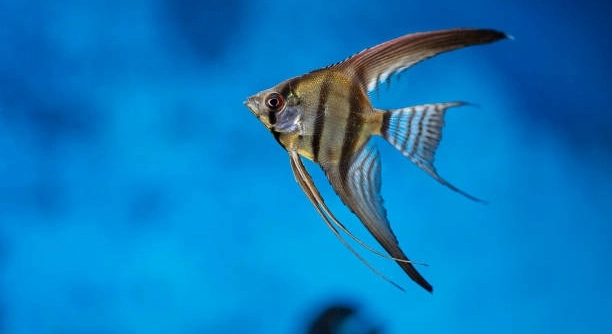
Angelfish are beautiful and lively creatures, but sometimes they may seem off after a water change. It can be concerning when your angelfish is acting lethargic, especially when everything seems fine. Understanding what might be going on can help.
There are several factors that could explain your angelfish’s lethargy after a water change. It could be related to sudden changes in water parameters, stress from the cleaning process, or even the temperature difference between the old and new water.
Different variables could affect your fish’s well-being. Identifying and addressing these issues will help you ensure a healthier environment for your angelfish.
Sudden Water Changes Can Stress Your Angelfish
When you change the water in your tank, it can cause stress for your angelfish, especially if the process is abrupt. Fish are sensitive to water conditions, and any rapid change can affect their comfort. They may feel unsettled by differences in temperature, pH, or even the water’s hardness. This stress often leads to lethargy and other behavioral changes. It’s important to make water changes gradually and ensure that the new water matches the previous conditions as closely as possible to reduce stress.
Changing the water slowly over time can minimize these negative effects and keep your angelfish more comfortable.
A slow water change is not only gentler on your fish but also allows them to adjust gradually. By ensuring the water temperature and parameters are stable, you’re helping to maintain a healthy environment for your angelfish. Remember to test your water frequently to avoid any sudden surprises.
Water Temperature Fluctuations May Be the Issue
Fish are very sensitive to temperature shifts. If there is a big difference between the temperature of the old and new water, your angelfish may react by becoming lethargic.
It’s essential to match the new water temperature as closely as possible to the tank’s current temperature before adding it. If the temperature is too cold or too hot, it can shock the fish and cause stress, which might lead to their inactivity. A good practice is to allow the replacement water to sit for a while and adjust to room temperature before adding it. If you’re unsure about the water’s temperature, use a thermometer to check before introducing it to the tank.
High or Low pH Levels Can Affect Angelfish Behavior
When the pH levels in your tank fluctuate, it can impact your angelfish’s health. Fish are sensitive to even small changes in pH, and when the water becomes too acidic or too alkaline, they might become stressed. This stress can lead to lethargy.
Before performing a water change, it’s crucial to check the pH levels of both the tank and the new water. If there’s a significant difference between them, it can cause discomfort for your angelfish. Aim to maintain a consistent pH level to keep your fish calm. The ideal pH for angelfish is usually between 6.5 and 7.5.
If the pH levels are too far off, you might need to adjust the water parameters gradually. Adding pH buffers or using water conditioners can help balance the pH levels, ensuring a more stable environment. Rapid shifts in pH should be avoided to prevent any further stress or health problems for your angelfish.
Ammonia or Nitrite Spikes Could Be the Cause
Ammonia and nitrite levels are crucial for the health of your tank. If there’s a spike in either of these after a water change, it could make your angelfish feel unwell, leading to lethargy. These toxic compounds often appear when the biological filtration is insufficient or overwhelmed.
Check your tank’s water parameters regularly, especially after a water change. High ammonia or nitrite levels can occur if too much waste is left in the tank or if the filter is not working properly. In extreme cases, these toxins can harm the fish, causing them to act sluggish or even become sick.
To fix this issue, perform partial water changes, ensure proper filtration, and clean the tank regularly. Consider adding beneficial bacteria to help with the biological filtration process, and always test your water before and after changing it to ensure the ammonia and nitrite levels are safe for your angelfish.
Overfeeding Can Lead to Water Quality Issues
Overfeeding your angelfish can quickly affect water quality. Excess food decomposes and releases harmful substances like ammonia, which can stress your fish and make them feel lethargic. It’s important to feed your fish only what they can consume in a few minutes.
Feeding too much not only pollutes the water but also leads to imbalances in the tank. This poor water quality could be one of the reasons why your angelfish seems sluggish after a water change. Regularly removing uneaten food can help maintain a clean and healthy environment.
Insufficient Oxygen Levels
After a water change, oxygen levels in the tank may fluctuate. This drop can cause your angelfish to act lethargic. Fish rely on oxygenated water to stay active and healthy. If the oxygen levels are too low, they may become sluggish or even stressed.
Make sure your tank has proper aeration, especially after water changes. Use air pumps or increase surface agitation to help improve oxygen exchange. Regular water changes with a good filtration system can also aid in maintaining higher oxygen levels, ensuring your fish stay active and healthy.
Fish Illnesses Can Cause Lethargy
Fish can sometimes become sick after water changes due to a weakened immune system or stress. This illness can lead to lethargy as the fish struggle to recover.
If your angelfish has been exposed to unsanitary water or improper tank conditions, it may develop diseases such as fin rot or external parasites. These conditions often cause inactivity. Ensure that your tank is clean, maintain good water quality, and monitor your fish closely for signs of illness, such as abnormal swimming or loss of appetite.
FAQ
Why is my angelfish lethargic after a water change?
Lethargy in angelfish after a water change is often caused by stress from sudden changes in water temperature, pH, or ammonia levels. Fish are sensitive to these fluctuations. Stress can be reduced by making water changes gradually, ensuring the new water is similar to the tank’s current parameters. A sudden shift in water conditions can make your angelfish feel uncomfortable and lead to sluggish behavior.
Can too much water change harm my angelfish?
Yes, changing too much water at once can shock your angelfish. While regular water changes are necessary for a healthy tank, removing too much water at once can disrupt the balance of chemicals in the water and cause stress. It’s better to perform smaller, more frequent water changes rather than large ones to keep your fish comfortable.
How do I know if my angelfish is stressed after a water change?
Signs of stress in angelfish include lethargy, hiding, loss of appetite, or erratic swimming. You might notice that your fish is less active than usual or not eating its food. Stress could be caused by sudden changes in the water, overcrowding, or even changes in the tank environment such as new tank mates or decoration. Keeping an eye on these signs can help identify if the water change is the cause.
What is the ideal temperature for angelfish after a water change?
Angelfish thrive in water temperatures between 76°F and 82°F (24°C – 28°C). A temperature drop or increase of more than a few degrees can stress the fish. When performing a water change, always try to match the temperature of the new water with the existing tank water to prevent shocking the fish.
Can poor water quality cause lethargy in angelfish?
Yes, poor water quality is one of the leading causes of lethargy in fish. If the water contains high levels of ammonia, nitrites, or nitrates, it can cause significant stress, leading to inactivity or illness. Regular water testing and ensuring proper filtration can help maintain good water quality and keep your angelfish healthy and active.
How long should I wait before feeding my angelfish after a water change?
It’s a good idea to wait about 30 minutes to an hour after a water change before feeding your angelfish. This gives the fish time to adjust to the new water conditions. Feeding them too soon can cause additional stress. During this time, check the water’s temperature and clarity to make sure everything is stable.
Can water conditioner cause lethargy in angelfish?
Some water conditioners can cause temporary irritation or stress in fish, particularly if overused. If the conditioner contains harsh chemicals, it could irritate the angelfish’s skin or gills, leading to lethargy. Always follow the manufacturer’s instructions when using water conditioners, and make sure to aerate the water well afterward to help remove any lingering chemicals.
What should I do if my angelfish remains lethargic for several days?
If your angelfish remains lethargic for several days after a water change, check the water parameters for issues like ammonia, nitrites, or pH imbalances. Also, check the fish for signs of illness, such as faded colors or physical damage. If the condition doesn’t improve or worsens, consider consulting a fish expert or veterinarian.
How often should I change the water in my angelfish tank?
It’s generally recommended to change 20-30% of the water every 1-2 weeks, depending on tank size and stocking levels. Smaller tanks or overstocked tanks may require more frequent changes. Regular water changes help maintain good water quality and prevent the buildup of harmful substances like ammonia, which can stress your fish.
What’s the best way to prepare new water for a water change?
Prepare new water for a change by ensuring it’s treated with a dechlorinator to remove harmful chlorine or chloramine. Match the temperature and pH of the new water with the current tank water. You can also use a water conditioner to neutralize metals and other impurities in tap water, ensuring it’s safe for your fish.
Can parasites cause lethargy in angelfish after a water change?
Parasites can make your angelfish feel lethargic, and sometimes the stress of a water change can weaken their immune system, making them more susceptible to infections. Signs of parasites include visible lesions, unusual swimming behavior, or scratching against tank objects. If you suspect a parasite, consult a fish expert for treatment options.
Should I use an aquarium heater during water changes?
Yes, using an aquarium heater during water changes can help maintain a consistent water temperature. If you’re adding cold water, the heater will gradually warm it up to match the tank’s temperature, preventing any shock to your fish. Just be sure to check the temperature before introducing the new water into the tank.
Is it okay to change the water in my angelfish tank if I see my fish acting lethargic?
If your fish are already acting lethargic, it’s important to assess the water quality first. Check for any imbalances in ammonia, nitrites, or pH before performing a water change. If the water parameters seem fine, a gentle water change can sometimes help refresh the environment. However, if the lethargy persists, focus on identifying the cause, such as illness or stress, before proceeding with any major changes.
Final Thoughts
Understanding why your angelfish may act lethargic after a water change can help prevent future problems. While it’s natural to perform regular water changes to keep your tank clean, sudden changes in water conditions can cause stress to your fish. It’s important to take a slow and steady approach when changing the water, ensuring the new water matches the temperature, pH, and other parameters of the tank. Doing so will make the transition smoother for your angelfish and reduce the chances of them becoming lethargic or stressed.
Regularly monitoring your tank’s water quality is also crucial. Ammonia, nitrites, and other toxins can quickly build up, especially if there’s overfeeding or insufficient filtration. If these levels rise too high, your angelfish may exhibit signs of lethargy and even illness. Keeping a close eye on water parameters, and making sure your filter is working well, can help prevent such issues. Regular water testing is an easy and effective way to catch any problems before they become serious.
In addition to water quality, remember that your angelfish’s health can be affected by many factors, from the type of food they eat to the presence of tank mates. Illnesses, stress from sudden changes, or even minor water quality fluctuations can lead to a lethargic fish. If your angelfish continues to act lethargic for an extended period, it may be necessary to consult a professional for further guidance. Ensuring your angelfish have a balanced and stable environment will help keep them active and healthy for the long term.

Hello,
If you enjoy the content that we create, please consider saying a "Thank You!" by leaving a tip.
Every little bit helps us continue crafting quality advice that supports the health, happiness, and well-being of pets around the world, for pets of all shapes, sizes, and species.
We really appreciate the kindness and support that you show us!