
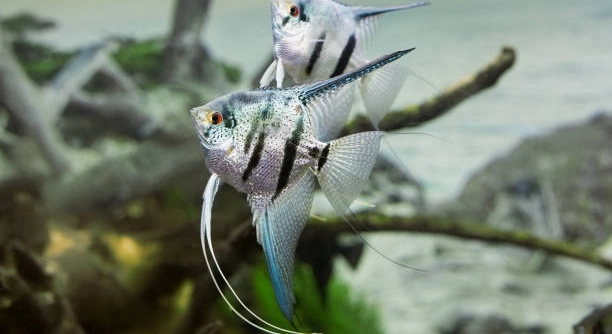
Angelfish are beautiful and popular aquarium fish, often cherished for their graceful fins and vibrant colors. When they don’t spawn, it can be puzzling and frustrating. Understanding why this happens can help you create a more favorable environment for breeding.
There are several factors that can prevent angelfish from spawning. Issues like water conditions, stress, age, and diet can all influence their ability to reproduce. Identifying the cause is crucial to resolving the problem effectively.
From water temperature to tank mates, multiple elements can be at play. Learning about these possible causes will help you take the right steps for encouraging a healthy breeding environment.
Water Conditions and Temperature
Angelfish are sensitive to their environment, and the water conditions play a significant role in their ability to spawn. If the temperature is too low or too high, it can prevent them from feeling comfortable enough to breed. Ideally, the water temperature should be between 78-84°F (25-29°C). If it’s too cold or too hot, they might become stressed, which can halt their spawning process. Additionally, the pH level, hardness, and cleanliness of the water all matter. A pH between 6.5 and 7.5 is most suitable, and the water should be free of any harmful chemicals or excess waste.
Water temperature is not the only factor to consider when ensuring a comfortable environment for angelfish. It is essential to monitor water quality regularly. Make sure your filtration system is running properly and performing water changes as needed to keep the water clean.
Angelfish will only breed in water that feels stable and safe to them. So, it’s worth investing in a thermometer and water testing kit to keep track of their environment. If the water parameters are off, your fish may simply refuse to breed. A steady and balanced environment is key to encouraging natural breeding behavior.
Stress and Aggression
Stress can be a major reason your angelfish aren’t spawning. When fish are anxious or scared, they’re less likely to reproduce. Aggressive tank mates or other environmental stressors can discourage breeding attempts.
Angelfish can be territorial, so overcrowding or the presence of overly dominant fish in the tank may also contribute to their stress. Angelfish may feel threatened by aggressive tank mates and thus avoid breeding. To reduce stress, provide hiding spots and enough space for all fish.
Proper tank setup is crucial to helping angelfish feel secure enough to spawn. Providing them with places to hide and swim freely can reduce stress. Additionally, consider separating aggressive species or reducing the number of fish in the tank to maintain a peaceful environment.
Age and Maturity
Angelfish may not spawn if they haven’t reached full maturity. Typically, they need to be at least 1-2 years old to breed. Younger fish might not have the necessary physical development to reproduce.
If your angelfish are still young, it’s important to give them time to mature. They often need to be fully grown before they begin to feel ready to spawn. Keep in mind that female angelfish might take a bit longer to mature than males.
Sometimes, the age of the fish is overlooked when trying to breed them. If you’re unsure about their age, monitor their growth closely. The right time for breeding often comes when both fish reach full maturity, and that can take a bit of patience.
Diet and Nutrition
Angelfish need a proper diet to ensure they are in good condition for breeding. A lack of nutrients can prevent them from reaching the necessary reproductive stage.
Feeding them a balanced diet is key to stimulating spawning. A mix of high-quality flakes, live food, and frozen treats can help keep your fish healthy. Adding variety can also encourage your angelfish to breed, as they thrive on a nutrient-rich diet.
When breeding, angelfish require more protein. You can offer them foods like brine shrimp, daphnia, or bloodworms. A good diet helps strengthen their immune system and enhances their natural ability to spawn.
Tank Size and Space
Angelfish require ample space to spawn. If your tank is too small, they might feel cramped and less likely to breed. A tank of at least 30 gallons is ideal.
In a cramped space, your angelfish may become stressed, and breeding might not occur. Giving them enough room to swim and claim territories will help them feel comfortable enough to breed.
Water Flow
Strong water currents can discourage angelfish from spawning. They prefer calm waters where they can safely lay eggs.
Angelfish thrive in stable water flow, which means adjusting the current to avoid making them uncomfortable. You can use filters that allow for moderate water movement to ensure the fish feel secure.
FAQ
Why aren’t my angelfish spawning?
There could be several reasons why your angelfish aren’t spawning. It may be due to stress, improper water conditions, or the fish not being mature enough yet. Pay attention to factors like water temperature, pH, and space in the tank. Ensuring these elements are within the right range is important. Additionally, provide a balanced diet to boost their health and readiness to breed.
How can I tell if my angelfish are ready to breed?
Ready angelfish will exhibit certain behaviors like cleaning a flat surface, such as a rock or plant, and showing increased activity. Males may also chase the females more actively. Look for these signs, which indicate they are preparing to lay eggs. Female angelfish will appear slightly fuller when they are carrying eggs.
Can my angelfish breed in a community tank?
While it’s possible for angelfish to breed in a community tank, it’s not always ideal. The presence of aggressive or overly active fish can stress the angelfish and prevent them from breeding. It’s best to isolate the breeding pair in a separate tank or a breeding box to avoid disturbances.
What temperature should the water be for angelfish breeding?
The ideal water temperature for angelfish breeding is between 78-84°F (25-29°C). This temperature range mimics the conditions of their natural habitat and encourages breeding. If the water is too cold or too hot, the angelfish might not feel comfortable enough to reproduce.
How long does it take for angelfish to lay eggs?
Once the angelfish pair is ready, they will start cleaning a surface and lay eggs within a few days. The actual egg-laying process can take a couple of hours, depending on the pair’s readiness and the tank’s environment. After laying the eggs, they will guard them closely.
How can I increase the chances of my angelfish spawning?
To increase the chances of spawning, ensure that your angelfish are in a suitable environment. Maintain water quality, appropriate temperature, and proper nutrition. Make sure they are mature enough to breed, and reduce any potential stress factors like aggressive tank mates. Providing flat surfaces for egg-laying will also help.
Should I separate the angelfish from other fish during spawning?
Yes, it’s a good idea to separate the angelfish from other fish during the breeding process. This minimizes stress and ensures that the eggs are not disturbed by other tank inhabitants. Consider setting up a breeding tank or a separate section within the tank to help protect the eggs.
Do angelfish need specific water conditions to spawn?
Yes, angelfish require specific water conditions to spawn successfully. The water should be soft to moderately hard, with a pH between 6.5 and 7.5. Clean water is essential, so make sure you do regular water changes. Stable water temperature is also a key factor for encouraging breeding.
How do I know if my angelfish eggs are fertilized?
Fertilized eggs will appear clear with a slight silver sheen, while unfertilized eggs will turn white or cloudy within a day or two. If the eggs are not fertilized, the parents may eat them. If they are fertilized, they will hatch within 2-3 days, depending on water conditions.
How do I care for angelfish eggs?
Once the eggs are laid, the parents will protect them. Ensure the water conditions are stable and free of contaminants. Some breeders use a sponge filter to maintain water quality without disturbing the eggs. Be patient and allow the parents to care for the eggs, though you may need to intervene if the eggs become infected with fungus.
Can I remove the eggs to hatch them artificially?
It is possible to hatch angelfish eggs artificially, but this requires careful monitoring of water conditions and temperature. If you choose to remove the eggs, place them in a separate tank with similar water parameters. However, many breeders prefer letting the parents care for the eggs as they do a better job of protecting them.
What should I do if my angelfish eat their eggs?
If your angelfish eat their eggs, it could be a sign of stress or inexperience. First, ensure that the environment is calm and free of disturbances. You might also consider removing other fish or increasing the number of hiding spots to make the angelfish feel safer. Inexperienced breeders may eat the eggs, but with practice, they will get better at protecting them.
How often do angelfish spawn?
Angelfish can spawn every two to three weeks if conditions are ideal. However, this can vary depending on factors such as the age of the fish, the water conditions, and their overall health. If they are in good condition and feel secure, they may spawn more frequently.
Why is my angelfish laying eggs but not fertilizing them?
If your angelfish are laying eggs but not fertilizing them, it might be due to an imbalance between the male and female. Sometimes the male may not be mature enough or may not be properly fertilizing the eggs. Double-check that both fish are healthy and fully mature before expecting fertilization.
How can I encourage angelfish to spawn more frequently?
To encourage frequent spawning, maintain a stress-free environment with regular water changes, consistent water temperature, and proper lighting. Provide them with high-quality food, such as live or frozen foods, to ensure they are healthy. Creating a stable and safe environment will make them more likely to spawn often.
Final Thoughts
Breeding angelfish can be a rewarding experience, but it requires patience and attention to detail. If your angelfish are not spawning, there could be several factors at play, including water conditions, stress, or the age of the fish. Ensuring that the environment is stable and meets the needs of the fish is crucial for encouraging spawning. A comfortable, stress-free environment with proper water temperature, pH levels, and adequate space can make all the difference in whether or not your angelfish will breed.
Sometimes, simply waiting for your angelfish to mature can be the key. Young angelfish often need time to grow before they are ready to breed. It’s important to monitor their development and ensure they are well-fed with a nutritious diet to support their health. Additionally, understanding the signs of readiness, such as cleaning a surface and increased activity, can help you know when your fish are prepared to lay eggs.
Ultimately, if you’re patient and consistent with providing the right conditions, your angelfish will most likely start breeding. Keep track of the water parameters, remove any stress factors, and give them the proper space to breed. While it may take time for them to spawn, with the right care and attention, you’ll be able to enjoy the beauty of angelfish eggs hatching in your tank.

Hello,
If you enjoy the content that we create, please consider saying a "Thank You!" by leaving a tip.
Every little bit helps us continue crafting quality advice that supports the health, happiness, and well-being of pets around the world, for pets of all shapes, sizes, and species.
We really appreciate the kindness and support that you show us!