
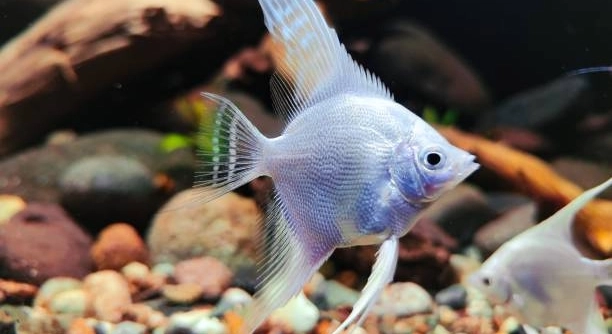
Angelfish are beautiful and graceful creatures, making them a popular choice for many aquariums. They are known for their calming presence and unique behavior. However, if you’ve noticed that your angelfish become more active when the lights go off, you might be curious about the reason behind this change in behavior.
The increased activity of your angelfish when the lights turn off is often due to their natural nocturnal instincts. In the wild, they tend to be more active at night, hunting for food or exploring their environment under the cover of darkness.
Understanding why this happens will help you create a more comfortable and healthier environment for your angelfish. It’s important to recognize the factors that influence their behavior, including light cycles and stressors.
Natural Nocturnal Behavior
Angelfish, like many species, have natural instincts that dictate when they feel most active. In the wild, these fish tend to be more active during dawn and dusk, when the lighting is dimmer. When the aquarium lights go off, it mimics the transition from day to night in their natural environment. This behavior is not unusual for species that prefer low-light conditions for hunting or exploring. The darkness signals to the fish that it’s time to be alert and more mobile, leading to bursts of energy. It’s their way of feeling safe and secure in their surroundings.
The shift in light naturally influences their behavior, encouraging them to move more freely. This is especially true for fish like angelfish, which are instinctively geared to remain active at night in nature.
Ensuring that your tank’s light cycles mimic this natural rhythm can help keep your angelfish comfortable. If you have a consistent light schedule, they will become accustomed to the day and night transition, which can reduce stress and encourage healthier activity patterns.
Stress and Anxiety Response
Fish, including angelfish, can also become more active when they feel stressed or anxious. Sudden changes in lighting or noise around the tank may cause them to move restlessly.
When lights turn off, the fish might become disoriented for a brief moment, but as they adjust to the new environment, they may begin to swim around more. The change in light levels can trigger a sense of security, prompting them to engage in more movement. However, if the lighting is inconsistent or if there’s a sudden change, your angelfish might react by swimming frantically, looking for stability.
These movements are often the result of trying to adjust to the new environment, but it could also indicate they’re looking for shelter or hiding spots. By creating a stable and predictable light environment, you help them feel more comfortable and reduce the chances of stress-driven behaviors. A gradual transition between day and night can assist in preventing this anxious activity, allowing the fish to feel at ease during the night.
Hunger and Feeding Patterns
Angelfish are opportunistic feeders, and their activity often spikes when they are hungry or anticipating food. As the lights go off, they may associate the change with feeding time, prompting them to swim more energetically. Many fish are more active around feeding times, and if your tank is on a schedule, the angelfish may begin to associate the end of the light cycle with the arrival of food. The increased activity helps them search for food, both in the wild and in captivity.
In nature, angelfish may swim around at night to forage or hunt for small prey. This behavior is carried over into the aquarium, where they exhibit increased movement when they sense the possibility of food. The darker environment might also reduce their stress and encourage them to focus more on their hunger instincts.
If you notice your angelfish becoming very active when the lights go off, it could be due to their feeding cycle. Consider adjusting feeding times to match their natural activity patterns, ensuring they get enough food while avoiding overfeeding. Proper nutrition is key to keeping your fish healthy and happy.
Light Sensitivity
Angelfish are sensitive to changes in light. A sudden shift from bright light to complete darkness can cause them to become more active. The change in light intensity is something they naturally respond to, signaling that it’s time to adjust their behavior.
In their natural habitat, angelfish experience gradual changes in light, which helps them regulate their activity. In an aquarium, sudden shifts can startle them, making them more active in an attempt to understand the new environment. Maintaining a consistent light cycle can prevent unnecessary stress. If you want to minimize their restlessness, try dimming the lights gradually instead of turning them off all at once.
Setting up a timer for your tank lights can help your angelfish adjust to a steady rhythm. By doing this, they won’t be as startled when the lights turn off. It also allows the fish to maintain a healthy sleep-wake cycle, which is important for their well-being.
Tank Environment
The environment of the tank plays a huge role in how angelfish behave when the lights turn off. If there are insufficient hiding places or if the tank is overcrowded, your fish may feel exposed, causing them to swim more at night. A lack of proper structure in the tank can increase their anxiety, leading to more movement.
Providing your angelfish with hiding spots, such as plants or decorations, gives them the opportunity to retreat when they feel threatened. This can help reduce restlessness when the lights go off, as they have places to hide and feel secure. A well-designed tank with plenty of cover can improve their overall behavior, especially during the transition between light and dark.
Additionally, a tank with clean water and a stable temperature also promotes a sense of security. If the environment is unstable, your angelfish might become more active, trying to adjust to the discomfort. Keeping everything in balance is key to ensuring your fish feel safe and comfortable.
Predatory Instincts
Angelfish are predators by nature. In the wild, they are constantly on the lookout for food during darker hours. When the lights turn off in the tank, their predatory instincts may kick in, causing them to become more active.
This behavior is a survival mechanism, as they are naturally inclined to explore their environment for food during low-light conditions. While they might not be hunting small prey in your tank, the shift in light still triggers this instinctual drive. This increased activity is a normal part of their natural behavior.
Tank Size
The size of the tank can influence the activity level of angelfish when the lights go off. If the tank is too small, the fish may feel restricted, leading to more movement once the lights are turned off.
A larger tank offers more space for the angelfish to swim and find hiding spots. With more room to move around, they may feel less stressed, and their activity levels could decrease after the lights go off. Proper tank size is crucial in reducing restlessness and ensuring they are comfortable.
Fish Tank Lighting
Lighting plays a significant role in how angelfish behave. If the tank has strong, direct lighting, your angelfish might become more agitated, increasing their activity levels once the lights turn off.
Adjusting the lighting to a softer or more natural intensity can help maintain a calm environment. Using adjustable light settings or a dimmer can make the transition smoother. This allows your angelfish to feel less startled, encouraging more peaceful behavior as the lights dim.
FAQ
Why do angelfish become more active when the lights turn off?
Angelfish are naturally more active during low-light conditions, much like their wild counterparts. When the lights turn off, it mimics the natural transition from day to night, triggering a change in behavior. They become more alert and active, as this is their instinct to explore and hunt in dim lighting. The absence of light makes them feel safer and less vulnerable, encouraging their natural nocturnal instincts to come to the forefront.
Can angelfish get stressed when the lights turn off?
Yes, angelfish can experience stress when the lights turn off if there’s a sudden change or inconsistency in lighting. Abrupt transitions can startle them and may cause them to swim frantically, trying to adjust to the new conditions. To avoid this, it’s better to use a gradual dimming system for the lights, which helps your angelfish adjust without feeling disoriented. A stable light schedule helps them feel more secure and less likely to act out due to stress.
Should I adjust the light schedule for my angelfish?
Yes, maintaining a consistent light schedule for your angelfish is important. Angelfish thrive when they have a regular day-night cycle. Setting up a timer for the lights ensures they receive the appropriate amount of light and darkness, mimicking their natural habitat. A steady schedule helps reduce stress and improves their overall health by allowing them to rest properly at night.
Do angelfish need darkness to sleep?
Angelfish, like many fish, prefer to sleep in darker conditions. While they can tolerate dim lighting, they typically feel more comfortable when the lights are off. Darkness signals a time for rest, and it is important for their health. Ensuring the lights are off at night allows your angelfish to follow their natural sleep-wake cycle, which is essential for their well-being.
How do I know if my angelfish is stressed from the lighting?
If your angelfish is stressed due to lighting, you may notice erratic swimming patterns, such as darting around the tank or staying near the surface. They may also hide more frequently or become less active during the day. Additionally, if the fish is overly active or appears disoriented when the lights are off, it could be a sign of stress. Reducing sudden lighting changes can help minimize this behavior.
Can the tank size affect my angelfish’s activity levels at night?
Yes, tank size can influence your angelfish’s activity. If the tank is too small, your angelfish might feel cramped, especially when the lights turn off. A small tank limits their ability to swim freely, causing them to swim more frantically when it gets dark. Providing a larger tank with ample space allows them to move around more freely, reducing restlessness and stress. A spacious tank also provides more hiding spots, which helps your angelfish feel secure.
What is the best light cycle for angelfish?
Angelfish generally require 10 to 12 hours of light each day, followed by 12 to 14 hours of darkness. A consistent light cycle mimics the natural day-night rhythm, which is beneficial for their health. You can use a timer to automate the light cycle, ensuring they get the right amount of light and dark. Too much light can cause stress, while too little can affect their ability to rest properly.
Are there any health risks if angelfish are too active at night?
Excessive activity, especially if it’s stress-related, can have negative effects on your angelfish’s health. If your angelfish is too active due to lighting stress or other factors, it can lead to exhaustion or decreased appetite. Long-term stress can also weaken their immune system, making them more susceptible to diseases. To avoid this, ensure the lighting is consistent, and the tank environment is comfortable for your angelfish.
How can I make my angelfish feel more secure at night?
To make your angelfish feel more secure at night, provide hiding spots in the tank, such as plants, rocks, or decorations. A well-structured tank with plenty of places for the fish to retreat will make them feel safer when the lights go off. Also, maintaining a consistent light schedule helps them understand when it’s time to rest. If they have a comfortable and secure environment, they are less likely to become overly active when the lights dim.
What type of lighting is best for angelfish?
Angelfish prefer soft, diffuse lighting rather than harsh, direct light. You can use LED lights with a gentle brightness or place the light in a position where it doesn’t shine directly on the tank. This kind of lighting helps reduce stress while still providing visibility for the fish. Overly bright lights can cause discomfort, so choosing the right intensity is crucial for their well-being.
Do angelfish need a period of complete darkness each day?
Yes, angelfish benefit from complete darkness for a period of time each day. This darkness allows them to follow their natural sleep-wake cycle, which is important for their health. A period of complete darkness helps regulate their biological rhythms, reducing stress and ensuring they get enough rest. Without this time, they may become disoriented or stressed, affecting their overall behavior.
Final Thoughts
Understanding why your angelfish become more active when the lights turn off can help you create a better environment for them. Their increased activity during low-light conditions is a natural behavior, rooted in their instincts. In the wild, angelfish are more active at dawn and dusk, when the light is dim and predators are less of a threat. This is why, when the lights in your tank go off, they might seem more energetic or restless. Recognizing this natural instinct is key to providing the right conditions for your angelfish to thrive.
Maintaining a consistent light cycle is one of the most important steps in keeping your angelfish happy. Sudden changes in lighting can stress them out, causing erratic swimming or increased activity. By using a timer to regulate the lights, you can create a more stable environment for your fish. Gradual transitions in lighting, from day to night, will make the process less jarring for your angelfish. Over time, they will adjust to this predictable cycle and feel more comfortable in their tank. A consistent light pattern also helps them maintain their natural day-night rhythm, contributing to their overall health and well-being.
In addition to lighting, it’s essential to consider your angelfish’s tank environment. Ensuring that the tank has adequate hiding spots, space to swim, and a balanced ecosystem will also make them feel secure, reducing unnecessary stress. Stress from an inadequate tank environment can increase restlessness, causing your angelfish to become more active at night. By providing them with a larger tank, plants, and decorations to hide in, you create a comfortable space where they can relax. This will help them feel safe during the night and avoid excessive activity, leading to a healthier and more peaceful aquarium environment for your angelfish.

Hello,
If you enjoy the content that we create, please consider saying a "Thank You!" by leaving a tip.
Every little bit helps us continue crafting quality advice that supports the health, happiness, and well-being of pets around the world, for pets of all shapes, sizes, and species.
We really appreciate the kindness and support that you show us!