
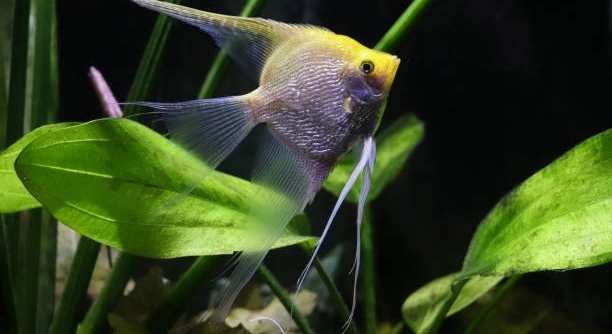
Angelfish are often a delight to observe in aquariums, but sometimes their behavior can leave you wondering. One common issue is when they dart around as you approach the tank. This can be puzzling for many owners.
The darting behavior is usually a result of stress, fear, or excitement. Angelfish may feel threatened by your presence, or they could be reacting to environmental factors, such as changes in water quality, light, or tank mates.
Understanding why your angelfish exhibits this behavior can help improve their well-being. Keep reading to uncover the possible causes and how to address them effectively.
Stress from Human Presence
When you approach your angelfish’s tank, their darting behavior might simply be a sign of stress. Fish, including angelfish, can feel threatened when humans come too close. They are naturally cautious animals that are sensitive to sudden movements or changes in their environment. This reaction is part of their instinct to protect themselves from potential predators. In the wild, angelfish are prey to larger fish and other animals, so their natural response is to dart away when something unfamiliar approaches.
The good news is that this behavior doesn’t necessarily mean something is wrong. Over time, your angelfish might become more accustomed to your presence, especially if you avoid sudden movements. Providing a stable environment can help reduce the stress they feel.
While it may take time for your fish to adjust to your presence, be patient. Gradually, you’ll see them become more comfortable. Understanding their natural instincts can guide you in creating a peaceful environment for them.
Changes in Water Quality
Water quality plays a huge role in the health of your angelfish. When the water in the tank becomes polluted or its temperature fluctuates too much, your fish may become agitated. This can lead to erratic behavior, including darting. The first thing you should check when your angelfish is darting around is the water parameters.
A sudden change in pH, ammonia, or nitrate levels can stress out your fish. If the water temperature is too high or too low, it could also cause discomfort. Regular water changes and monitoring these levels will keep the water stable, making your fish feel safer.
Tank Mates
The presence of other fish in the tank can influence your angelfish’s behavior. If you have aggressive or overly active tank mates, your angelfish might dart around as a way to escape potential threats. Certain fish species, like cichlids or bettas, can trigger anxiety in angelfish. This can lead to erratic swimming or hiding.
To reduce this stress, try to observe how your angelfish interacts with other tank mates. Fish that are peaceful and not overly territorial work best with angelfish. Consider rearranging the tank if you suspect aggression or adding more hiding spots for your angelfish to retreat to when necessary.
Monitoring tank dynamics is important for maintaining a healthy, stress-free environment. If your angelfish continues to act out, it may be helpful to consider separating them from incompatible tank mates. A peaceful community setup will help your fish feel safe and reduce darting behavior.
Hunger or Feeding Time
Angelfish, like many fish, can become excited when they sense food is coming. This excitement can cause them to dart around the tank. They quickly learn to associate your presence with feeding time, so any movement from you can trigger their fast movements as they anticipate food.
To avoid overfeeding or underfeeding, stick to a regular feeding schedule. Providing smaller, more frequent meals can help control their excitement. If you notice darting behavior during feeding, it may simply be a sign that your angelfish is eager for their meal. However, be mindful of not feeding too much to maintain water quality.
Illness or Injury
Angelfish can sometimes dart around the tank when they are not feeling well. If they are suffering from an injury or illness, they may swim erratically in an attempt to get away from the discomfort. Common signs of illness include changes in swimming behavior and appearance.
If your angelfish is darting and displaying other symptoms, such as faded colors or lethargy, it’s important to check for signs of disease. Common issues include parasites, fin rot, or fungal infections. Isolating the affected fish and treating it promptly can help prevent further health issues and stress for the rest of the tank.
Tank Size and Space
The size of the tank can greatly impact your angelfish’s behavior. If the tank is too small, they may feel confined, leading to increased darting and restlessness. Angelfish need plenty of room to swim and explore. Inadequate space can lead to frustration and stress, which often manifests in erratic behavior.
To ensure your angelfish thrives, provide them with a spacious tank that is at least 20 gallons for a single angelfish, with additional space for every extra fish. A larger tank allows them to swim freely and reduces the chance of aggression or anxiety, helping your fish feel more secure.
Lighting
Lighting conditions in the tank can also play a role in how your angelfish behaves. Too much light or sudden changes in lighting can startle your fish, causing them to dart around. Angelfish prefer dim to moderate lighting, as it mimics their natural habitat.
Consider using a timer to regulate the light cycle in the tank. A consistent light schedule reduces stress and helps your fish maintain a more natural routine. Avoid harsh lighting that might trigger a defensive response from your angelfish. If darting behavior persists, try adjusting the lighting to a more comfortable level.
FAQ
Why is my angelfish swimming frantically when I approach the tank?
Angelfish may swim frantically when they sense you approaching because they are startled or stressed. They are prey animals, and sudden movements can trigger their flight response. Over time, they may become more accustomed to your presence, but it’s important to minimize rapid movements around the tank to reduce stress.
Can poor water quality make my angelfish dart around?
Yes, poor water quality is one of the primary reasons why angelfish exhibit darting behavior. Ammonia spikes, high nitrate levels, or fluctuations in pH and temperature can stress your fish. Regular water changes and using water conditioners can help maintain a healthy environment and prevent erratic swimming.
Is my angelfish’s darting behavior a sign of aggression?
While darting can sometimes indicate aggression, it’s more often related to stress or fear. However, if multiple fish in the tank are darting at each other, it could suggest territorial behavior or conflict. In such cases, ensuring a well-balanced community with peaceful tank mates can help.
Could I be overfeeding my angelfish?
Overfeeding your angelfish can indeed lead to erratic swimming behavior. When they associate your presence with feeding, they might swim around frantically in anticipation. This can cause them to eat too quickly, which can lead to digestive problems and further stress. Feed small portions to avoid overfeeding and to maintain a healthy tank environment.
How does tank size affect angelfish behavior?
Tank size plays a significant role in how your angelfish behaves. A cramped tank can make them feel confined, leading to stress and darting behavior. Angelfish need space to swim and explore, so ensure your tank is large enough. Ideally, it should be at least 20 gallons for a single angelfish with extra space for each additional fish.
Can aggressive tank mates cause my angelfish to dart around?
Yes, aggressive or overly active tank mates can cause your angelfish to feel threatened, leading to darting. Some fish, like cichlids or bettas, may try to bully angelfish, which causes them to swim frantically to avoid conflict. Choose tank mates carefully, ensuring they are compatible with angelfish.
Is my angelfish darting because it’s hungry?
Darting behavior at feeding time can be a sign of hunger or excitement. Angelfish often become very active when they anticipate food. If your fish darts around the tank as you approach, it could simply be expressing its eagerness for a meal. Stick to a feeding schedule to help manage this behavior.
Could my angelfish be sick if it’s darting around the tank?
Darting could be a sign of illness, especially if accompanied by other symptoms like discoloration, lethargy, or abnormal body shape. Illnesses such as parasites, fin rot, or fungal infections can make fish swim erratically. If your angelfish exhibits these signs, isolate it and consult a vet or treat the tank with appropriate medication.
Does lighting affect my angelfish’s behavior?
Yes, lighting can significantly impact your angelfish’s behavior. Too much bright light or sudden changes in lighting can startle your fish, causing them to swim erratically. Angelfish typically prefer dim to moderate lighting. Keeping the lighting consistent and using timers can help reduce stress and avoid excessive darting.
Can sudden changes in the tank’s environment cause darting?
Yes, sudden changes in the environment can cause your angelfish to dart around. Changes in water temperature, water quality, or the introduction of new tank mates can cause confusion and stress. Always make any changes gradually to allow your fish time to adjust. A stable environment is key to keeping your angelfish calm.
How do I stop my angelfish from darting?
To stop your angelfish from darting, focus on creating a calm, stable environment. Ensure your tank is large enough, maintain good water quality, avoid sudden movements around the tank, and choose peaceful tank mates. Regular monitoring of their behavior will help you identify and address the causes of stress.
Final Thoughts
Angelfish are beautiful and sensitive creatures that can display a variety of behaviors, including darting around the tank. While this behavior is often normal, it can be a sign of stress, discomfort, or excitement. Understanding the factors that contribute to this erratic swimming will help ensure a healthier and more peaceful environment for your fish. By paying attention to your tank’s conditions, you can prevent unnecessary stress and make sure your angelfish feels comfortable.
Maintaining optimal water quality is essential for the well-being of your angelfish. Regular water changes, proper filtration, and consistent temperature regulation are all important factors in keeping your tank in top condition. It’s also important to monitor the compatibility of tank mates to prevent aggression. A peaceful tank environment will reduce stress, and you may notice a decrease in darting behavior. Avoid overcrowding the tank and ensure that there are plenty of hiding spots for your fish to retreat to when they feel threatened.
Finally, remember that your angelfish may also exhibit darting as a natural response to feeding time or to their instinctual reactions. In these cases, the behavior is not harmful but rather a sign of eagerness or excitement. However, if darting becomes persistent or is accompanied by other signs of illness, it’s important to take action quickly. By staying attentive to your fish’s needs and providing a stable, stress-free environment, you’ll help them thrive in their home.

Hello,
If you enjoy the content that we create, please consider saying a "Thank You!" by leaving a tip.
Every little bit helps us continue crafting quality advice that supports the health, happiness, and well-being of pets around the world, for pets of all shapes, sizes, and species.
We really appreciate the kindness and support that you show us!