
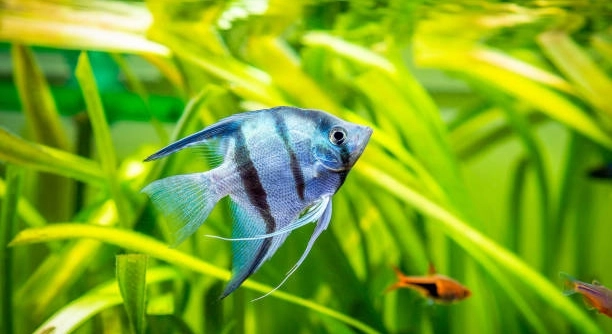
Angelfish are beautiful, peaceful creatures that can sometimes display unusual behavior. One such behavior includes shaking their bodies, which can leave aquarium owners puzzled and concerned. This article explores possible reasons behind this issue.
Angelfish shaking their bodies can be caused by various factors, such as stress, illness, or changes in water conditions. Environmental stressors, such as fluctuating water temperature, can also contribute to this behavior. It is important to observe other symptoms for a clearer diagnosis.
Understanding the possible causes of body shaking can help ensure your angelfish remains healthy and happy. By identifying the source of the issue, you can take appropriate action to improve their environment and well-being.
Stress or Anxiety
Angelfish can be very sensitive to their environment. Stress is one of the most common reasons for unusual behavior, like body shaking. A sudden change in their surroundings, such as the introduction of new tank mates or an altered feeding schedule, can cause them to feel unsettled. Water quality is another factor. High levels of ammonia, nitrites, or poor filtration can stress fish, leading them to display odd movements. If your angelfish is shaking, it could be their way of signaling discomfort. Even loud noises, strong tank currents, or aggressive behavior from other fish can create an environment of anxiety.
Sometimes, when stress becomes overwhelming, the fish might show signs of illness, which can further complicate matters. It is crucial to maintain a consistent environment and reduce stressors. For example, keep the tank in a quiet location, and provide plenty of hiding spots to make your angelfish feel safe.
If the shaking continues despite these measures, further investigation into the water’s condition and the tank environment may be necessary. Taking these steps can help alleviate stress and restore comfort to your fish.
Water Quality Issues
Water quality is crucial to your angelfish’s well-being. Poor water conditions, especially high ammonia or nitrite levels, can cause your fish to become agitated, leading to shaking. Regular water changes and proper filtration are vital for maintaining a healthy environment. If your fish’s shaking persists, testing the water is a good first step.
One common issue arises when water parameters are out of balance, such as pH levels being too high or low. If water is too soft or too hard, it may also cause discomfort. Regular monitoring of these factors ensures your fish remains in an optimal habitat.
Illness or Infection
When your angelfish is sick, shaking can be a sign of illness or infection. Fish can suffer from a variety of diseases that cause discomfort, such as parasites or internal infections. If your fish is showing signs of shaking along with other symptoms like loss of appetite or discoloration, it’s a red flag.
Fish that are dealing with infections may exhibit shaking or twitching movements. These behaviors are often a response to the irritation caused by parasites or bacterial infections. If you suspect an illness, it’s crucial to isolate the affected fish and start treatment immediately. Make sure to research the illness for a tailored solution.
Sometimes, external parasites like Ich or velvet disease cause physical shaking. These parasites irritate the skin and gills, causing discomfort. Medications and proper quarantine procedures can help treat the infection. A quick response to illness will improve the chances of your fish recovering.
Poor Diet or Malnutrition
An improper diet can lead to health problems, including body shaking. If your angelfish isn’t getting the necessary nutrients, they can become weak and agitated. A lack of essential vitamins or minerals can cause physical discomfort, manifesting as shaking movements.
Feeding your angelfish high-quality fish food, rich in essential nutrients, is essential for their health. Overfeeding or underfeeding can also cause stress, leading to digestive issues. Try to ensure your fish’s diet consists of a variety of food sources, such as pellets, flakes, and occasional live food, to support balanced nutrition.
Angelfish, like other fish, require a proper balance of protein, fat, and fiber to maintain good health. Malnutrition can weaken their immune system, making them more susceptible to illness. By ensuring a diverse, nutrient-rich diet, you can reduce the chances of malnutrition-related shaking.
Tank Mates and Aggression
Angelfish are peaceful but can become stressed if they are in an environment with aggressive tank mates. Shaking can be a sign that your fish is feeling threatened. Keeping aggressive species with angelfish will increase the chances of this behavior.
Angelfish may display body shaking if other fish in the tank are harassing or chasing them. The stress from constant aggression can manifest in shaking as they try to escape or avoid conflict. If you notice your fish showing this behavior, consider rethinking their tank mates and removing any aggressive species.
If the shaking seems related to aggression, it’s important to provide hiding spaces for your angelfish. This will allow them to escape from more dominant fish and reduce stress.
Tank Size and Space
Overcrowding in a tank can cause stress for angelfish. A cramped space may lead to body shaking as they try to navigate the limited area. Giving them plenty of room to swim will reduce this.
Angelfish need enough space to swim freely and feel comfortable. A tank that is too small can lead to physical discomfort and anxiety, both of which might result in shaking. To provide the best environment, ensure your tank is large enough for your fish to move without feeling cramped.
FAQ
Why is my angelfish shaking its body?
Shaking in angelfish can be caused by several factors, including stress, illness, or poor water quality. If the fish is in a stressful environment, it may exhibit shaking or twitching as a reaction. Illnesses like parasites or bacterial infections can also lead to this behavior, as well as poor diet or aggression from other tank mates.
How can I tell if my angelfish is sick?
Apart from shaking, there are several signs that may indicate your angelfish is sick. Look for a loss of appetite, discoloration of the skin, or unusual swimming patterns. Scraping against objects, rapid gill movement, or visible lesions are also signs of illness. If these symptoms are present, it’s crucial to isolate the fish and start treatment immediately.
Can water temperature affect angelfish behavior?
Yes, water temperature plays a significant role in angelfish health. If the temperature is too high or too low, angelfish can become stressed. Shaking can occur as a response to an unstable temperature. It’s important to maintain a consistent temperature within the recommended range for angelfish (75-82°F or 24-28°C).
How often should I change the water in my angelfish tank?
Water changes are essential to keep your angelfish healthy. It’s recommended to change about 25-30% of the tank water every two weeks. However, if your tank is heavily stocked or if water quality is poor, more frequent changes may be needed. Regular water testing helps maintain safe levels of ammonia, nitrites, and nitrates.
Can aggressive tank mates cause my angelfish to shake?
Yes, aggressive tank mates can cause your angelfish to shake. If other fish are chasing or harassing the angelfish, it may become stressed and exhibit shaking behavior. It’s important to select peaceful tank mates to avoid triggering anxiety in your angelfish.
Is shaking a sign that my angelfish is too cold?
Cold temperatures can indeed cause angelfish to shake. If the water temperature is too low, angelfish may begin to shiver or shake as their bodies try to warm up. Ensure that the tank is within the appropriate temperature range to avoid this issue.
What should I do if my angelfish is shaking but shows no other symptoms?
If your angelfish is shaking but doesn’t show other symptoms like discoloration or loss of appetite, the shaking could be due to stress or environmental factors. Check the water quality, ensure the tank is free of aggressive tank mates, and adjust the environment to reduce stress.
Could my angelfish be shaking due to poor water quality?
Yes, poor water quality is one of the leading causes of body shaking in angelfish. High levels of ammonia, nitrites, or low oxygen levels can stress the fish. Regular water changes, good filtration, and testing the water parameters can help ensure the health of your fish.
Can my angelfish shake if it’s hungry?
Hunger can cause some behavior changes in angelfish, but shaking is more often linked to stress or illness. If your fish is consistently shaking and appears to be hungry, it might be a sign that it’s not getting the proper nutrition. Ensure that you’re feeding a balanced diet to support your fish’s health.
Should I remove my angelfish if it’s shaking?
If your angelfish is shaking, first try to identify the cause. If it’s due to stress, improving the environment may help. If illness is suspected, isolating the fish in a quarantine tank may prevent the spread of disease. Make sure to treat the cause directly.
What are the best tank mates for angelfish to avoid shaking?
To reduce stress and potential shaking, it’s best to keep angelfish with peaceful, non-aggressive fish. Good tank mates include tetras, peaceful catfish, and small species like Corydoras. Avoid keeping angelfish with fin-nippers or aggressive fish like cichlids or certain types of barbs.
Can shaking be caused by my angelfish being too crowded?
Yes, overcrowding can lead to stress, which in turn can cause shaking. If the tank is too small or overstocked, angelfish may feel cramped and anxious. Make sure your tank is large enough and properly stocked, giving each fish plenty of space to swim freely.
Final Thoughts
Shaking in angelfish can be caused by various factors, from illness to stress. If you notice your fish shaking, it’s essential to consider the environment, diet, and tank conditions. First, assess the water quality, as poor water parameters can stress fish and cause abnormal behaviors. Regular water changes and monitoring ammonia, nitrites, and nitrates will help maintain a healthy environment. The right temperature and proper filtration are also important to keep your fish comfortable and stress-free.
It’s also worth considering the tank mates of your angelfish. Aggressive or overly dominant fish can cause anxiety, leading to shaking. If your angelfish is constantly being chased or harassed, this may be a trigger for the shaking. Peaceful, compatible tank mates will help your angelfish feel secure and reduce stress. Additionally, overcrowding can lead to similar issues. Make sure your tank is appropriately sized for the number of fish you have, giving them plenty of space to move freely.
If the shaking persists despite making changes to the environment, diet, and tank mates, it’s best to monitor your angelfish closely for any other signs of illness. Early detection of diseases or parasites can make a significant difference in the recovery process. Isolating the fish in a quarantine tank and seeking treatment may be necessary. Ensuring your angelfish has a balanced diet, a safe and peaceful environment, and prompt treatment for any health issues will help keep your fish happy and healthy in the long run.

Hello,
If you enjoy the content that we create, please consider saying a "Thank You!" by leaving a tip.
Every little bit helps us continue crafting quality advice that supports the health, happiness, and well-being of pets around the world, for pets of all shapes, sizes, and species.
We really appreciate the kindness and support that you show us!