
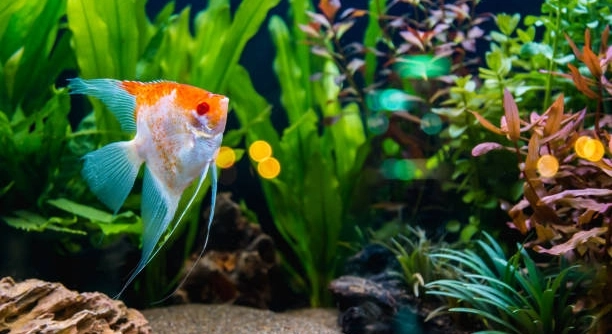
Angelfish are often admired for their graceful movements, but when they constantly move their mouths, it can raise some concerns. Understanding their behavior can help ensure they are healthy and comfortable in their tank environment.
Constant mouth movement in angelfish can be attributed to several factors, including breathing difficulties, stress, feeding behavior, or the presence of a water quality issue. These behaviors may also indicate aggression or a response to environmental changes.
There are various explanations for this behavior, and recognizing the cause will help you keep your angelfish happy and healthy.
Stress and Anxiety
Angelfish can often become stressed due to changes in their environment, such as new tank mates or an unfamiliar habitat. When they feel anxious, they may move their mouths more frequently as part of their coping mechanism. Stress can also be caused by poor water quality or temperature fluctuations, both of which are uncomfortable for fish. Overcrowding or an inadequate tank setup may also trigger these signs of stress.
Fish that are stressed may show other behaviors, such as hiding, erratic swimming, or even reduced eating. To manage stress in your angelfish, ensure their environment is stable. Providing plenty of hiding spots and maintaining optimal water conditions will help reduce stress. Keep the water clean by performing regular water changes and monitor the tank’s temperature to ensure it remains consistent.
In cases where stress is severe, consider removing the source of anxiety, such as a particularly aggressive tank mate. Monitoring water parameters closely, like pH levels and ammonia concentrations, will also help create a calming environment.
Breathing Issues
Angelfish may move their mouths constantly if they are struggling to breathe. Poor oxygen levels or a clogged filter can make it harder for fish to get the oxygen they need. If your angelfish is showing signs of mouth movement paired with rapid gill movement, this is an indicator of breathing issues.
To fix breathing problems, ensure the filtration system is working well, and the water is properly aerated. Sometimes, adding an air stone can help increase oxygen flow. Regular water changes will also keep the oxygen levels balanced, improving the overall health of the fish.
Feeding Behavior
Angelfish will often move their mouths as they search for food. They are naturally curious and may exhibit this behavior while exploring their surroundings or looking for potential meals. Sometimes, angelfish will appear to be constantly opening and closing their mouths in response to food availability.
This behavior is completely normal when they’re hungry or actively hunting for food. It’s important to ensure they’re being fed the right amount, as overfeeding can lead to poor water quality, which in turn can affect their health. Feed them in moderation, offering food that sinks slowly to mimic their natural foraging behavior.
If your angelfish is constantly moving its mouth and not eating, it could be a sign of an underlying issue, like stress or illness. It’s crucial to observe their behavior and environment, and consult an expert if you suspect a health issue.
Poor Water Quality
Constant mouth movement in angelfish can be a response to poor water quality. High ammonia or nitrite levels can make breathing difficult, leading to mouth movements. Unclean water can stress fish, causing them to display abnormal behavior.
To prevent this, regularly test the water to ensure ammonia, nitrite, and nitrate levels are within the ideal range. Keep the tank clean by performing regular water changes, and make sure the filtration system is functioning properly. Good water quality is essential for the health of your fish, reducing stress and preventing breathing problems that could lead to constant mouth movement.
If your angelfish is showing signs of mouth movement along with other distress signals like clamped fins or lethargy, it’s time to address water quality immediately. Keeping your tank clean and your water parameters stable is key to your fish’s well-being.
Aggression or Territory Defense
When angelfish feel threatened or territorial, they may display constant mouth movement. This behavior can be a sign of aggression, especially if they are sharing a tank with other fish. They may be signaling dominance or warning other fish to stay away.
It’s normal for angelfish to exhibit this behavior when defending their territory, particularly during breeding season. They will often flare their gills and move their mouths rapidly in a display of strength. If this continues, consider reconfiguring the tank or separating more aggressive fish to reduce tension and stress.
Watching their interactions closely will give you insight into whether they’re being territorial or simply asserting dominance. Offering enough space and hiding spots can help reduce aggressive behaviors and calm the fish.
Illness or Injury
If your angelfish is constantly moving its mouth, it could be a sign of illness or injury. Infections, parasites, or physical damage may cause abnormal behavior, including excessive mouth movement. Check for other symptoms, like swelling or changes in coloration.
A close inspection of your angelfish can help identify any visible issues like damaged fins or sores. If any abnormalities are found, it may be necessary to treat the fish with medication or quarantine it in a separate tank.
Always keep a close watch on their overall health, as prompt action can prevent the spread of disease and ensure the fish recovers quickly.
FAQ
Why is my angelfish constantly moving its mouth?
Angelfish may move their mouths constantly due to several reasons, including stress, breathing issues, or feeding behavior. If the water quality is poor or the tank is overcrowded, your fish may be trying to adapt or signal distress. It’s important to monitor their environment and behavior closely. If the movement is paired with other signs like rapid gill movement or lethargy, it may indicate respiratory issues.
Can poor water quality cause constant mouth movement in angelfish?
Yes, poor water quality can cause angelfish to move their mouths more frequently. High ammonia or nitrite levels can affect their ability to breathe, leading to increased mouth movement as they try to compensate. Regularly testing the water and performing water changes will help keep the environment stable and reduce stress on your fish.
How can I reduce stress for my angelfish?
To reduce stress, ensure your angelfish has a comfortable and stable environment. Avoid sudden changes in temperature, water chemistry, or tank mates. Provide hiding spots and ample space for your fish to feel secure. Keeping the tank clean and maintaining optimal water parameters is crucial for reducing stress.
Can I prevent my angelfish from becoming aggressive?
While some level of aggression is natural, particularly during breeding, you can minimize it by ensuring there’s enough space in the tank and avoiding overcrowding. Providing hiding places and rearranging the tank occasionally can also help prevent territorial disputes. In some cases, separating aggressive tank mates may be necessary.
Is constant mouth movement always a sign of illness?
Not always. Constant mouth movement can sometimes be part of normal feeding behavior or a sign of stress. However, if the movement is excessive or paired with other signs of illness, like changes in appearance or behavior, it’s important to investigate further. Illnesses such as parasites or infections can also cause abnormal mouth movement.
What are the common signs of illness in angelfish?
Common signs of illness in angelfish include changes in color, swelling, lethargy, clamped fins, and difficulty swimming. If your fish stops eating or shows unusual behaviors like constant mouth movement, it may be a sign of an underlying issue. Quick identification of symptoms is key to treating the problem effectively.
How can I tell if my angelfish has a respiratory problem?
If your angelfish is constantly moving its mouth, especially paired with rapid gill movement, it could indicate a respiratory issue. Other symptoms to look for include excessive bubbling at the surface of the water or visible changes in the gills. Poor water quality is often the main cause of respiratory problems, so checking the tank’s parameters is essential.
How do I treat mouth movement caused by breathing problems?
To treat breathing problems, start by ensuring your tank’s water quality is optimal. Use a reliable filtration system, perform water changes regularly, and check oxygen levels in the tank. If the issue persists, consider adding an air stone to increase oxygen flow or consult an expert about potential treatments.
Can mouth movement in angelfish be caused by injury?
Yes, injuries can cause angelfish to move their mouths excessively, especially if the injury affects their ability to breathe properly. If you notice visible wounds, cuts, or swelling, it’s important to address the injury immediately. Isolate the affected fish and provide appropriate treatment to prevent infection.
How do I improve the overall health of my angelfish?
Maintaining good water quality, providing a balanced diet, and ensuring they have a stress-free environment are key to your angelfish’s health. Keep the tank clean and monitor the water for any changes. Regularly check for signs of illness and address any issues promptly to prevent further complications.
Final Thoughts
Constant mouth movement in angelfish can often be attributed to several factors, including natural feeding behavior, stress, or respiratory issues. It’s essential to observe your fish closely and consider all possibilities, from water quality to tank conditions. If you notice your angelfish moving its mouth constantly, it’s important to check for any signs of illness, stress, or environmental changes. Regular maintenance of the tank, such as water changes and proper filtration, can help alleviate many common issues that lead to abnormal behavior.
Angelfish are sensitive creatures, and their behavior can reflect changes in their environment. Stress from factors like overcrowding, aggressive tank mates, or poor water conditions can cause them to display constant mouth movement. Providing ample space and creating a peaceful environment with hiding spots can help reduce this stress. Additionally, ensuring the water is clean and the temperature is stable can make a big difference in their overall behavior and health. Addressing these factors will not only help with the mouth movement issue but also improve the well-being of your angelfish.
If the behavior continues despite improvements in water quality and tank conditions, it’s best to consult an expert or veterinarian who specializes in fish care. Illnesses, such as respiratory infections, can also cause abnormal mouth movement, and timely treatment can prevent the issue from worsening. By staying vigilant and proactive in your fish care routine, you can ensure that your angelfish remain healthy, happy, and comfortable in their environment.

Hello,
If you enjoy the content that we create, please consider saying a "Thank You!" by leaving a tip.
Every little bit helps us continue crafting quality advice that supports the health, happiness, and well-being of pets around the world, for pets of all shapes, sizes, and species.
We really appreciate the kindness and support that you show us!