
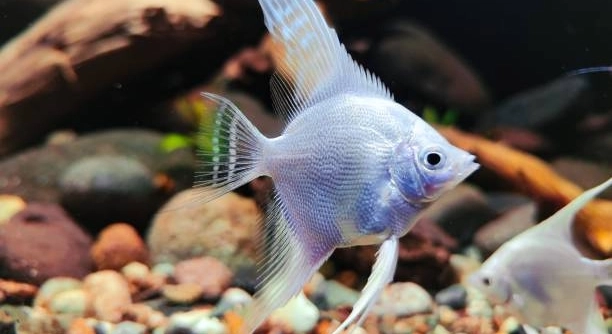
Angelfish spawning but not hatching can be a perplexing issue for many aquarium owners. If your angelfish are engaging in spawning behaviors but you aren’t seeing any eggs hatch, several factors could be at play.
The primary reason for spawning without hatching may involve environmental or biological factors that interfere with the fertilization or development of the eggs. These can include water quality issues, improper tank conditions, or the health of the fish themselves.
Understanding the reasons behind this behavior will help you manage your aquarium more effectively and encourage successful hatching in the future.
Poor Water Quality
Water quality is crucial for successful spawning and hatching. Angelfish are sensitive to water parameters like temperature, pH, and ammonia levels. If the water quality isn’t ideal, it can prevent fertilized eggs from developing properly. High levels of ammonia or nitrites can kill the eggs before they have a chance to hatch. Even small fluctuations in temperature can cause problems. To address this, test your water regularly and make adjustments as necessary. Clean water, stable temperatures (around 78°F), and proper filtration are key for healthy breeding.
Regular water changes and maintaining proper filtration help keep toxins in check, creating a safe environment for your angelfish. Consistent water conditions will improve the chances of successful hatching.
To ensure your angelfish are thriving, use a reliable water test kit to monitor the water quality. Correcting any imbalances can greatly enhance the chances of your fish eggs hatching.
Improper Tank Conditions
Tank conditions play a significant role in whether or not your angelfish eggs will hatch. Angelfish prefer specific environmental settings that should be consistent throughout their breeding process. Overcrowding or a lack of hiding places can increase stress levels, which may prevent successful egg fertilization or cause the eggs to be abandoned. Additionally, angelfish need a calm environment with little disturbance, so avoid making sudden movements around the tank during the breeding process. A peaceful setting helps reduce stress for the fish and can increase the likelihood of the eggs hatching.
Make sure your angelfish have plenty of space and secure places to lay their eggs. Adding plants or decorations can offer the necessary hiding spots to help your fish feel comfortable.
With the right tank setup, you can create an environment that encourages angelfish to successfully care for their eggs and gives the eggs the best chance of developing into healthy fry.
Health of the Fish
The overall health of your angelfish affects their ability to spawn successfully. If the female or male is unhealthy, it may lead to non-viable eggs or prevent fertilization altogether. Diseases like parasites or internal infections can lower the chances of successful reproduction.
Ensure that your angelfish are fed a nutritious, balanced diet and kept in a stress-free environment. Regularly check for signs of illness, such as discoloration or unusual behavior. Healthy fish are more likely to produce viable eggs that can develop properly.
In some cases, angelfish may spawn despite being unwell, but the chances of the eggs hatching are significantly reduced. Prioritize fish health to give your fish the best chance of producing healthy offspring.
Inadequate Lighting
Lighting plays an important role in stimulating angelfish to spawn. Inadequate lighting, or inconsistent lighting schedules, can cause confusion and disrupt the spawning process. Angelfish thrive with natural day-night cycles, so keeping the tank on a consistent lighting schedule can help trigger their spawning behavior.
Try to mimic natural light patterns by using a timer for your tank lights. Aim for around 10-12 hours of light each day to provide enough stimulation. A good balance between light and dark is essential for maintaining their circadian rhythms and encouraging successful spawning.
Without proper lighting, the fish may not be ready to spawn, and if they do, the eggs might not be viable. Setting a steady lighting routine will encourage healthier spawning conditions and better results.
Incompatible Tank Mates
The presence of aggressive or incompatible tank mates can stress your angelfish and interfere with successful spawning. Fish that harass or chase the angelfish may disrupt their breeding behavior, causing them to abandon their eggs. This stress can prevent fertilization.
Ensure that your angelfish are housed with peaceful species that won’t disturb their natural behavior. Adding tank mates that are calm and non-threatening will create a more conducive environment for spawning. This allows the angelfish to focus on reproduction without the stress of constant aggression or competition.
When setting up a breeding tank, consider the compatibility of all species involved to avoid conflicts that might impact the spawning process.
Overfeeding
Overfeeding is a common mistake that can lead to a range of issues, including poor spawning results. Excess food can pollute the water, affecting the overall health of your angelfish and their eggs. Uneaten food can also cause ammonia spikes, stressing the fish.
To avoid this, feed your angelfish only the amount they can consume in a few minutes. Remove any uneaten food promptly to maintain water quality. Overfeeding not only impacts health but also creates an unstable environment, further hindering the chance of successful egg hatching.
A balanced feeding routine is crucial for maintaining healthy conditions for your angelfish.
Inexperienced Fish
Sometimes, angelfish simply lack the experience to successfully hatch their eggs. If the fish are too young or haven’t bred before, they may struggle with fertilization or egg care. Even after spawning, they may not know how to protect or care for the eggs properly.
Inexperienced angelfish might abandon the eggs or fail to fertilize them correctly. As the fish mature and gain more breeding experience, they’ll likely improve at handling their eggs and ensuring the fry develop. Patience is key when dealing with new breeders.
A little time and experience can make a significant difference in breeding success.
FAQ
Why are my angelfish laying eggs but not fertilizing them?
There are a few reasons why your angelfish may lay eggs that don’t get fertilized. The most common reason is that one or both of the fish are infertile, which can happen due to age, health, or genetics. Additionally, improper water conditions, such as unstable temperatures or high ammonia levels, can prevent fertilization. Stress from tank mates or overcrowding can also affect spawning and fertilization. Ensure the water quality is optimal, and give your angelfish time to acclimate to their environment. If one of the fish is infertile, you might need to replace them with a healthier mate.
How long does it take for angelfish eggs to hatch?
Angelfish eggs typically take 2-3 days to hatch, depending on water temperature and other conditions. The warmer the water, the faster the eggs will hatch, with ideal temperatures being between 78°F and 80°F. It’s important to maintain consistent water conditions to prevent the eggs from developing issues, such as fungal infections or unsuccessful hatching. If your eggs haven’t hatched after three days, it could be a sign that the conditions aren’t ideal or that the eggs are not viable.
What should I do if the angelfish eggs are not hatching?
If your angelfish eggs aren’t hatching, the first step is to check the water parameters. Ensure the temperature, pH, and ammonia levels are within the correct ranges for successful hatching. If the water quality is good, check for any signs of disease or fungal growth on the eggs. You can gently remove any infected eggs with a pipette to prevent the spread of fungus. If the eggs have been in the tank for more than 3-4 days without hatching, they may not be viable, and you might need to remove them to prevent them from affecting the healthy eggs.
Should I remove the angelfish eggs from the tank?
It depends on the situation. If the angelfish are actively guarding their eggs and they don’t show signs of abandoning them, it’s best to leave them in the tank. However, if you notice the eggs aren’t being cared for or are becoming infected with fungus, you might want to remove them. Some breeders use a separate breeding tank to raise the eggs in a more controlled environment, while others let the parents handle the eggs. If you do decide to remove the eggs, make sure you move them gently and ensure the new environment is suitable for them to develop.
How can I tell if angelfish eggs are fertilized?
Fertilized angelfish eggs are usually clear or white and have a small dot in the center. Over time, the dot will start to darken as the embryo develops. If the eggs are infertile, they’ll often appear cloudy or white without the dot. These unfertilized eggs can be removed to prevent the spread of fungus, which could harm the healthy eggs. Sometimes, infertile eggs will float, while fertilized ones will stick to surfaces like plants or the tank’s glass.
Can I separate the angelfish from their eggs?
If your angelfish are actively guarding their eggs, it’s often best not to separate them from the eggs. Angelfish are attentive parents, and separating them could cause them stress or even lead to abandoning the eggs. However, if you notice the eggs aren’t developing properly or are infected, it might be worth removing the parents temporarily to give the eggs a better chance of hatching. You can always return the parents to the tank once the eggs have hatched or are removed from the situation.
How can I increase the chances of successful angelfish egg hatching?
To increase the chances of your angelfish eggs hatching, ensure the water conditions are optimal. Keep the temperature stable around 78-80°F, maintain proper pH levels (around 6.5-7.5), and use a reliable filtration system to keep ammonia and nitrites at low levels. Additionally, make sure the tank is free from stressors like aggressive tank mates or sudden disturbances. Providing a calm, peaceful environment is key for successful spawning. Also, monitor the fish for any signs of illness and make sure they are well-fed with a nutritious diet.
What do I do if the angelfish eggs turn white?
White eggs usually indicate that they are either infertile or have been infected with fungus. Fertilized eggs often develop a small dot in the center, while infertile eggs remain opaque or white. If your eggs turn white, you should remove them to prevent the fungus from spreading. You can use a small net or a pipette to gently take out the affected eggs. Some breeders add a small amount of aquarium salt to the water to help prevent fungal growth and promote healthier eggs. Make sure the remaining eggs are being properly cared for by the parents.
How can I help my angelfish fry survive after hatching?
After your angelfish eggs hatch, the fry will need a safe environment to thrive. Make sure the water conditions remain stable and clean. You can feed the fry specialized liquid food or finely crushed flakes. Keep the fry in a separate tank or breeding net until they are strong enough to swim freely. Make sure the parents are still attending to the fry and that the tank has enough hiding spots to protect them from predators. Gradually, you can introduce the fry to the main tank once they’ve grown large enough to defend themselves.
Final Thoughts
Angelfish spawning can be a delicate process, with various factors affecting the success of egg fertilization and hatching. While it’s natural to experience some difficulties along the way, understanding common issues can help you address them more effectively. By paying close attention to water quality, tank conditions, and the overall health of your fish, you can increase the likelihood of successful breeding. A stable environment, proper diet, and careful observation are key to encouraging your angelfish to spawn and care for their eggs properly.
If you’re encountering difficulties with eggs not hatching, it’s important to assess the situation carefully. Often, it’s a matter of ensuring that the water temperature is appropriate, the pH is balanced, and any aggressive tank mates are removed. Even seemingly small changes to the environment can have a significant impact on the breeding process. Additionally, give your angelfish time to adjust if they’re new to spawning. Sometimes, it takes a little experience for them to get things right. Patience is important when working with fish that are still learning how to successfully breed and care for their offspring.
Ultimately, by creating the right conditions and being patient, you can help ensure a positive breeding experience for your angelfish. Understanding the factors that can impact egg fertilization and hatching will allow you to troubleshoot any problems more effectively. Whether it’s adjusting the water quality, changing tank mates, or removing eggs that are not developing, you’ll have a better chance of successfully raising fry with the right knowledge. With time and careful attention, your angelfish will have a better chance of raising healthy and thriving offspring.

Hello,
If you enjoy the content that we create, please consider saying a "Thank You!" by leaving a tip.
Every little bit helps us continue crafting quality advice that supports the health, happiness, and well-being of pets around the world, for pets of all shapes, sizes, and species.
We really appreciate the kindness and support that you show us!