
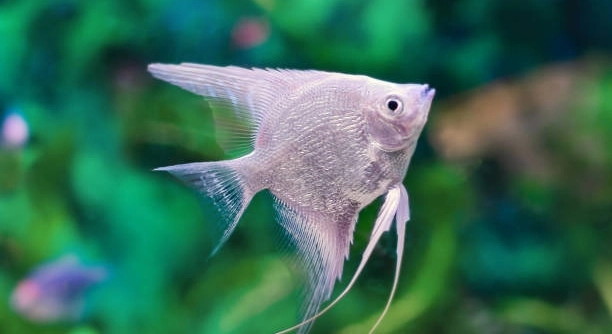
Sometimes, it’s frustrating when your angelfish refuses to eat, even though you’re offering its favorite food. As a fish owner, it’s important to understand why this behavior happens and what you can do about it.
Angelfish may ignore their food due to several factors such as stress, illness, water conditions, or even overfeeding. Identifying the root cause is essential to resolve the issue and ensure your angelfish is healthy and thriving.
There are many potential reasons for an angelfish to lose its appetite. Understanding the possible causes can help you address the issue and get your fish back to eating normally.
Stress from Environmental Changes
When your angelfish seems disinterested in food, stress could be the cause. Fish are sensitive to changes in their environment, and even small adjustments can have a big impact. Changes in temperature, water quality, or the addition of new tank mates may cause your angelfish to stop eating. It’s important to monitor any recent changes and provide a stable, calm environment for your fish. If your angelfish has been exposed to stressful conditions, it may take a little time to recover before its appetite returns.
Stress can cause your angelfish to become more reclusive or hesitant to eat, which is why maintaining stable water conditions and avoiding sudden changes are key.
Make sure the tank temperature is consistent and that the water quality is optimal. Fish are sensitive to fluctuations, so maintaining a proper balance will help reduce stress. Additionally, avoid overcrowding or introducing aggressive fish that might make your angelfish feel threatened. Reducing stress can help your fish feel more comfortable and encourage it to eat again. Check the water’s pH, ammonia levels, and nitrate levels regularly to ensure the environment is safe and peaceful.
Illness or Injury
When your angelfish is ignoring food, an underlying health issue could be at play. Fish can stop eating when they’re not feeling well, especially if they are suffering from parasites, bacterial infections, or injuries. Common signs of illness in fish include abnormal swimming behavior, visible lesions or spots, and lethargy. If you notice any of these symptoms, it’s important to act quickly and separate the sick fish from others to prevent the spread of illness.
Monitoring for any unusual behavior can help identify if something is wrong. If illness is suspected, a visit to a specialist or aquarium vet may be necessary for proper diagnosis and treatment.
Poor Water Quality
If your angelfish isn’t eating, the water might be the issue. Poor water quality can cause stress and health problems. High ammonia, nitrites, or low oxygen levels can make your fish feel unwell, leading to a lack of appetite. Testing the water regularly will help you keep track of the important parameters.
Bad water quality makes fish uncomfortable, and they may stop eating. Clean your tank regularly and perform partial water changes to maintain a healthy environment. Ensure the water temperature and pH levels are suitable for your angelfish. If the water quality is poor, your fish won’t feel safe, which can prevent it from eating.
If you find that water quality is a concern, focus on fixing the issue immediately. Use a reliable water testing kit to check for harmful substances like ammonia and nitrates. Make sure your filtration system is running efficiently. Once the water conditions improve, your angelfish should feel more comfortable, and its appetite may return.
Overfeeding
Overfeeding can lead to problems that affect your angelfish’s eating habits. When fish are fed too much, they may become disinterested in food or even refuse to eat altogether. Overfeeding creates excess waste in the tank, which can affect water quality and contribute to unhealthy conditions. This can also cause digestive issues in your angelfish.
If you suspect overfeeding, reduce the amount of food you provide. It’s important to offer only what your fish can consume in 2-3 minutes to avoid waste buildup. Smaller, more frequent feedings are often better for angelfish. Overfeeding can make them feel sluggish, and they won’t be motivated to eat. Always ensure the food is appropriate for their size and diet.
Consider whether you’ve been feeding your fish too much or too often. Reducing food portions will help restore balance in your tank and may encourage your angelfish to resume eating. Make sure you clean up any leftover food to prevent it from affecting water quality.
Tank Mates
Aggressive or territorial tank mates can stress out your angelfish, causing it to lose its appetite. If another fish is constantly chasing or bullying your angelfish, it may not feel safe enough to eat. It’s important to monitor interactions between tank mates and make adjustments when needed.
If you have aggressive fish in your tank, consider moving them to a separate tank. Angelfish do best in peaceful environments, where they don’t feel threatened by other fish. Territorial behavior can lead to stress and cause your angelfish to avoid eating, which can affect its health in the long run.
Monitor your tank to make sure all the fish are getting along. If a specific tank mate is the cause of the stress, it may be best to remove that fish or introduce more hiding spots to reduce conflict. Keeping your angelfish in a calm and peaceful setting will help encourage healthy eating habits.
Temperature Issues
Angelfish are sensitive to changes in water temperature. If the water is too cold or too hot, your fish may stop eating. Angelfish prefer water temperatures between 76°F and 82°F (24°C to 28°C). If the temperature fluctuates outside of this range, it could cause your fish to become lethargic or stressed.
Check the temperature regularly to ensure it stays within the right range. Sudden temperature changes or extreme conditions can lead to a loss of appetite. Consider investing in a reliable heater if you notice your tank temperature isn’t stable. A consistent environment will help keep your angelfish healthy and eating properly.
Poor Diet
Sometimes your angelfish may ignore its food because it’s not getting the right nutrition. If the food you offer is of poor quality or not suitable for their diet, your angelfish might not be interested in eating. A balanced diet is key for keeping your fish healthy and active.
FAQ
Why is my angelfish not eating even though the water quality seems fine?
Even if the water quality seems fine, there could still be hidden issues like low oxygen levels, high ammonia, or other invisible pollutants. Your angelfish could also be stressed due to other factors like tank mates, sudden temperature changes, or even the type of food being offered. Double-check all water parameters, including ammonia, nitrites, and oxygen levels. Consider the possibility that your fish might be stressed or simply not liking the food you’re providing.
Could overfeeding cause my angelfish to lose its appetite?
Yes, overfeeding can definitely lead to a loss of appetite. When you give your angelfish too much food, leftovers will degrade water quality and increase waste, leading to poor tank conditions. Overfeeding can also cause digestive issues, making your fish feel sluggish or bloated. To avoid this, offer smaller amounts of food and remove any uneaten bits after 2-3 minutes.
How do I know if my angelfish is stressed?
Stress in angelfish can manifest in various ways. Common signs include erratic swimming, hiding, and a lack of appetite. Your fish may also become more reclusive, swim near the surface more often, or even appear pale or show fin clamping. Stress can be caused by various factors such as poor water quality, aggressive tank mates, or environmental changes.
What should I do if my angelfish is showing signs of illness and not eating?
If your angelfish is not eating and showing signs of illness (like abnormal swimming or visible spots), it’s essential to act quickly. Separate the sick fish from healthy ones to prevent the spread of disease. Then, try to identify the illness, whether it’s a bacterial infection, parasite, or injury. You may need to treat with the appropriate medications, adjusting water quality and temperature as needed to aid recovery. Consult a vet or aquarium specialist if the problem persists.
Can a water temperature that is too high cause my angelfish to stop eating?
Yes, water that is too warm can stress your angelfish, causing it to stop eating. Angelfish thrive in water temperatures between 76°F and 82°F (24°C to 28°C). Higher temperatures can reduce oxygen levels in the water and speed up their metabolism, which could lead to decreased appetite. If the water temperature exceeds 82°F, your fish may become stressed and may not eat properly.
Can my angelfish’s tank mates cause it to lose its appetite?
Yes, aggressive or overly territorial tank mates can cause your angelfish to feel unsafe, leading to stress and loss of appetite. If you notice your angelfish avoiding food and being chased by other fish, it may be due to aggression. Consider rearranging the tank, adding hiding spots, or removing aggressive fish to create a calmer environment.
How can I make sure my angelfish is eating the right food?
Offering a balanced diet is key to keeping your angelfish healthy. Angelfish typically enjoy high-quality flakes, pellets, or frozen food like brine shrimp, daphnia, or bloodworms. Varying their diet can also help maintain interest in eating. Avoid overfeeding and ensure the food is fresh and appropriate for your fish’s size and age.
Can I feed my angelfish too much frozen food?
Frozen food can be nutritious, but feeding too much can cause water quality problems. Frozen food often has excess moisture, which can affect your tank’s parameters if left uneaten. Only offer small portions of frozen food at a time, and ensure that your angelfish eats it quickly. Removing leftovers after 2-3 minutes is important to maintain clean water.
What if my angelfish is eating but still looks unhealthy?
If your angelfish is eating but still looks unhealthy, it could be a sign of poor water quality, underlying illness, or nutritional deficiencies. Ensure that water parameters are ideal, and consider adjusting your fish’s diet for better nutrition. If the problem persists, it’s best to consult a vet to rule out any medical issues.
Why is my angelfish suddenly acting lethargic and refusing food?
Lethargy and loss of appetite can indicate stress, illness, or water quality issues. First, check the water parameters to make sure everything is in balance. Then, observe your fish for signs of illness or injury. Lethargy can also be caused by sudden environmental changes, so maintaining a stable tank setup is crucial for your fish’s well-being.
How often should I change the water if my angelfish is not eating?
Even if your angelfish isn’t eating, regular water changes are essential. Changing 25-30% of the water every week ensures that the water quality remains stable, which can help encourage your fish to eat again. Poor water quality can contribute to stress, so keeping your tank clean is important, even if your fish is not eating.
Final Thoughts
If your angelfish is ignoring its food, it can be worrying, but there are several potential reasons behind this behavior. Whether it’s related to stress, illness, water quality, or even overfeeding, identifying the root cause is key. Fish are delicate creatures, and they often react to changes in their environment in ways that can affect their health, including their appetite. By observing their behavior and making adjustments in their tank setup, you can help your angelfish return to normal eating habits.
First, it’s important to remember that fish thrive in stable conditions. This means that water temperature, pH, and oxygen levels should all remain consistent. Stress from poor water quality or aggressive tank mates can make your angelfish feel unsafe, leading to a decrease in appetite. Keeping your tank clean and ensuring your fish have enough space and hiding spots can help reduce stress. Additionally, offering high-quality food and avoiding overfeeding can also improve your fish’s chances of eating regularly. It’s essential to focus on maintaining a balanced, peaceful environment where your angelfish feels secure.
Lastly, if you notice that your angelfish is still not eating despite making all the necessary changes, it may be time to consult a vet or an aquarium expert. Illness can sometimes be the cause, and it’s better to seek professional advice early on to avoid further complications. With patience and careful observation, most issues can be resolved, and your angelfish can return to its healthy, active self. Keeping an eye on your fish’s behavior and making minor adjustments in their care can go a long way in ensuring their well-being.

Hello,
If you enjoy the content that we create, please consider saying a "Thank You!" by leaving a tip.
Every little bit helps us continue crafting quality advice that supports the health, happiness, and well-being of pets around the world, for pets of all shapes, sizes, and species.
We really appreciate the kindness and support that you show us!