
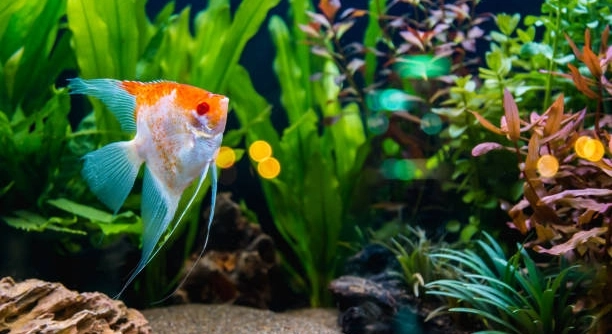
Angelfish are a beautiful addition to any aquarium, but they are sensitive to changes in their environment. Poor water quality can cause them stress and health issues, affecting their overall well-being.
Angelfish thrive in clean, well-maintained water, and poor water quality can lead to a range of signs, from lethargy to abnormal behavior. Identifying these signs early can help you take action before your fish’s health is severely impacted.
By monitoring your angelfish’s behavior and appearance, you can spot issues before they worsen. Understanding the impact of water quality on their health will guide you in providing a safe, thriving environment for your fish.
1. Slow or Abnormal Swimming Behavior
When water quality begins to decline, one of the first things you’ll notice in your angelfish is a change in their swimming pattern. Healthy angelfish tend to be active, gracefully gliding around the aquarium. However, when the water becomes toxic or improperly balanced, they might appear sluggish or disoriented. They may swim erratically, float near the surface, or even struggle to stay upright. These behaviors are a sign that the water chemistry may be affecting their health. Angelfish, like most aquatic creatures, rely on stable conditions to thrive. Any significant changes can disrupt their natural instincts and cause them to act differently. A lack of oxygen, high levels of toxins, or poor filtration can lead to stress and a noticeable shift in movement. Observing these subtle signs early is key in preventing more severe health problems for your fish. It’s important to address the water conditions quickly to avoid long-term damage to their wellbeing.
Angelfish that appear sluggish or swim strangely may be trying to tell you that something’s wrong with their environment. Immediate action is crucial for their health.
Checking your tank’s oxygen levels and ensuring proper filtration can help restore balance. If water quality issues continue, it’s essential to test parameters like ammonia, nitrites, and nitrates to identify potential causes. Angelfish are particularly sensitive to changes in these factors, and even small imbalances can lead to noticeable behavior changes. Regular water changes are also vital to maintaining good water quality. If you notice consistent signs of poor swimming, you may need to adjust your aquarium care routine. Avoid overfeeding, as decaying food can increase harmful substances in the tank. A stable, clean environment is crucial for angelfish to maintain their usual vibrant and active behaviors.
2. Loss of Appetite
Angelfish are typically eager eaters, and when they suddenly lose interest in food, it can be a red flag. Poor water quality may lead to stress, causing them to stop eating. This could also be a result of toxins affecting their system, leaving them uninterested in food. If you notice your angelfish is consistently ignoring meals, it’s important to examine the water conditions carefully. Stressors like fluctuating temperatures, high ammonia levels, or poor filtration can cause your fish to become lethargic and less inclined to eat. A loss of appetite can also make them more vulnerable to diseases, weakening their immune systems over time.
Water quality is a major factor that can affect your angelfish’s eating habits. Without addressing the underlying issue, your fish’s health may continue to decline.
If the water conditions aren’t corrected, it could lead to further issues like malnutrition or even death. Keeping a close eye on water parameters like pH, ammonia, and nitrate levels is essential. Frequent water changes and maintaining good filtration will help. Also, ensure your tank isn’t overcrowded, as that can lead to water quality deterioration. Even with good filtration, debris or uneaten food can contaminate the water. Regular cleaning and removing leftover food will make a noticeable difference in your fish’s health.
3. Faded Colors
Angelfish are known for their beautiful, vibrant colors. When water quality suffers, you may notice a significant fading of these hues. A lack of oxygen, high levels of toxins, or an improper pH balance can all contribute to color loss. Stress from poor water conditions can suppress the natural pigmentation in your fish, leaving them looking dull and washed out. The vibrant colors of angelfish are a direct reflection of their health, and a pale or washed-out appearance is a clear indicator that something is wrong. If this happens, it’s essential to take immediate action.
When your angelfish’s color fades, it’s an indication that their stress levels are high. Poor water quality can negatively impact their health and appearance.
Color loss can also be a result of improper lighting or poor diet. However, in the context of water quality issues, it’s usually a sign of underlying stress. To address this, test the water parameters regularly and ensure the aquarium has a proper filtration system. Maintaining the correct temperature and avoiding sudden changes in the water will also help. Fading colors should not be ignored, as it can indicate that your fish’s immune system is weakening. The quicker you can address water quality issues, the better their chances of recovering.
4. Excessive Gasping at the Surface
If your angelfish are frequently swimming to the surface and gasping for air, it’s a sign of oxygen deprivation. Poor water quality, especially when there is an excess of organic waste or inadequate filtration, can cause low oxygen levels in the tank. Gasping at the surface is a desperate attempt by your fish to find air.
You may also notice that they stay near the surface more than usual, or their gills may be visibly moving faster. This behavior is a clear signal that something is wrong with the water quality.
The main reason for oxygen deprivation is poor filtration and overcrowded tanks. If your filter isn’t working properly, harmful substances like ammonia and nitrate build up in the water, reducing oxygen availability. Ensure that your tank has proper filtration and enough surface area for oxygen exchange. Additionally, maintaining the correct water temperature and reducing overcrowding can help improve oxygen levels. Gasping at the surface is not something to overlook, as it can lead to more severe health issues for your angelfish.
5. White Spots or Blotches on the Skin
White spots or blotches on your angelfish’s skin could indicate a parasitic infection, often linked to poor water quality. A stressed immune system due to toxins in the water makes fish more susceptible to infections like Ich (white spot disease).
The appearance of white spots, especially around the fins or body, should be addressed quickly to prevent the infection from spreading. Poor water conditions are often the root cause of these types of infections.
Testing the water for high levels of ammonia, nitrites, and nitrates can help identify potential issues. Maintaining a clean tank and doing regular water changes will reduce the likelihood of bacterial or parasitic infections. A quarantine tank may also be helpful if you notice signs of disease, as it allows for targeted treatment without risking the health of other fish.
FAQ
What are the most common water quality issues for angelfish?
The most common water quality issues for angelfish are high levels of ammonia, nitrites, and nitrates. These substances can build up in the water when there is insufficient filtration or if you’re overfeeding your fish. Low oxygen levels, improper pH levels, and fluctuating temperatures are also significant issues. Poor water quality stresses your fish, making them more vulnerable to diseases and affecting their overall health. Regular water testing and routine changes are essential to maintain stable conditions.
How often should I test the water in my angelfish tank?
It’s best to test the water in your angelfish tank at least once a week. This will help you track the levels of ammonia, nitrites, and nitrates, ensuring they stay within safe ranges. If you notice any issues, such as behavioral changes in your fish, testing more frequently is a good idea. Testing can also help you identify problems early, before they impact your angelfish. Keeping an eye on water temperature and pH levels is just as important for their well-being.
What is the ideal water temperature for angelfish?
Angelfish prefer warm water with a temperature range of 76°F to 82°F (24°C to 28°C). Keeping the temperature consistent is key to maintaining your fish’s health. Too cold or too hot water can stress your fish and lower their immune system. Make sure your tank has a reliable heater, especially during colder months, to maintain the right temperature. Fluctuations in temperature can cause stress and lead to problems like loss of appetite and reduced immunity.
How can I improve oxygen levels in my tank?
Improving oxygen levels in your tank can be done in several ways. Ensure your tank has a high-quality filter that promotes surface agitation for oxygen exchange. You can also add an air pump or air stone to increase water movement and oxygen diffusion. Increasing surface area through a wider tank or adding live plants can help as well. Be sure to avoid overcrowding, as more fish in the tank can reduce oxygen levels.
What should I do if my angelfish are not eating?
If your angelfish are not eating, first check the water quality. Poor water conditions, such as high ammonia or nitrate levels, can lead to a loss of appetite. Also, make sure you’re offering them high-quality, fresh food. Overfeeding can lead to excess waste in the tank, negatively impacting water quality. If the water is in good condition and your fish still refuse food, try feeding them different types of food, as they may have grown tired of their usual diet. Stress from tank mates or environmental changes can also affect their eating habits.
How can I treat white spot disease (Ich) in angelfish?
White spot disease, or Ich, is caused by a parasite that infects fish under stress, often triggered by poor water quality. If you notice white spots on your angelfish, immediately isolate them in a separate quarantine tank to prevent the spread. Increase the water temperature slightly (but not above 82°F), as the parasite thrives in cooler temperatures. Use a medicated treatment designed for Ich, following the instructions carefully. Keep the main tank clean by performing water changes and monitoring for any signs of new infections.
How do I reduce stress in my angelfish?
Reducing stress in angelfish begins with maintaining stable water conditions. Keep the temperature, pH, and water hardness consistent and avoid sudden changes. Overcrowding the tank or introducing aggressive tank mates can stress your fish. Provide hiding spots and plants for your angelfish to retreat to if they feel threatened. Regular water changes and proper filtration are also important to ensure a clean, safe environment. Lastly, avoid loud noises or vibrations around the tank, as angelfish can be sensitive to disturbances.
What are the signs of ammonia poisoning in angelfish?
Ammonia poisoning in angelfish often manifests as lethargy, gasping for air, or erratic swimming. You might also notice redness or inflammation around the gills and fins. If ammonia levels are high, the fish may stop eating and develop visible wounds. Ammonia poisoning is a serious issue that requires immediate action, such as performing a water change and testing the water parameters. Reducing ammonia levels by improving filtration, increasing water changes, and avoiding overfeeding will help prevent future occurrences.
How can I prevent poor water quality in my tank?
To prevent poor water quality, start by maintaining a proper filtration system and performing regular water changes. Test your water regularly to monitor ammonia, nitrite, and nitrate levels. Avoid overfeeding and remove any uneaten food promptly to prevent waste buildup. Don’t overcrowd your tank, as more fish means more waste and higher stress levels. Invest in a good quality filter and consider adding live plants to help naturally filter the water. Keeping a stable environment will prevent most water quality problems.
Is it okay to use tap water in my angelfish tank?
Tap water can be used in your angelfish tank, but it must be treated first. Tap water often contains chlorine or chloramine, which can be harmful to your fish. Always use a water conditioner to remove these chemicals before adding tap water to your tank. Additionally, check the hardness and pH of your tap water, as these can vary greatly depending on your location. Some tap water may be too soft or too hard for angelfish, so you might need to adjust the water parameters accordingly.
How can I improve water quality without harming my fish?
Improving water quality without harming your fish starts with proper filtration. Make sure your filter is suitable for the size of your tank and regularly clean it to prevent clogging. Perform regular water changes (about 25% every 1-2 weeks) to remove excess waste and toxins. Avoid overfeeding and promptly remove any uneaten food. Adding live plants can also help absorb excess nutrients. Always test the water before making any changes to ensure you’re not disrupting the balance of your aquarium.
Final Thoughts
Taking care of angelfish requires attention to their environment, especially when it comes to water quality. Poor water conditions can quickly lead to health problems like abnormal behavior, fading colors, or infections. Angelfish are delicate creatures, and they rely on stable, clean water to thrive. If you notice any signs that something is off, such as lethargy, changes in behavior, or loss of appetite, it’s essential to address the water quality immediately. Regular water testing, proper filtration, and frequent water changes can help prevent most issues before they affect your fish.
By keeping track of water parameters like ammonia, nitrites, nitrates, and pH levels, you can ensure your tank remains a healthy habitat for your angelfish. Angelfish are sensitive to even slight changes in their environment, so maintaining a consistent water temperature and avoiding overcrowding is crucial. You can also make small adjustments to improve water quality, such as using air stones to increase oxygen levels or adding live plants to help naturally filter the water. Keeping your tank clean and providing a balanced diet for your fish will also go a long way in preventing stress and health problems.
In the end, the key to keeping your angelfish happy and healthy is prevention. If you stay on top of water quality and recognize early signs of stress, you can avoid many common problems. With the right care, angelfish can live a long and vibrant life. It’s not just about keeping the water clean but creating an environment where your fish feel safe and comfortable. Regularly monitor the water, make necessary adjustments, and take action at the first sign of trouble, and your angelfish will thrive in their aquatic home.

Hello,
If you enjoy the content that we create, please consider saying a "Thank You!" by leaving a tip.
Every little bit helps us continue crafting quality advice that supports the health, happiness, and well-being of pets around the world, for pets of all shapes, sizes, and species.
We really appreciate the kindness and support that you show us!