
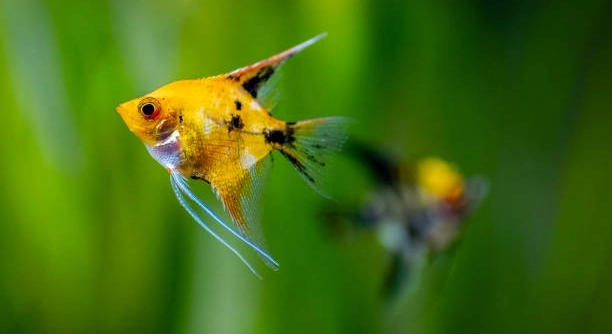
Angelfish are known for their vibrant colors and peaceful nature, making them a popular choice for many aquarium owners. However, after a water change, they may display unusual behavior. Understanding why this happens can help maintain their health and happiness.
After a water change, your angelfish may act differently due to changes in water temperature, pH levels, or stress from the cleaning process. These factors can temporarily disrupt their routine, leading to shifts in behavior or activity.
Knowing the possible causes behind these changes can help you address any issues swiftly. Keep reading to explore the seven common theories that explain why your angelfish might act differently after a water change.
Water Temperature Fluctuations
One of the most common reasons your angelfish might behave oddly after a water change is a sudden shift in water temperature. Aquatic animals are highly sensitive to temperature changes, and even small differences can cause stress. Angelfish thrive in stable water conditions, usually between 76°F and 82°F (24°C to 28°C). If the temperature of the new water differs from the tank’s previous temperature, it can make your angelfish feel uneasy. They may swim erratically, hide more, or seem less active.
Temperature changes affect angelfish’s behavior by disrupting their natural balance. Sudden drops or rises in temperature can lead to physical stress, reducing appetite or causing disorientation. Ensuring gradual water temperature adjustments is essential for maintaining comfort.
It’s vital to always match the new water temperature with the tank’s. You can achieve this by using a thermometer when preparing the water for the change. If your water change is substantial, consider adding the new water slowly, allowing your angelfish to adjust. Stability is key when it comes to keeping your fish calm and happy after a water change. A small fluctuation is manageable, but large changes can be too much for your angelfish to handle.
pH Level Changes
Another factor that can cause your angelfish to act differently is a shift in pH levels. The pH of the water indicates how acidic or alkaline it is, and angelfish thrive in neutral to slightly acidic conditions, usually between 6.8 and 7.8. When water changes involve a significant difference in pH levels, your angelfish may become stressed, affecting their overall behavior.
The pH can fluctuate depending on the water source, especially if your tap water is treated with chemicals or minerals that differ in pH from your aquarium water. A drastic change may lead to confusion or stress in your angelfish. They may start swimming near the surface, showing signs of agitation or hiding more than usual. To prevent this, always check the pH of both the new and existing water before performing a water change.
It’s a good idea to use a pH testing kit to monitor changes, and if needed, you can adjust the pH gradually using safe products designed for aquariums. Sudden shifts in pH can harm your angelfish, and maintaining a balanced environment is crucial for their well-being. Regular water changes should be planned carefully to keep the pH stable, helping your angelfish remain comfortable and healthy.
Stress From the Water Change Process
Cleaning the tank and performing a water change can be a stressful event for your angelfish. The noise, movement, and sudden disturbances might unsettle them, especially if they are not accustomed to these activities. Fish are creatures of habit, and any disruption to their environment can be stressful. They may exhibit signs of stress, such as erratic swimming, hiding, or reduced activity after the change.
Fish naturally thrive in calm environments where they feel safe and secure. The process of cleaning the tank can temporarily upset their sense of stability. If you are cleaning decorations, the substrate, or using strong water currents, it can add to the stress, causing your angelfish to act differently. To reduce stress, consider keeping the process as quiet and gentle as possible. Try not to change the decor too frequently, as this can disorient your angelfish.
Taking your time during the water change and minimizing movement around the tank will make the experience less stressful for your fish. Afterward, you may notice your angelfish relaxing again as they adjust back to their normal routine. Understanding how to handle water changes calmly can prevent the negative effects of stress on your angelfish.
Water Quality Changes
Changes in water quality after a water change can impact angelfish behavior. If the new water isn’t properly conditioned or contains harmful substances like chlorine or chloramine, it can cause immediate stress. These chemicals are toxic to fish and may lead to erratic swimming or hiding.
To ensure that the water quality remains suitable, always treat the new water with a dechlorinator before adding it to the tank. Additionally, use a water testing kit to check for ammonia, nitrites, and nitrates, ensuring they stay at safe levels. Angelfish are sensitive to water quality, and improper treatment of the water can lead to illness and changes in behavior. Regularly checking the water parameters can help keep your angelfish comfortable and reduce the chances of behavior changes after a water change.
The best way to maintain water quality is by staying consistent with your tank maintenance routine. Proper filtration, regular water changes, and water treatments go a long way in keeping harmful substances from building up. When the water is clean, the angelfish will remain calm and healthy, preventing unusual behavior from occurring.
Overcrowding or Disturbance
Overcrowding in the aquarium can also lead to abnormal behavior in angelfish after a water change. When a tank becomes too crowded, the water quality can degrade quickly, and fish might feel more stressed due to limited space. This can lead to aggression or more hiding.
When performing a water change, it’s essential to check if your tank is overcrowded. Overcrowding can also reduce oxygen levels in the water, which can cause your angelfish to behave differently or become lethargic. It’s best to ensure that your tank is adequately sized for the number of fish it holds, and if necessary, consider relocating or rehoming some fish.
If your tank has a lot of fish, make sure to increase filtration capacity and check water parameters more frequently. Avoid adding too many fish at once, as this can overwhelm the system. A more balanced tank leads to happier and healthier angelfish, who will act more normally after water changes.
Inconsistent Feeding
Inconsistent feeding patterns can lead to angelfish acting differently after a water change. If your fish are not receiving their meals on a regular schedule, their behavior might change due to hunger or stress. After a water change, they might become more aggressive when food is introduced or lose their appetite entirely.
Feeding angelfish on a consistent schedule is important to avoid these changes. If they are used to a routine, they are more likely to remain calm and behave normally. Skipping meals or feeding erratically can cause them to feel uncertain about their environment, which can lead to stress.
Regular feeding, combined with appropriate portions, helps to maintain your angelfish’s comfort and overall health. If they are consistently well-fed, they will be more likely to return to their normal routine after a water change. Avoid overfeeding, as this can also disrupt the water quality and lead to further behavioral problems.
Lighting Changes
Changes in lighting can also affect your angelfish’s behavior after a water change. Angelfish are sensitive to light, and if the lighting conditions in their tank change suddenly, they may become stressed or disoriented. They might hide more or swim erratically until they adjust.
It’s important to keep the lighting consistent, both in terms of intensity and schedule. Sudden changes in light levels can disrupt their sense of time and lead to stress. Make sure the tank receives natural or artificial light on a regular cycle to keep your angelfish calm.
Filter Disruption
If the filter is disturbed during a water change, it can cause sudden shifts in water flow, which may alter your angelfish’s behavior. They may become unsettled due to unfamiliar water currents or changes in their environment. Angelfish prefer stable water conditions.
When performing a water change, ensure the filter is not turned off for too long or disturbed significantly. Keep the filter clean and in working order, so your angelfish don’t experience stress from inconsistent water movement. Stable filtration promotes better health and reduces behavioral shifts in your fish.
Tank Decor Changes
Changing the tank’s décor can create stress for your angelfish, especially if they rely on certain hiding spots for comfort. They may feel insecure if their environment is altered drastically after a water change. This can lead to them acting differently, such as hiding more or swimming erratically.
To minimize stress, try not to make significant décor changes frequently. If you must rearrange the tank, do it slowly and avoid moving essential items like plants or rocks that your angelfish use for cover. Familiar surroundings help keep them comfortable and calm.
FAQ
Why is my angelfish hiding after a water change?
Hiding is a common behavior after a water change because the angelfish may feel stressed or disoriented by the changes in their environment. Factors like sudden temperature shifts, altered pH, or unfamiliar water flow can cause them to seek shelter. Angelfish are naturally sensitive to their surroundings, and water changes can disrupt their sense of security. To minimize this behavior, try to ensure gradual adjustments to water temperature and quality, and keep the tank’s environment consistent. Once your angelfish adjust to the changes, they should come out of hiding and return to normal behavior.
Can a water change make my angelfish sick?
While water changes are essential for keeping the tank clean, improper handling can cause stress and, in some cases, make your angelfish sick. If the new water is treated with harmful chemicals or the temperature and pH levels are not properly balanced, it can stress the fish. Additionally, if the tank’s filter is disrupted or the water change process causes trauma to your angelfish, it can weaken their immune system, making them more susceptible to illness. To avoid this, always ensure the water is treated correctly and that water parameters are checked before adding it to the tank.
How often should I change the water in my angelfish tank?
It’s recommended to change about 20-25% of the water in your angelfish tank once a week. Regular water changes help maintain stable water quality, which is crucial for your fish’s health. If you have a heavily stocked tank, more frequent changes may be necessary. However, overchanging the water too frequently or too drastically can cause stress. Consistency is key, and maintaining a routine with partial water changes helps keep your angelfish happy without shocking their system.
Should I remove my angelfish during a water change?
Generally, it’s not necessary to remove your angelfish during a water change unless you’re performing a major tank cleaning or working with potentially harmful chemicals. Most water changes can be done without disturbing the fish, but if you’re worried about disturbing them with noise or movement, it’s okay to temporarily relocate them to a holding tank. Just ensure the water in the holding tank is similar in temperature and quality to the main tank to avoid further stress when reintroducing them.
Can I add new fish immediately after a water change?
It’s best to wait a day or two before adding new fish to your tank after a water change. This gives your angelfish time to adjust to the new water conditions and reduces the risk of stressing both your current fish and the newcomers. Adding new fish immediately after a water change can disrupt the balance of the tank and cause stress. When introducing new fish, always monitor their behavior closely for signs of aggression or stress, and make sure the water parameters are stable.
Do angelfish need a filter during water changes?
Yes, it’s important to maintain filtration during water changes to keep the water circulating and prevent the buildup of harmful substances like ammonia or nitrates. If you turn off the filter during a water change, you risk the water becoming stagnant, which can negatively impact the water quality and cause stress for your angelfish. If you need to temporarily pause the filter during maintenance, make sure to restart it as soon as possible to maintain water movement and cleanliness.
Can I change 50% of the water during a water change?
Changing 50% of the water can be done, but it should be approached with caution. Large water changes can shock your angelfish if the new water is significantly different in temperature, pH, or chemical content. If you decide to change such a large amount of water, make sure to condition and treat the new water properly. Additionally, it’s important to gradually introduce the new water into the tank to avoid overwhelming your angelfish. Frequent large water changes should only be necessary if the tank’s water quality is severely compromised.
What should I do if my angelfish is swimming erratically after a water change?
Erratic swimming after a water change is often a sign of stress. The sudden changes in the water environment may be causing your angelfish to feel uncomfortable. First, check the water temperature, pH levels, and ammonia levels to ensure they’re within the appropriate range. If the levels are off, address the issue immediately. You can also check for any disturbances in the tank, such as water flow changes or noise from nearby activity. If the erratic swimming continues for more than a few hours, it may be necessary to move your angelfish to a more stable environment temporarily.
Should I remove algae or debris during water changes?
Yes, it’s a good practice to remove any visible algae or debris during a water change. This helps keep the tank clean and prevents any potential build-up of harmful substances. Use an algae scraper or sponge to gently remove algae from the glass, and vacuum the substrate to remove debris. However, avoid overcleaning, as this can stress your fish. The goal is to maintain a clean environment without shocking the system or disrupting your angelfish’s habitat.
Why are my angelfish more aggressive after a water change?
Aggression can sometimes occur after a water change due to stress or territorial disputes. Angelfish are naturally territorial, and changes in water quality or environment can make them feel more vulnerable, prompting them to become more aggressive. They may also be reacting to the altered appearance of their tank if decorations were moved. To minimize aggression, ensure that the water change is done quietly and gently, without causing too much disruption. Monitor your angelfish closely for any signs of aggression and consider rearranging the tank if necessary to reduce territorial behavior.
Final Thoughts
Understanding why your angelfish behave differently after a water change can help you provide a better environment for them. Water changes are essential for maintaining a healthy aquarium, but they can temporarily disrupt the balance of your tank. Whether it’s a shift in water temperature, changes in pH, or the stress of cleaning, your angelfish may act out in ways you don’t expect. By paying close attention to the water parameters and minimizing any disturbances during the water change process, you can help your fish feel more secure and comfortable. Regular water changes are a routine part of keeping an aquarium, but it’s important to do them correctly to avoid stressing your fish.
Fish, including angelfish, are highly sensitive to changes in their environment. A stable, predictable environment is key to their health and well-being. When a water change occurs, even small adjustments in temperature or pH can have a noticeable impact on their behavior. It’s normal for angelfish to swim erratically, hide, or even show signs of aggression if they feel threatened or uneasy. Keeping the changes gradual and minimizing any sudden shocks will help your angelfish adjust more quickly. Monitoring your fish after a water change will give you a better sense of how they’re feeling and if any adjustments are needed.
In the end, it’s all about balance. Maintaining a regular water change schedule is essential for keeping your tank clean and your angelfish healthy. However, it’s just as important to ensure that the process is as gentle and consistent as possible. With a little attention to detail, you can reduce the stress on your angelfish and keep them happy. By watching their behavior and adjusting your care routine as needed, you’ll be able to provide an environment that helps them thrive. Patience and understanding go a long way in aquarium care, and this applies to your angelfish’s post-water change behavior as well.

Hello,
If you enjoy the content that we create, please consider saying a "Thank You!" by leaving a tip.
Every little bit helps us continue crafting quality advice that supports the health, happiness, and well-being of pets around the world, for pets of all shapes, sizes, and species.
We really appreciate the kindness and support that you show us!