
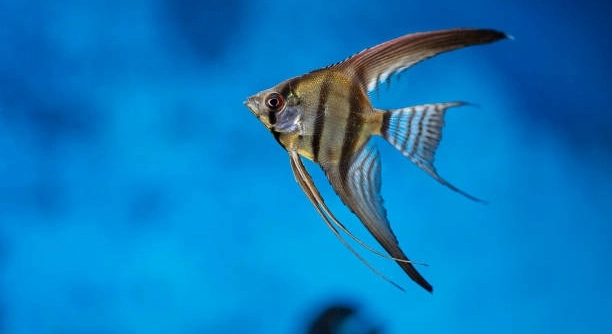
Choosing the right substrate for your angelfish tank is key to creating a healthy, thriving environment. The substrate not only affects the look of the tank but also influences water quality and fish behavior.
The best substrates for an angelfish tank should be gentle on their delicate fins and easy to maintain. Options like fine gravel, sand, and specially designed aquarium soil promote natural behaviors, encourage plant growth, and improve water filtration.
Selecting the right substrate will make a big difference in the long-term success of your tank setup and fish health.
Choosing the Right Substrate for Angelfish Tanks
When selecting a substrate for your angelfish tank, consider factors like water quality, ease of maintenance, and fish comfort. Angelfish have delicate fins, so rough or sharp substrates should be avoided. Fine gravel or soft sand is ideal, as it will not harm their fins and provides a natural feel. Additionally, the right substrate promotes plant growth, which helps maintain a balanced ecosystem in the tank. For a more natural look, you can also incorporate a layer of nutrient-rich substrate that will support the plants.
Fine gravel is an excellent choice for angelfish tanks because it offers the right balance of comfort and functionality. This substrate is smooth enough to avoid damaging the fish but still allows for proper water flow and filtration.
For tanks with live plants, you may want to go a step further and use a soil-based substrate. This substrate helps anchor plants while providing essential nutrients. Plants thrive in this environment, and the tank will look more vibrant.
Fine Gravel Substrate
Fine gravel is easy to clean and provides a natural look for your tank. It’s gentle on angelfish fins and helps maintain water quality. This type of substrate is also great for filtering water and is easy to work with.
Fine gravel also allows water to circulate well, preventing debris buildup. Its smooth texture ensures that your angelfish won’t harm their fins as they move around. It’s important to choose the right size gravel to allow proper filtration without causing clogs. This ensures a clean and healthy tank environment.
Another benefit of fine gravel is its versatility. It can be used in both freshwater and planted tanks. With proper maintenance, it will stay clean and aesthetically pleasing for a long time. The gravel’s natural appearance also enhances the overall look of the tank, complementing your fish and plants.
Sand Substrate
Sand is another popular choice for angelfish tanks. It’s soft, easy to manage, and provides a smooth surface for your fish. Unlike gravel, sand compacts more easily and allows for better filtration, making it an excellent choice for those who prefer a simpler setup.
Sand also encourages natural behaviors in angelfish. These fish often sift through the substrate for food, and sand mimics their natural habitat. The fine grains prevent waste from getting stuck, which helps maintain water quality. Additionally, sand doesn’t disturb plant roots, allowing plants to thrive.
However, sand can sometimes cause problems with water circulation if it’s too fine or deep. It’s important to stir it occasionally to prevent compacting. With the right care, sand can enhance the beauty of your aquarium and provide a comfortable, low-maintenance environment for your angelfish.
Aquarium Soil
Aquarium soil is ideal for planted tanks. It provides nutrients to plants and promotes healthy root growth. This substrate helps maintain a stable environment for both your fish and plants. It’s a good choice for angelfish tanks with live plants.
Aquarium soil is nutrient-rich, allowing plants to grow strong and healthy. It’s especially useful in tanks with aquatic plants that require extra nutrients for development. When combined with a layer of gravel on top, it provides stability and an attractive aesthetic. It can also help maintain proper pH levels.
Crushed Coral
Crushed coral helps maintain a stable pH level in freshwater tanks. It’s especially useful if your tap water is naturally acidic or if you want to raise the pH for certain species. This substrate also provides good filtration and a natural look.
Crushed coral works well in angelfish tanks because it enhances water quality. Its porous texture aids in filtration, helping to remove waste particles and prevent bacterial growth. The alkaline properties also create a stable environment for your fish, particularly if you need to raise the pH.
FAQ
What is the best substrate for angelfish?
The best substrate for angelfish is fine gravel or soft sand. These provide a smooth surface that prevents damage to the fish’s delicate fins while promoting healthy water circulation. Fine gravel allows for easy cleaning, and sand mimics natural conditions, which is beneficial for angelfish behavior.
Can I use aquarium soil with angelfish?
Yes, aquarium soil can be used with angelfish, especially if you plan to include live plants in the tank. It provides essential nutrients to plants, encouraging healthy growth. Just make sure to layer it properly to prevent it from disturbing the fish or water quality.
Is sand better than gravel for angelfish?
Both sand and gravel can work for angelfish, but it depends on your tank’s needs. Sand is ideal for simulating natural conditions, as angelfish often sift through the substrate. Gravel, on the other hand, is easier to clean and doesn’t compact, making it a practical choice for tanks without plants.
How do I maintain my substrate for angelfish?
To maintain your substrate, avoid overfeeding your angelfish, as excess food can get trapped in the substrate and cause water quality issues. Regular vacuuming is essential to remove debris from the substrate, and occasionally stirring sand can help prevent compaction, allowing for better filtration and oxygen flow.
Do angelfish like planted tanks?
Yes, angelfish thrive in planted tanks. Live plants not only improve water quality by absorbing excess nutrients but also provide angelfish with hiding spots and territories. Plants also mimic natural environments, which can help reduce stress in your angelfish and encourage more natural behavior.
How deep should the substrate be for angelfish?
The depth of the substrate should be around 1 to 2 inches for most setups. For tanks with plants, a deeper substrate layer of 2 to 3 inches is ideal to support healthy plant root growth. A shallower layer is sufficient if the focus is just on fish and water quality.
Can I mix different substrates in my angelfish tank?
Yes, mixing substrates is possible and can add variety to your tank’s appearance. Many aquarium owners use a combination of fine gravel for the base and nutrient-rich soil for plants. Just be sure the transition between substrates is smooth and doesn’t create sharp edges that could harm your fish.
What pH level is best for angelfish?
Angelfish prefer a slightly acidic to neutral pH, typically between 6.5 and 7.5. If you use crushed coral as part of your substrate, it can help maintain a stable pH, especially if your water tends to be acidic. Regular water testing is important to ensure your angelfish are in their optimal pH range.
Can I use pebbles as a substrate for angelfish?
It’s best to avoid large or sharp pebbles in an angelfish tank. These can injure your fish’s fins as they move around. Small, smooth pebbles may work, but they can be harder to clean compared to gravel or sand. If you use pebbles, make sure they are rounded and not sharp.
Should I use a substrate with plants?
Using a substrate with plants is highly recommended if you want to create a more natural tank environment. Plants provide oxygen, absorb excess nutrients, and reduce algae growth. Substrates like aquarium soil or a combination of soil and fine gravel are ideal for planting, as they support healthy root systems.
What should I avoid when choosing substrate for angelfish?
Avoid using rough or sharp substrates, such as large pebbles or jagged rocks, as they can injure your angelfish. Additionally, avoid substrates that can drastically alter water chemistry unless specifically needed for your tank setup. Ensure the substrate you choose doesn’t cause poor water circulation or become difficult to maintain.
How often should I change the substrate in my angelfish tank?
You don’t need to change the substrate entirely unless there are significant issues with water quality or it becomes compacted and difficult to clean. Regular cleaning and vacuuming can maintain the substrate for a long time. A full substrate change may be needed every 1 to 2 years, depending on your tank’s conditions.
Can I use colored substrate in an angelfish tank?
Colored substrates can be used, but it’s important to choose non-toxic options. Avoid substrates that contain artificial dyes or chemicals that could harm your fish. Natural-colored substrates like fine gravel or sand are safer and more visually appealing to most aquarium owners and angelfish alike.
Final Thoughts
Choosing the right substrate for an angelfish tank plays a significant role in ensuring the health and comfort of your fish. Fine gravel and soft sand are the most popular choices as they provide a smooth surface that won’t damage delicate fins. These substrates also promote proper water circulation and are easy to maintain, making them suitable for both beginners and experienced aquarium owners. For those who want to include live plants, aquarium soil is another great option, as it supplies necessary nutrients to plant roots and helps create a more natural environment.
While choosing the right substrate is important, maintaining it is equally crucial for long-term success. Regular cleaning and occasional stirring of sand help prevent compaction and ensure the substrate doesn’t become a breeding ground for harmful bacteria. It’s also essential to monitor water parameters, such as pH and hardness, as they can be influenced by the substrate. If your tank has live plants, adding a layer of nutrient-rich substrate will encourage plant growth, while providing your angelfish with hiding spots and a sense of security. However, be mindful not to disturb plant roots or disrupt the overall balance of the tank.
Ultimately, the best substrate for your angelfish tank depends on your tank’s setup and your personal preferences. Whether you choose gravel, sand, or aquarium soil, each substrate type has its own advantages and challenges. By understanding the needs of your angelfish and the conditions of your tank, you can select a substrate that promotes healthy fish and plants. Proper maintenance and regular water testing are key factors in ensuring a clean and thriving environment for your angelfish. With the right care, your tank will flourish, providing a beautiful and comfortable home for your fish.

Hello,
If you enjoy the content that we create, please consider saying a "Thank You!" by leaving a tip.
Every little bit helps us continue crafting quality advice that supports the health, happiness, and well-being of pets around the world, for pets of all shapes, sizes, and species.
We really appreciate the kindness and support that you show us!