
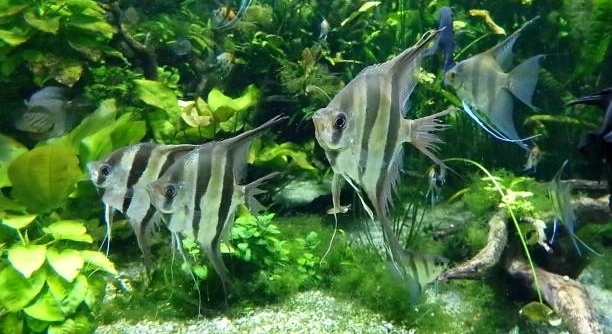
Angelfish are a popular choice for aquarium enthusiasts, offering vibrant colors and calm personalities. However, when they hang at the bottom of the tank, it can be a cause for concern. Several factors can contribute to this behavior.
Angelfish may hang at the bottom of the tank due to poor water quality, stress, disease, or improper tank conditions. Issues like low oxygen levels, high ammonia, or temperature fluctuations can cause this behavior. Ensuring a stable, clean environment is key to their health.
Addressing these factors will help ensure a more active and healthy angelfish.
Poor Water Quality
Water quality is one of the primary reasons why angelfish may hang at the bottom of the tank. Angelfish are sensitive to their environment, and even small changes in water parameters can affect their behavior. High ammonia, nitrites, or low oxygen levels can cause stress and discomfort. Dirty or unfiltered water can also contribute to poor health, making it harder for your fish to swim around freely. Regular water changes are essential for maintaining a healthy tank environment.
A consistent water change schedule ensures the removal of toxins and maintains stable water conditions. Without proper filtration and routine water maintenance, angelfish can easily become lethargic, seeking shelter at the tank’s bottom.
Maintaining good water quality can make a huge difference in your angelfish’s well-being. By testing water parameters regularly and adjusting accordingly, you can create an optimal environment for your fish to thrive. This will help keep your angelfish active and swimming comfortably throughout the tank.
Stress from Tank Mates
Stress can also contribute to angelfish staying near the bottom. Aggressive tank mates or overcrowded tanks can cause anxiety in angelfish. If your tank has fish that are too territorial or overly active, your angelfish may seek refuge at the bottom to avoid interaction.
To help reduce stress, it’s crucial to choose tank mates that are peaceful and compatible. Additionally, providing plenty of hiding spots with plants or rocks can help your angelfish feel secure. Giving your fish the right amount of space to move comfortably will reduce stress, allowing them to swim freely throughout the tank.
In some cases, angelfish may exhibit signs of stress even if no obvious aggression is present. Environmental factors like loud noises or movement around the tank can also lead to stress, causing your fish to stay near the bottom. By maintaining a calm environment, you can reduce the risk of stress-related behavior.
Illness or Disease
Angelfish can hang at the bottom of the tank if they’re sick. Conditions like swim bladder disorder, parasites, or bacterial infections often cause lethargy. Infected fish may also show other signs such as faded colors or abnormal swimming patterns.
If you notice symptoms of illness, separating the affected fish from others can prevent the spread of disease. Treatment may involve adjusting water conditions, offering medicated food, or using appropriate treatments based on the illness. Ensure that the tank is clean and all water parameters are optimal to aid recovery.
Monitoring your angelfish for any signs of illness and addressing issues quickly can prevent further health problems. Proper tank care, including regular water changes and observing your fish closely, will ensure that your angelfish remains healthy. Sick fish often need time and proper care to recover, and taking swift action can make all the difference.
Poor Water Temperature
Temperature fluctuations can impact an angelfish’s behavior. If the water is too cold or too warm, your angelfish may feel stressed or lethargic, causing them to stay at the tank’s bottom. Angelfish prefer a stable temperature range between 76°F and 82°F (24°C to 28°C).
A reliable heater is necessary to maintain the right temperature in your aquarium. Sudden temperature changes can cause shock, which might lead your fish to hide at the bottom. It’s essential to use a thermometer to regularly check the water temperature and avoid sudden fluctuations that could affect the fish’s well-being.
By keeping the tank temperature consistent and within the recommended range, you can help ensure your angelfish stay active and healthy. A stable environment reduces stress and allows your fish to thrive, making your aquarium a better place for them to swim freely.
Overfeeding
Overfeeding is a common issue that can cause angelfish to feel sluggish and hang at the bottom of the tank. Excess food in the water leads to poor water quality and stress, making it harder for the fish to stay active.
Feed your angelfish only what they can consume in a few minutes. Uneaten food sinks to the bottom and degrades, which can pollute the water. It’s important to stick to a feeding schedule and avoid overfeeding, as this will help maintain good water quality and keep your angelfish healthy.
By feeding your fish in moderation, you reduce the chances of water pollution and help ensure their environment remains stable. This promotes active behavior and healthy, energetic fish that swim freely without lingering at the bottom.
Tank Size
A tank that’s too small can cause angelfish to feel confined, leading to stress and lethargy. Angelfish are known to need space to swim and explore. If the tank is overcrowded, the fish may retreat to the bottom for comfort.
Ensure your tank is large enough for your fish to move around comfortably. Angelfish need at least a 20-gallon tank, but larger aquariums are even better. Providing ample space helps reduce stress, improve oxygen flow, and create a healthier environment for your fish.
A larger tank not only allows for better water quality but also helps maintain proper filtration. The extra space reduces the chance of territorial conflicts and offers your angelfish a safe place to swim, eat, and rest.
Inadequate Filtration
A tank with poor filtration can lead to the buildup of harmful substances, which may cause angelfish to hang at the bottom. Without a proper filtration system, water becomes polluted with waste, making the environment less hospitable for fish.
Make sure your tank has a reliable filtration system to maintain water clarity and quality. A strong filter will remove toxins and debris, ensuring that your fish are swimming in clean water. Regular maintenance of the filter and checking water parameters will keep the tank environment stable.
Good filtration is essential for keeping angelfish active. With a clean, well-maintained tank, your angelfish will be able to swim freely, avoiding the bottom of the tank due to stress or poor water conditions.
FAQ
Why is my angelfish swimming at the bottom of the tank?
Angelfish may swim at the bottom due to various reasons, including poor water quality, illness, stress, or environmental factors like low temperature or inadequate tank size. They may also retreat to the bottom if they are overfed, as uneaten food creates water pollution. Ensure clean water, stable temperatures, and healthy tank mates to address the issue.
Can poor water quality make my angelfish stay at the bottom?
Yes, poor water quality can make your angelfish feel stressed and lethargic. High levels of ammonia, nitrites, or nitrates, combined with low oxygen, can cause them to retreat to the tank’s bottom. Regular water changes, proper filtration, and water tests will help maintain the necessary water conditions.
How often should I change the water in my angelfish tank?
Water changes should be done every week to maintain good water quality. Aim to replace about 20-25% of the water each time. If the tank has high fish load or poor filtration, you may need to change the water more frequently to keep harmful toxins at bay.
What temperature should the water be for angelfish?
Angelfish prefer a water temperature between 76°F and 82°F (24°C to 28°C). Sudden changes in temperature can stress your fish and make them more prone to illness. A reliable aquarium heater and thermometer are essential to maintain the right temperature range and ensure the comfort of your angelfish.
Can overfeeding cause my angelfish to stay at the bottom?
Yes, overfeeding can lead to water quality issues. Excess food left uneaten sinks to the bottom and causes pollution, which can stress your fish and cause them to become lethargic. Feed your angelfish only what they can eat in a few minutes, and remove any uneaten food.
Do angelfish need a large tank?
Yes, angelfish need a larger tank to thrive. A 20-gallon tank is the minimum size, but a larger tank is ideal. More space ensures proper oxygenation, less competition for food, and reduces stress. It also provides room for plants and decorations that help create hiding spots for your fish.
What should I do if my angelfish is showing signs of illness?
If your angelfish is sick, separate it from the other fish immediately to avoid spreading any potential disease. Check the water parameters and make any necessary adjustments. Depending on the illness, you may need to treat the tank with medications, improve water quality, or adjust the temperature. If symptoms persist, consult with a veterinarian or a fish specialist.
Is it okay to keep angelfish with other species?
Angelfish can be kept with other peaceful species, but it’s important to avoid aggressive or overly territorial fish. They are best housed with other peaceful, similar-sized fish. Be cautious of small fish, as angelfish may see them as prey. It’s crucial to ensure that all tank mates are compatible to reduce stress.
What is swim bladder disease, and how does it affect angelfish?
Swim bladder disease is a condition that affects a fish’s buoyancy, causing it to struggle with swimming. In angelfish, this can result in them swimming upside down, staying at the bottom of the tank, or having trouble maintaining a level position. Swim bladder disease can be caused by infection, injury, or poor diet. Treatment may include adjusting water conditions, fasting, or using specific medications.
Can a tank that is too small cause stress in angelfish?
Yes, a tank that is too small can cause stress in angelfish. They require space to swim freely, and if they feel confined, they may become lethargic and stay at the bottom. Overcrowding can lead to territorial disputes and poor water conditions, further contributing to stress.
Should I use a filter in my angelfish tank?
Yes, a filter is essential for maintaining good water quality in an angelfish tank. A filter helps remove waste, toxins, and debris from the water, providing a clean and stable environment for your fish. It also promotes water circulation and oxygenation, which are crucial for the health of your angelfish.
How do I know if my angelfish is stressed?
Signs of stress in angelfish include swimming erratically, hiding at the bottom of the tank, or displaying faded colors. They may also stop eating or exhibit abnormal swimming patterns. To reduce stress, ensure the water is clean, the temperature is stable, and the tank has compatible tank mates.
Can angelfish recover from stress?
Yes, angelfish can recover from stress if the cause is addressed promptly. Improving water quality, removing aggressive tank mates, and maintaining stable conditions will help your angelfish recover. Avoid sudden changes in the tank environment and give your fish time to adjust and regain their strength.
Is it necessary to quarantine new fish before introducing them to my tank?
Yes, it’s a good practice to quarantine new fish before introducing them to your main tank. This helps prevent the spread of disease or parasites to your existing fish. A quarantine period of 2-4 weeks allows you to observe the new fish for any signs of illness and treat them if needed.
Can angelfish live with bettas?
It’s not recommended to keep angelfish with bettas. Bettas are territorial and can become aggressive, especially towards long-finned fish like angelfish. This can cause stress for your angelfish and lead to injury. Instead, choose peaceful tank mates that won’t pose a threat to your angelfish.
How can I tell if my angelfish is sick or stressed?
Sick angelfish typically show clear signs like faded colors, abnormal swimming patterns, or swelling. Stressed angelfish might act lethargic, swim erratically, or stay at the bottom. Pay attention to any changes in behavior, and take action if you notice any unusual symptoms to prevent further complications.
Final Thoughts
Angelfish are beautiful, peaceful fish, but they require specific care to stay healthy. If your angelfish is spending too much time at the bottom of the tank, it’s important to consider various factors, such as water quality, feeding habits, and tank conditions. The most common reasons behind this behavior include stress from poor water conditions, overfeeding, and inadequate tank size. Making sure your angelfish has a clean environment, proper nutrition, and enough space to swim is essential for their well-being.
Another key point is the role of tank mates. Angelfish can be sensitive to aggression or competition for food. If your tank is overcrowded or contains fish that may harm or stress your angelfish, it can lead to them hanging at the bottom. Choosing compatible tank mates is important to reduce any stress or territorial behavior that could affect your fish. Similarly, providing enough hiding spots and plants can give your angelfish areas to retreat to when they need a break from other fish.
Maintaining the right water parameters is critical. Regular water changes, using a reliable filtration system, and checking the temperature will go a long way in keeping your fish healthy. The ideal water temperature for angelfish ranges from 76°F to 82°F (24°C to 28°C). Monitoring ammonia, nitrite, and nitrate levels also helps keep the environment safe. By addressing these basic care needs, your angelfish will be able to thrive, stay active, and enjoy a better quality of life.

Hello,
If you enjoy the content that we create, please consider saying a "Thank You!" by leaving a tip.
Every little bit helps us continue crafting quality advice that supports the health, happiness, and well-being of pets around the world, for pets of all shapes, sizes, and species.
We really appreciate the kindness and support that you show us!