
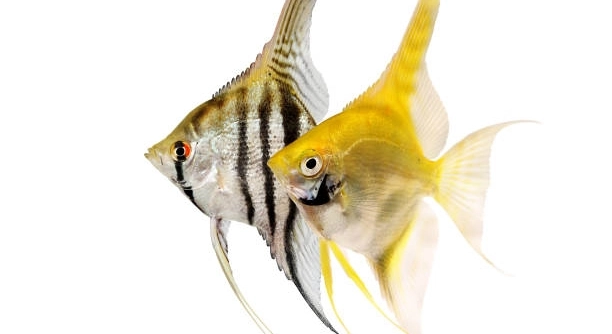
Angelfish are known for their protective nature, especially when it comes to guarding their eggs. However, if you notice that your angelfish are not defending their eggs, it may signal an underlying issue that needs attention.
Several factors could explain why your angelfish aren’t defending their eggs. It may be due to stress, a lack of experience, or an unhealthy environment. Understanding these possible causes will help in addressing the issue and improving the care of your fish.
Understanding these reasons will help you improve the chances of successful egg care, ensuring the well-being of both your angelfish and their offspring.
Stress in the Aquarium
Stress is one of the most common reasons angelfish may not protect their eggs. High levels of stress can come from various sources, including aggressive tankmates, poor water quality, or frequent changes in the environment. When angelfish feel threatened, they may become less attentive to their eggs. It’s crucial to monitor the tank conditions closely, ensuring that the water parameters—such as temperature, pH, and ammonia levels—are within the ideal range. Additionally, make sure that your angelfish are not being harassed by other fish, as this could contribute to their stress levels.
To reduce stress, ensure that your angelfish are in a calm, secure environment. Keep the tank free of aggressive species and maintain stable water conditions.
If the fish are still stressed despite optimal conditions, you might want to move them to a quieter part of the tank or add plants for hiding spots. Creating a stress-free environment gives your angelfish the best chance to protect their eggs properly.
Inexperience
If your angelfish are young or have never spawned before, they may simply lack the experience needed to protect their eggs. Inexperienced parents may not know what to do, leaving their eggs vulnerable. This is especially true if they haven’t developed the natural instincts to protect and guard their spawn.
As the angelfish mature, they will become more familiar with the process of egg care. With time, they should show more attention and protectiveness towards their eggs. In the meantime, you can provide extra care to ensure the safety of the eggs and keep the environment calm.
Poor Water Quality
Water quality plays a significant role in angelfish behavior, especially during spawning. High levels of ammonia, nitrites, or nitrates can lead to stress, making the angelfish less likely to guard their eggs. Regular water changes and proper filtration can help maintain clean and stable water. Keep an eye on water parameters such as pH, hardness, and temperature. Angelfish prefer slightly acidic to neutral water, typically between 6.5 and 7.5 pH.
If the water quality is off, the angelfish may abandon their eggs or stop defending them. Consistent water changes, along with a properly functioning filter, are essential for a healthy environment. Make sure the tank is well-maintained and check water quality regularly to avoid unnecessary stress on your fish.
Maintaining optimal water conditions is crucial for the health of your angelfish and their eggs. If water quality is compromised, consider investing in a better filtration system or using water conditioners to stabilize the environment. The better the water quality, the more likely your angelfish will feel secure enough to protect their eggs.
Tank Overcrowding
Overcrowding in an aquarium can lead to territorial disputes and increased stress, which may prevent your angelfish from defending their eggs. When the tank is too crowded, the angelfish may feel threatened by other fish, making them less likely to engage in protective behavior. Ensure your tank has adequate space for each fish, as angelfish need plenty of room to establish their territory.
Too many fish in the tank can cause constant stress for your angelfish, preventing them from focusing on their eggs. Reduce the number of tankmates or increase the tank size to alleviate this issue. It’s important to give your angelfish enough space to establish a comfortable environment for spawning and egg protection.
Lack of Parental Bond
Angelfish may not defend their eggs if there is a lack of bonding between the pair. Without a strong connection, one or both fish may not feel the instinct to protect the spawn. Parental bond development can take time, and if one fish isn’t fully committed, egg defense might fail.
If the fish are not yet bonded, it’s best to give them time to adjust to each other. Angelfish naturally form pairs, and the bond typically strengthens as they continue to spawn. If the pair is new, the eggs may be abandoned until they establish a stronger connection.
Inadequate Diet
A poor diet can negatively impact an angelfish’s ability to care for their eggs. Nutrient deficiencies can weaken the fish, making them less inclined to defend their spawn. Feeding your angelfish a balanced diet, including high-quality pellets, flakes, and occasional live foods, ensures they are healthy and capable of protective behaviors.
A healthy diet can improve the angelfish’s energy levels and overall condition, making them more likely to care for their eggs. Feed your fish regularly with varied, nutritious food to support their health and encourage active egg protection. Healthy fish are more likely to exhibit natural parenting behaviors.
FAQ
Why are my angelfish not protecting their eggs?
There are several reasons why angelfish might not defend their eggs. Stress, poor water quality, lack of experience, overcrowding, and inadequate diet are common causes. When angelfish feel threatened or unwell, they might not display protective behavior. Additionally, a lack of bonding between the pair or insufficient space can also affect egg defense.
How can I improve my angelfish’s egg protection?
To encourage your angelfish to defend their eggs, maintain optimal water quality by regularly testing pH, temperature, and ammonia levels. Keep the tank clean and ensure that there is minimal stress from other tankmates. Consider reducing the number of fish or increasing tank size to prevent overcrowding. Additionally, a proper, balanced diet will help your angelfish stay healthy and strong, improving their chances of guarding their eggs.
Should I remove other fish when my angelfish are spawning?
Yes, removing other fish during spawning can reduce stress and help your angelfish focus on guarding their eggs. Aggressive or curious fish might disturb the spawning process, causing the parents to abandon their eggs. It’s best to isolate the breeding pair or keep the tankmates at a safe distance during this time.
Is it normal for angelfish to abandon their eggs?
It’s not uncommon for angelfish to abandon their eggs, especially if they feel stressed or overwhelmed by their environment. Inexperienced parents, poor water quality, or lack of a strong bond between the pair can also lead to egg abandonment. If this happens, ensure that the environment is calm and stable to encourage the parents to return to their protective behavior.
Can I save angelfish eggs if they are abandoned?
Yes, it is possible to save angelfish eggs if they are abandoned, but it requires extra care. If you want to protect the eggs, you can move them to a separate tank with stable water conditions and use an air stone to maintain water circulation. However, you must be cautious when handling the eggs to avoid damaging them.
How often do angelfish lay eggs?
Angelfish can lay eggs as frequently as every 2 to 4 weeks, depending on the conditions of the tank and their health. A healthy pair of angelfish may lay eggs multiple times per month, especially if they are well-fed, comfortable, and have a stable environment.
What should I feed my angelfish to help them protect their eggs?
To support egg protection, provide a balanced diet with high-quality flakes, pellets, and occasional live or frozen foods like brine shrimp or bloodworms. A varied diet ensures your angelfish are getting the nutrients they need to stay strong and healthy, improving their chances of defending their eggs. Avoid overfeeding, as it can lead to water quality problems.
Why do angelfish stop guarding their eggs?
Angelfish may stop guarding their eggs if they feel threatened, are stressed, or their environment becomes unstable. Poor water quality, tank overcrowding, or aggression from other fish can make the parents abandon their eggs. Additionally, inexperienced angelfish may not instinctively protect their spawn until they mature.
Should I remove the eggs if the parents are not guarding them?
If the parents are not guarding their eggs and you want to ensure the eggs hatch, it might be helpful to remove them to a safer, more controlled environment. However, this process can be delicate. If you’re unsure, leaving the eggs with the parents until they show more protective behavior is a safer option, as they may eventually start caring for them.
How long does it take for angelfish eggs to hatch?
Angelfish eggs typically hatch in about 2 to 3 days, depending on water temperature. Warmer temperatures speed up the hatching process, while cooler temperatures slow it down. It’s important to keep the water stable at around 78-80°F (25-27°C) for optimal conditions.
How can I tell if my angelfish eggs are fertilized?
Fertilized eggs are usually clear with a white or yellowish tint in the center. If the eggs appear cloudy or discolored, they may be unfertilized or contaminated. You may also see small black spots within the eggs once they start to develop, which is a sign of fertilization.
What happens if the angelfish eggs don’t hatch?
If the eggs don’t hatch after a few days, they may have been fertilized improperly or have been affected by poor water conditions. Sometimes, fungus can grow on the eggs, causing them to rot. If this happens, it is important to remove any unhatched or rotten eggs to prevent the spread of fungus to healthy ones.
Can angelfish raise their fry?
Yes, angelfish can raise their fry if the conditions are right. The parents typically guard and protect the fry once they hatch. However, they may need extra space, and the water quality must be closely monitored to ensure the survival of the fry. It is essential to provide a secure and calm environment for the parents and fry to thrive.
Do angelfish eat their own eggs?
In some cases, angelfish may eat their eggs, especially if they feel that the eggs are not viable or if they are stressed. This behavior is more common in inexperienced or stressed fish. It can also happen if the eggs are not fertilized or have been abandoned by the parents.
How do I know if my angelfish are ready to spawn?
Angelfish that are ready to spawn will exhibit certain behaviors, such as cleaning a flat surface and displaying courtship rituals. The female will lay her eggs, and the male will fertilize them shortly after. You may notice the fish becoming more active and engaging in synchronized movements during this time.
How can I reduce stress in my angelfish?
To reduce stress in your angelfish, ensure that the water quality is optimal and maintain a peaceful tank environment. Avoid overcrowding and aggressive tankmates. Also, providing hiding spots such as plants or decorations can help the fish feel more secure. Stable water temperature and regular feeding will also support their overall health.
Final Thoughts
Angelfish can be fascinating and rewarding to care for, especially during the breeding process. However, there are many factors that affect whether or not they will defend their eggs. Stress, water quality, diet, and the health of the breeding pair all play crucial roles in the fish’s behavior. In some cases, even experienced fishkeepers may find their angelfish not acting as expected, which can be frustrating. Understanding the reasons behind these issues can help in resolving them. It’s important to approach the situation with patience, as sometimes the solution is simply allowing the fish more time to settle into their environment or bond with their mate.
Maintaining an optimal environment for your angelfish is key to encouraging them to protect their eggs. This includes regular water changes, testing water parameters like temperature, pH, and ammonia levels, and offering a balanced diet. The health and behavior of the angelfish will improve if they are provided with a stable and stress-free habitat. Overcrowding can also cause stress, so providing enough space for the breeding pair is essential. A calm and peaceful environment allows the angelfish to focus on their eggs, increasing the likelihood of successful egg care and hatching.
While not all angelfish will successfully defend their eggs every time, the important thing is to ensure they are given the right conditions. If the fish don’t exhibit protective behaviors during one spawn, don’t be discouraged. Learning from each experience helps improve the overall care of the fish, and it is possible to have better results with future spawns. By observing their behavior and adjusting care routines, you can create the ideal conditions for successful egg protection and hatching. With time and understanding, your angelfish can develop into confident, protective parents.

Hello,
If you enjoy the content that we create, please consider saying a "Thank You!" by leaving a tip.
Every little bit helps us continue crafting quality advice that supports the health, happiness, and well-being of pets around the world, for pets of all shapes, sizes, and species.
We really appreciate the kindness and support that you show us!