
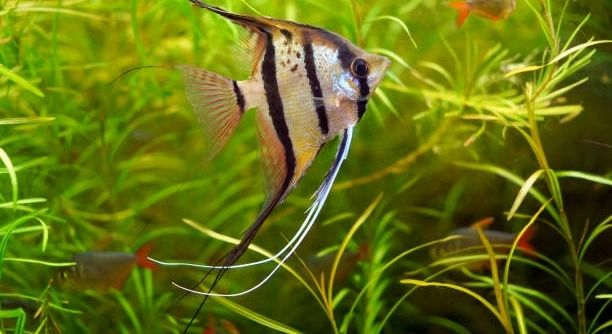
Angelfish are beautiful and peaceful creatures in aquariums. If you’ve noticed your angelfish staying near the filter output, you may be wondering what’s going on. This behavior can be puzzling for fish owners, but it’s quite common.
Angelfish often stay near the filter output due to the water movement, which creates a favorable environment for them. The current provides a natural stimulus and can make it easier for them to breathe and find food particles.
There are a variety of reasons why your angelfish might be drawn to the filter’s current. Understanding these factors can help improve your tank setup and ensure the well-being of your fish.
The Filter Current Mimics Natural Habitats
Angelfish are naturally found in slow-moving waters with gentle currents. The filter output in your aquarium creates a similar environment that feels safe and comfortable for them. This natural current can help them maintain a steady flow of oxygen, which is important for their health. It also encourages them to stay active, as they have to swim slightly against the current to maintain their position. By staying in this area, they can also reduce the effort needed to move through the water.
The movement in the water helps them breathe more efficiently and relax in the tank. Fish are highly attuned to water flow, and the filter provides a reliable source of steady current.
If you notice your angelfish spending a lot of time near the filter output, it may be because the water movement supports their natural behaviors. Additionally, it may help them stay in a more comfortable and less stressful position, as they don’t have to work hard to move around the tank. The water flow is a natural aid for their breathing and general comfort, which is why this behavior is so common among angelfish.
It Helps with Oxygen Exchange
In areas where water moves more, oxygen levels tend to be higher. Angelfish are known to prefer water with higher oxygen concentrations. The filter output provides a spot where the water is well-oxygenated, making it easier for them to breathe.
Angelfish enjoy well-oxygenated environments because it supports their health. If they are spending more time near the filter, it could be a sign they are benefiting from the oxygen exchange.
Natural Behavior of Fish in Flowing Water
Angelfish are used to being in environments with gentle currents. The filter output mimics this natural flow, making it an instinctive choice for them. It’s not uncommon for them to seek this area when they feel secure and at ease.
The filter current is not only comforting but also provides an area where angelfish can exhibit their natural behavior. In the wild, they often swim in areas where the water is slightly moving, making the filter output a perfect match for their instinctive needs. When they swim against the current, they use less energy and remain in a comfortable position without having to work too hard. This is why they gravitate toward it so often.
This behavior also helps them explore and engage in more active swimming. By staying in or near the current, angelfish get the chance to move freely, making it feel like their natural habitat. Over time, they become accustomed to the water flow, further reinforcing their attachment to the filter output.
Easier Access to Food Particles
The filter’s output often carries small food particles along with the water flow. Angelfish are opportunistic feeders and will take advantage of any food that passes by them. The water movement helps them find food without much effort.
By staying near the filter, angelfish don’t have to search all over the tank for food. Instead, they can rely on the current to bring nutrients right to them. This makes feeding more efficient, especially in tanks where food may not be evenly distributed. The filter provides a consistent and reliable source of small food particles, allowing angelfish to feed more easily.
In addition, angelfish are naturally drawn to areas where there’s movement in the water. It’s easier for them to detect small particles carried by the current. This feeding behavior is part of their survival instincts, making the filter output a preferred spot for many fish in the tank.
Stress Relief from Strong Current
Angelfish tend to seek comfort in areas where they feel less stressed. The filter output often provides a steady flow that can have a calming effect. The consistent water movement offers stability, making them feel secure in their surroundings.
When angelfish are stressed, they may look for spots that provide relief. The filter’s current allows them to rest against the flow, reducing their need to swim constantly. It can also give them a sense of protection, as the area near the filter offers a zone with more predictable water movement.
Protection from Tank Mates
Angelfish can be territorial, and in a tank with multiple fish, they might feel safer near the filter. The current can create a more secluded area where they don’t have to compete for space. This helps them avoid aggressive tank mates.
The filter’s output offers a natural barrier that can provide some relief from more dominant fish. Angelfish may prefer this area to avoid confrontations with more aggressive species, as the water flow limits movement and acts as a form of protection. The filter area can provide them with a space where they feel more in control of their environment.
FAQ
Why do angelfish swim against the current?
Angelfish naturally gravitate towards areas with water flow, as swimming against a current can help them breathe more easily and reduce stress. This behavior mimics what they would experience in their natural habitat, where water movement aids in oxygen exchange. The current provides them with a steady source of fresh oxygen, allowing them to stay active without expending too much energy. By staying near the filter output, they don’t have to swim constantly to maintain a proper oxygen supply. It’s also a more comfortable position for them to stay relaxed and secure.
Can I adjust the filter flow for my angelfish?
Yes, you can adjust the filter flow for your angelfish if the current is too strong. Some angelfish, especially when they are young or stressed, may struggle with strong currents. By adjusting the filter to a lower flow rate, you provide them with a more suitable environment. However, be cautious that reducing the flow too much might impact the overall water circulation and filtration efficiency in your tank. Ideally, you want to find a balance between a gentle current for the angelfish and good water circulation for the tank’s health.
How can I tell if the filter current is too strong for my angelfish?
If the current is too strong for your angelfish, you might notice them struggling to maintain their position or swimming constantly to fight against the water flow. They may also avoid the filter output altogether or spend less time in the current. A healthy angelfish should be able to move easily around the tank and not feel exhausted by the current. If you notice these signs, it’s worth adjusting the filter output or adding decorations like rocks or plants to create areas of calm water for the fish to retreat to.
Will a strong filter current stress my angelfish?
Yes, a strong filter current can cause stress in angelfish, especially if they feel they are constantly battling against it. Angelfish are naturally found in slow-moving waters, and if the filter creates a high-pressure environment, it can tire them out and make them feel unsafe. Stress can lead to weakened immune systems, poor eating habits, and even aggression. If you notice your angelfish are spending more time hiding or showing signs of distress, reducing the filter flow can help reduce their stress levels.
Is it safe to keep angelfish in a tank with high water flow?
While angelfish can tolerate moderate water flow, a tank with very high water flow may not be ideal. Angelfish thrive in environments with calm to moderate currents, so it’s important to monitor their behavior closely. If your tank has a filter that creates a strong current, it’s a good idea to check if the angelfish are comfortable by observing if they are swimming freely or struggling to maintain their position. In general, a high water flow can be stressful and may lead to health issues, so it’s better to adjust the flow or place the filter output in a less prominent area of the tank.
How do I provide calm areas for angelfish in a high-flow tank?
To provide calm areas for angelfish in a tank with high water flow, you can place decorations, plants, or rocks in strategic locations. These will help break up the current and create sheltered spots where your angelfish can retreat and relax. Plants, in particular, help by creating areas with little to no water movement, giving the fish a place to escape if the flow becomes too strong. You can also use a sponge filter or other filtration systems that create less current but still ensure good water circulation.
Can angelfish live with other fish in high-flow tanks?
Angelfish can live with other fish in tanks with high flow, but you should be cautious about the species you choose. Some fish are better suited for strong currents, while others, like angelfish, prefer calmer waters. You should avoid keeping angelfish with aggressive or highly active fish that may dominate the space around the filter output. Choosing tank mates that can adapt to moderate water movement will help ensure a peaceful and healthy tank environment for all species involved. Fish like tetras or peaceful species that don’t mind some current are good choices for sharing the tank with angelfish.
Why do angelfish prefer certain areas near the filter?
Angelfish tend to prefer areas near the filter because the current provides them with oxygen-rich water, making it easier for them to breathe. Additionally, the area around the filter often provides a steady source of food particles, which the angelfish can catch effortlessly. They also feel more secure near the filter output because it mimics their natural habitat, where they would encounter gentle water flow. This combination of oxygenation, food availability, and safety makes the filter area a prime spot for angelfish to spend their time.
Can I put other fish near the filter if my angelfish is already there?
It’s generally safe to have other fish near the filter if your angelfish is already there, but you should keep an eye on their interactions. Angelfish are territorial and may become protective of their preferred spot, especially if other fish are introduced. If you notice aggression or stress, it’s best to rearrange the tank to give your angelfish more space or provide other fish with alternative hiding spots. Ensure there’s enough room in the tank for all fish to have their own space, especially around the filter.
Should I remove the filter if my angelfish stays there all the time?
There is no need to remove the filter if your angelfish prefers staying near it. The filter is essential for keeping the water clean and oxygenated. However, if your angelfish spends too much time in the same spot and seems unable to move around, it may be a sign that the current is too strong. In this case, adjusting the filter flow or adding barriers, like plants or decorations, could help make the area more comfortable for your fish without compromising the tank’s filtration system.
Final Thoughts
Angelfish are naturally drawn to areas with gentle water movement, and the filter output often provides this ideal environment. Whether it’s for breathing easier, finding food, or feeling more secure, the current created by the filter offers several benefits to these fish. It mimics the gentle water flow they would experience in the wild, helping them maintain a calm and comfortable state in the tank. If your angelfish spends a lot of time near the filter, it’s likely because they feel at ease in that area, where they can engage in natural behaviors like swimming against the current and resting without much effort.
It’s important to keep in mind that while the filter output is beneficial for angelfish, the water current should not be too strong. Angelfish prefer moderate water flow and can become stressed or tired if the current is too powerful. If you notice your angelfish struggling against the current or avoiding the filter area, you may need to adjust the filter flow or create sheltered spots around the tank for the fish to rest. Keeping a balance between maintaining good water circulation and creating calm spaces for your fish is key to a healthy and happy tank environment.
Understanding why your angelfish stays near the filter can help you create the best environment for them. Providing gentle currents, ensuring plenty of oxygen, and allowing the fish to express natural behaviors will make your aquarium a thriving space for your angelfish. With proper care and a little attention to their needs, you can make sure your angelfish remains healthy and comfortable in its tank.

Hello,
If you enjoy the content that we create, please consider saying a "Thank You!" by leaving a tip.
Every little bit helps us continue crafting quality advice that supports the health, happiness, and well-being of pets around the world, for pets of all shapes, sizes, and species.
We really appreciate the kindness and support that you show us!