
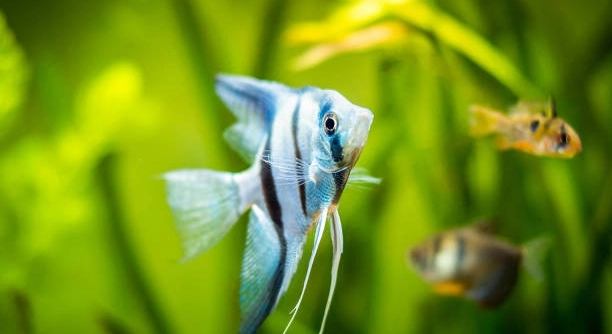
Angelfish are beautiful, elegant creatures, but they require a very specific tank setup to thrive. Sometimes, common mistakes are made that cause them stress and discomfort. These issues can lead to health problems or even shortened lifespans.
The seven most common tank setup mistakes for angelfish often involve water conditions, tank size, decoration choices, or improper companions. These errors may lead to increased stress, which can affect your angelfish’s overall health and behavior.
Ensuring the right environment for your angelfish is key to their well-being. In the following sections, we’ll explore how small changes in your tank setup can make a big difference in their health and happiness.
1. Incorrect Tank Size
Angelfish need space to grow and swim freely, so choosing the right tank size is crucial. If your tank is too small, they may feel crowded, leading to stress and potential health issues. While angelfish are not the largest fish, they do require a spacious environment. A tank that’s at least 30 gallons is recommended for a pair of angelfish, with additional space for each extra fish.
A cramped tank can also affect their behavior, causing them to become more aggressive or reclusive. If the tank is too small, your angelfish may struggle to establish their territory, making them more stressed and less comfortable.
Keep in mind that as angelfish grow, their needs change. A tank that seemed suitable when they were small may become too restrictive as they reach their full size. So, it’s important to plan for the future and upgrade your tank if necessary. A larger tank also provides more stability in water parameters, helping to keep your fish healthy.
2. Improper Water Conditions
The water quality in your tank can have a major impact on your angelfish’s health. They thrive in water that is clean, properly filtered, and at the right temperature.
Angelfish prefer a slightly acidic to neutral pH, usually around 6.8 to 7.8. They also need temperatures between 76°F and 82°F to remain comfortable. If these conditions are not maintained, your angelfish may show signs of stress, such as rapid breathing or hiding.
It’s essential to monitor your tank’s water regularly, checking both pH levels and temperature. Ammonia and nitrate levels should also be kept in check, as high concentrations can cause irritation and even poisoning. Make sure to perform regular water changes to ensure your angelfish stay in a healthy environment. Adding a reliable filtration system will help remove waste and debris, further improving the water quality. Keeping their environment stable is key to preventing unnecessary stress.
3. Overcrowding the Tank
Adding too many fish to the tank can create stress for your angelfish. When there’s not enough space, fish have to compete for food and territory. This can lead to aggression, disease, and poor water quality. Always consider the size and needs of each fish before adding them.
If you overcrowd your tank, it can negatively affect water quality too. More fish mean more waste, which can lead to higher levels of ammonia, nitrites, and nitrates. This can cause stress for angelfish, making them more susceptible to diseases. It’s essential to monitor both the number of fish and the cleanliness of the tank regularly.
Ensure that each fish in the tank has enough space to swim freely. A good rule of thumb is to have at least 10 gallons of water for each adult angelfish. This will help reduce stress and make for a more peaceful tank environment. By not overcrowding, you’ll provide your angelfish with a healthier, happier space to live.
4. Wrong Tank Decorations
Decorating your tank may seem like a fun idea, but certain decorations can stress out angelfish. Large, sharp objects or heavy decorations can obstruct swimming paths or cause injuries. When choosing decor, always think about your fish’s comfort and safety.
Decorations should be smooth and free of sharp edges. Items like rocks or coral with rough surfaces can cause wounds. Additionally, angelfish are sensitive to changes in their environment, so try not to overcrowd the tank with decorations. Too many items can limit their swimming space, leading to frustration.
If you choose live plants, make sure they are safe for angelfish and don’t have any chemicals that could harm the fish. Plants also help improve water quality by absorbing nitrates. This can help your angelfish thrive and reduce stress. Always aim for a balanced, clean, and safe setup for your tank.
5. Aggressive Tank Mates
Choosing the wrong tank mates for your angelfish can lead to stress. Angelfish are generally peaceful, but they can become aggressive if they feel threatened. Keep them with fish that share similar temperaments and avoid overly territorial species.
Certain fish, like fin-nipping species or overly aggressive ones, can stress angelfish. This can cause them to hide more often, affecting their overall well-being. Always research the behavior and size of any potential tank mates before introducing them to the aquarium.
Adding peaceful species, like tetras or peaceful gouramis, can help create a more relaxed environment. Be mindful of the size and behavior of each species to avoid stress.
6. Improper Feeding Habits
Feeding your angelfish too much or too little can contribute to stress. Overfeeding leads to poor water quality, while underfeeding can cause malnutrition. Stick to a feeding schedule and avoid excess food.
Feed your angelfish small portions that they can consume in a few minutes. This will prevent uneaten food from deteriorating in the tank and affecting the water quality. It’s essential to offer a variety of food types to meet their nutritional needs, such as high-quality pellets, flakes, and occasional frozen or live foods.
7. Sudden Water Changes
Drastic changes in water parameters can shock your angelfish and cause stress. Avoid changing too much water at once, and try to keep the water temperature and pH levels as stable as possible.
When changing water, do it gradually. Sudden shifts in water conditions can overwhelm your angelfish, affecting their immune system and making them more vulnerable to disease. Regular, small water changes help maintain a healthy environment without overwhelming the fish. Always check your water parameters before and after a change to ensure stability.
FAQ
What is the best tank size for angelfish?
The ideal tank size for angelfish is at least 30 gallons for a pair. If you plan to keep more than two, you’ll need to increase the tank size. Angelfish are relatively large for freshwater fish and need enough space to swim freely and establish territories. The more space they have, the less stressed they will be. A larger tank also makes it easier to maintain stable water conditions, which is crucial for their health.
Can angelfish live with other fish?
Yes, angelfish can live with other fish, but it’s important to choose tank mates carefully. Avoid aggressive or fin-nipping species, as they can stress out your angelfish. Peaceful fish that enjoy similar water conditions, such as tetras, guppies, and peaceful gouramis, work well with angelfish. Avoid keeping them with smaller fish that might be seen as food, as angelfish can become predators when hungry.
How often should I clean my angelfish tank?
You should clean your angelfish tank regularly to maintain good water quality. Perform partial water changes of 20-30% once a week to remove waste and maintain the balance of chemicals in the water. Clean the substrate and remove any uneaten food. It’s also important to clean the filter regularly to ensure it works efficiently. A clean tank is essential for reducing stress and keeping your fish healthy.
What is the ideal water temperature for angelfish?
Angelfish prefer water temperatures between 76°F and 82°F. It’s essential to maintain a stable temperature to avoid stressing your angelfish. Sudden fluctuations in temperature can weaken their immune system, making them more prone to diseases. Invest in a good aquarium heater to keep the temperature consistent, especially if you live in a cooler climate.
How do I know if my angelfish are stressed?
Stressed angelfish may exhibit behaviors like hiding, reduced activity, or staying near the bottom of the tank. They might also refuse to eat or have faded colors. Aggressive behaviors, such as chasing or nipping at tank mates, are also signs of stress. Pay attention to changes in their behavior, as this can indicate problems with water quality, tank mates, or other environmental factors.
What type of food is best for angelfish?
Angelfish are omnivores, so their diet should include both plant and animal-based foods. High-quality flake or pellet foods designed for angelfish will provide the necessary nutrients. Occasionally, you can offer live or frozen foods like brine shrimp, bloodworms, or daphnia. Additionally, adding blanched vegetables such as spinach or zucchini can provide essential vitamins. Feed your angelfish small amounts 2-3 times a day to prevent overfeeding.
Can angelfish live in hard water?
Angelfish prefer soft to slightly hard water, with a pH between 6.8 and 7.8. If your water is too hard, it can cause stress and health issues. You can soften hard water using commercial water conditioners or by using reverse osmosis (RO) water mixed with your tap water. However, always test the water before adding any chemicals to ensure the changes won’t harm your fish.
Why are my angelfish not breeding?
Several factors can prevent angelfish from breeding. First, ensure that the water temperature is between 78°F and 82°F, as this encourages breeding. A clean, stable environment is essential for successful spawning. Angelfish also need a proper substrate, like flat rocks or broad-leaf plants, to lay their eggs. Stress, poor water conditions, or incompatible tank mates can all interfere with breeding.
Can I keep angelfish with shrimp?
Angelfish may eat smaller shrimp, especially if they’re hungry. Larger shrimp, like Amano shrimp, are more likely to survive with angelfish. However, angelfish have been known to prey on shrimp, so it’s essential to monitor their interactions. If you want to keep shrimp in the same tank, make sure to provide plenty of hiding spaces for them.
How can I tell if my angelfish are healthy?
Healthy angelfish have vibrant colors, swim actively, and exhibit normal behaviors like exploring the tank and eating regularly. Their fins should be intact, and they shouldn’t show signs of distress or illness like rapid gill movement or clamped fins. Healthy angelfish also maintain a steady, smooth swimming pattern. If you notice any changes in behavior, it may indicate stress or an illness.
Do angelfish need a filter?
Yes, angelfish need a filter in their tank. A filter helps remove waste, uneaten food, and other debris from the water, maintaining good water quality. Since angelfish are sensitive to poor water conditions, a filter is necessary to keep the water clean and reduce stress. However, be sure the filter’s current is not too strong, as angelfish prefer calmer waters.
Final Thoughts
Setting up a tank for angelfish requires careful planning and attention to detail. By addressing common mistakes, like overcrowding, improper water conditions, and choosing the right tank mates, you can create a healthier and happier environment for your fish. Ensuring that your angelfish have enough space to swim and thrive is key to reducing stress and allowing them to show their natural behaviors. When their environment is stable and well-maintained, angelfish are less likely to experience the stress that can lead to health issues or aggression.
Water quality is one of the most important aspects to monitor in an angelfish tank. A stable temperature, appropriate pH levels, and low ammonia or nitrate concentrations all contribute to your angelfish’s well-being. Regular water changes and a reliable filtration system are essential for maintaining these conditions. When water quality is maintained, angelfish can enjoy a clean environment that supports their health and longevity. By staying on top of water maintenance and monitoring fish behavior, you can prevent many of the common stressors that affect angelfish in an aquarium.
In the end, creating the perfect tank setup for angelfish involves considering their needs from water quality to tank size to companionship. If you’re committed to making adjustments and paying attention to these factors, your angelfish will have a much better chance of thriving. With the right tank conditions, decorations, and food, you’ll be able to enjoy these beautiful, peaceful fish in a stable, healthy environment. Keep their needs in mind, and they will reward you with vibrant colors and graceful movements in your tank for years to come.

Hello,
If you enjoy the content that we create, please consider saying a "Thank You!" by leaving a tip.
Every little bit helps us continue crafting quality advice that supports the health, happiness, and well-being of pets around the world, for pets of all shapes, sizes, and species.
We really appreciate the kindness and support that you show us!