
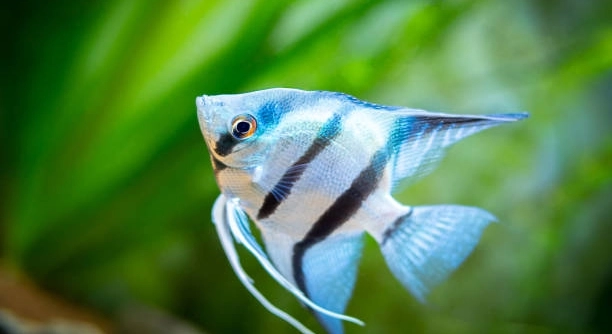
Have you ever noticed your angelfish refusing food even though everything seemed fine just the day before? This sudden change can be concerning for any aquarist, especially when your fish normally have a healthy appetite.
Angelfish often stop eating suddenly due to stress, poor water conditions, illness, dietary changes, or even environmental disruptions. Identifying the specific cause early is essential to restore their feeding habits and maintain overall health.
Understanding these common causes can help you address the issue quickly and effectively while keeping your angelfish happy and healthy in their aquarium.
Poor Water Quality
Poor water conditions can quickly affect an angelfish’s appetite. When ammonia, nitrite, or nitrate levels rise, it stresses their system, making them more likely to avoid food. Temperature fluctuations and low oxygen can also cause discomfort, especially if changes happen quickly. Even minor imbalances can impact their behavior. Always test your water regularly and keep levels in the appropriate range for angelfish. Stable, clean water helps keep their appetite steady. Make sure filtration is strong enough and not clogged. Perform partial water changes consistently to reduce toxins. Don’t forget to dechlorinate new water and match the tank temperature. Avoid overfeeding, as uneaten food breaks down and affects water quality. Tank cleanliness and monitoring go hand-in-hand with healthy eating habits. If your angelfish stops eating, checking water parameters is one of the first things you should do. Keeping water quality high is essential for preventing further health issues.
Regular maintenance and monitoring help prevent appetite issues and other stress-related behaviors in angelfish.
When water becomes unsafe, your angelfish may react by hiding or avoiding meals. This stress can weaken their immune system, making them more vulnerable to illness. Over time, appetite loss becomes harder to reverse. Address water issues promptly and monitor for long-term stability. Using a reliable test kit is key. Many aquarists find success by keeping a consistent schedule for water changes and filter maintenance. It’s also helpful to keep notes on tank behavior and any fluctuations. These records can highlight trends and prevent future feeding problems. Don’t overlook the value of stability in creating a healthy environment. Clear water is more than just visually pleasing—it keeps your fish comfortable and engaged. When their surroundings feel safe, angelfish are more likely to resume normal eating habits. Creating this balance takes consistency, but your fish will respond positively to your efforts.
Stress from Tank Changes
New tank decorations, sudden lighting shifts, or changes in tank mates can lead to stress, which may cause angelfish to stop eating.
Stressful changes in the environment can cause angelfish to behave differently. Even minor updates—like a new background or changing their feeding time—can disrupt their sense of security. Angelfish are sensitive to routine, and sudden changes can make them feel unsettled. When fish feel threatened or confused by new stimuli, they often stop eating until they feel safe again. To reduce stress, make changes gradually whenever possible. Keep tank lighting soft and predictable, and try to maintain a stable feeding schedule. Avoid introducing multiple changes at once. If adding new tank mates, monitor interactions closely for signs of aggression or bullying. Sometimes, isolating the angelfish in a breeder box within the same tank for a few days helps them feel safe again. Familiar surroundings encourage eating, so ensure there are plenty of hiding spots where they can retreat if overwhelmed. Patience is important during adjustment periods.
Illness or Internal Parasites
When angelfish are sick, they often stop eating. Internal parasites, bacterial infections, and other health problems can cause discomfort or block digestion, making food unappealing. Watch for symptoms like weight loss, stringy feces, or changes in color and swimming behavior.
If your angelfish is refusing food and showing signs of illness, quarantine the fish immediately. This protects the rest of your tank and allows for targeted treatment. Parasites often require medicated food or water-based treatments. Bacterial infections may need antibiotics. Keep the water clean and stable during this time, as stress can worsen symptoms. Avoid overfeeding, as uneaten food may further pollute the tank. Look closely for clamped fins, hiding, or surface gasping. These small cues often indicate a deeper issue. Identifying the illness early increases your chances of success. Acting quickly makes recovery easier and can help your angelfish return to its regular feeding behavior.
Medications should be used carefully. Always follow dosage instructions and avoid mixing treatments unless directed. Too many treatments at once can overwhelm the fish’s system. If unsure about the diagnosis, consult with a vet or an experienced aquarist. After treatment, give your angelfish time to regain strength. Offer easily digestible foods such as soaked pellets or thawed bloodworms. These can encourage feeding after a period of loss. Keep lighting soft and disturbances minimal during recovery. It’s helpful to monitor eating habits and adjust as needed. Some angelfish regain their appetite gradually, while others bounce back quickly. Support their return to normal with patience and close observation. Ensuring they feel safe and comfortable is just as important as any medication.
Boredom or Lack of Food Variety
Feeding the same food every day can make angelfish lose interest. If meals lack variety or texture, they may ignore them altogether. Offering different types of food can keep your angelfish more engaged and willing to eat consistently.
Angelfish enjoy a balanced diet that includes flakes, pellets, freeze-dried treats, frozen foods, and the occasional vegetable. Try rotating between these options every few days to avoid repetition. Thaw frozen items like brine shrimp or bloodworms before feeding, and soak dry food to soften it. Over time, your angelfish may become used to only one type of food, so reintroducing variety should be gradual. Mix in a new item alongside a familiar one to encourage sampling. Offering food at the same time each day helps them expect meals and become more responsive. Texture also matters. Some angelfish prefer soft bites, while others enjoy crunchier textures. Watch how they react and adjust accordingly.
Overfeeding and Leftover Food
Overfeeding can lead to uneaten food building up in the tank, which lowers water quality and reduces appetite. Angelfish may stop eating if they constantly see excess food floating or sinking around them.
Feeding small amounts and watching them eat helps prevent this. Remove leftovers quickly to keep the tank clean.
Temperature Fluctuations
Sudden changes in temperature can slow your angelfish’s metabolism and affect their digestion. Cold water in particular makes them less active and disinterested in food. Use a reliable heater to maintain a stable temperature between 76°F and 82°F. Check the water daily, especially during seasonal changes or power outages. Keep the tank away from windows or drafts, and avoid large water changes that differ too much in temperature. Even slight shifts can have a big impact on your angelfish’s behavior. If you notice they’ve stopped eating, verifying temperature stability is one of the first steps to take.
Poor Quality or Expired Food
Old or low-quality food loses its smell and nutrients, making it unappealing. Always check expiration dates and store food in a cool, dry place. Rotate food types to ensure freshness and better nutrition.
FAQ
Why is my angelfish not eating?
There are many possible reasons why an angelfish might stop eating. Stress, poor water quality, illness, or internal parasites can all affect their appetite. Changes in their environment or routine, as well as overfeeding or low-quality food, can also be contributing factors. Observing the fish’s behavior and checking for symptoms like clamped fins or changes in color can help identify the issue. Start by testing the water parameters, ensuring the temperature is stable, and checking for signs of illness. Adjusting the diet and ensuring a calm environment may help restore their feeding habits.
How can I get my angelfish to start eating again?
If your angelfish has stopped eating, try offering a variety of foods. Introduce different textures and types of food, such as flakes, pellets, bloodworms, and brine shrimp. Make sure to remove any uneaten food quickly to maintain water quality. If the fish is stressed, try making the tank environment more comfortable by reducing disturbances. For sick fish, treating with appropriate medication and isolating them from the rest of the tank may be necessary. Also, ensure that the water parameters, such as ammonia, nitrate, and temperature, are within optimal ranges for angelfish.
Can stress cause my angelfish to stop eating?
Yes, stress is a common reason why angelfish might stop eating. Stressors such as sudden changes in water conditions, aggressive tankmates, or disruptions in their environment can make angelfish feel unsafe, leading them to refuse food. To reduce stress, ensure that the tank has plenty of hiding spots, maintain stable water conditions, and avoid adding new fish or making drastic changes to the tank. Regularly check for signs of stress like hiding, erratic swimming, or clamped fins.
Can my angelfish’s water be too clean?
While clean water is essential, excessively clean or overly sterile conditions can also cause stress. Water with no natural bacteria can prevent the establishment of a healthy biofilter, which can stress fish over time. It’s essential to balance cleanliness with the right level of beneficial bacteria. Regular water changes and proper filtration are important, but be cautious of doing too many water changes or using harsh chemicals that may disrupt the tank’s balance.
How can I prevent overfeeding my angelfish?
To prevent overfeeding, feed your angelfish small amounts of food that they can consume in 2-3 minutes. Avoid leaving uneaten food in the tank, as it can pollute the water. A good rule of thumb is to feed your angelfish once or twice a day, adjusting based on their appetite and the size of the meal. Use a feeding schedule to help control portions, and if necessary, set a timer to avoid overfeeding.
What temperature should my angelfish tank be?
Angelfish thrive in water temperatures between 76°F and 82°F (24°C to 28°C). Fluctuations outside this range can cause stress and make them less likely to eat. Invest in a reliable heater to maintain a stable temperature, and regularly check the water to ensure it remains within the optimal range. Keeping the temperature consistent helps support their metabolism, digestion, and overall well-being.
Can poor water quality cause my angelfish to stop eating?
Yes, poor water quality is one of the most common reasons for a lack of appetite in angelfish. High levels of ammonia, nitrites, or nitrates can cause stress, which may lead to a loss of appetite. Make sure to test the water regularly and maintain the proper levels for these parameters. Perform partial water changes as needed to keep the water clean. A good filtration system and consistent water maintenance will help prevent this problem.
What are some signs of illness in angelfish?
Signs of illness in angelfish include changes in swimming behavior (such as floating near the surface or staying at the bottom), clamped fins, fading colors, white spots, or abnormal growths on their bodies. If you notice stringy or discolored feces, it may indicate internal parasites. Early detection and prompt treatment are key to ensuring a healthy recovery.
Can changing the tank environment make my angelfish stop eating?
Yes, changing the tank environment can cause your angelfish to stop eating. New decorations, altered water conditions, or adding new fish can create a sense of stress or confusion. Angelfish are sensitive to changes in their surroundings, so it’s important to make adjustments gradually. If changes must be made, try to minimize disturbances and give your angelfish time to adjust to the new environment.
How can I tell if my angelfish is stressed?
Signs of stress in angelfish include hiding, erratic swimming, clamped fins, rapid breathing, or a loss of appetite. Stress can also manifest as a color change, with the fish appearing darker or paler than usual. Additionally, if your angelfish is constantly at the surface or near the filter, it may be a sign of poor water quality or low oxygen levels. Identifying and resolving stress factors quickly is important to prevent further health issues.
Can I feed my angelfish vegetables?
Yes, angelfish can benefit from occasional vegetable treats. Blanched spinach, zucchini, and peas are good choices for providing additional fiber and nutrients. However, vegetables should be offered sparingly, as they should not replace their main protein-based diet. Use vegetables as a supplement to their regular feeding schedule, offering them once or twice a week.
How do I know if my angelfish is eating enough?
If your angelfish is eating regularly and maintaining a healthy weight, it’s likely eating enough. A well-fed angelfish will not be overly thin, and its body shape should be relatively full. If you notice your fish becoming thinner, losing color, or exhibiting lethargy, it could be a sign of insufficient food intake. In such cases, try offering different types of food or adjusting the feeding schedule to encourage better eating habits.
Final Thoughts
Angelfish are generally hardy, but like all fish, they can face challenges that affect their health and eating habits. Understanding the common reasons why angelfish stop eating is the first step in addressing the issue. Whether it’s water quality, temperature fluctuations, stress, or food-related concerns, there are clear signs that can help identify the problem. Regularly observing your angelfish and maintaining a stable environment will reduce the chances of these issues arising.
It’s important to keep the water clean and monitor the temperature closely. Angelfish prefer water between 76°F and 82°F, and any major fluctuation can cause stress, leading to a loss of appetite. A good filtration system is essential for maintaining the right water quality, as poor water conditions can quickly lead to health problems. Overfeeding should also be avoided, as leftover food can pollute the tank, leading to poor water quality and making the fish less interested in eating.
If your angelfish continues to refuse food, consider their diet and environment. Offer a variety of foods to encourage eating, and remove any uneaten food promptly. If the issue persists, check for signs of illness or stress, and be prepared to treat the fish accordingly. Creating a calm, stable tank with a consistent feeding routine will help ensure your angelfish stays healthy and happy in the long run.

Hello,
If you enjoy the content that we create, please consider saying a "Thank You!" by leaving a tip.
Every little bit helps us continue crafting quality advice that supports the health, happiness, and well-being of pets around the world, for pets of all shapes, sizes, and species.
We really appreciate the kindness and support that you show us!