
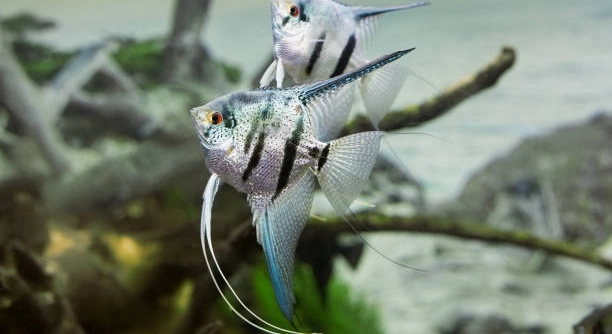
Maintaining clean and healthy water is essential for keeping your angelfish happy. Effective filtration plays a major role in supporting their well-being. If you’re looking for ways to improve your filtration system, you’re in the right place.
Improving filtration in angelfish tanks involves selecting the right filter type, adjusting flow rates, and ensuring proper maintenance. Consider using a combination of mechanical, biological, and chemical filtration methods to keep the water clean and stable for your fish.
Taking a closer look at filtration techniques will help create a better environment for your angelfish, contributing to their long-term health.
Choose the Right Filter Type for Your Angelfish Tank
Selecting the correct filter type for your angelfish tank is crucial. Angelfish thrive in clean water, and using the right filter can help maintain water quality. Canister filters are popular for larger tanks due to their efficiency and ability to handle high water volume. They provide both mechanical and biological filtration, which is beneficial for angelfish health. Hang-on-back filters are a great option for smaller tanks. They are easy to install and maintain, offering adequate filtration. Sponge filters are perfect for tanks with baby angelfish, as they provide gentle filtration without risking harm to fragile fry. Always choose a filter that matches the size of your tank and your specific needs.
A filter that is too small won’t effectively clean the water, while one that’s too large can create strong currents, stressing the angelfish.
Adjusting the flow rate is essential when using filters. Angelfish prefer calm waters, and high flow can cause stress, reducing their activity and overall health. You can adjust the flow rate with some filter types or use accessories like filter baffles to soften the current.
Regularly Clean and Maintain the Filter
Regular filter maintenance is necessary to ensure it functions properly. Cleaning the filter at least once a month helps to prevent clogging and maintain efficiency. It is important to rinse the filter media in tank water, not tap water, to avoid killing beneficial bacteria. If the filter is dirty, it will struggle to keep the water clean, causing ammonia and nitrate levels to rise, which can be harmful to angelfish.
Over time, the filter media will become worn out. It is essential to replace it when necessary. Additionally, check the filter pump regularly for blockages, ensuring that water is flowing smoothly through the system. Taking these steps can help extend the life of the filter while ensuring your tank stays clean.
A well-maintained filter is the backbone of any healthy angelfish tank. Proper cleaning prevents buildup of harmful substances and ensures the tank remains an ideal habitat for your fish.
Use a Pre-Filter Sponge
A pre-filter sponge can be an effective addition to your filter. It’s a simple way to reduce debris and protect your filter. By trapping larger particles before they reach the filter, you help prevent clogs and extend the life of the filter media.
Pre-filter sponges are especially helpful in tanks with angelfish, as they often produce more waste compared to other species. The sponge will catch excess food, uneaten pellets, and waste. This reduces the burden on the filter and keeps the water cleaner. It’s easy to install and maintain, making it a cost-effective solution for improving filtration.
Pre-filter sponges are particularly beneficial if you use a hang-on-back or canister filter. Simply attach the sponge to the intake tube to prevent larger debris from entering the filter. This simple step will help ensure that your filter doesn’t get overworked and that your tank remains clean without much effort.
Adjust the Tank’s Water Circulation
Water circulation is an important factor in filtration. The right flow rate can help keep the water clean by promoting proper filtration. Too much current can cause stress to angelfish, making it harder for them to swim and feed. Too little flow, on the other hand, can lead to stagnant water, which encourages the growth of harmful bacteria.
Angelfish prefer slow-moving water, and adjusting the circulation in your tank can ensure they’re comfortable. To achieve the best results, consider using a filter that allows you to modify the flow or add a spray bar to distribute the current more evenly. A sponge filter is another excellent option if you want a gentle flow.
Proper water circulation not only improves filtration but also helps in distributing heat and oxygen throughout the tank. This is vital for maintaining a healthy environment, as angelfish thrive in stable conditions. It also ensures that the filter operates more efficiently.
Use Biological Filtration
Biological filtration helps maintain a healthy tank by breaking down harmful toxins. Beneficial bacteria in the filter media break down ammonia and nitrites, which are toxic to angelfish. This process ensures that the water stays safe for your fish.
By promoting biological filtration, you create a natural system for keeping your tank balanced. Make sure to use high-quality bio-media in your filter to encourage bacteria growth. Rinse it in tank water during maintenance, as cleaning it with tap water could disrupt the bacteria colony.
A well-established biological filter will also make your tank more stable, preventing harmful spikes in water parameters. Over time, this will reduce the need for frequent water changes, while providing a safer environment for your angelfish.
Use Chemical Filtration When Necessary
Chemical filtration can be beneficial for maintaining water clarity and removing unwanted substances. Activated carbon is commonly used to absorb toxins, medications, and discoloration. It helps keep the water clear and reduces odors that could affect water quality.
While not always necessary, chemical filtration can be a helpful tool for angelfish tanks. It’s especially useful if you’re dealing with cloudy water or after medication treatments. Just be sure to replace the carbon regularly to maintain its effectiveness.
Adding chemical filtration can be an extra layer of protection against impurities, helping to maintain a healthier, clearer tank for your angelfish.
FAQ
How often should I clean the filter in my angelfish tank?
The filter should be cleaned every 3 to 4 weeks, but this can vary depending on your tank’s size and the type of filter you use. If the water starts looking cloudy or if the filter becomes noisy, it’s a sign it needs maintenance. However, avoid cleaning the filter too often, as it can disrupt the beneficial bacteria that help maintain water quality. When cleaning, rinse the filter media in tank water to preserve the bacteria.
Can I use a sponge filter for angelfish tanks?
Yes, sponge filters are great for angelfish tanks, especially for smaller setups or breeding tanks. They provide gentle filtration, which is essential for angelfish, as they prefer calmer waters. Sponge filters also help maintain a stable environment by promoting biological filtration without creating too much current.
How do I adjust the flow rate of my filter?
Many filters, especially canister and hang-on-back types, come with adjustable flow rates. You can reduce the flow by turning a dial or adding accessories such as a spray bar to disperse the water more evenly. If your filter doesn’t have an adjustable flow, you can try using a pre-filter sponge to reduce the water flow.
Can I use activated carbon in my filter all the time?
Activated carbon is useful for removing chemicals, toxins, and odors from the water, but it doesn’t need to be used constantly. It’s best to use it when necessary, such as during medication treatments or when the water gets cloudy. Overusing it can remove beneficial substances, like trace minerals, that your angelfish need.
Is it necessary to have both mechanical and biological filtration?
Yes, using both mechanical and biological filtration is highly recommended. Mechanical filtration removes visible debris and particles from the water, while biological filtration uses beneficial bacteria to break down harmful toxins like ammonia and nitrites. Together, they create a more stable and healthy environment for your angelfish.
How do I know if my filter is too strong for my angelfish?
Angelfish prefer calm waters, so if the filter is creating strong currents that push them around or prevent them from swimming comfortably, it’s too strong. You can adjust the flow rate if possible or add a spray bar to diffuse the current. If that doesn’t work, consider switching to a gentler filter.
How do I maintain a healthy balance of bacteria in the filter?
To maintain a healthy colony of beneficial bacteria, avoid cleaning the filter media with tap water, as it can kill the bacteria. Rinse it with tank water instead. Also, don’t over-clean the filter too often, as this can remove essential bacteria. Make sure the filter is running efficiently to keep the bacteria thriving.
Should I use chemical filtration in my angelfish tank regularly?
Chemical filtration, such as activated carbon, should only be used when necessary. It helps remove odors, toxins, and medications, but overusing it can strip the water of beneficial nutrients. Use it for special situations, like after a treatment or when the water is discolored.
Can I combine different types of filtration in my angelfish tank?
Yes, combining different types of filtration can provide a more comprehensive approach to water quality. For instance, using mechanical, biological, and chemical filters together will ensure that debris, toxins, and harmful substances are effectively removed. This helps maintain a stable and healthy environment for your angelfish.
What happens if I don’t replace the filter media regularly?
If you don’t replace the filter media, it can become clogged with debris, reducing its effectiveness in cleaning the water. Over time, it can also lose its ability to support beneficial bacteria, which are essential for biological filtration. This can lead to poor water quality, stressing your angelfish.
Can over-filtering harm angelfish?
Over-filtering can harm angelfish if the filter creates a strong current. Angelfish are delicate and prefer calm waters, so too much flow can stress them and make swimming difficult. Make sure to choose a filter with an adjustable flow rate and adjust it to suit your tank’s needs.
How long does it take for beneficial bacteria to establish in a new filter?
It typically takes 4 to 6 weeks for beneficial bacteria to establish in a new filter. During this time, it’s important to monitor water quality and perform regular water changes to keep ammonia and nitrites at safe levels. After the bacteria colony has established, the tank should become more stable.
Can I use a filter in a new angelfish tank immediately?
Yes, you can use a filter in a new tank immediately. However, it’s important to start the nitrogen cycle by introducing a source of ammonia, like fish food or a pure ammonia solution, to encourage the growth of beneficial bacteria. This helps ensure that the filter can handle the toxins produced by the fish.
How do I avoid overfeeding my angelfish?
Overfeeding leads to excess waste and poor water quality. Only feed your angelfish what they can consume within 2 to 3 minutes. Remove any uneaten food from the tank after that time. This reduces the strain on your filter and helps maintain water quality.
Should I use a UV sterilizer for my angelfish tank?
A UV sterilizer can be useful in controlling algae blooms and harmful pathogens in the water. It helps keep the water clear and reduces the risk of diseases. However, it’s not a necessity for every angelfish tank. If you’re dealing with frequent algae growth or water clarity issues, a UV sterilizer might be a good addition.
What’s the best size filter for an angelfish tank?
The best filter size depends on the tank’s volume. It’s generally recommended that the filter can process at least 4 to 5 times the volume of the tank’s water per hour. A larger tank will require a more powerful filter. Always choose a filter that fits the size and needs of your specific tank.
Can I add live plants to my angelfish tank with a filter?
Yes, live plants can be added to a tank with a filter. In fact, plants help with filtration by absorbing nitrates and providing oxygen. Just be mindful of the type of plants you choose, as some may be sensitive to the flow rate of the filter. Low-flow filters or positioning plants away from the direct flow can help prevent damage.
How do I know if my angelfish are stressed by the filter?
Signs of stress include reduced swimming activity, hiding, or erratic movements. If your angelfish are constantly struggling against the current or seem tired, the filter’s flow may be too strong. Adjust the flow rate or consider switching to a gentler filter.
What is the role of a filter in maintaining stable water parameters?
A filter helps maintain stable water parameters by removing waste, debris, and harmful toxins like ammonia and nitrites. It ensures that your angelfish have a clean and safe environment to thrive in. Without a good filtration system, the water quality can degrade quickly, leading to unstable conditions that stress your fish.
Can I use a filter without a pump in my angelfish tank?
While it’s possible to use a filter without a pump, it’s generally not recommended for an angelfish tank. A pump helps to circulate water, ensuring that the filter works efficiently. Without a pump, the water may not flow through the filter properly, reducing its effectiveness in maintaining water quality.
Final Thoughts
When it comes to maintaining a healthy environment for angelfish, filtration plays a crucial role. A well-functioning filter helps keep the water clean by removing waste, debris, and harmful substances. Angelfish, being sensitive to water quality, rely on stable conditions to thrive. By using the right filter for your tank size and regularly maintaining it, you ensure that your fish stay healthy and your tank remains clear.
Choosing the right type of filter is just as important. While sponge filters are good for smaller tanks or breeding setups, canister filters and hang-on-back filters are better for larger tanks, offering more powerful filtration. Each type has its advantages, so it’s essential to consider factors like tank size, water flow preferences of your angelfish, and the ease of maintenance. Keep in mind that having a filter with adjustable flow can be particularly beneficial for angelfish, as they prefer calm water.
Regular maintenance is key to keeping your filtration system working properly. Clean your filter media carefully, without disrupting the beneficial bacteria, and replace any parts when necessary. Doing so helps ensure that your angelfish tank remains a safe and comfortable environment for your fish. Remember, a well-maintained filtration system not only improves water quality but also reduces the risk of disease and stress for your fish. By investing a little time in proper filtration care, you’ll be rewarded with a healthier, happier tank.

Hello,
If you enjoy the content that we create, please consider saying a "Thank You!" by leaving a tip.
Every little bit helps us continue crafting quality advice that supports the health, happiness, and well-being of pets around the world, for pets of all shapes, sizes, and species.
We really appreciate the kindness and support that you show us!