
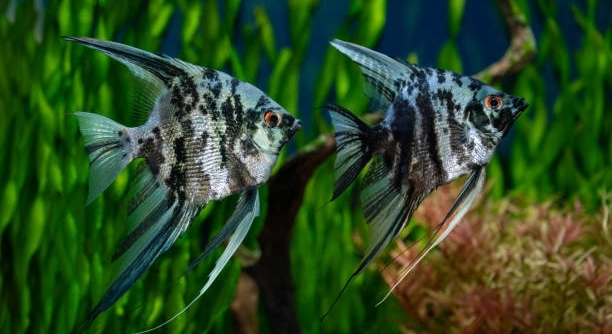
Angelfish are one of the most popular aquarium fish, loved for their graceful movement and vibrant colors. To keep them happy and healthy, providing a well-decorated tank is crucial. Tank decorations help create an environment that mimics their natural habitat.
Choosing the best decorations for your angelfish involves finding items that provide hiding spots, promote swimming space, and reduce stress. Using plants, rocks, and driftwood, you can create a safe, stimulating environment that supports their well-being and enhances their beauty.
The right decorations not only improve the aesthetic of your aquarium but also contribute to the mental and physical health of your angelfish. We will explore options that balance both function and beauty in your tank setup.
1. Plants for a Natural Touch
Adding plants to your angelfish tank creates a natural environment where they can hide and swim. Live plants, like Java Ferns or Anubias, offer benefits beyond decoration. They help filter the water and provide oxygen, improving the overall tank health. Plants also give angelfish a place to feel secure, which reduces stress.
Plants are easy to maintain, and many species thrive without needing a lot of light. Live plants also benefit your tank by absorbing excess nutrients, helping to maintain water quality. Even fake plants can provide hiding spots, but live plants offer a more realistic and healthy alternative.
By carefully selecting plants, you can ensure your angelfish are surrounded by an environment that mirrors their natural habitat. These plants offer a balance of aesthetics and practicality. Whether real or artificial, plants are a must-have in any angelfish aquarium for added comfort and beauty.
2. Driftwood for Hiding Spots
Driftwood provides angelfish with an excellent hiding spot, which can make them feel more secure. Angelfish love to explore around submerged wood, as it mimics the branches and roots they would find in the wild.
Driftwood also helps with water chemistry by lowering pH and creating softer water. The pieces come in many shapes and sizes, allowing you to customize the look of your tank. The natural texture of driftwood adds a rustic charm to your aquarium setup, providing both function and decoration.
When choosing driftwood, it’s important to treat it properly before adding it to your tank to avoid any harmful substances. Ensure it is free from contaminants and soak it for a few days to remove excess tannins. Once safely added, it will enhance the overall aesthetic and comfort of your angelfish tank.
3. Rocks and Caves for Shelter
Rocks and caves are ideal for providing shelter and territory for your angelfish. These natural structures offer spots where angelfish can hide when they need a break from swimming. Caves also give them a place to retreat, which reduces stress and promotes their well-being.
When choosing rocks, opt for smooth ones to avoid sharp edges that could injure your fish. You can create multiple hiding spots in your tank by stacking rocks or using premade cave decorations. They add a rustic charm to your aquarium while offering your angelfish a safe space.
Rocks also help to balance your tank’s ecosystem by adding stability to the environment. The weight of the rocks can prevent plants and decorations from floating around. Additionally, rocks can act as a biological filter, helping to manage waste and keep the water cleaner. These natural elements help maintain a healthy, secure space for your angelfish to thrive.
4. Substrate for Comfort
Choosing the right substrate for your angelfish tank is important. A fine gravel or sand substrate provides a soft, comfortable surface for your fish. It also helps create a more natural look while supporting plant growth.
Soft substrates are easier on your angelfish and allow their fins to glide smoothly across the bottom of the tank. Additionally, a suitable substrate helps with water filtration by trapping waste and debris, which prevents cloudiness and supports the tank’s ecosystem. Using dark-colored gravel can also enhance the color of your fish, making them stand out more.
In addition to comfort and filtration, a well-chosen substrate can also add to the aesthetic appeal of your tank. For example, white or black sand can create a striking contrast with colorful plants and decorations. It’s essential to avoid sharp, jagged edges that could harm your fish, and to consider the overall balance of the tank when selecting substrate.
5. Bubble Bars for Movement
Bubble bars help create gentle water movement, which angelfish appreciate. The bubbles provide a calming effect while keeping the water oxygenated. This subtle movement mimics the currents in their natural habitat.
Angelfish enjoy swimming through gentle bubbles, as it mimics the peaceful flow of water they are used to. Bubble bars also create a soothing environment for your fish, making the tank feel more alive and dynamic. They help reduce stagnant areas in the tank, preventing buildup of waste.
Adding a bubble bar is simple, and it doesn’t take up much space. It’s a subtle yet effective decoration that enhances the tank’s overall appeal.
6. Aquascaping Elements
Aquascaping goes beyond simply placing decorations in the tank. It’s about creating a balanced environment that feels natural for your angelfish. Rocks, plants, and driftwood are all components that come together to create a beautiful, thriving tank.
The arrangement of these elements provides your fish with a natural swimming area, complete with hiding spots and stimulation. Angelfish enjoy navigating through plants and around rocks, and aquascaping offers them a chance to explore their surroundings. With the right design, it’s easy to create a visually pleasing setup that promotes the health of both your fish and plants.
A well-designed aquascape can also help balance the tank’s water chemistry. By strategically placing plants and decorations, you can avoid creating dead spots or areas of low water flow. This leads to better filtration, improved oxygenation, and a more stable environment for your angelfish.
7. Artificial Decorations
Artificial decorations provide the same benefits as live plants or driftwood, but without the maintenance. These decorations come in various shapes and sizes and can still offer hiding spots and stimulation for your angelfish.
Artificial decorations are ideal for aquarists who may not have the time to care for live plants or need decorations that won’t decay over time. They are available in many styles, from castles to rocks, and can enhance the look of your tank while keeping things simple. However, ensure that these decorations are free of harmful chemicals that could leach into the water.
FAQ
1. What decorations do angelfish like best?
Angelfish thrive in environments that mimic their natural habitat. They enjoy decorations that provide hiding spots, places to explore, and open swimming areas. Plants, driftwood, rocks, and caves are all ideal choices. Live plants, such as Java Ferns or Anubias, offer both aesthetic value and functional benefits by improving water quality. Driftwood creates natural hiding spaces while softening water chemistry. Rocks and caves provide secure areas for angelfish to rest or claim as territory. Creating a balanced environment with both open areas and hiding spots is key to keeping angelfish happy.
2. Are artificial plants safe for angelfish?
Artificial plants can be safe for angelfish as long as they are made from non-toxic materials and have smooth edges. Low-quality plastic plants with sharp edges can potentially harm your fish. Choose decorations made specifically for aquariums to ensure they don’t leach harmful chemicals into the water. Artificial plants are low-maintenance and do not require the same care as live plants, but they won’t provide the same benefits in terms of water filtration or oxygen production. However, they still offer hiding spots and contribute to a visually appealing tank.
3. Can I use any type of driftwood in an angelfish tank?
Not all driftwood is suitable for angelfish tanks. When selecting driftwood, make sure it’s aquarium-safe, free from any contaminants, and hasn’t been treated with harmful chemicals. Driftwood can alter the water’s pH, making it more acidic, which is beneficial for angelfish, as they thrive in slightly acidic water. Be sure to soak the driftwood before adding it to the tank to remove excess tannins that could turn the water brown. Some driftwood can float initially, so it’s best to weigh it down until it sinks. Look for driftwood that has smooth surfaces to prevent injuries to your fish.
4. How can I arrange rocks in my angelfish tank?
When arranging rocks, aim for a layout that creates hiding spots while leaving enough swimming space. Avoid stacking rocks too high, as it can create an unstable structure that could collapse. Choose smooth rocks without sharp edges to ensure your angelfish can swim and rest safely. Grouping rocks in clusters mimics the natural environments that angelfish are accustomed to. Leave open swimming areas so that the fish can move freely, but ensure there are some sheltered spots where they can retreat if they feel stressed or threatened. It’s best to place rocks away from plants, so both elements can thrive.
5. Is it okay to have bright decorations in an angelfish tank?
Bright, flashy decorations aren’t ideal for angelfish tanks. Angelfish are known to be more sensitive to bright lights and colors. Overly bright decorations may stress your fish, as they are more comfortable in calm, natural-looking environments. Opt for muted colors in decorations, such as dark or neutral tones, which mimic the natural habitats of angelfish. If you do include some brightly colored items, make sure they don’t dominate the tank’s design. The focus should be on creating a peaceful, balanced environment that promotes the well-being of your angelfish.
6. How do I maintain my tank decorations?
Maintenance depends on the type of decorations in your tank. For live plants, regular trimming and monitoring water parameters like light and nutrients are necessary to keep them healthy. Driftwood should be checked periodically for any signs of decay or fungus, and it should be cleaned if needed. Rocks may collect algae over time, and can be gently scrubbed with a soft brush during water changes to remove buildup. Artificial decorations should be rinsed with water (never soap) to remove debris. Regular cleaning will prevent unwanted build-up, ensuring your tank stays safe and attractive for your fish.
7. How many plants should I add to my angelfish tank?
There’s no strict rule on the number of plants you should add, but it’s important to strike a balance. Too many plants can create overcrowding, while too few can make the tank feel barren. A mix of plants that vary in size, shape, and type is ideal. For example, taller plants like Java Ferns or Vallisneria can be placed at the back, while smaller plants like Anubias can be added to the foreground. Providing plants for cover and grazing areas, along with open swimming space, ensures that your angelfish have a comfortable environment.
8. Do angelfish need a lot of hiding spots?
While angelfish are relatively peaceful, they still appreciate having hiding spots where they can retreat when needed. Having access to a sheltered area is important to reduce stress, especially when they feel threatened. A tank with a combination of plants, driftwood, and rocks offers plenty of places for angelfish to hide or rest. If there are multiple fish in the tank, providing several hiding spots will help reduce territorial disputes. Angelfish will use these areas as a place to seek privacy, making them feel more secure in their environment.
9. Can I use a sponge filter with tank decorations?
Yes, a sponge filter is compatible with most tank decorations, and it’s often a good choice for angelfish tanks. Sponge filters are gentle and won’t create strong currents, which can stress your angelfish. They also provide biological filtration, helping to keep the water clean. When placing a sponge filter, be mindful of where it is positioned, so it doesn’t block important decorations or plants. The filter should allow for proper water circulation while keeping the tank’s design intact. It’s a simple, effective filtration option that supports a healthy, peaceful aquarium.
10. How can I prevent algae growth on decorations?
To prevent algae growth, maintain a proper balance of light, nutrients, and water changes. Algae thrive in tanks with excessive light, so limiting the amount of time your tank lights are on can help. Regular water changes and cleaning will prevent nutrient buildup that contributes to algae growth. Adding live plants to your tank can also compete with algae for nutrients, helping to keep algae in check. If algae do start growing on decorations, use a soft brush to gently scrub them off. Avoid using harsh chemicals that could harm your fish.
Final Thoughts
When it comes to decorating your angelfish tank, the key is to create a balanced environment that mimics their natural habitat. Angelfish prefer a tank that offers both open swimming areas and hiding spots where they can retreat when needed. Using live plants, driftwood, and rocks can provide both aesthetic value and practical benefits for your fish. These decorations not only improve the tank’s look but also contribute to the overall health of the aquarium by promoting better water quality and reducing stress for your angelfish.
Choosing the right decorations is about more than just appearance. Angelfish thrive in environments that offer a sense of security. Providing enough space to swim and areas to hide or rest is essential for their well-being. Driftwood and rocks provide natural hiding spots, while live plants offer oxygen and help filter the water. If you’re using artificial decorations, it’s important to choose high-quality items that are safe for your fish. Be sure to avoid sharp edges or toxic materials that could harm them. Ultimately, the goal is to create a tank that not only looks good but also supports the health and happiness of your angelfish.
Remember that maintaining a healthy tank goes beyond decoration. Regular cleaning, water changes, and monitoring the tank’s water parameters are just as important. Tank decorations should be part of an overall care routine that ensures your angelfish stay comfortable and safe. Whether you opt for live plants, artificial decorations, or a mix of both, focus on creating a peaceful and stimulating environment for your fish. With the right setup, your angelfish can thrive, adding beauty and life to your aquarium.

Hello,
If you enjoy the content that we create, please consider saying a "Thank You!" by leaving a tip.
Every little bit helps us continue crafting quality advice that supports the health, happiness, and well-being of pets around the world, for pets of all shapes, sizes, and species.
We really appreciate the kindness and support that you show us!