
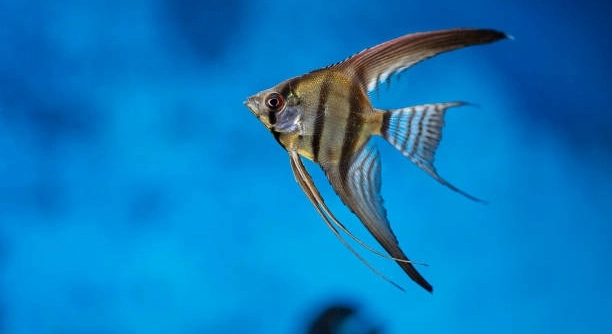
Sometimes, our angelfish can display unexpected behaviors, like acting shy or withdrawn. If you’ve noticed your angelfish behaving this way, you’re not alone. It can be confusing when a once-active fish suddenly becomes timid.
The behavior of your angelfish might be influenced by various factors, such as environmental stress, changes in water conditions, or even health issues. Each of these factors can contribute to a shift in your fish’s social behavior and activity levels.
Understanding the reasons behind this change will help you determine the right course of action to restore your angelfish’s confidence. By identifying the underlying cause, you can address the issue and improve their well-being.
Stress from Water Changes
Angelfish are particularly sensitive to changes in their environment, especially water conditions. Sudden shifts in temperature, pH, or ammonia levels can cause them to feel stressed. Stress often leads to withdrawal behavior, such as hiding or staying in one spot. It’s important to monitor water quality regularly and make gradual changes to avoid startling your fish.
One way to prevent sudden stress is by using a water testing kit to check the levels of key elements like ammonia, nitrate, and pH. A steady water temperature is also important to maintain, as sudden fluctuations can make your angelfish feel unsafe. In some cases, water changes should be made more gradually over time to avoid causing distress.
To ensure your fish remains comfortable, make sure their tank is in a calm and stable environment. You might also consider adding plants or hiding spots that can offer them a sense of security while they adjust. This way, your angelfish can feel less exposed and stressed out.
Illness or Injury
If your angelfish is acting shy, an illness or injury could be the cause. A sick or hurt fish may hide to avoid predation or because they don’t feel well enough to swim around. Keep an eye out for other signs, such as unusual swimming patterns, discoloration, or spots on the body.
It’s crucial to inspect your angelfish for signs of disease or injury. If you notice any unusual symptoms, it’s a good idea to quarantine them and treat accordingly. This ensures that the illness doesn’t spread to other fish in the tank.
Overcrowding in the Tank
Overcrowding can create stress for angelfish, making them feel threatened and more likely to retreat. If too many fish are in the tank, there’s less space to swim and hide. This can cause your angelfish to act shy as they try to avoid conflict with other tankmates.
Fish need space to feel secure, especially species like angelfish that prefer their own territory. Overcrowded tanks can lead to constant competition for food and hiding spots, which may make your angelfish more reclusive. It’s important to ensure that your tank size matches the number of fish you have.
To address overcrowding, consider adjusting the fish population to match the tank’s capacity. This can significantly reduce stress for all the fish, especially your angelfish, allowing them to feel more comfortable and confident in their environment. A well-balanced aquarium will promote healthier, more active fish overall.
Improper Diet
An improper diet may also contribute to your angelfish acting shy. If your fish is not getting the proper nutrients, it may feel weaker and less energetic, causing them to hide or stay in one place. Feeding them a balanced diet with high-quality flakes or pellets is essential.
A lack of variety in their diet can lead to malnutrition and stress. For optimal health, feed your angelfish a mix of foods, including occasional live or frozen options like brine shrimp or bloodworms. This will encourage healthy digestion and give them the energy they need to be more active.
Feeding your angelfish correctly can also help boost their immune system. This makes them less likely to fall ill, and it can help restore their behavior, making them feel more comfortable swimming around the tank. A healthy diet can go a long way in ensuring they remain active and less shy.
Tank Mates and Aggression
Aggressive tank mates can make your angelfish feel threatened, which might cause them to act shy. If there are fish that chase or nip at your angelfish, they may retreat and hide to avoid confrontation. This could make them more withdrawn than usual.
To prevent aggression, make sure to select peaceful tank mates that won’t compete for space or food. Angelfish do best with other calm fish like tetras or peaceful bottom dwellers. If aggression persists, separating the aggressive fish might help restore peace in the tank.
Water Temperature
If the water temperature is too low or too high, your angelfish might not feel comfortable, which could lead to shyness. Angelfish prefer water temperatures between 76-82°F (24-28°C). Temperatures outside this range can cause stress and reduced activity.
Temperature fluctuations can be avoided by using a reliable heater and thermometer. Keeping the tank temperature steady ensures that your angelfish can remain active and feel secure in their environment. This simple adjustment can make a significant difference in their behavior and overall health.
Lack of Hiding Spots
Angelfish need places to hide and feel secure. Without adequate hiding spots, they may become stressed, leading to shy behavior. Providing caves, plants, or decorations can give your angelfish a place to retreat when they need to feel safe.
FAQ
What are the signs that my angelfish is stressed?
Stress in angelfish can be identified by changes in their behavior and appearance. They may stop swimming as much, stay in one corner of the tank, or hide more frequently. You may also notice their colors becoming dull, or their fins clamped close to their bodies. Additionally, a stressed angelfish might refuse to eat or swim erratically. These signs suggest that your angelfish is not comfortable in their environment and needs your attention to improve their tank conditions.
How can I reduce stress for my angelfish?
To reduce stress, ensure that your angelfish’s tank is kept clean with proper water conditions. Regular water changes and monitoring water quality (pH, ammonia, and nitrate levels) can significantly help. Ensure the temperature is within the optimal range (76-82°F or 24-28°C). Add hiding spots, such as plants or decorations, to make them feel safe. It’s also essential to provide peaceful tank mates, as aggressive fish can cause stress.
Can water changes cause my angelfish to act shy?
Yes, sudden or drastic water changes can stress your angelfish, making them act shy. Rapid changes in water parameters, like pH or temperature, can create an environment that feels unsafe for them. Angelfish are sensitive to shifts in water quality, so it’s important to make water changes gradually and monitor the tank conditions closely. Always try to match the temperature and pH of the new water to that of the tank water to minimize stress.
Should I separate my angelfish from other fish if it’s acting shy?
If your angelfish is acting shy due to aggression from tank mates, it’s a good idea to separate them. Fish like cichlids or other aggressive species can bully angelfish, causing them to retreat and become fearful. Moving the aggressive fish or providing more hiding places can reduce stress. In severe cases, quarantining the shy angelfish temporarily in a separate tank can help them recover and feel more comfortable.
How often should I feed my angelfish?
Angelfish should be fed once or twice a day. Overfeeding can lead to poor water quality, which increases stress for your fish. Provide a variety of high-quality foods, including flakes, pellets, and occasional live or frozen foods like brine shrimp or bloodworms. Monitor how much your fish eat and remove any uneaten food to maintain water cleanliness. A balanced diet supports their overall health and energy levels.
Can my angelfish be acting shy due to poor water quality?
Yes, poor water quality is a common cause of shyness in angelfish. If there are high levels of ammonia, nitrates, or nitrites, or if the water temperature is too high or low, your angelfish may become stressed and shy. Testing the water regularly with a reliable kit is crucial. Keeping the water clean and performing regular water changes can improve your angelfish’s behavior. Proper filtration and water maintenance are essential for a healthy, stress-free environment.
What are some common diseases that could cause my angelfish to act shy?
Diseases like white spot (Ich), fin rot, or swim bladder issues can cause angelfish to act shy or withdrawn. Sick fish tend to hide more and may have physical signs like lesions, swollen bodies, or difficulty swimming. If you notice abnormal behavior or physical symptoms, it’s important to quarantine the fish and treat the illness accordingly. A timely diagnosis and treatment can help prevent the spread of disease to other fish in the tank.
How can I tell if my angelfish is sick or just acting shy?
If your angelfish is acting shy but has no visible signs of illness, it may just be stressed. However, if you notice symptoms like changes in coloration, abnormal swimming behavior, lesions, or labored breathing, it’s likely a sign of illness. Monitoring the tank conditions and your fish’s health will help you determine if the shyness is due to stress or an underlying health issue. If in doubt, consult a vet or aquarium professional.
Why is my angelfish not eating and acting shy?
If your angelfish is not eating and acting shy, there could be multiple factors at play. Stress due to poor water quality, overcrowding, or aggression from tank mates might cause this behavior. Additionally, health issues such as parasites or internal infections can lead to a loss of appetite. Ensure the tank conditions are optimal, and observe for any signs of illness. If the issue persists, consider consulting an aquarium expert.
Can overcrowding make my angelfish act shy?
Yes, overcrowding can definitely cause your angelfish to act shy. When there are too many fish in a tank, there’s less space for each fish to establish territory or find quiet areas to retreat. Angelfish may feel constantly threatened or stressed, leading them to hide and avoid interacting with the other fish. Reducing the number of fish in the tank or upgrading to a larger tank can help your angelfish feel more secure and confident.
Final Thoughts
Understanding why your angelfish might suddenly act shy is key to ensuring they thrive in your tank. While it can be concerning to see your fish behave differently, there are many factors that can influence their behavior, such as stress, illness, or environmental changes. The good news is that with some attention and care, most issues can be resolved. Whether it’s adjusting the water conditions, making sure your fish have enough space, or addressing any tank mates causing problems, small changes can make a big difference.
It’s important to pay close attention to the health of your angelfish, as well as the overall environment of your aquarium. Regular water testing, maintaining a stable temperature, and providing proper hiding spots for your fish can help reduce stress. If you find that your angelfish is still acting shy despite improving these factors, consider looking more closely for signs of illness or injury. Early detection and treatment can prevent further issues and help your angelfish recover more quickly. Keep in mind that every fish is unique, and some may take more time to adjust than others.
In the end, your angelfish’s behavior will likely return to normal once the root cause of the shyness is addressed. As long as you maintain a healthy, clean, and stress-free environment, your fish will have the best chance to flourish. Remember, the goal is to create a space where your angelfish can feel safe and secure. By staying patient and observant, you’ll be able to provide a better life for your angelfish and help them thrive in their home.

Hello,
If you enjoy the content that we create, please consider saying a "Thank You!" by leaving a tip.
Every little bit helps us continue crafting quality advice that supports the health, happiness, and well-being of pets around the world, for pets of all shapes, sizes, and species.
We really appreciate the kindness and support that you show us!