
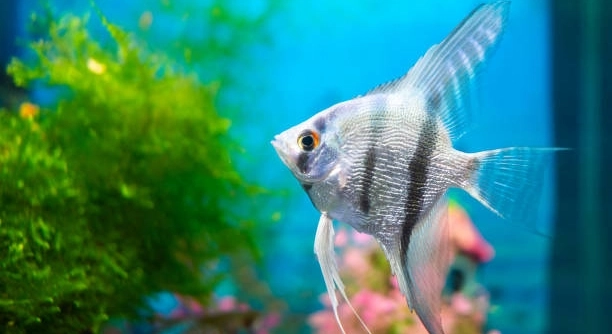
Angelfish are beautiful and delicate creatures that can become stressed for a variety of reasons. Understanding how to reduce stress is important for their well-being. Proper care and environment adjustments can make a significant difference in their health.
Reducing stress in angelfish involves creating a calm environment, ensuring proper water conditions, and minimizing aggression from tank mates. Regular water changes, appropriate tank size, and hiding spots help angelfish feel secure and comfortable, reducing stress.
Stress reduction methods can significantly improve the overall health of your angelfish. Simple changes can make a world of difference in their happiness.
Provide a Spacious Tank
A cramped tank can easily lead to stress in angelfish. It’s essential to provide enough space for them to swim freely. Inadequate tank size restricts their movements and can cause frustration. Angelfish thrive in tanks that are at least 30 gallons, with a height of 20 inches or more. The larger the tank, the more comfortable your angelfish will be, as it allows them to exhibit natural behaviors. They need enough room to explore and avoid feeling cornered, which reduces stress levels significantly. Overcrowding should be avoided at all costs. When choosing tank mates, consider their size and temperament, as aggressive species can make your angelfish feel threatened.
A spacious tank also encourages healthier swimming patterns. This is critical for their well-being.
Ensure your angelfish have plenty of space. By setting up a spacious tank, you create an environment where your angelfish can thrive, and stress will be minimized.
Maintain Proper Water Conditions
Water quality is another key factor in reducing stress for angelfish. They are particularly sensitive to changes in temperature, pH, and ammonia levels. Maintaining a stable temperature range between 76°F and 84°F is crucial for their comfort. Ammonia and nitrites should be kept at zero, as high levels of these substances can cause discomfort and stress. Regular water changes help keep the environment fresh and safe for your fish. A good filtration system will also help maintain clear water and reduce harmful toxins. The ideal pH for angelfish ranges from 6.5 to 7.5, so it’s important to test your water regularly and adjust if needed.
Regularly checking water parameters will ensure that your angelfish remain in an environment where they can thrive.
Consistent care of water conditions ensures long-term health for your fish. Monitoring these factors closely will prevent unnecessary stress, allowing your angelfish to feel at ease and healthy in their tank.
Offer Hiding Spots
Angelfish feel more secure when they have places to hide. Adding plants, rocks, or decorative caves provides shelter. These hiding spots reduce stress, as your angelfish can retreat when they feel threatened or need a break. Natural environments offer similar safety, so incorporating hiding spots mimics their habitat.
Without adequate hiding spots, angelfish may constantly feel exposed and anxious. This can lead to increased stress levels and unhealthy behaviors. By placing decorations or live plants throughout the tank, you allow your angelfish to have their own space to retreat. It also encourages natural behaviors, such as exploration, without overwhelming them.
A well-planned setup with plenty of hiding spots will help keep your angelfish calm. It’s important to place these shelters in areas where your fish can easily reach them. A comfortable environment leads to fewer signs of distress, ensuring the overall health of your angelfish.
Control Tank Lighting
Lighting can also affect angelfish stress levels. Bright or fluctuating light can make them uneasy. Using subdued, consistent lighting helps create a more natural environment. Angelfish typically come from shaded areas in the wild, so providing low to moderate light levels can reduce stress.
Consider using aquarium lights with adjustable settings to ensure the light is not too harsh. Angelfish can also benefit from a light cycle that mimics natural day and night patterns, with 8 to 12 hours of light per day. Avoid sudden changes in lighting, as this can cause confusion and discomfort for your fish. A consistent light cycle is essential for their well-being.
By controlling the lighting in your tank, you can create a more calming environment. Lighting should be gentle, not overwhelming, and should have a consistent pattern to prevent stress. This simple adjustment can lead to healthier, more relaxed angelfish.
Minimize Tank Mate Aggression
Aggressive tank mates can make angelfish feel unsafe. Choose peaceful fish that won’t harass or stress your angelfish. Aggression can cause your angelfish to hide or become territorial. Ensure all tank mates have compatible temperaments.
Monitor interactions carefully, especially when introducing new fish. Aggressive behavior may not show immediately, so it’s important to watch for signs of stress in your angelfish. If aggression occurs, consider removing the troublesome fish or rearranging the tank layout to reduce confrontations. Your angelfish will thrive in a peaceful environment.
A peaceful tank ensures your angelfish feel secure, reducing anxiety and stress. Stress from aggressive tank mates can be easily avoided by careful selection and monitoring.
Regular Water Changes
Frequent water changes are necessary to maintain healthy water quality. Over time, waste accumulates and degrades the environment, causing stress to angelfish. Water changes also help balance essential nutrients.
Changing 25-30% of the water weekly keeps ammonia and nitrate levels low. Regular water changes prevent harmful toxins from building up, ensuring a cleaner and healthier environment. This simple practice can greatly reduce stress in your angelfish and improve their overall health.
Keeping water fresh is key to your angelfish’s well-being. Regular water changes are an easy and effective way to minimize stress and maintain a clean, comfortable environment.
Proper Tank Maintenance
Maintaining the tank’s filtration system is critical for reducing stress. A reliable filter keeps the water clear and oxygenated, which is essential for angelfish health. Dirty filters can lead to poor water quality, making your angelfish more prone to stress-related illnesses.
Check the filter regularly to ensure it is functioning properly. Clean it as needed to avoid clogging, which can reduce its effectiveness. A well-maintained filter promotes a stable environment for your angelfish, preventing sudden water quality fluctuations that can cause stress.
Tank maintenance goes beyond water changes. Proper filtration is necessary for your angelfish to thrive in a stress-free environment.
FAQ
How can I tell if my angelfish is stressed?
Signs of stress in angelfish include swimming erratically, staying near the surface or at the bottom of the tank, hiding excessively, or showing a loss of appetite. They may also develop faded colors or appear lethargic. Pay attention to changes in behavior or appearance, as these can be indicators of stress.
If you notice these signs, check water conditions first. Poor water quality, incorrect temperature, or aggressive tank mates can lead to stress. Adjustments to the environment, such as providing more hiding spots or reducing tank mate aggression, can help reduce stress and improve your angelfish’s well-being.
What should I do if my angelfish is being bullied by other fish?
If your angelfish is being bullied, it’s important to remove the aggressive fish or rearrange the tank to disrupt the established territory. Adding more hiding spots or tank decorations can give your angelfish areas to retreat to. In some cases, separating the aggressive fish temporarily may help.
You may also need to reconsider your tank’s fish population. Not all species get along with angelfish. Choosing peaceful tank mates that won’t intimidate or stress your angelfish can create a calmer, more harmonious environment.
Can stress affect my angelfish’s health?
Yes, stress can weaken your angelfish’s immune system, making them more susceptible to diseases. It can also lead to reduced appetite, slower growth, and overall poor health. Prolonged stress can cause long-term damage, which is why it’s important to address stressors as soon as possible.
Regular tank maintenance, proper water quality, and providing a peaceful environment are essential to prevent stress-related health problems in your angelfish. Healthy fish are more active and vibrant, so keeping them stress-free is key to their well-being.
How do I create a stress-free environment for my angelfish?
To create a stress-free environment, provide plenty of space in the tank, maintain good water quality, and choose compatible tank mates. Adding hiding spots such as plants, rocks, or caves will give your angelfish a place to feel secure. Proper lighting and avoiding sudden changes in the tank can also help reduce stress.
It’s essential to keep the tank clean and monitor the water temperature, pH, and ammonia levels regularly. Stable water conditions and a peaceful tank will greatly improve the quality of life for your angelfish.
How often should I change the water in my angelfish tank?
Water changes should be done weekly, typically changing 25-30% of the tank water. Regular water changes help maintain a stable and clean environment, removing toxins such as ammonia and nitrates that can stress your fish. It also prevents the buildup of organic waste, which can lead to poor water quality.
Use a good filtration system to help maintain clean water between changes. Monitoring water quality regularly and adjusting as needed is crucial to ensuring your angelfish stay healthy and stress-free.
What is the ideal tank size for angelfish?
Angelfish need a tank that is at least 30 gallons to provide enough space for swimming and exploring. A larger tank is even better, as it allows for a more stable environment with less fluctuation in water parameters. Angelfish are vertical swimmers, so a tank with good height is important.
An adequately sized tank helps reduce stress by preventing overcrowding and allowing your angelfish to maintain a comfortable territory. It also ensures there’s room for hiding spots and plants that help them feel secure.
Can lighting stress my angelfish?
Yes, lighting can contribute to stress if it is too bright or fluctuates frequently. Angelfish come from areas with natural, filtered light, so they are sensitive to sudden changes in their lighting environment. Providing consistent, soft lighting can help keep them calm.
Use an aquarium light with adjustable settings and mimic natural light cycles with 8-12 hours of light per day. Avoid exposing your angelfish to harsh lighting or sudden changes, as this can lead to confusion and stress.
What temperature should I keep my angelfish tank at?
The ideal water temperature for angelfish is between 76°F and 84°F. Keeping the water temperature within this range ensures your angelfish remain comfortable and healthy. Fluctuations in temperature can cause stress, so it’s important to maintain a stable environment.
A reliable heater and thermometer are essential to keeping the tank at the right temperature. Be cautious of drastic temperature changes, as these can cause unnecessary stress and harm your angelfish.
How can I prevent disease in my angelfish?
Maintaining good water quality, providing a stress-free environment, and offering a balanced diet are the best ways to prevent disease. Stress weakens the immune system, making angelfish more susceptible to illnesses. Regular water changes, proper filtration, and monitoring water parameters will help prevent health issues.
Additionally, quarantine new fish before introducing them to the tank. This will prevent the spread of diseases from new additions. Healthy, well-maintained fish are less likely to get sick and will recover more quickly if they do.
What are the best tank mates for angelfish?
The best tank mates for angelfish are peaceful, non-aggressive fish that do not compete for food or space. Suitable choices include tetras, gouramis, and peaceful catfish. Avoid species that may harass or nip at the angelfish’s fins, as this can cause stress and lead to injury.
When choosing tank mates, consider the size of the fish and their behavior. Large, aggressive fish are not suitable, as they can stress out angelfish or damage their delicate fins. Select tank mates that complement your angelfish’s calm nature for a peaceful aquarium.
How long can angelfish live?
With proper care, angelfish can live between 10 and 15 years. Providing a stable, clean environment and meeting their specific needs will help them thrive. Regular tank maintenance, a balanced diet, and a stress-free environment contribute to their longevity.
Angelfish are relatively hardy fish, but they do require attention to detail in terms of water quality and tank mates. Taking good care of them can ensure that they live a long, healthy life in your aquarium.
Final Thoughts
Maintaining a stress-free environment for your angelfish is essential for their health and well-being. Stress can weaken their immune system, making them more susceptible to diseases and other health problems. By following simple practices like regular water changes, monitoring tank mates, and maintaining stable water conditions, you can ensure that your angelfish thrive in their environment. Stress often arises from poor water quality, aggressive tank mates, or inappropriate tank conditions. Addressing these issues promptly can help avoid long-term stress that might negatively impact their health.
Creating a peaceful tank is not just about choosing the right fish. It involves maintaining the right balance in the tank’s ecosystem, ensuring that the fish have enough space to swim and explore. Angelfish, like many other fish, benefit from having a variety of hiding spots and areas where they can feel secure. Providing plants, rocks, or caves within the tank can help reduce stress by giving your angelfish a place to retreat when they need it. Furthermore, controlling the lighting and temperature helps maintain a consistent and comfortable environment.
By taking a proactive approach to stress management, you’re not only ensuring the happiness of your angelfish but also creating a more enjoyable aquarium experience. Healthy angelfish will be more active, vibrant, and engaging to watch. They will display their full beauty when they feel secure, and a well-maintained tank will make their care easier. Understanding what causes stress in your angelfish and how to address it is key to their longevity. With a little attention to detail and care, you can create an environment where your angelfish live happily for years to come.

Hello,
If you enjoy the content that we create, please consider saying a "Thank You!" by leaving a tip.
Every little bit helps us continue crafting quality advice that supports the health, happiness, and well-being of pets around the world, for pets of all shapes, sizes, and species.
We really appreciate the kindness and support that you show us!