
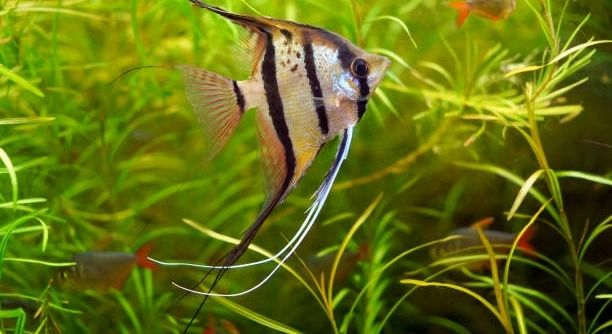
Do you ever find yourself concerned when your angelfish starts hiding more than usual after a routine water change?
Angelfish often hide more after water changes due to sudden shifts in water chemistry, temperature, or stress-related factors. These environmental changes can make them feel unsafe or uncomfortable, prompting them to seek shelter.
Understanding these possible triggers can help you create a calmer, more stable environment that supports your angelfish’s comfort and well-being.
1. Sudden Change in Water Temperature
A sudden drop or spike in water temperature can make angelfish feel uncomfortable and stressed. These fish are tropical and prefer stable, warm water—usually between 76°F and 82°F. Even a small change can cause them to react by hiding. When water is added during a change, it may not match the tank’s current temperature, especially if you’re using tap water. This mismatch can confuse and alarm the fish. They might stay near the bottom or dart into decorations to feel safer. It’s best to use a thermometer and match new water temperature as closely as possible.
Temperature swings during water changes can be avoided by preparing the new water ahead of time. This helps keep your angelfish relaxed.
Once the water settles back into the right range, your angelfish usually returns to normal. If the hiding continues longer than a day or two, double-check that your heater is working correctly. Consistent temperature is key.
2. Change in Water Chemistry
Angelfish are sensitive to changes in water quality, especially shifts in pH, ammonia, nitrite, or nitrate levels. If the water added during a change has a different chemical balance, it can trigger stress and hiding behavior.
Using a water testing kit before and after water changes can help you spot these shifts early. It’s not always about the amount of water changed, but how different the new water is. Even well-conditioned tap water may still differ in pH or mineral content. When the change is too fast, angelfish feel threatened and instinctively hide. To reduce the impact, try smaller, more frequent water changes rather than large ones. This helps the fish adjust slowly. Also, make sure to dechlorinate the new water properly. Chlorine and chloramines can irritate their gills and cause them to hide. Keeping water chemistry steady can prevent stress and keep your angelfish comfortable and active.
3. Disruption of Established Territory
Angelfish often become attached to specific spots in their tank. A water change can stir up the layout, move decorations, or shift plants, which may confuse or upset them and lead to hiding.
Even small adjustments to their environment can cause them to feel like their safe areas are gone. If you vacuum the substrate or clean the tank walls during a water change, it can disturb the territory they’ve claimed. When things look or feel different, they might not recognize familiar areas. This makes them feel vulnerable, and they tend to seek shelter until things feel safe again. To avoid this, try to keep decorations and plants in the same spots. Being consistent with the tank layout helps them feel secure, even during maintenance. A stable tank setup can reduce stress and hiding.
Territorial behavior is common with angelfish, especially if they’re older or used to a certain tank layout. A stable layout can help maintain their comfort. Keeping their favorite spots untouched helps them feel in control of their surroundings. If you need to clean or move objects, try doing it slowly or in stages. This gives your angelfish time to adjust and reduces the chances of them hiding for long periods after the water change.
4. Strong Water Flow or Surface Agitation
Angelfish prefer calm water. After a water change, the flow from filters or added water might become too strong, making them uncomfortable.
A strong current can push them around, especially if the filter restarts at full power after the change. They may retreat to calmer corners of the tank to avoid the flow. Try adjusting the filter output or adding a baffle to reduce turbulence. If you’re pouring in water quickly, it can also create waves they don’t like. Use a gentle pour or a plate to break the force. Calmer water helps them feel safer and more likely to stay out in the open.
Increased surface agitation after a water change can also cause stress. Angelfish are used to swimming in still or slow-moving waters in their natural habitat. If the filter creates too much disturbance or if water is added too quickly, it disrupts their usual behavior. Watch how they respond right after a change. If they immediately swim low or hide, it might mean the flow is too strong. Consider directing the filter output against the glass or using plants and decor to buffer the current. Once the water settles and the flow is reduced, they usually become more active and return to their normal behavior.
5. Stress from Sudden Light Exposure
Turning the lights on right after a water change can startle angelfish. The sudden brightness, combined with the movement and noise from cleaning, can overwhelm them and cause hiding.
It helps to keep the lights dim or off during the process. Letting them adjust slowly can reduce their stress.
6. Presence of Harmful Substances
Sometimes, tap water contains small amounts of chlorine, chloramine, or heavy metals. Even when treated, traces can remain and irritate your angelfish.
Use a good quality water conditioner and always check the label. Making sure the water is safe helps reduce hiding and promotes calm behavior.
7. Shifts in Group Dynamics
When the tank environment changes, even slightly, it can cause a shift in how angelfish interact with each other. A dominant fish may become more aggressive, or a shy one might withdraw even more. These changes can push a fish into hiding, especially in smaller tanks. Water changes stir things up—not just physically, but socially too. It’s important to watch their behavior afterward. If one fish seems to be chased or cornered more than usual, consider adding plants or decorations to break lines of sight. Giving them enough space and hiding spots can ease tension and help everyone settle back in.
8. Personality Differences
Some angelfish are naturally more cautious. They might always hide a bit more than others after any change.
FAQ
Why do angelfish hide after a water change?
Angelfish hide after a water change due to the sudden changes in their environment. These shifts can include alterations in water temperature, chemistry, or even water flow. Angelfish are sensitive to these changes and often seek shelter to feel safer while adjusting to the new conditions.
How long should I expect my angelfish to hide after a water change?
The duration of hiding can vary depending on the severity of the changes. Generally, angelfish may hide for a few hours to a day. If they continue hiding for longer, it could be a sign that the changes have been too stressful or that something in the tank setup is causing discomfort.
Is it normal for angelfish to be stressed after a water change?
Yes, it’s normal for angelfish to experience some stress after a water change. They are sensitive to changes in their environment, and it can take time for them to adjust. However, if the stress is prolonged or severe, it might indicate that there is a problem with the water quality or the tank conditions.
Can I do anything to prevent my angelfish from hiding after a water change?
You can minimize hiding behavior by ensuring a gradual water change with water that matches the tank’s temperature and pH. It’s also helpful to avoid disturbing the tank layout and to ensure the water flow isn’t too strong. Adding some plants or decorations can give them a place to feel secure.
Should I stop doing water changes if my angelfish hides too much?
No, it’s essential to continue regular water changes for your angelfish’s health. However, you can try making smaller, more frequent changes rather than large ones. This can help reduce the shock to the fish and keep their environment more stable. Always monitor water parameters and ensure they are within the proper range.
What should I do if my angelfish seems to hide all the time?
If your angelfish is hiding consistently, it may be a sign of an underlying issue beyond water changes. Check the water quality, ensure there are no aggressive tankmates, and confirm that the tank is large enough for the fish. If everything seems fine, it could simply be their personality. Some angelfish are naturally more shy or reserved.
How can I reduce stress for my angelfish during water changes?
To reduce stress, try to keep changes gradual. Match the temperature of the new water to that of the tank, and avoid making large adjustments. Reducing water flow, turning off bright lights, and avoiding sudden tank rearrangements can also make your angelfish feel more comfortable during and after the process.
Can water conditioner help with the hiding behavior?
Yes, a good quality water conditioner is essential for removing harmful chemicals like chlorine and chloramine from tap water. These substances can irritate your angelfish’s gills and cause stress, leading to hiding. Make sure to use a conditioner every time you change the water to keep the water safe for your fish.
Why do angelfish sometimes hide even after the water change is done?
Even after the water change is complete, angelfish may still feel unsettled due to lingering stress. They may need time to adjust to the new conditions, such as water flow or a slight change in the tank layout. Give them space and avoid interacting with the tank too much while they regain their comfort.
Are water changes bad for angelfish?
Water changes are not bad for angelfish; in fact, they are necessary for maintaining a healthy environment. However, how you perform the change is crucial. If the changes are too drastic, or if you don’t take care in preparing the new water, it can cause stress. Always aim for gradual, consistent changes to keep your fish comfortable.
Can angelfish get sick after a water change?
Angelfish can become sick after a water change if the new water contains harmful substances or if the tank’s water parameters are not balanced correctly. Ensure you’re using a water conditioner and testing your water for ammonia, nitrite, and pH levels before making a change. This will reduce the risk of stress or illness.
Do angelfish prefer certain tank conditions that help with hiding behavior?
Angelfish are naturally drawn to stable, calm environments. They prefer water with consistent temperature, soft flow, and good water quality. By keeping the water conditions steady and ensuring they have plenty of hiding spots like plants or decorations, you can help them feel more secure and less likely to hide.
Can a sudden light change affect angelfish behavior?
Yes, sudden light changes can stress angelfish. Bright lights, especially after a water change, can startle them, causing them to hide. It’s a good idea to dim the lights or turn them off during the water change, and let the fish adjust before turning them back on. This simple adjustment can help reduce their stress.
What if my angelfish hides in the same spot after every water change?
If your angelfish consistently hides in the same spot after a water change, it may simply be their preferred hiding place. This can be a sign that they feel comfortable in that location but need reassurance. Ensure the area is safe and quiet, and observe if they return to normal after a few hours.
Can tankmates contribute to angelfish hiding after a water change?
Yes, tankmates can contribute to hiding behavior. If the fish in the tank are aggressive or territorial, the angelfish might feel threatened and retreat. After a water change, when the tank may feel unfamiliar, aggression between tankmates can be more noticeable. Consider adding more hiding spots or separating aggressive fish to reduce stress.
How often should I change the water in my angelfish tank?
You should change about 25% to 30% of the water in your angelfish tank every week. Regular water changes keep the water quality high and prevent the buildup of harmful substances. Adjust the frequency based on your tank’s size and the number of fish you have to ensure a stable environment.
Will a filter change affect my angelfish?
A filter change can affect your angelfish if it disrupts the water flow or if it introduces new bacteria into the tank. It’s important to clean or replace the filter media slowly, so the tank’s ecosystem can adjust. Make sure to test water parameters after the change to ensure the fish are safe.
Final Thoughts
Angelfish are sensitive creatures, and it’s normal for them to hide after a water change. The changes in water quality, temperature, and flow can stress them out, making them seek shelter until they feel safe again. Understanding the reasons behind their behavior can help you create a more comfortable environment for them. It’s important to remember that, while hiding is a natural response, it shouldn’t last for too long. If it does, you may need to reassess the water conditions or the overall tank setup to reduce stress.
One way to minimize the stress your angelfish experience during water changes is by keeping things consistent. Try to match the temperature and pH of the new water to what’s in the tank, and avoid sudden shifts in water flow. Making smaller, more frequent water changes rather than large ones can also help. Keeping the tank environment stable and making sure the water is treated properly before adding it will give your angelfish the best chance to adjust with minimal stress. If you have decorations or plants, try to keep them in place so your angelfish feel secure in their familiar environment.
Lastly, pay attention to your angelfish’s behavior after a water change. If they are hiding for more than a day or seem unusually stressed, it might be a sign of a bigger issue, like water quality problems or aggressive tankmates. Regularly check the water parameters and ensure the tank is properly maintained. By doing so, you can help keep your angelfish healthy, happy, and less likely to hide, while also ensuring they thrive in their environment.

Hello,
If you enjoy the content that we create, please consider saying a "Thank You!" by leaving a tip.
Every little bit helps us continue crafting quality advice that supports the health, happiness, and well-being of pets around the world, for pets of all shapes, sizes, and species.
We really appreciate the kindness and support that you show us!