
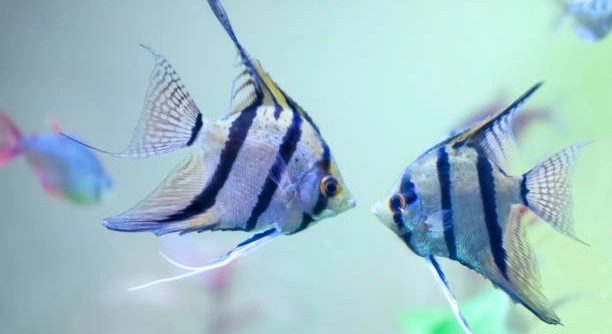
Are your angelfish acting differently, spending more time hiding or seeming less active than usual in their tank environment?
Changes in water conditions, lighting, tank mates, or feeding schedules can significantly influence your angelfish’s behavior. Environmental stressors and sudden adjustments often lead to mood shifts, including aggression, lethargy, or loss of appetite.
Understanding what might be causing these changes can help you create a better space for your angelfish to thrive and feel safe.
Poor Water Quality
Angelfish are sensitive to changes in water quality. If the tank is not properly maintained, it can lead to stress, illness, and behavior changes. High levels of ammonia, nitrite, or nitrate can irritate their gills and affect breathing. Inconsistent pH levels or sudden shifts in temperature may also cause your angelfish to become less active or aggressive. These fish need a stable environment with clean, well-filtered water and a steady temperature. Regular testing and water changes are necessary to keep their habitat healthy. Without proper care, they can start to show signs of discomfort or even become sick.
Dirty water can make your angelfish feel stressed and uncomfortable. It might hide more or eat less, showing signs that something’s wrong.
Testing your water weekly with a simple aquarium test kit can make a big difference. Make sure to clean the tank regularly, replacing about 25% of the water each week. Using a good filter that suits your tank size is also important. Try to keep the temperature between 76°F and 82°F and avoid letting it fluctuate too much. Balanced water conditions help your angelfish stay calm, active, and healthy. Keeping the environment stable is one of the easiest ways to support your fish’s well-being.
Aggressive Tank Mates
Some fish do not get along well with angelfish. This can lead to stress and hiding.
Angelfish are semi-aggressive, but they still get nervous when constantly picked on by other fish. Fast swimmers or fin-nippers like tiger barbs can irritate them, especially if there’s not enough space or hiding spots in the tank. Crowding can increase tension between fish, leading to more stress. It’s important to research the behavior of any fish before placing them with angelfish. Calmer tank mates such as corydoras or certain tetras are usually better choices. Rearranging the tank décor can also break up territories and reduce conflict. If your angelfish suddenly becomes more aggressive or withdrawn, think about recent changes in its social environment. Watching how they interact with other fish can help you spot problems early and decide if it’s time to rehome a few of them. A peaceful tank encourages healthier behavior in your angelfish.
Sudden Changes in Lighting
Bright or inconsistent lighting can disturb angelfish, making them feel unsafe. Sudden shifts from dark to light, or long hours of intense lighting, can lead to stress and unusual behavior like darting or hiding behind decorations.
Angelfish prefer a regular lighting schedule. Sudden bursts of light can mimic threats in the wild, making them nervous. It’s best to use a timer to keep the lighting steady—about 8 to 10 hours a day. Avoid placing the tank near windows or under strong room lights where sudden brightness could surprise them. Also, try not to turn the light on or off abruptly in a dark room. Gradual changes help them feel more secure. Using a dimmer or turning on room lights first before the tank light can ease the transition and keep your fish calm.
If your angelfish seem more active at night or hide often during the day, the lighting setup may need adjusting. You might notice changes like skipping meals or flaring fins. This could mean they’re uncomfortable with their current light cycle. Soft lighting and consistent timing can help them feel at ease. Also, adding plants or shaded areas gives them places to retreat when needed. A calm environment supports healthy behavior and steady routines.
Inconsistent Feeding Schedule
Skipping meals or feeding at random times can confuse angelfish. They do better with a steady routine that helps them feel safe and cared for.
Feed your angelfish at the same time each day to support their natural rhythm. When meals are missed or late, it may cause anxiety or aggression. They may also start to compete for food, which leads to stress in the tank. Feeding small amounts twice a day works well for most setups. Avoid overfeeding, as leftover food can pollute the water. Offer a mix of flakes, pellets, and frozen foods to meet their dietary needs. If they begin to spit out food or show less interest, check for stress factors in the tank like lighting, water quality, or social dynamics. A consistent, balanced feeding plan keeps them healthy and in a better mood.
Lack of Hiding Spots
Without places to hide, angelfish can feel exposed and stressed. Decorations, plants, and driftwood give them areas to retreat when they feel threatened or need rest.
A bare tank may cause your angelfish to act nervous or aggressive. Adding cover helps them feel more secure and relaxed.
Illness or Injury
If your angelfish is acting off, illness or injury could be the reason. Look for signs like faded colors, clamped fins, or white patches on the body. These may signal common issues like ich, fin rot, or internal infections. Stress from poor water conditions or bullying can weaken their immune system and make them more vulnerable to getting sick. Injuries from sharp decorations or chasing can also change their mood. Quarantine sick fish if needed and treat with the right medication. Keep the tank clean and stable to help recovery. Acting fast helps avoid further issues and supports your angelfish’s health.
Overcrowded Tank
Too many fish in the tank can lead to stress and aggression. Angelfish need space to swim freely and establish their own territory.
FAQ
Why is my angelfish hiding all the time?
Angelfish often hide when they feel stressed or unsafe. This can be caused by sudden changes in lighting, poor water quality, aggressive tank mates, or a lack of hiding spots. A new environment or recent tank changes may also lead to temporary hiding. To help your angelfish feel more secure, make sure the water conditions are stable, the lighting is consistent, and there are plenty of decorations or plants to retreat behind. Avoid sudden tank rearrangements and try to maintain a calm environment around the tank. Hiding doesn’t always mean something is wrong, but it’s worth checking.
What are signs my angelfish is stressed?
Common signs include clamped fins, rapid breathing, lack of appetite, hiding more often, dull coloration, or darting suddenly. Some angelfish may become aggressive, while others withdraw. Stress often comes from environmental problems like poor water conditions, temperature swings, or harassment from tank mates. Keep a close eye on these behaviors, as stress can lead to illness. Regular testing of water parameters and maintaining a peaceful tank setup can go a long way in preventing stress-related problems. Always watch for changes in your angelfish’s usual routine or energy levels.
Can angelfish get depressed or sad?
While fish don’t experience emotions in the same way humans do, they can show signs of low activity, lack of appetite, or isolation when they are unwell or stressed. These changes in behavior may seem like sadness. Poor tank conditions, overcrowding, or being placed in isolation for too long can contribute to this behavior. Angelfish are social and need mental and physical stimulation. Providing a clean, safe environment with some enrichment—like new plants or gentle currents—can improve their behavior and overall well-being.
How often should I feed my angelfish?
Feeding them twice a day in small portions is usually best. Overfeeding can pollute the water, and underfeeding may cause aggression or stress. Each feeding should be small enough that all food is eaten within 2–3 minutes. It’s also helpful to include variety—flakes, pellets, and occasional frozen or live food like brine shrimp or bloodworms. A consistent feeding schedule helps them feel secure and keeps their digestive system healthy. Avoid feeding randomly or skipping meals for long periods.
Why is my angelfish not eating?
Loss of appetite can be caused by stress, illness, poor water quality, or even bullying by other fish. First, check your water parameters to make sure conditions are safe. Then, observe if the fish is being harassed or appears sick. New fish may also refuse food while adjusting. Try offering different types of food to see if preference is the issue. Garlic-infused pellets sometimes help stimulate appetite. If your angelfish continues refusing food for more than a few days, it might be time to consult a vet or use a quarantine tank for closer observation.
How can I make my angelfish feel more comfortable?
Keep the tank clean with regular water changes and stable temperature. Use gentle lighting and add plants or decorations to create hiding spots. Avoid overcrowding and choose peaceful tank mates. Feed at consistent times with a mix of nutritious food. Try not to make sudden changes to the environment. Handle maintenance slowly and calmly to avoid startling your fish. Also, consider using a background for the tank, as this can reduce reflections and make your angelfish feel more secure. Small changes often make a big difference.
Do angelfish get lonely if kept alone?
Angelfish don’t need to be in groups like schooling fish, but they do enjoy interaction with their surroundings. A single angelfish can thrive if the tank is engaging and well-maintained. Still, they often do well in pairs or small groups if tank size allows. If you do keep more than one, monitor them for signs of aggression. Some angelfish may not get along, especially when space is limited. Whether kept alone or with others, the most important thing is providing a healthy, enriching environment.
Final Thoughts
Angelfish can be sensitive creatures, and their mood often reflects what’s happening in their tank. Small changes that seem harmless to us—like adjusting the light, switching their food, or adding a new fish—can have a big effect on how they behave. Understanding what might be bothering them helps you respond in a calm and effective way. Instead of guessing, look at their daily habits and watch for anything that seems off. This kind of observation makes it easier to spot patterns and fix problems before they grow into something more serious.
Taking care of angelfish doesn’t have to be complicated, but it does require attention and consistency. Clean water, a stable temperature, peaceful tank mates, and a balanced feeding routine all contribute to their health and comfort. It’s also helpful to provide places for them to hide and explore. These small details make them feel more at ease. When their surroundings stay predictable and peaceful, angelfish usually become more active and show their natural behaviors. A calm, healthy tank brings out their best colors and personality.
Mood changes in angelfish often have a reason. They don’t act differently for no cause. By taking the time to learn what affects them—whether it’s water quality, lighting, illness, or social stress—you’re better prepared to support their needs. Sometimes, just adjusting one part of their environment can make a big difference. Watching them settle back into their routine is a good sign that you’re on the right path. With patience, steady care, and a bit of observation, you can create a home where your angelfish feel safe, calm, and well cared for.

Hello,
If you enjoy the content that we create, please consider saying a "Thank You!" by leaving a tip.
Every little bit helps us continue crafting quality advice that supports the health, happiness, and well-being of pets around the world, for pets of all shapes, sizes, and species.
We really appreciate the kindness and support that you show us!