
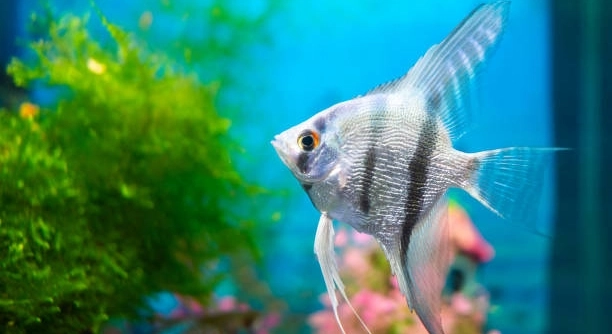
Angelfish are popular aquarium pets, known for their graceful movements and vibrant colors. However, you might notice your angelfish chasing its own reflection. This behavior may be puzzling and concerning for fish owners.
The most common explanation for this behavior is territorial aggression. Angelfish may mistake their reflection for another fish, leading to chasing. Other causes could include stress, boredom, or mating behavior, all of which can trigger this response.
Understanding the reasons behind your angelfish’s behavior can help manage it. We will look at possible explanations and solutions for this curious behavior.
Territorial Behavior
Angelfish are naturally territorial, especially when they feel the need to protect their space. In a tank, they may see their reflection as an intruder and act aggressively, chasing or even displaying signs of dominance. This is especially common in smaller aquariums where the fish feel confined. They may swim up to the glass repeatedly, thinking it’s a competing fish. If there are other fish in the tank, the angelfish might react more strongly to any perceived competition for resources.
It’s important to provide adequate space for your angelfish to roam freely. A cramped environment can escalate territorial behavior. Consider rearranging decorations or adding plants to create boundaries and provide hiding spots for other tank inhabitants.
While some degree of territorial behavior is normal, excessive aggression may stress the fish and even cause physical harm. Adjusting the tank’s layout or adding other hiding spaces can reduce this behavior. Make sure your angelfish has enough space to feel secure and comfortable in their environment.
Stress and Anxiety
Stress can also be a reason behind this unusual behavior. Angelfish can become stressed by factors like poor water quality, overcrowding, or changes in their environment. They may react to their reflection as a sign of distress, leading them to chase it.
If you notice your angelfish chasing its reflection frequently, it could be a sign of underlying issues, such as an unstable tank environment. Regular water changes, maintaining proper filtration, and ensuring a balanced ecosystem will help reduce stress.
Boredom and Lack of Stimulation
Angelfish, like many other fish, need mental stimulation to stay healthy. If there isn’t enough to engage them, they may begin to chase their reflection out of boredom. This behavior is more common in tanks with limited decorations or few other fish.
Providing enrichment in the tank, like plants, rocks, or other objects, will give your angelfish something to interact with. A well-decorated tank can mimic the natural environment and offer plenty of hiding spots, which can help keep your angelfish engaged. Without these, they might see their own reflection as the only “thing” to interact with, leading to repetitive behavior.
Adding new decorations or rotating the current ones can help keep your angelfish’s environment stimulating. Additionally, consider introducing other compatible fish into the tank to provide social interaction, which may reduce the tendency to focus on their reflection.
Mating Behavior
Mating is another reason why an angelfish might chase its reflection. Male angelfish often display territorial behavior when they are ready to breed. They may see their reflection as a rival and attempt to chase it away, thinking it is a competitor.
To minimize this behavior during mating, try observing the water temperature. Angelfish are more likely to display mating behavior when the water is slightly warmer, usually around 78-80°F (25-27°C). If you’re not looking to breed, avoid any changes in water temperature that might trigger the process.
Sometimes, the presence of other fish might also provoke territorial displays, especially when there is competition for breeding space. Keeping a balanced tank with enough room and hiding spots will help maintain peace, reducing aggressive interactions related to mating behavior.
Reflection as a Source of Aggression
Angelfish may become agitated when they see their reflection. This is often linked to territorial instincts, as they mistake the reflection for an intruder. The result is constant chasing, as the angelfish tries to assert dominance over the perceived rival.
This behavior is most noticeable in aquariums with clear glass or mirrors where reflections are more pronounced. To reduce aggression, cover the reflective areas or introduce plants and objects to block the view. The less the fish can see their own reflection, the less likely they are to act aggressively.
Tank Size and Space
A small tank can lead to increased aggression and territoriality in angelfish. When there isn’t enough space to establish a territory, they may lash out at anything they perceive as an intruder, including their own reflection.
The recommended tank size for angelfish is at least 20 gallons for a single fish, with additional space for every extra fish. Larger tanks with plenty of hiding spots allow angelfish to feel secure and less likely to become territorial. This reduces the chances of them chasing their reflection.
Inadequate Lighting
Lighting can also influence your angelfish’s behavior. If the aquarium’s lighting is too bright or inconsistent, it can cause the fish to become stressed. The light may intensify the reflection, making the fish more prone to chasing it.
Ensure the tank has a balanced light cycle with periods of dim lighting or darkness, especially at night. This helps reduce stress and can limit reflection-related aggression. Additionally, consider using softer lights to avoid overly bright reflections that could trigger the chasing behavior.
FAQ
Why does my angelfish chase its reflection?
Angelfish chase their reflection because they view it as a rival or intruder. This is a form of territorial aggression. They may feel the need to defend their space from what they perceive as competition. This behavior is more common in smaller tanks or environments where they feel confined.
How can I stop my angelfish from chasing its reflection?
The simplest way to prevent your angelfish from chasing its reflection is by blocking its view. Covering mirrors or glass with plants, tank dividers, or decorations can minimize the reflections. Additionally, you can adjust the lighting to reduce the intensity of reflections.
Does chasing its reflection harm my angelfish?
Constant chasing of its reflection can cause stress to your angelfish. Over time, this stress may lead to physical exhaustion or injuries, especially if the fish is continuously swimming into the glass. Stress can also weaken the fish’s immune system, making it more susceptible to disease.
Could my angelfish be stressed if it is chasing its reflection?
Yes, chasing its reflection can be a sign of stress. Angelfish may act aggressively when they are stressed due to poor water quality, overcrowding, or sudden changes in their environment. Stress can affect their health, so it’s important to address the root cause.
Is it normal for angelfish to chase their reflection?
It’s not unusual for angelfish to chase their reflection, especially if they are in a confined space. It’s a natural response to seeing another fish in their territory. However, when this behavior becomes constant, it indicates that something in the environment is contributing to the aggression.
Can I put other fish with my angelfish if it’s chasing its reflection?
Adding other fish can sometimes help distract your angelfish, reducing the focus on its own reflection. However, it’s essential to choose compatible fish. Aggressive or similarly territorial species might cause more stress, while peaceful companions can help reduce aggression.
What are some environmental changes that might reduce reflection chasing?
To reduce chasing behavior, try rearranging decorations, adding plants, and ensuring there are enough hiding spots for all the fish. A larger tank with more room for the angelfish to claim territory can also lessen the focus on reflections. Additionally, changing the lighting or using dimmer lights may help.
Can angelfish see reflections in a tank with curved glass?
Angelfish can still see reflections in tanks with curved glass, though the reflection might not be as clear or intense as it is in flat glass. However, if the lighting conditions are right, they may still react to the distorted image in the glass.
Should I adjust the water temperature to stop reflection chasing?
Adjusting the water temperature is unlikely to stop reflection chasing directly, but it can help with other behaviors, like mating or aggression. Keeping the water temperature stable and within the recommended range of 78-80°F (25-27°C) will keep your angelfish comfortable.
How long will my angelfish chase its reflection?
The duration of this behavior can vary depending on the cause. If it’s due to boredom or stress, the behavior might last until the underlying issue is addressed. In the case of mating or territorial disputes, the chasing may continue until the fish feels secure or the breeding season ends.
Is there a way to train my angelfish to stop chasing its reflection?
Training an angelfish is challenging, but changing the tank environment can reduce the behavior. You can try adjusting the lighting, adding decorations, and ensuring there is enough space. Over time, if the environment becomes more comfortable, the angelfish may stop reacting to its reflection.
Can I use a mirror to stop my angelfish from chasing its reflection?
Using a mirror to “train” your angelfish is not recommended. It will only intensify the aggression, as the fish will continue to view its reflection as a rival. It’s better to remove or block reflective surfaces entirely to minimize this behavior.
What should I do if my angelfish seems exhausted from chasing its reflection?
If your angelfish shows signs of exhaustion from chasing its reflection, consider changing its environment immediately. Rearrange the tank, add more decorations, or reduce the visibility of the reflection. Monitor the fish closely and make sure the water quality is optimal to help reduce stress.
How can I tell if my angelfish is stressed due to chasing its reflection?
Signs of stress in an angelfish include constant hiding, erratic swimming, loss of appetite, and faded colors. If the chasing continues for long periods, it can also show signs of physical exhaustion. Keep an eye on these behaviors and address any stress factors in the tank.
Can I use a tank divider to prevent my angelfish from seeing its reflection?
A tank divider can help if you have multiple fish or if your angelfish is excessively chasing its reflection. By splitting the tank, you can limit the fish’s exposure to reflective surfaces. However, be sure the divider doesn’t cause additional stress or limit the fish’s movement.
Will adding more fish reduce reflection chasing?
Adding more fish can sometimes reduce the focus on the reflection, especially if the tank is large enough. However, adding more fish increases the competition for resources and territory, so make sure the new fish are compatible with your angelfish and won’t add to the stress.
Should I remove the reflective surfaces in the tank completely?
Yes, removing reflective surfaces entirely can help prevent your angelfish from chasing its reflection. If mirrors or shiny decorations are causing the issue, replace them with matte materials. This simple change can make a noticeable difference in reducing territorial aggression.
Can other species in the tank help prevent reflection chasing?
Sometimes, adding peaceful tankmates can help distract your angelfish from chasing its reflection. Species that are non-aggressive and share similar water conditions might reduce the focus on territorial disputes. However, you must be cautious when introducing new fish to avoid further stress or aggression.
Final Thoughts
Angelfish chasing their reflection is a common issue for aquarium owners, but it can be managed with a few changes to the environment. The primary cause of this behavior is territorial instincts. Angelfish often mistake their reflection for another fish, leading to repeated chasing as they try to defend their space. This behavior can become stressful for the fish, especially if it continues for long periods. By understanding the root causes, you can take steps to reduce or eliminate the chasing, ensuring a healthier and more peaceful environment for your angelfish.
The most effective way to address reflection chasing is by adjusting the tank’s setup. Reducing the visibility of reflections is key, and this can be done by using tank dividers, adding plants, or placing decorations in front of reflective surfaces. Rearranging the tank layout can also make a difference, giving the fish new areas to explore and claim as their own. Larger tanks with plenty of space and hiding spots are ideal, as they allow the angelfish to feel more secure and less territorial. Proper tank conditions, including water quality and temperature, also play a significant role in minimizing stress and aggression.
While chasing reflections is not always harmful, it can be a sign of stress or discomfort. If your angelfish is repeatedly engaging in this behavior, it’s important to monitor other signs of stress, such as loss of appetite or faded coloration. Addressing environmental factors, like lighting and tank size, can go a long way in helping your angelfish feel more at ease. By making these adjustments, you can create a peaceful and thriving environment for your angelfish to enjoy.

Hello,
If you enjoy the content that we create, please consider saying a "Thank You!" by leaving a tip.
Every little bit helps us continue crafting quality advice that supports the health, happiness, and well-being of pets around the world, for pets of all shapes, sizes, and species.
We really appreciate the kindness and support that you show us!