
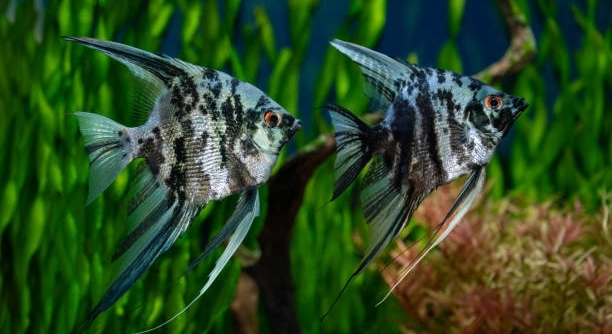
Angelfish are popular aquarium pets known for their beauty, but they can sometimes experience health issues, including swim bladder problems. These issues can affect their buoyancy, making it difficult for them to swim properly. Knowing how to identify and treat these problems is important for keeping your angelfish healthy.
Swim bladder issues in angelfish are often caused by overfeeding, water temperature changes, or infections. Symptoms include swimming upside down, difficulty swimming, or staying at the bottom or top of the tank. Early detection and proper treatment can improve their health.
Understanding the causes and treatment options for swim bladder issues can help you keep your angelfish comfortable and thriving. Identifying these problems early allows for effective management, ensuring your fish remain active and happy.
Common Causes of Swim Bladder Issues in Angelfish
Swim bladder problems in angelfish are often caused by a few key factors. Overfeeding is one of the biggest contributors. When angelfish eat too much, the excess food can cause their digestive system to become sluggish, leading to bloating and affecting their buoyancy. Another common cause is poor water quality. When the tank is not properly maintained, it can introduce harmful bacteria and toxins, which can disrupt the fish’s health. Additionally, temperature changes in the aquarium can lead to stress and affect the swim bladder’s function. These factors can be easily managed with proper care and attention.
Angelfish that swim erratically, stay at the surface or bottom of the tank, or have trouble maintaining their balance are showing signs of a swim bladder issue. Regularly checking water conditions and feeding habits will help prevent this.
Keeping the tank clean and stable in temperature is essential for your angelfish’s overall health. It’s important to perform regular water changes and monitor the tank’s temperature. A stable environment supports a healthy digestive system and prevents issues related to the swim bladder.
How Overfeeding Affects Your Angelfish’s Health
Overfeeding can quickly lead to swim bladder problems in angelfish. When too much food is given, the fish may struggle to properly digest everything, leading to gas buildup inside their body. This can cause them to float sideways or struggle to swim properly. It is important to feed them in moderation and avoid leaving excess food in the tank.
To prevent overfeeding, it’s helpful to offer smaller meals throughout the day rather than a large amount at once. This gives the angelfish time to digest the food properly. Additionally, using high-quality fish food will ensure they receive all the nutrients they need without overloading their digestive system. By monitoring their food intake, you can avoid swim bladder issues caused by excess food. The right feeding schedule will improve their digestion and reduce the risk of problems.
By managing the amount of food, you can prevent bloating, which often leads to swim bladder problems. Adjusting the feeding schedule can also help angelfish keep their energy up and stay active.
Identifying Swim Bladder Symptoms in Angelfish
Swim bladder issues in angelfish are noticeable when they display abnormal swimming patterns. Symptoms like floating upside down, having difficulty staying upright, or staying at the top or bottom of the tank are clear signs. Pay attention to these changes for early detection.
The way an angelfish swims can reveal a lot about its health. If the fish is swimming in circles or sinking to the bottom of the tank, it may be suffering from a swim bladder problem. Additionally, a bloated belly or noticeable lack of appetite could indicate digestive issues related to the swim bladder. Watching your angelfish regularly will help you spot these signs.
If your angelfish is showing any of these symptoms, act quickly. Addressing the issue early can help prevent further stress or injury to the fish. A quick diagnosis and treatment plan are crucial for improving your angelfish’s health and comfort.
Treatment Options for Swim Bladder Problems
Treatment for swim bladder issues often involves adjusting the diet or environment of your angelfish. A temporary fasting period can help clear any blockages in the digestive tract. Reducing the amount of food and feeding high-quality, easily digestible fish food can improve their condition.
If fasting doesn’t help, adding aquarium salt to the water can help alleviate stress on the fish’s system. This can be done in moderation to avoid harming the fish. Ensuring that the water temperature is stable and within the appropriate range also supports recovery. A consistent environment can help the angelfish heal more quickly.
Sometimes, if an infection is suspected, an antibiotic treatment may be necessary. It’s essential to follow the instructions on any medication used, as overuse can harm the fish or worsen the issue. If the problem persists, a vet with experience in fish care can provide additional guidance.
Importance of Clean Water for Angelfish Health
Clean water is essential for preventing swim bladder problems. Poor water quality can introduce harmful toxins or bacteria, which stress the angelfish. Maintaining good water quality helps reduce the chances of infection and other health problems.
Regular water changes, filtration, and monitoring pH levels are necessary for maintaining the tank’s cleanliness. Dirty water can cause many issues, including swim bladder problems, making it harder for your angelfish to recover from illness. Keep the water parameters stable and check for any changes that may indicate a problem.
The Role of Temperature in Treatment
Temperature plays a significant role in your angelfish’s recovery. Keeping the water at a steady, optimal temperature helps prevent further stress on the fish. Sudden temperature fluctuations can make swim bladder issues worse.
Angelfish do best in water temperatures ranging from 76°F to 80°F. If the water gets too cold or too warm, it can interfere with digestion and exacerbate swim bladder problems. Use a reliable thermometer to ensure consistency. A slight increase in temperature, within the safe range, may also encourage recovery.
How Stress Affects Swim Bladder Function
Stress is another factor that can contribute to swim bladder issues in angelfish. Environmental changes, such as the introduction of new fish or irregular feeding schedules, can lead to stress. This, in turn, affects their ability to swim properly.
It’s important to keep the aquarium environment as stable as possible. Avoid making sudden changes to water parameters or tank layout. Stress also weakens the immune system, making the angelfish more vulnerable to infections. By reducing stress, you can help your angelfish maintain overall health.
FAQ
What is swim bladder disease in angelfish?
Swim bladder disease refers to any condition that affects an angelfish’s swim bladder, the organ that helps control its buoyancy. This can cause swimming difficulties, such as floating upside down, staying at the bottom or top of the tank, or struggling to maintain proper posture. It’s not always a disease but rather a symptom of other underlying issues, such as digestive problems, infections, or poor water quality.
How can I tell if my angelfish has swim bladder issues?
Signs of swim bladder problems include swimming upside down, floating awkwardly, struggling to swim, or staying at the top or bottom of the tank. A bloated belly or changes in appetite may also be indicators. If you notice any of these symptoms, it’s essential to investigate further and address the issue promptly.
Can overfeeding cause swim bladder problems in angelfish?
Yes, overfeeding is one of the most common causes of swim bladder problems. When angelfish eat more than they can digest, it leads to bloating, which can compress the swim bladder and disrupt its function. Overfeeding can also cause constipation, making it harder for the fish to swim properly. Feeding in moderation helps prevent this.
What should I do if I suspect my angelfish has swim bladder disease?
First, check the water quality and ensure it’s clean and within the proper range for angelfish. If the water is poor, perform a water change and check the temperature. Next, stop feeding your angelfish for a day or two to help clear any blockages in its digestive system. If the symptoms persist, consider adding aquarium salt to the water or consult a vet.
Is fasting helpful for treating swim bladder issues?
Yes, fasting for 1-2 days is often recommended as a treatment for swim bladder problems, especially when caused by overfeeding or digestive issues. This allows the fish’s digestive system to clear up, which can help restore normal swimming behavior. After fasting, offer small, easily digestible meals like peas or high-quality fish food.
What is the best food to feed an angelfish with swim bladder issues?
Easily digestible foods are the best choice. Blanched peas (with skins removed) are commonly recommended because they’re high in fiber and can help with digestion. Avoid feeding them high-protein or fatty foods, as these can worsen constipation and bloating, making swim bladder problems worse.
How do temperature changes affect swim bladder issues?
Sudden temperature fluctuations can cause stress, weakening the angelfish’s immune system and making swim bladder problems worse. Keeping the water temperature stable and within the recommended range (76°F to 80°F) helps reduce stress and aids in digestion, allowing your fish to recover more effectively. Use a reliable aquarium heater to maintain consistency.
Can aquarium salt help with swim bladder issues?
Aquarium salt can sometimes help alleviate swim bladder issues by reducing stress and promoting healing. It is particularly useful when the swim bladder problem is caused by an infection. However, it’s essential to use the correct amount, as too much salt can harm your angelfish. Follow instructions carefully or consult a vet.
How can I prevent swim bladder issues in my angelfish?
Preventing swim bladder issues involves maintaining clean water, controlling feeding habits, and keeping the tank environment stable. Perform regular water changes, feed your angelfish in moderation, and avoid overfeeding. Ensure the temperature is consistent, and reduce any stress by maintaining a peaceful tank environment. Regularly check the health of your fish to catch problems early.
Is swim bladder disease contagious to other fish?
Swim bladder problems themselves are not contagious, but the underlying cause, such as bacterial or parasitic infections, could potentially spread to other fish. If you suspect an infection, it’s important to isolate the affected angelfish to prevent it from spreading. Regularly monitor the health of other tank mates to ensure they are not showing similar symptoms.
When should I consult a vet for swim bladder issues?
If your angelfish’s symptoms persist despite proper water quality, fasting, and dietary adjustments, it’s time to consult a vet. This is especially important if you suspect an infection or if the swim bladder problem is caused by something more serious, like a tumor or injury. A professional diagnosis can provide targeted treatment.
Can swim bladder issues be fatal for angelfish?
Swim bladder issues themselves are not usually fatal, but if left untreated, they can cause significant stress and complications. In severe cases, the inability to swim properly can lead to malnutrition, poor health, and even death. Addressing the problem early increases the chances of recovery and minimizes the risks.
Final Thoughts
Swim bladder issues in angelfish can be concerning, but with the right care, they are often treatable. By understanding the causes and symptoms, you can help your angelfish recover quickly. Most of the time, these problems arise from overfeeding, poor water quality, or sudden changes in the environment. Addressing these issues early on can prevent the condition from worsening, allowing your fish to regain its health and normal swimming behavior. Whether it’s adjusting their diet or maintaining a clean and stable tank environment, these steps can make a big difference.
Keeping your angelfish healthy requires consistent attention. Regular water changes, controlling feeding habits, and monitoring the tank’s temperature are crucial for preventing swim bladder issues. In addition, being aware of the signs of distress or abnormal swimming behavior allows you to respond promptly. Early intervention is key to avoiding more serious complications. In many cases, a temporary fast or adjusting the water conditions can resolve the issue without the need for medication. However, if the problem persists or worsens, it’s important to seek professional advice.
Ultimately, prevention is better than cure. Keeping the aquarium environment stable, feeding in moderation, and ensuring clean, well-maintained water will help your angelfish thrive. Regularly check the health of your fish, not just for swim bladder problems, but for other signs of illness. A proactive approach to care will not only prevent swim bladder issues but also contribute to the overall well-being of your angelfish, allowing them to live long and healthy lives in your aquarium.

Hello,
If you enjoy the content that we create, please consider saying a "Thank You!" by leaving a tip.
Every little bit helps us continue crafting quality advice that supports the health, happiness, and well-being of pets around the world, for pets of all shapes, sizes, and species.
We really appreciate the kindness and support that you show us!