
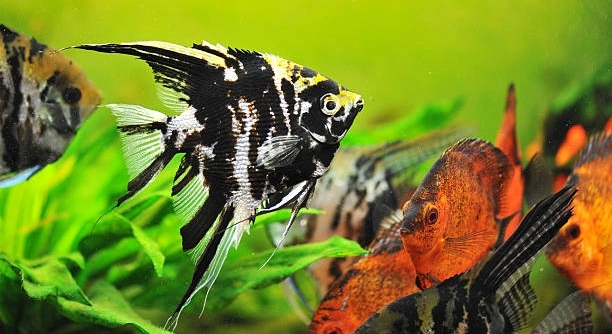
Do your angelfish seem stressed or uninterested in their surroundings despite your best efforts to care for them properly?
The most common mistakes when keeping angelfish include improper tank conditions, poor diet choices, overcrowding, and incompatible tankmates. These factors often result in aggressive behavior, illness, or a shortened lifespan for the fish.
Learning what not to do can help create a more peaceful and healthy environment for your angelfish to thrive in.
Overcrowding the Tank
Angelfish are known to be territorial, especially when they reach maturity. Keeping too many fish in one tank creates stress, encourages aggression, and leads to injuries. Even if they seem peaceful when young, angelfish behavior can shift quickly as they grow. A common mistake is underestimating how much space they actually need. A single pair should ideally have at least 20 gallons to themselves. When overcrowded, water quality also suffers, increasing the risk of diseases. It becomes harder to manage waste, oxygen levels, and filtration efficiency. A peaceful tank starts with providing enough room. Planning ahead before adding new fish is essential. Think about adult size, not just how small they are when bought. Overcrowding not only harms angelfish but also affects other fish sharing the same environment. Reducing the number of tankmates can make a noticeable difference in their overall behavior and health.
Cramped living spaces lead to unnecessary competition and make it difficult for angelfish to thrive.
When angelfish feel threatened by limited space, they may lash out, hide more often, or stop eating. These are signs that their environment is no longer comfortable. Giving them more room will help them feel secure and allow them to express natural behaviors like gliding calmly or pairing up during breeding.
Mixing Aggressive or Fast Fish
Some fish are simply not good tankmates for angelfish due to their temperament or activity level.
Fast-swimming fish like barbs or aggressive species can cause stress for angelfish. Barbs, for instance, may nip at their long fins, leaving them injured and vulnerable to infections. Angelfish do better with calm, slow-moving fish that won’t harass them or compete too much at feeding times. Aggressive tankmates often chase angelfish around the tank, making them nervous and exhausted. This stress lowers their immunity and makes them more prone to sickness. It also disrupts their natural behavior and daily routines. Before choosing tankmates, consider their size, behavior, and how they interact with others. Fish that are overly active or territorial will usually not be a good match. Angelfish prefer a more peaceful environment where they can swim freely without being disturbed. Watching your tank carefully after adding new fish can help you spot problems early. If conflicts arise, it’s best to rehome incompatible species before stress becomes harmful.
Ignoring Water Parameters
Poor water quality causes long-term damage to angelfish. It weakens their immune system and creates a breeding ground for disease. Dirty water or sudden changes in conditions can lead to fin rot, stress, and even organ failure if left unchecked.
Ammonia and nitrite levels should always stay at zero. Nitrate should be kept below 20 ppm. These levels can quickly rise in smaller or overcrowded tanks. Regular water testing helps you spot changes before they become harmful. Use a liquid test kit rather than relying on strips, as they are more accurate. Partial water changes—about 25% each week—help maintain healthy conditions. Be sure to treat tap water with a conditioner to remove chlorine or chloramine. Stable temperature and pH are also essential. Angelfish prefer water around 76–82°F and a pH between 6.5 and 7.5. Stability matters more than perfection, so avoid making big changes all at once.
Skipping water tests or not doing regular tank maintenance makes it easy to miss problems. When toxins build up, angelfish often show signs like clamped fins, gasping at the surface, or odd swimming. If you notice these signs, check your water immediately. Keeping parameters consistent is one of the best ways to avoid illness.
Feeding Them the Wrong Diet
Feeding only flakes or pellets isn’t enough for angelfish. A limited diet weakens their immunity and can cause slow growth or faded colors. They need a mix of high-protein foods and variety to stay healthy.
In the wild, angelfish eat small insects, larvae, and plant matter. You can mimic this by offering them frozen or live foods like bloodworms, brine shrimp, and daphnia a few times a week. These boost their energy and improve coloration. Pellets or flakes should still be a part of their diet but go for quality options made for cichlids or tropical fish. Overfeeding is another problem. Uneaten food sinks and pollutes the tank. Feed just enough that they finish in about 2–3 minutes. If food remains, you’re likely giving them too much. Stick to feeding once or twice daily. Changing up their meals helps prevent boredom and encourages natural foraging behaviors, making them more active and alert.
Skipping Quarantine for New Fish
Adding new fish directly to your main tank can spread parasites or diseases quickly. Even healthy-looking fish might carry hidden problems that only show up later. Quarantining new arrivals for at least two weeks helps keep your angelfish safe.
A separate 10-gallon tank works well for quarantine. It lets you observe new fish for any signs of illness, like spots, cloudy eyes, or strange swimming. This step also gives them time to adjust before facing the stress of a new community tank.
Using Strong Water Currents
Angelfish prefer calm waters. Strong filters or powerheads that push too much current can make swimming hard and stressful. They may stay in corners to avoid the flow. Adjust filter output or use spray bars to soften the current.
Neglecting Tank Decor and Plants
Bare tanks can make angelfish feel exposed and anxious. They need plants and decorations for shelter and comfort. Adding tall plants, driftwood, and hiding spots helps them feel safe and reduces aggressive behavior.
FAQ
How often should I change the water in my angelfish tank?
Water changes are essential for maintaining a healthy environment. You should aim for a 25% water change every week. This helps remove waste buildup and ensures that toxins like ammonia, nitrites, and nitrates stay within safe levels. In tanks with heavy fish loads, you might need to change the water more frequently. Always treat new water with a conditioner to remove chlorine and chloramine before adding it to the tank. If you notice any signs of poor water quality, such as cloudy water or stressed fish, increase the frequency of your water changes.
What size tank do angelfish need?
Angelfish need plenty of space to swim and grow. A minimum of 20 gallons is recommended for one or two angelfish. If you plan to keep multiple angelfish or other species, a larger tank is necessary. As angelfish grow, they can become territorial and need more room to avoid stress. Larger tanks also provide better filtration and help maintain water quality. For a group of angelfish, consider a 30-gallon or larger tank. This gives them the freedom to swim and reduces the likelihood of aggression among tankmates.
Can angelfish live with other species?
Angelfish can live with other species, but you need to choose compatible tankmates. Avoid aggressive or overly active fish that might stress them out. Good tankmates for angelfish include peaceful fish like tetras, gouramis, and corydoras catfish. Avoid fast swimmers like barbs, which might nip at the angelfish’s fins. Also, steer clear of bottom-dwelling fish that might compete for food. Angelfish are territorial, especially when breeding, so it’s important to monitor their behavior and ensure that they’re not becoming too aggressive with their tankmates.
What is the ideal water temperature for angelfish?
Angelfish thrive in water temperatures between 76°F and 82°F. Keeping the temperature in this range supports their immune system and promotes healthy growth. If the water is too cold, angelfish may become sluggish and more prone to illness. On the other hand, if the water is too warm, it can lead to oxygen depletion and stress. Invest in a reliable aquarium heater with a thermostat to maintain a consistent temperature. Also, make sure to use a thermometer to check the water regularly.
How do I know if my angelfish are sick?
Sick angelfish may display signs such as clamped fins, lethargy, loss of appetite, or abnormal swimming patterns. They might also develop visible symptoms like white spots, lesions, or faded colors. If you notice any of these signs, check your water quality first. Poor water conditions often cause illness in fish. You should also isolate sick fish to prevent the spread of disease. If the symptoms persist, consider seeking advice from an aquarium specialist or using appropriate treatments like aquarium salt or anti-parasitic medications.
What should I feed my angelfish?
Angelfish need a balanced diet that includes both plant and animal-based foods. A mix of high-quality pellets or flakes designed for tropical fish is a good base. Supplement their diet with frozen or live foods like bloodworms, brine shrimp, and daphnia. You can also feed them blanched vegetables, such as zucchini or spinach, to provide essential nutrients. Be sure to vary their diet to prevent boredom and ensure they’re getting all the vitamins and minerals they need. Avoid overfeeding, as uneaten food can degrade water quality.
Can angelfish breed in a community tank?
Yes, angelfish can breed in a community tank, but there are some challenges. They usually breed when they’re mature and have formed a pair. If you have other fish in the tank, they may disturb the breeding process or eat the eggs. To increase the chances of successful breeding, provide a flat surface like a leaf or piece of slate for the pair to lay their eggs on. Once the eggs are laid, you can either leave the pair to raise their fry in the community tank or move the eggs to a separate tank to protect them from other fish.
What size should the tank be for breeding angelfish?
For breeding, a 30-gallon tank is a good starting point. It provides enough space for the pair to claim territory and lay eggs without overcrowding. The tank should be well-maintained with stable water parameters, as breeding angelfish are sensitive to water quality. It’s important to provide them with a flat surface to lay their eggs on, and keep the tank free of aggressive or fast-moving fish that could disturb the pair. Also, make sure to have a good filtration system to maintain clean water, but avoid strong currents that could harm the eggs.
Can I use regular tap water for my angelfish tank?
You can use tap water for your angelfish tank, but it’s important to treat it first. Tap water often contains chlorine or chloramine, which can be harmful to fish. Use a water conditioner to neutralize these chemicals before adding the water to the tank. Also, check the pH, hardness, and other water parameters to ensure they match the needs of your angelfish. If your tap water is very hard or soft, you may need to adjust it to maintain a stable environment for your fish.
Why are my angelfish not eating?
If your angelfish aren’t eating, it could be due to several factors. Stress from poor water quality, aggressive tankmates, or environmental changes can cause a loss of appetite. Check your water parameters and make sure they’re within the ideal range for angelfish. Also, ensure that the tank is calm and quiet, as excessive noise or movement can stress them out. Sometimes, angelfish will refuse food when they’re about to spawn, or they may be dealing with illness. If they continue to refuse food, try offering different types of food or seek advice from an aquarium expert.
Final Thoughts
Taking care of angelfish requires more than just feeding them and maintaining the tank. By understanding their specific needs, you can create a healthy and stable environment that allows them to thrive. They are beautiful fish with unique personalities, but they also need attention to detail in their care routine. Whether it’s maintaining proper water conditions, offering a varied diet, or ensuring they have enough space, every step plays a part in keeping your angelfish healthy and happy.
In addition to meeting their basic needs, it’s important to observe your angelfish regularly. Keep an eye on their behavior and appearance, as small changes can indicate stress or illness. Addressing these issues early on can prevent larger problems down the road. It’s also essential to avoid some common mistakes, like overcrowding or mixing aggressive tankmates. These issues can cause stress, poor health, and even aggression among the fish. By planning carefully, you can prevent these situations and ensure a peaceful environment for your angelfish to enjoy.
Caring for angelfish is a rewarding experience, but it requires patience and commitment. Don’t expect instant success; it might take some time to get everything right. Regular maintenance, observation, and learning will help you grow as a fish keeper. When you get the care right, you’ll see your angelfish display vibrant colors and healthy growth. Whether you’re a beginner or experienced aquarist, following the right steps can make all the difference in the long-term happiness of your angelfish.

Hello,
If you enjoy the content that we create, please consider saying a "Thank You!" by leaving a tip.
Every little bit helps us continue crafting quality advice that supports the health, happiness, and well-being of pets around the world, for pets of all shapes, sizes, and species.
We really appreciate the kindness and support that you show us!