
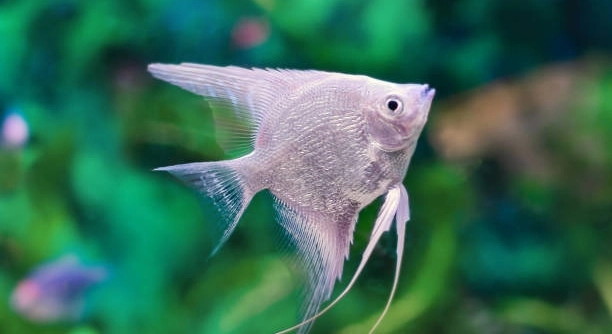
Is your angelfish spending most of its time in the darkest part of the tank, making you unsure if something’s wrong?
The most common reason an angelfish stays in a dark area of the tank is due to stress, often caused by poor water quality, incompatible tank mates, or inadequate lighting. Understanding its behavior can help address the underlying issue.
These seven theories will help you better understand your angelfish’s behavior and what small changes might improve its comfort and health.
Stress from Water Conditions
Angelfish are sensitive to changes in water quality. If the water parameters in your tank are off, your angelfish may feel stressed and seek out darker, quieter spots. Things like high ammonia levels, sudden temperature shifts, or low oxygen can cause discomfort. Even minor imbalances can make the environment feel unsafe. Dark corners often offer a sense of security, so your fish may choose to hide there until things feel right again. Testing your tank’s water regularly is important. Keep ammonia and nitrite at zero, nitrates low, and maintain a steady temperature. Use a filter that keeps the water clean without creating strong currents, as angelfish prefer calm waters. A stressed fish will often show other signs too, like clamped fins or rapid breathing. Addressing water issues early can prevent long-term problems. Clean the tank regularly, and don’t forget to dechlorinate tap water before using it during water changes.
A dark corner offers quiet relief when the water feels too harsh elsewhere. Angelfish will instinctively avoid places that feel unsafe or irritating.
Simple steps like using a thermometer, test kit, and consistent cleaning routine can keep the water stable. This helps your angelfish stay calm, active, and less likely to hide for long periods.
Trouble with Tank Mates
Some angelfish may feel threatened by the other fish in their tank. Aggressive or overly active tank mates can stress them out.
Angelfish do best in tanks with peaceful fish that don’t nip fins or compete aggressively for food. If they share space with fin-nippers like barbs or if they’re placed with fish that dart around constantly, they may retreat to the darker areas to feel safe. Sometimes, even another angelfish can cause stress if it’s more dominant. When your fish feels outmatched or harassed, hiding becomes its way of coping. You may notice it coming out briefly when it thinks the coast is clear, only to rush back to the shadows. Observing behavior closely can help you spot the issue. If you see chasing, nipping, or territorial behavior, it might be time to rearrange the tank or move some fish. Providing enough plants and decor can also help create safe zones. Reducing competition and aggression in the tank gives your angelfish a better chance to relax and swim freely.
Lack of Hiding Spots
When a tank doesn’t have enough hiding spots, angelfish may stick to the darkest corner just to feel safe. Open spaces can make them feel exposed, especially if they sense any kind of threat or movement around the tank.
Adding plants, driftwood, or tall decorations can make a big difference. These give your angelfish places to retreat to that aren’t just shadows or corners. Real or artificial plants work well—just make sure they don’t have sharp edges. When fish have options to hide or rest, they feel more secure and are more likely to explore the tank. Avoid placing all décor against the back wall; try creating layered hiding spots in different areas. This gives the fish more freedom to choose where they feel safe without always defaulting to the darkest corner. Comfort improves, and your angelfish may start swimming more openly again.
Try rearranging the tank layout to offer more privacy. A few well-placed plants or caves can create zones where your angelfish feels safe but not isolated. They enjoy vertical space too, so taller plants and decorations help. Giving them these options can shift their behavior and bring more movement back into the tank.
Light Sensitivity or Sudden Changes
Some angelfish react strongly to harsh or inconsistent lighting. Bright lights, especially without shade or cover, can be too much for them. They may seek out dim areas to reduce their stress and protect their eyes.
If your lighting is too intense or on for long hours, your angelfish may retreat. This is more common if the lights turn on suddenly without a gradual increase. Using a timer with a ramp-up feature or placing floating plants near the top of the tank can help soften the lighting. It’s also helpful to avoid placing the tank in direct sunlight, which can change brightness quickly. Try observing how your fish reacts when the lights come on or off—if it darts for cover right away, the lighting setup might be too sharp or inconsistent. Making the light feel more natural can encourage your angelfish to use the whole tank more evenly.
Illness or Discomfort
When angelfish aren’t feeling well, they often become less active and stay in darker areas. Hiding can be a sign of internal issues like parasites, infections, or swim bladder problems.
Look for other signs like loss of appetite, faded color, clamped fins, or unusual swimming. These symptoms can help confirm illness.
New Environment or Changes
A recent tank move, water change, or new fish can unsettle an angelfish. They may hide more while adjusting to their new surroundings. It’s their way of staying safe during a time of change or stress.
Give them a few days to adjust, and keep their space calm. Limit sudden changes, dim the lights slightly, and don’t crowd the tank during this time. Avoid tapping the glass or making too much noise nearby. Stability helps angelfish relax and build confidence. Once they feel safe again, they usually return to their usual swimming patterns and stop hiding as much.
Natural Personality
Some angelfish are simply more shy than others. A quiet, reserved fish may always prefer low-traffic areas or shaded spots, even if nothing is wrong.
FAQ
Why is my angelfish hiding all of a sudden?
Sudden hiding usually points to stress or discomfort. It might be caused by a water change, new tank mates, or a shift in lighting. Sometimes, even loud noises near the tank or tapping on the glass can make them feel unsafe. Check for changes in water parameters and watch for signs of aggression from other fish. If everything seems stable, give your angelfish a few days. They might just need time to adjust to the change. Offering extra hiding spots and keeping the area around the tank calm can help them feel secure again.
Can poor water quality make my angelfish act strange?
Yes, poor water quality is one of the most common reasons fish behave oddly. If ammonia or nitrite levels rise, or if the temperature isn’t right, your angelfish may hide or become inactive. Bad water can irritate their gills and cause stress. It’s important to use a test kit to check water parameters regularly. Even if the tank looks clean, invisible imbalances can still be present. Make sure to keep the water well-filtered and do regular partial water changes to maintain a healthy environment.
Do angelfish get scared easily?
They can, especially when they are young or newly added to a tank. Angelfish are alert and sensitive to their surroundings. Sudden movements, loud sounds, or fast-swimming tank mates can spook them. Even shadows or bright lights turning on quickly can trigger fear. A consistent routine, soft lighting, and a peaceful tank community can help your angelfish feel more at ease. Over time, most angelfish become more confident and social once they get used to their environment.
Is it okay if my angelfish likes to stay near plants or corners?
Yes, as long as it still eats well, swims normally when it comes out, and isn’t showing signs of illness. Some angelfish prefer staying near plants or corners because it feels safer to them. If it’s not constantly hiding, showing clamped fins, or acting sick, this can just be part of its personality. Still, it’s good to keep an eye out for changes in behavior, especially if it suddenly starts hiding more than usual. That could mean something in the tank has shifted or is bothering it.
Should I change my tank lighting if my angelfish is hiding?
If your lighting is too bright or harsh, adjusting it might help. Use a timer to keep a consistent schedule and avoid turning the lights on suddenly. Floating plants can help block strong light and create natural shade. Angelfish don’t like intense lighting and will often retreat if there’s no cover. If your lighting setup feels too sharp, consider switching to a dimmable LED light or adding more plants and decorations that offer shaded areas. Soft, even lighting can encourage your angelfish to be more active.
How do I know if my angelfish is sick or just shy?
A shy angelfish will still eat, explore occasionally, and look healthy. A sick angelfish might lose color, stop eating, breathe heavily, or move in unusual ways. If hiding is paired with these symptoms, illness might be the cause. Check for swelling, spots, or signs of injury too. If you’re unsure, it’s better to treat the tank with care and improve water quality right away. Quarantine might be needed if symptoms get worse. Watching closely will help you tell the difference over time.
Can tank layout affect angelfish behavior?
Definitely. An open, bare tank can leave angelfish feeling exposed. Without places to hide or rest, they might spend most of their time in corners or behind filters. A well-decorated tank with tall plants, driftwood, and hiding spots gives them more confidence to swim openly. Rearranging the layout or adding a few new decorations can make a big difference. Try creating zones where they can rest or escape from more active tank mates without being completely out of sight.
What’s the best way to help a stressed angelfish?
Keep the tank calm and consistent. Avoid sudden changes in lighting, water conditions, or tank mates. Add hiding spots, check the water parameters, and reduce loud noises near the tank. Feed them a good diet and give them time to adjust. Most angelfish bounce back with a little support and a stable environment.
Final Thoughts
Angelfish are beautiful and peaceful fish, but they can sometimes act in ways that seem unusual. When you notice your angelfish staying in the darkest part of the tank, it’s usually a sign that something is bothering them. This behavior can come from stress, illness, lighting issues, or even just personal preference. Watching them closely and learning what seems normal for your specific fish can help you understand when something isn’t right. Every angelfish is different, and small changes in their environment can lead to changes in behavior.
It’s important to keep their tank environment clean, quiet, and consistent. Regular water testing, gentle lighting, and calm tank mates all help create a space where your angelfish can feel safe and active. Adding enough plants and hiding spots gives them more control over where they choose to rest and explore. If something does seem off, look for other signs like changes in appetite, breathing, or color. These can give more clues about what might be going on. Acting early when you spot changes can prevent bigger problems later.
Most of the time, with a few small adjustments, your angelfish will start to feel better and behave more normally. Whether it’s fixing a water issue, adjusting light levels, or simply giving them time to settle in, patience often pays off. These fish respond well to stable conditions and gentle care. If your angelfish keeps hiding, try to look at the whole picture of their setup and routine. A calm, well-maintained tank goes a long way in keeping them happy and visible. Watching your angelfish swim freely again can be a great reminder of how much small choices matter in keeping aquarium life healthy.

Hello,
If you enjoy the content that we create, please consider saying a "Thank You!" by leaving a tip.
Every little bit helps us continue crafting quality advice that supports the health, happiness, and well-being of pets around the world, for pets of all shapes, sizes, and species.
We really appreciate the kindness and support that you show us!