
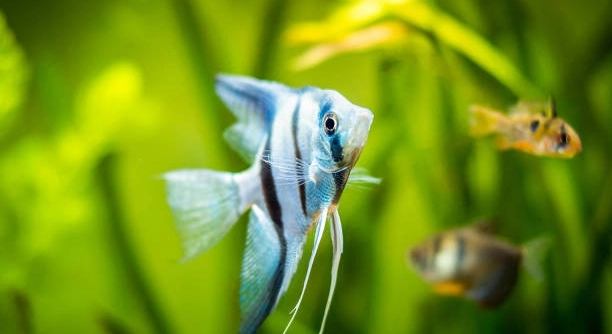
Angelfish are popular aquarium pets known for their beauty and elegance. However, like any living creature, they can experience health issues. Identifying signs of distress early is key to keeping them healthy and happy in their environment.
Common signs of an unwell angelfish include changes in behavior, appetite, and physical appearance. These may indicate stress or illness. Monitoring these signs closely can help prevent serious health issues and improve the chances of successful recovery.
Taking note of your angelfish’s behavior and condition will help you address any concerns quickly. This article will provide helpful insights into recognizing early signs of illness and how to respond effectively.
Change in Swimming Patterns
When an angelfish begins swimming erratically, it may signal that something is wrong. If your fish is swimming in circles, darting around the tank, or struggling to maintain balance, it’s a sign of distress. Healthy angelfish swim smoothly and gracefully, so any noticeable changes in their movement should be addressed immediately.
Swimming issues can stem from various factors, such as water quality, stress, or illness. Poor water conditions often lead to a weakened immune system, making angelfish more prone to diseases. Fish that display abnormal swimming should be closely monitored for further symptoms.
If you notice an angelfish’s swimming behavior is off, check the water parameters to ensure they are within the proper range. Poor water conditions can contribute to stress, which may manifest as erratic swimming. If the environment is stable and the behavior persists, a trip to the vet might be necessary to rule out any infections or physical injuries.
Loss of Appetite
A loss of appetite is a common sign that your angelfish is feeling unwell. Normally, angelfish are eager eaters, so if you notice your fish avoiding food, it could be an indication of illness or stress.
When an angelfish stops eating, it’s important to assess the water conditions first. Poor water quality or a sudden change in the environment can make fish less interested in food. Stress, often triggered by tank mates, lighting, or other factors, can also lead to reduced appetite.
If your angelfish’s loss of appetite continues for more than a few days, you may need to consider other factors. It’s important to ensure the fish is not suffering from a disease that affects their digestion or overall health. In such cases, isolation may be necessary to help them recover. Keep monitoring for additional symptoms.
Cloudy Eyes
Cloudy or opaque eyes are one of the first signs of an angelfish feeling unwell. This issue can be caused by a range of factors, including poor water quality, injuries, or infection. Pay close attention to how your angelfish looks to ensure their eyes stay clear and healthy.
When an angelfish’s eyes appear cloudy, it often means the fish is fighting an infection or has experienced an injury. Cloudiness can also be linked to poor water conditions. If the water is contaminated or not changed regularly, your fish’s immune system can become compromised, making them more susceptible to infections. It’s essential to test your aquarium’s water regularly to keep your fish healthy.
Treating cloudy eyes depends on the underlying cause. For minor issues, improving the water quality might be enough. If the cloudiness is due to an infection, you may need to use medications or consult an aquatic vet. Infected or injured fish should be quarantined to prevent spreading to other tankmates.
Faded Colors
Angelfish are known for their bright, vibrant colors. If you notice their colors fading, it could indicate that they are stressed or unwell. Healthy fish typically have vivid and sharp colors, so a loss of color is a sign that something is amiss.
Fading colors in an angelfish can result from stress, illness, or poor water conditions. Fish often lose their bright hues when they are stressed by changes in their environment or when they are exposed to toxins in the water. Stressful tankmates or inconsistent lighting may also contribute to this change. If your angelfish’s color fades, it’s important to assess the water quality and the overall conditions of the tank.
To help restore your angelfish’s vibrant colors, first ensure that their environment is suitable. This includes checking the temperature, pH levels, and filtration. In some cases, a change in diet can also help, as certain foods can enhance the brightness of your fish’s colors. Keep your angelfish in a stress-free environment, and their colors should gradually return to normal.
Labored Breathing
Labored breathing in angelfish, such as rapid gill movement or gasping at the surface, is a sign of distress. It often indicates poor water quality, oxygen deprivation, or an infection affecting their gills. Monitoring this behavior is crucial to avoid further complications and stress for your fish.
If your angelfish is breathing heavily or rapidly, the first thing to check is the oxygen levels in the tank. Insufficient oxygen can cause your fish to struggle for air. Poor water quality is another likely cause, as high levels of ammonia or nitrites can severely impact their gills. Fixing these issues immediately is vital to your fish’s health.
White Spots
White spots on an angelfish are commonly associated with ich, a parasitic infection. Ich causes tiny white cysts to form on the fish’s skin, fins, and gills. This condition spreads quickly and can lead to serious health problems if not addressed.
Ich is a highly contagious disease that infects fish when they’re exposed to poor water conditions. When an angelfish is infected, it may display signs of irritation, such as rubbing against objects or rapid gill movement. If the spots are left untreated, the parasite can weaken the fish and even lead to death. It’s crucial to separate infected fish from healthy ones immediately to prevent further spreading. Treating ich requires using anti-parasitic medications and raising the water temperature slightly to speed up the parasite’s life cycle.
Excessive Hiding
Angelfish are social and active, so excessive hiding is a sign that something isn’t right. If your fish spends most of its time hiding or staying in one spot, it might be stressed, injured, or unwell.
Hiding is a natural behavior when angelfish feel unsafe, but persistent hiding can indicate that they are unwell or stressed. Stress can result from poor water quality, aggressive tank mates, or inadequate tank setup. Check your aquarium’s environment for factors that might be causing discomfort. If you find nothing wrong, consider isolating the fish to prevent further stress.
What Are the Early Signs of Stress in Angelfish?
Stress in angelfish can manifest in several early signs, such as erratic swimming, hiding, or loss of appetite. The fish may also begin rubbing against objects in the tank. Stressors can include poor water quality, sudden changes in temperature, or aggressive tank mates. If you notice these behaviors, it’s essential to check the water conditions first, as unstable parameters can easily stress fish. Reducing tankmate aggression or providing hiding spots can help your angelfish feel more secure. Early intervention will help prevent stress from leading to more serious health issues.
What Is the Best Way to Treat Skin Lesions on Angelfish?
Skin lesions on angelfish can be caused by various factors, including injury, bacterial infection, or parasites. The best way to treat these lesions is by ensuring the water quality is optimal. Clean water promotes healing and prevents secondary infections. If the lesions are due to a bacterial infection, using a medicated bath or aquarium antibiotic may be necessary. Quarantining the infected fish is important to prevent spreading the infection to healthy tankmates. You should also remove any sharp objects in the tank that could cause further injury to the fish while it heals.
How Can I Improve the Water Quality in My Angelfish Tank?
Maintaining high water quality is crucial for angelfish health. To improve water quality, perform regular water changes (about 25-30% weekly), test the water for ammonia, nitrites, nitrates, and pH levels, and use a reliable filtration system. Ammonia and nitrites should always be at zero, while nitrates should be kept below 20 ppm. Ensure the temperature remains stable, ideally between 75°F and 82°F. Adding live plants can also help naturally filter the water. Regularly clean the tank decorations and substrate to prevent the buildup of organic matter, which can affect water quality.
How Can I Tell if My Angelfish Has a Fungal Infection?
Fungal infections in angelfish often appear as white, fluffy growths on their skin, fins, or gills. These growths can be accompanied by redness or swelling in the affected area. Fungal infections usually occur when fish are stressed, or the water quality is poor. To treat a fungal infection, first remove the infected fish to a quarantine tank, as fungal infections are contagious. Use antifungal treatments, which are available in aquarium stores. Improving water quality and ensuring the fish isn’t stressed will also aid in recovery.
Why Is My Angelfish Swimming Upside Down?
If your angelfish is swimming upside down, it could be a sign of a swim bladder disorder, which affects their buoyancy. Swim bladder issues can be caused by overfeeding, constipation, or injury. Overfeeding can lead to constipation, which puts pressure on the swim bladder, making it hard for the fish to maintain proper buoyancy. You can try fasting your fish for a couple of days and offering peas, as they help clear any blockages in the digestive system. If the problem persists, you may need to adjust the fish’s diet or consult with a vet if it’s a more serious condition.
What Should I Do if My Angelfish Has a Swollen Belly?
A swollen belly in angelfish can be a sign of internal issues such as overfeeding, constipation, or even a parasitic infection. If you notice your angelfish has a bloated appearance, the first step is to examine its diet. Overfeeding can cause constipation, leading to bloating. Fasting the fish for a couple of days may help relieve the issue. If the bloating is accompanied by other symptoms like lethargy or abnormal swimming, it may be an internal parasite. In that case, you may need to treat the fish with anti-parasitic medication. Always ensure water quality is optimal, as poor conditions can contribute to digestive issues.
How Can I Treat an Angelfish With a Torn Fin?
A torn fin in an angelfish can be the result of aggression from tank mates or injury. These injuries can sometimes become infected if not treated properly. To treat a torn fin, first isolate the fish in a quarantine tank to minimize stress. Maintain clean water to help the fin heal, and avoid using sharp decorations that could cause further injury. You can apply an antiseptic fish treatment or a salt bath to prevent infection. If the damage is severe, it may take time for the fin to regrow, but with proper care, the fish should recover.
What Should I Do if My Angelfish Is Floating at the Surface?
If your angelfish is floating at the surface, it could be a sign of swim bladder disease, poor water quality, or low oxygen levels. Check the water parameters first to ensure they’re within the proper range for angelfish. Low oxygen levels can be addressed by improving aeration, such as adding an air stone or adjusting the filter. If the water quality is fine, then the fish may be suffering from swim bladder disease, which can be caused by overfeeding or constipation. Try fasting the fish and offering cooked peas to help alleviate constipation.
Why Is My Angelfish Scratching Against Objects?
If your angelfish is scratching against tank decorations or substrate, it could be a sign of external parasites like ich or a fungal infection. Scratching is the fish’s way of trying to relieve irritation caused by these parasites. To treat this, you should isolate the fish to prevent the spread of infection. Increase the water temperature slightly to speed up the life cycle of parasites, and use anti-parasitic treatments available in pet stores. Ensure that the tank is free of any sharp or abrasive objects that could further irritate your fish’s skin.
How Can I Help My Angelfish Recover From a Stressful Situation?
After a stressful event, such as aggressive tank mates or a sudden change in water conditions, your angelfish may need time to recover. To help the fish, reduce stressors by improving the water quality and ensuring a peaceful environment. Provide hiding spots in the tank for the fish to feel secure. Keep the lighting low and avoid handling the fish unless necessary. Offer nutritious food to help boost its immune system, and ensure that the tank mates are not harassing the angelfish. Over time, your angelfish should regain its health and normal behavior.
Taking care of an angelfish requires attention to detail, patience, and consistent care. These fish are sensitive to changes in their environment, so maintaining optimal water conditions is crucial. Regular water testing, weekly water changes, and keeping the tank free from stressors are essential steps in ensuring your angelfish stay healthy. Also, providing a balanced diet and observing your fish closely can help you catch any potential health issues early on. Remember, prevention is often easier than dealing with an illness, so staying proactive about their care is key.
When health problems arise, identifying the symptoms quickly can make a significant difference in your fish’s recovery. Whether it’s changes in behavior, physical appearance, or swimming patterns, being aware of the signs can help you treat the issue before it becomes more serious. From skin lesions to changes in appetite or swimming, these signals give you valuable insights into your fish’s well-being. Always consult reliable resources and experts when in doubt, as quick action can prevent the spread of infections and support faster healing for your angelfish.
In conclusion, keeping angelfish healthy requires a balance of good water quality, proper feeding habits, and careful monitoring for signs of illness. By staying attentive to their needs and addressing problems early, you can ensure that your angelfish thrive in a safe and comfortable environment. It’s also helpful to create a peaceful tank setup that promotes their well-being. With consistent care and attention, your angelfish will lead a happy and healthy life in your aquarium.

Hello,
If you enjoy the content that we create, please consider saying a "Thank You!" by leaving a tip.
Every little bit helps us continue crafting quality advice that supports the health, happiness, and well-being of pets around the world, for pets of all shapes, sizes, and species.
We really appreciate the kindness and support that you show us!