
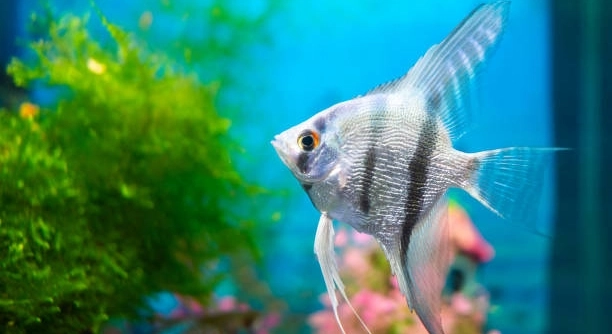
Angelfish are beautiful and graceful creatures, but when they start darting around, it can raise some concerns. It’s important to understand why this behavior occurs. Identifying the cause can help ensure your angelfish stay happy and healthy.
The darting behavior in angelfish is commonly caused by factors such as stress, water quality issues, tankmates, hunger, or illness. Angelfish are sensitive to their environment, and any disturbances can make them act erratically, potentially signaling a deeper problem.
Understanding these behaviors is essential for keeping your angelfish in optimal health. Continue reading to learn about the possible causes and how to address them.
Stress
Stress is a common reason why angelfish dart around. It can stem from various factors like sudden changes in the environment, loud noises, or being placed in a new tank. Angelfish are sensitive to their surroundings, and when stressed, they may swim erratically to escape what they perceive as a threat. Even minor changes, such as the introduction of new tankmates, can cause this behavior. Consistent stress can weaken your angelfish’s immune system, making them more susceptible to illness. If your fish is stressed, try to eliminate sources of disturbance and offer a peaceful environment.
Fish, like angelfish, are highly sensitive to changes in their tank. Keeping the water temperature and quality stable is crucial for reducing stress levels.
By maintaining a calm and stable environment, you can help prevent unnecessary stress. Keep your tank’s water conditions balanced and avoid drastic changes in lighting or temperature.
Poor Water Quality
If your angelfish’s water quality isn’t up to par, they may start darting around. Poor water quality can lead to stress and make fish more active as they try to find better conditions. Factors like high ammonia, nitrite, or nitrate levels can irritate them. Regular water changes and testing the water regularly can help keep these elements in check.
Angelfish prefer clean, slightly acidic water, and poor water conditions can cause discomfort. When ammonia or nitrites build up, your fish may swim erratically as they try to escape toxic areas. Ensure your filtration system is working well, and remove debris from the tank to maintain a healthy environment.
Poor water quality also reduces oxygen levels, which may prompt your angelfish to swim faster. Low oxygen can stress them out and affect their overall health. It’s important to maintain water temperature, pH levels, and filtration. Proper water care ensures your angelfish feel comfortable and relaxed in their home.
Hunger
Hunger can make angelfish act unpredictably, including darting around the tank. Angelfish are opportunistic feeders and might swim frantically when they feel food is nearby. If they’re not fed enough or too infrequently, they may start searching for food, causing erratic behavior.
It’s essential to feed your angelfish regularly, offering small portions to avoid overfeeding. A good feeding schedule helps them stay calm. Overfeeding can lead to water pollution, so try to maintain balance. Stick to a feeding routine, and ensure they’re getting the right nutrients.
Offering a variety of food options, such as flakes, pellets, and frozen or live foods, can prevent hunger-induced behavior. This variety mimics their natural diet, helping them stay healthier and less stressed. Hungry fish often dart around in search of food, so feeding them adequately will help prevent this.
Illness
Illness can make angelfish act erratically, including darting around the tank. Certain diseases or infections cause them to feel uncomfortable, prompting them to swim rapidly. Common health issues include parasites, bacterial infections, or internal problems. It’s important to observe for other signs of illness, such as changes in appetite or behavior.
If your fish is acting strangely, it’s crucial to check for any visible signs of illness. Look for faded colors, lesions, or unusual swimming patterns. If you suspect illness, consult an aquarium expert or veterinarian to get a proper diagnosis. Quick treatment can help avoid further complications.
Tankmates
Aggressive tankmates can lead to your angelfish darting around in an attempt to avoid confrontation. Fish that are territorial or too energetic can stress your angelfish, making them swim quickly to get away. It’s essential to choose peaceful tankmates that won’t threaten your angelfish.
Some species, such as bettas or certain types of cichlids, can be too aggressive. Keeping calm and compatible fish with your angelfish is key to preventing stress. Regularly observing their interactions helps identify any issues early on, allowing you to address problems before they escalate.
Water Temperature
Water temperature plays a significant role in angelfish behavior. If the water is too cold or too hot, it can cause your fish to swim erratically. Angelfish thrive in water between 76°F and 80°F (24°C–27°C), and any drastic changes can stress them out.
Make sure to monitor the water temperature with a reliable thermometer. If necessary, adjust your heater to maintain a stable environment. Sudden temperature fluctuations are especially harmful, so try to keep the temperature consistent. Proper temperature control helps your angelfish stay calm and comfortable in their habitat.
FAQ
Why is my angelfish swimming so fast?
If your angelfish is swimming rapidly, it could be due to stress, poor water quality, hunger, or illness. Angelfish often swim fast when they’re uncomfortable or trying to escape a potential threat. Check water parameters like ammonia, nitrite, and nitrate levels to ensure everything is within the proper range. Hunger can also cause frantic swimming, especially if they’re looking for food. In some cases, illnesses or parasites can affect their behavior, making them act erratically. Regular water changes, appropriate feeding, and prompt treatment of health issues can help.
Can angelfish get stressed easily?
Yes, angelfish are quite sensitive and can get stressed easily. Stress can result from changes in their environment, such as moving them to a new tank, new tankmates, or fluctuating water conditions. Loud noises or bright lights can also be stressful. It’s important to keep their environment as stable and quiet as possible. When stressed, angelfish may dart around the tank, refuse food, or show signs of illness. Proper care, including consistent water changes, appropriate tankmates, and minimizing disturbances, can help reduce stress.
What should I do if my angelfish is acting weird?
If your angelfish is acting out of character, it’s important to first check the water quality. Poor water conditions, like high ammonia or nitrate levels, can cause stress and illness. If the water is fine, check for signs of disease, such as discoloration, lesions, or unusual swimming patterns. If you notice any of these signs, treat the illness promptly, either through quarantine or medication. Keep their environment clean and stable, and make sure they are being fed properly. Observing the behavior of other fish in the tank can also help identify if there’s any aggression from tankmates.
How can I reduce the chances of my angelfish getting stressed?
To reduce stress, maintain a stable and clean environment for your angelfish. Ensure the water temperature is consistent, ideally between 76°F and 80°F (24°C–27°C). Perform regular water changes to keep ammonia and nitrate levels low, and invest in a good filtration system. Avoid overcrowding the tank and introduce compatible tankmates to minimize aggression. Keeping the tank in a quiet area with minimal disturbances also helps angelfish feel secure. Additionally, feed them regularly, but avoid overfeeding, as excess food can pollute the water.
Why is my angelfish hiding and swimming fast?
Hiding and swimming rapidly can be a sign of stress, illness, or fear. If your angelfish is swimming quickly and then hiding, it could be reacting to aggressive tankmates or an environmental change. Check the tank for potential threats, such as territorial fish or sudden changes in water conditions. Hiding is also common when angelfish feel unwell or are being intimidated by other fish. If no aggression is present and the water quality is fine, consider checking for symptoms of illness and treating accordingly.
Is it normal for angelfish to dart around when they are hungry?
Yes, it is normal for angelfish to swim quickly if they are hungry. Angelfish are opportunistic feeders and may swim around the tank when they think food is near. They may also dart around when they’re anticipating feeding time. If you notice this behavior, it could simply be that they’re excited for their next meal. However, overfeeding can lead to water quality issues, so be sure to feed them in small amounts to avoid excess waste in the tank.
Can angelfish die from stress?
Yes, if stress is prolonged, it can weaken an angelfish’s immune system and make them more vulnerable to diseases, eventually leading to death. Stress from poor water quality, aggressive tankmates, or sudden environmental changes can all contribute to health problems. Ensuring a stable, peaceful environment and maintaining proper water conditions is essential to prevent stress-related health issues. If you notice signs of stress, it’s important to take action right away to minimize the impact on your fish’s health.
How can I tell if my angelfish is sick?
Sick angelfish may show several signs, including loss of appetite, faded colors, abnormal swimming patterns (such as swimming sideways or upside down), and lesions or spots on their body. If you notice any of these signs, check the water quality first. Poor water conditions can mimic signs of illness. If the water is fine, you may need to quarantine the fish and treat them with medication for parasites or bacterial infections. It’s essential to address the issue quickly to prevent it from spreading to other fish in the tank.
Why do my angelfish chase each other around the tank?
Chasing behavior in angelfish is common, especially among males. This can be due to territorial disputes or breeding behavior. Angelfish are known to be territorial, and when they feel their space is threatened, they may chase each other to establish dominance. If the tank is overcrowded or if the fish are not properly matched in terms of size and temperament, this behavior can become more frequent. To reduce aggression, ensure your tank is large enough and that tankmates are peaceful. Providing plenty of hiding spaces can also reduce conflict.
How can I make my angelfish feel safe?
Creating a peaceful and stable environment is key to making your angelfish feel safe. Ensure the water temperature, pH levels, and hardness are appropriate and consistent. Avoid drastic changes in the tank, such as sudden water changes or rearranging decorations. Angelfish also appreciate plants and hiding spots where they can retreat when they need rest. Avoid aggressive tankmates and provide plenty of swimming space. A calm environment with proper care will help your angelfish feel secure and reduce the chances of darting behavior.
Final Thoughts
Angelfish are beautiful, peaceful creatures that thrive in stable and well-maintained environments. If your angelfish is darting around the tank, it’s important to consider all possible causes. Stress, illness, poor water quality, and even tankmates can trigger erratic behavior. Identifying the root cause of the problem is crucial for providing your fish with the care they need. By addressing water quality, monitoring the health of your fish, and maintaining a calm and peaceful tank, you can reduce stress and help your angelfish feel more comfortable.
In some cases, darting behavior is simply a sign that your angelfish is hungry or excited. However, if the behavior is persistent and accompanied by other signs of distress, it may indicate a health issue. Monitoring your fish for any changes in appearance or swimming patterns can help you catch potential problems early. Regular water changes and proper tank maintenance are essential to keeping your angelfish healthy and happy. If you notice any signs of illness, it’s important to act quickly and seek treatment.
Creating an environment where your angelfish feel safe and comfortable will help prevent unnecessary stress. Pay attention to factors like water temperature, tankmates, and food. With proper care and attention, your angelfish can thrive in your aquarium for years to come. Keep in mind that every fish is unique, and understanding their behavior is key to maintaining their well-being. By following the guidelines above, you can provide your angelfish with the best possible care, ensuring a happy and healthy life for your aquatic pet.

Hello,
If you enjoy the content that we create, please consider saying a "Thank You!" by leaving a tip.
Every little bit helps us continue crafting quality advice that supports the health, happiness, and well-being of pets around the world, for pets of all shapes, sizes, and species.
We really appreciate the kindness and support that you show us!