
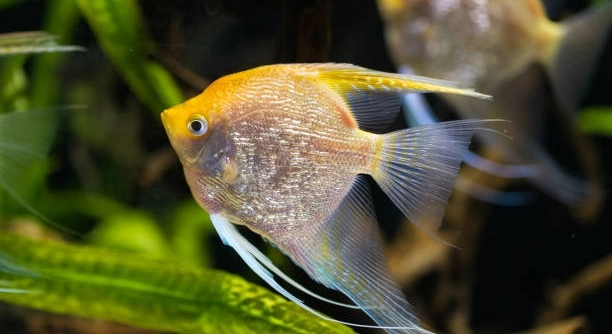
Angelfish are beautiful and delicate creatures that often become beloved additions to aquariums. However, if your angelfish starts floating sideways, it can be a concerning sight for any fish keeper. Understanding the cause is essential.
The most common reasons your angelfish might be floating sideways include swim bladder issues, poor water quality, overfeeding, or a physical injury. In some cases, the fish could be stressed or suffering from an infection affecting its buoyancy.
Recognizing the cause behind this behavior can help you take the necessary steps to restore your angelfish’s health. Several simple adjustments may improve your fish’s condition and prevent future issues.
1. Swim Bladder Disease: A Common Cause of Sideways Floating
Swim bladder disease is one of the most common reasons for angelfish floating sideways. The swim bladder is an organ that helps fish control their buoyancy. If it’s damaged or inflamed, it can cause the fish to lose balance, making them float at odd angles. This issue is often related to overfeeding, poor water conditions, or genetic factors. When the swim bladder isn’t functioning correctly, the fish might struggle to maintain a normal swimming position, and you might see them floating sideways or even upside down.
Swim bladder issues can also be triggered by sudden changes in water temperature or stress.
To address this, ensure the water temperature stays consistent, and avoid overfeeding your angelfish. In some cases, treatment might involve adjusting the diet, such as offering peas to help with constipation, which can lead to swim bladder problems. If the problem persists, medications might be necessary.
2. Poor Water Quality Can Contribute to Health Issues
Water quality is crucial for the overall health of your angelfish.
When the water conditions in the tank deteriorate, it can stress your fish, leading to abnormal behavior like floating sideways. Poor water quality can cause various health problems, including infections, which may affect the swim bladder.
Ammonia, nitrites, and nitrates are harmful to fish if they reach high levels, often resulting from overfeeding, inadequate filtration, or infrequent water changes. Regular testing of your aquarium water is important to ensure that the levels of these substances remain safe for your angelfish.
A proper filtration system and regular water changes are key to keeping the water clean and maintaining your fish’s well-being. If your angelfish is floating sideways, poor water quality should be one of the first factors to check. Reducing stress by maintaining a stable environment will help prevent such issues.
3. Overfeeding Can Cause Digestive Issues
Overfeeding your angelfish may lead to digestive problems, including swim bladder issues. When the fish eats more than it needs, the excess food can cause constipation or bloating, which in turn affects its buoyancy. This can make the fish float sideways or struggle to maintain normal swimming.
To avoid overfeeding, it’s important to follow the recommended feeding guidelines for your angelfish. Offer them only the amount they can eat in a few minutes. If you notice your fish swimming abnormally or floating sideways, reducing the amount of food can help.
You can also try feeding your angelfish peas to help relieve constipation. These can help regulate the digestive system and ease any discomfort the fish may be experiencing. It’s essential to be mindful of their diet, as overfeeding is one of the easiest issues to prevent.
4. Physical Injury and Stress Can Impact Swimming
Injuries or physical trauma can cause your angelfish to float sideways. If your fish has been in a fight with another tank mate or collided with something in the tank, it might have sustained an injury. Even a small injury can affect the swim bladder or its ability to balance properly.
Injuries might not always be visible, but if the fish continues to struggle with swimming or shows signs of distress, it’s important to keep a close eye on them. Fish are sensitive creatures and can experience a lot of stress when they’re injured. Stress itself can also contribute to sideways swimming behavior.
In such cases, providing a calm, stress-free environment is crucial. Adding hiding spots or reducing the number of aggressive fish in the tank can help. If the injury appears severe, consider isolating the angelfish in a separate tank to allow it to recover.
5. Swim Bladder Infection Can Lead to Abnormal Swimming
Infections can also cause your angelfish to swim sideways. If bacteria or parasites affect the swim bladder, the fish may lose its ability to balance properly. Infections can be triggered by poor water quality, stress, or injury.
Signs of infection can include swelling, changes in color, or erratic swimming. If you notice these symptoms, isolating the fish and treating with an appropriate antibiotic is essential.
Fish infected with a swim bladder issue may need special care, such as improving water conditions and possibly medicating. Regular observation will help you catch any issues early.
6. Stress Can Affect Your Angelfish’s Health
Stress can negatively impact your angelfish’s health and cause it to swim abnormally.
Environmental stressors, like noisy surroundings, overcrowding, or frequent tank changes, can create significant distress. When fish are stressed, they may exhibit erratic behavior, including floating sideways. Providing a stable and peaceful environment helps keep stress levels low.
Angelfish are sensitive creatures, and sudden changes can disrupt their health. Creating a stress-free environment is key to preventing problems like abnormal swimming. Keep the tank conditions stable and try to avoid sudden movements or loud noises around the aquarium.
7. Age Can Impact Your Angelfish’s Swimming Ability
As angelfish age, their physical abilities can change, including their buoyancy. Older fish are more prone to swim bladder issues, which can result in sideways swimming. This is a natural part of their life cycle.
Age-related swim bladder problems can be harder to treat, but ensuring the water quality is ideal and providing a consistent diet can help reduce the effects. Monitoring older fish more closely and offering them a stress-free environment can improve their comfort. Age doesn’t necessarily mean a shorter lifespan, but proper care is essential as they grow older.
FAQ
Why is my angelfish swimming sideways and not eating?
When an angelfish swims sideways and stops eating, it’s often a sign of illness or stress. It could be related to swim bladder disease, poor water quality, or an infection. An unhealthy environment, such as high ammonia levels, can make the fish weak and uninterested in food. In this case, it’s important to check water parameters, ensure the fish is not injured, and monitor any signs of infection. If these issues persist, consider isolating the angelfish in a quarantine tank and seeking veterinary advice if necessary.
Can overfeeding cause my angelfish to swim sideways?
Yes, overfeeding can cause your angelfish to swim sideways. When fish eat too much, it can lead to constipation or bloating, both of which affect the swim bladder. This results in a loss of buoyancy, causing them to swim abnormally. It’s important to feed your angelfish only the amount they can consume in a few minutes. If the issue is due to overfeeding, adjusting the feeding schedule and offering a digestive aid like peas can help alleviate the problem.
What should I do if my angelfish is floating sideways?
If your angelfish is floating sideways, you need to first assess the water quality. Test for ammonia, nitrites, and nitrates, and ensure that the water temperature is stable. If the water quality is good, check if the fish has experienced any injuries, is overfed, or has swim bladder disease. You can try offering a bland diet like peas to aid digestion and reduce constipation. If the fish’s condition worsens, consult a vet for proper treatment.
How can I treat swim bladder disease in angelfish?
Treating swim bladder disease requires addressing its root cause. If it’s due to overfeeding, reduce the quantity of food and feed a high-fiber diet, such as peas. For bacterial infections, antibiotics may be needed, so isolating the fish in a quarantine tank is advised. Improving water quality is also essential, as dirty water can exacerbate swim bladder issues. In severe cases, adjusting the fish’s diet with specialized foods can promote recovery. If symptoms persist, a visit to a vet or aquatic specialist is recommended.
Can stress cause my angelfish to swim sideways?
Yes, stress can cause angelfish to swim sideways. Stress can result from poor water quality, aggressive tank mates, or environmental changes. When a fish is stressed, it may lose its balance and float in abnormal positions. Creating a peaceful environment by adding hiding spots, reducing aggressive interactions, and maintaining stable water conditions can help alleviate stress. Additionally, avoid sudden changes in the tank’s setup, as these can further stress your fish.
How can I improve my angelfish’s swim bladder function?
To improve your angelfish’s swim bladder function, start by ensuring good water quality. Regular water changes and proper filtration can help. If your fish is experiencing swim bladder issues, try adjusting its diet by feeding it easily digestible foods like peas. Additionally, avoid overfeeding, as this can contribute to constipation and bloating, which can affect the swim bladder. Providing a stress-free environment with stable water parameters will also help your fish recover.
Is it possible for my angelfish to recover from sideways swimming?
Yes, it is possible for your angelfish to recover from sideways swimming, depending on the cause. If the issue is due to overfeeding, poor water quality, or minor injuries, recovery is often quick with proper care. Ensuring the tank environment is stress-free, maintaining good water quality, and offering a healthy diet can significantly improve your angelfish’s condition. In cases of more severe illnesses, such as infections, treatment may be required, and recovery could take longer. Early intervention and proper care are key to helping your angelfish bounce back.
What are the signs of a swim bladder infection in angelfish?
Signs of a swim bladder infection in angelfish include floating sideways, difficulty swimming, or an abnormal swimming posture. Infected fish may also display signs of swelling, changes in color, or lethargy. If you notice these symptoms, it’s essential to isolate the fish to prevent the spread of infection and treat it with appropriate antibiotics. Keep the water quality at optimal levels and ensure the fish is not stressed, as a poor environment can worsen the infection.
Should I isolate my angelfish if it is swimming sideways?
Yes, it’s a good idea to isolate your angelfish if it’s swimming sideways, especially if you suspect an illness or infection. A separate quarantine tank will help reduce stress from other tank mates and give the fish a better chance of recovery. By isolating the fish, you can also more easily monitor its condition and provide any necessary treatments without risking further harm to the other fish in the main tank.
Can swim bladder disease affect other fish in the tank?
Swim bladder disease is not typically contagious, so it usually won’t affect other fish in the tank directly. However, if the cause of the swim bladder issue is poor water quality, such as high ammonia or nitrite levels, other fish in the tank could be at risk. Therefore, maintaining a healthy environment for all your fish is crucial. If the issue is due to an infection or parasite, it may be contagious, so isolating the affected fish and treating it is necessary to protect other tank inhabitants.
How long does it take for an angelfish to recover from swimming sideways?
The recovery time for an angelfish depends on the cause of the issue. If the fish is suffering from swim bladder problems due to overfeeding or constipation, it may take just a few days with dietary adjustments. If the problem is related to an infection, it may take longer, requiring antibiotic treatment and isolation for up to two weeks or more. The key to recovery is early detection and appropriate treatment.
What temperature should I maintain for my angelfish?
Angelfish prefer a water temperature between 75°F and 80°F (24°C to 27°C). Maintaining this temperature range helps support their metabolism and overall health. If the water temperature fluctuates too much or falls outside this range, your angelfish could become stressed or more prone to illness, which could lead to swimming issues. Using a reliable heater and thermometer will ensure a stable environment for your angelfish.
Can a poor diet cause an angelfish to swim sideways?
Yes, a poor diet can contribute to your angelfish swimming sideways. If your fish is not receiving a balanced diet, it may develop digestive issues, such as constipation, which can impact buoyancy. Overfeeding is another factor that can lead to bloating and swim bladder problems. Providing a varied diet, including high-quality flakes, pellets, and occasional treats like peas, will ensure your angelfish remains healthy and active.
What are the best water conditions for my angelfish?
The best water conditions for your angelfish include a pH level between 6.8 and 7.8, soft to medium-hard water, and a temperature of 75°F to 80°F (24°C to 27°C). Regular water changes, testing for ammonia, nitrites, and nitrates, and ensuring good filtration are crucial for keeping the water clean and safe. Stable water conditions are vital to prevent stress, infections, and swim bladder issues in your angelfish.
Final Thoughts
Seeing your angelfish float sideways can be concerning, but it’s important to remember that there are many possible reasons for this behavior. Most of the time, it’s related to issues like swim bladder disease, poor water quality, or overfeeding. By paying attention to the conditions in your aquarium, you can often identify the cause and take the necessary steps to improve your fish’s health. Regular water changes, proper feeding, and maintaining a stable tank environment are key factors in preventing these problems.
If your angelfish is showing signs of distress, it’s essential to act quickly. Start by checking the water quality, as poor conditions can lead to stress or health problems. Test for ammonia, nitrites, and nitrates, and adjust the water as needed. Overfeeding is another common issue, so make sure you’re providing the right amount of food. If constipation is the cause, offering peas can help. In some cases, more serious issues, like infections or injury, may require specific treatments, so always be ready to seek professional advice if needed.
Overall, with the right care and attention, most angelfish will recover from sideways swimming behavior. Early intervention and maintaining a good tank environment can go a long way in ensuring your fish’s long-term health. Whether it’s adjusting the water conditions, improving the diet, or giving your fish a stress-free environment, small changes can make a big difference. By understanding the possible causes of sideways swimming, you can help your angelfish get back to swimming happily and healthily.

Hello,
If you enjoy the content that we create, please consider saying a "Thank You!" by leaving a tip.
Every little bit helps us continue crafting quality advice that supports the health, happiness, and well-being of pets around the world, for pets of all shapes, sizes, and species.
We really appreciate the kindness and support that you show us!