
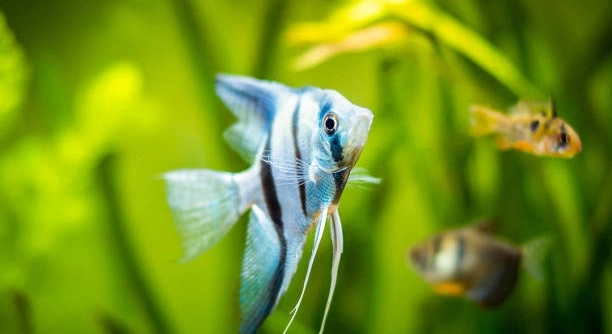
Angelfish are popular aquarium pets known for their graceful swimming. They often entertain owners with their quirky behavior, including playing with air bubbles. If you’ve noticed this, you’re not alone—many angelfish display similar actions in their tanks.
The behavior of playing with air bubbles may be attributed to various factors, such as curiosity, comfort, or even communication. Angelfish use bubbles as a way to interact with their environment, mimicking natural behaviors seen in the wild.
Understanding why your angelfish engages in this behavior will help ensure they are thriving in their aquarium. Exploring the reasons behind it could offer valuable insights into their well-being and habits.
Natural Behavior and Exploration
Angelfish are naturally curious and tend to explore their environment. In the wild, they interact with various elements in their habitat, including water movement, plants, and bubbles. This behavior is carried over to aquarium settings, where your fish may play with air bubbles for stimulation. It helps keep them mentally active and engaged, preventing boredom. Their natural instinct to explore their surroundings can include interacting with objects or bubbles in the water.
It’s common for fish to show interest in anything that moves in their environment. Bubbles rising from an air stone or filter can attract the attention of your angelfish. The bubbles might appear as a novel object to investigate, which keeps them active.
In some cases, this behavior could also be linked to the fish’s need for a balanced, enriched environment. Just as humans enjoy playing with toys or other objects for entertainment, your angelfish might simply be enjoying a form of play that mimics their natural tendencies in the wild.
Seeking Oxygen and Breathing Patterns
Angelfish might seem to play with bubbles, but they could also be trying to adjust their breathing.
In an aquarium, air bubbles provide a gentle current that helps fish move water over their gills. Angelfish, particularly those in tanks with low water movement, may seek out these bubbles to improve their oxygen intake. It’s a natural response to ensure they’re getting the right amount of air, especially in aquariums with high fish populations or dense plant life.
Fish, like angelfish, need consistent access to oxygen-rich water to stay healthy. The bubbles created by air stones or filters can simulate natural water movement, which helps circulate oxygen throughout the tank. Angelfish are not only responding to the physical bubbles but also to the way they help maintain their health. If you notice your fish playing near air bubbles more often, it’s possible that they are actively seeking a place with higher oxygen content.
Curiosity and Playfulness
Angelfish, like many other fish, are curious creatures. They often interact with objects in their environment to satisfy their need for stimulation and exploration. Bubbles provide a moving element that grabs their attention and keeps them engaged.
This playful behavior is natural for angelfish and can often be seen as they chase or swim around bubbles. In an aquarium, where their environment may be more limited than in the wild, bubbles serve as a source of entertainment. The movement of the bubbles mimics the type of action they would encounter in a natural setting, such as in a current or near plants. This kind of activity helps reduce stress and adds a layer of excitement to their day.
When angelfish engage with bubbles, they’re essentially enjoying a form of interaction with their environment. The act of moving through the bubbles, or watching them rise, offers a mental and physical challenge that encourages natural behaviors and provides enrichment.
Tank Conditions and Water Movement
Water movement can directly impact an angelfish’s behavior. Fish are often drawn to areas where they feel most comfortable, and in tanks with strong water flow, they may actively seek out quieter, bubble-rich zones.
If the water movement is too harsh in some parts of the tank, angelfish may prefer to stay near air bubbles. Bubbles help create pockets of calmer water, allowing them to swim in less turbulent areas. This is especially true for angelfish, which are naturally slow swimmers. The air bubbles can act as a temporary respite from the fast currents found in certain areas of the tank. Adjusting the flow of your tank’s filter or using a bubble maker can help angelfish feel more at ease.
Additionally, angelfish may position themselves near these bubbles to regulate their body temperature and find more oxygenated areas, which further supports their health. They instinctively seek out places where they can breathe easily and maintain energy levels. If they’re drawn to bubbles, it’s a sign that the tank’s water conditions may need some attention, ensuring your angelfish has an optimal environment for thriving.
Social Behavior and Interaction
Angelfish are social creatures, and their behavior can sometimes be a form of communication with other fish. When they interact with bubbles, they might be signaling their presence or showing off.
In the wild, fish use various methods to establish territory or interact with one another, and bubbles can play a role in these behaviors. Angelfish may engage with air bubbles as a way to communicate or assert themselves, especially if they are housed with other fish. The playful interaction with bubbles might reflect their need to express themselves or get the attention of nearby tank mates.
Water Quality and Stress Relief
Angelfish are sensitive to water quality, and poor conditions can lead to stress. They might use bubbles as a way to find areas of more oxygen or clearer water.
If water quality deteriorates, angelfish can become stressed. They may respond by seeking out more oxygenated spots or places with bubbles. A decrease in water quality can lead to other health issues, so if your angelfish are interacting with bubbles more frequently, it may be a sign to test the water parameters and adjust filtration or cleaning practices.
Feeding Behavior
Angelfish are often attracted to bubbles during feeding time. They may associate the bubbles with food or notice the movement as something to investigate.
Bubbles can mimic the action of food floating in the water, especially when food particles are released. Angelfish might swim toward the bubbles thinking food is nearby, or they might simply be exploring their environment for new sources of nourishment. If you’re noticing this behavior during feeding, it’s a sign your angelfish are actively engaged in their tank and looking for new sources of entertainment or food.
FAQ
Why do angelfish chase bubbles?
Angelfish may chase bubbles as a form of exploration and play. The movement of bubbles in the water can stimulate their natural curiosity. They may enjoy swimming around the bubbles or chasing them as a way to keep themselves entertained and active. This behavior is similar to how wild fish interact with their environments to stay mentally and physically engaged. In an aquarium, where the space and natural elements are limited, bubbles provide an interesting and dynamic object for the fish to focus on.
Do angelfish like bubbles for oxygen?
Yes, angelfish may be attracted to areas where there are bubbles because it could help them find more oxygen. In aquariums, bubbles generated by an air stone or filter can help increase oxygen levels, making it easier for the fish to breathe. Fish, including angelfish, are naturally drawn to areas where the oxygen content is higher, especially in tanks with low water movement. If your angelfish are consistently around bubbles, it may be a sign that the water’s oxygen levels are more suitable in those areas.
Are bubbles harmful to angelfish?
No, bubbles themselves are not harmful to angelfish, but the source of the bubbles could be a factor. If the bubbles are too strong or created by a harsh filter, they could create a current that is difficult for angelfish to swim through. Since angelfish are not fast swimmers, they may become stressed in areas with too much water movement. Ensuring the bubbles are from a gentle air stone or properly adjusted filter will prevent any discomfort for your fish.
How can I ensure my angelfish is comfortable around bubbles?
To ensure your angelfish is comfortable, observe their behavior. If they seem to enjoy the bubbles and interact with them actively, it’s likely a positive addition to their environment. However, if you notice your angelfish struggling to swim or staying away from bubbles, the air current may be too strong. Adjusting the water flow in your tank and using an air stone with adjustable output can help provide a more gentle bubble stream. Also, ensure the tank has plenty of space for your angelfish to swim freely.
Do angelfish play with bubbles in the wild?
In the wild, angelfish may not interact with bubbles in the same way as they do in an aquarium, as they are not typically surrounded by artificial bubbles. However, the concept of playing with bubbles is linked to their natural curiosity and need for stimulation. In the wild, angelfish are exposed to moving water, plants, and currents, all of which provide them with objects to explore and interact with. In an aquarium, bubbles mimic these natural elements, offering a form of play or interaction that helps keep them active.
Can I use bubbles to entertain my angelfish?
Bubbles can indeed serve as a form of entertainment for angelfish. The movement and visual appeal of the bubbles create a stimulating environment that encourages natural behaviors like exploration and interaction. While not a substitute for other enrichment like plants or tank mates, bubbles provide a simple and effective way to keep angelfish engaged. Make sure the bubbles don’t create too much water movement, as angelfish prefer calm spaces. A soft air stone or a gentle filter can help create bubbles without disrupting the tank’s overall balance.
Are bubbles necessary for angelfish health?
Bubbles are not strictly necessary for angelfish health, but they can play a role in maintaining a healthy environment. While angelfish do not require bubbles to survive, the oxygenated water that bubbles help create can support their respiratory system. If your tank is well-filtered and the water is oxygen-rich, you may not need extra bubbles. However, in a tank with limited water movement or high fish density, bubbles can help ensure your angelfish get the oxygen they need. Regular maintenance of water quality is still the most important factor for your fish’s health.
Can angelfish get stressed by bubbles?
Angelfish can get stressed if the bubbles create a current that’s too strong. While angelfish enjoy calm water, excessive movement from bubbles or a strong filter can be unsettling. To prevent stress, make sure the bubbles are produced gently and not too forcefully. Adjusting the filter’s flow rate or using a gentle air stone can help maintain a more relaxed environment for your angelfish. Watching how your fish react to the bubbles will give you a better idea of whether they’re comfortable with the water movement.
How do I know if my angelfish is enjoying the bubbles?
If your angelfish seems to be actively interacting with the bubbles—swimming near them, following their movement, or even gently nudging them—it’s a good sign they’re enjoying the bubbles. If they appear relaxed and are swimming around the tank without signs of stress, such as darting away from the bubbles or staying at the bottom of the tank, they are likely benefiting from the added stimulation. However, if they seem to be avoiding the bubbles or struggling to swim, the current may be too strong, and adjustments should be made.
Can I create bubbles using anything other than an air stone?
Yes, there are other ways to create bubbles in your tank besides using an air stone. You can use a sponge filter, which also produces bubbles and helps filter the water. Additionally, some aquarium decorations, like bubble wands or bubble rocks, can generate bubbles in a more decorative and gentle manner. As long as the bubbles are not causing strong currents or stress, these alternatives can be just as effective for creating a stimulating environment for your angelfish. Make sure to adjust the air flow if needed.
Final Thoughts
Angelfish interacting with bubbles is a common and natural behavior that can be both entertaining and beneficial. While the reasons behind this behavior can vary, it often stems from their curiosity, need for stimulation, and the desire to interact with their environment. Bubbles provide a moving object for angelfish to explore, offering a form of play that mimics their natural behavior in the wild. These playful interactions help keep your fish mentally engaged and reduce stress, which is important for their overall well-being. Watching your angelfish chase or swim around bubbles can add an extra layer of enjoyment to their tank and can be an indication of a healthy, active fish.
It’s also important to remember that while bubbles can be a source of entertainment and stimulation, they should not be relied upon as the sole enrichment for your angelfish. Providing a variety of elements in the tank, like plants, hiding spots, and other tank mates, is crucial for maintaining a balanced environment. Bubbles can complement these features, but they should not replace the need for proper tank conditions, such as clean water, stable temperature, and appropriate water movement. Additionally, ensuring that the bubbles are not creating too much current or disrupting the fish’s natural swimming patterns is key to making sure your angelfish is comfortable.
Ultimately, understanding why your angelfish enjoys playing with bubbles helps you create a more suitable and enriching environment for them. Whether it’s due to the bubbles’ movement, the oxygen-rich water they create, or simply a form of play, bubbles can offer an extra layer of excitement and comfort. By observing your angelfish’s reactions and adjusting the tank accordingly, you can ensure that your fish are thriving. If you notice any signs of stress or discomfort, adjusting the water flow or the type of bubble-producing equipment can make a significant difference in your angelfish’s happiness and health.

Hello,
If you enjoy the content that we create, please consider saying a "Thank You!" by leaving a tip.
Every little bit helps us continue crafting quality advice that supports the health, happiness, and well-being of pets around the world, for pets of all shapes, sizes, and species.
We really appreciate the kindness and support that you show us!